A Semantical Account of Precision in Terms of Symmetries
We shall now examine a semantics for language fragments of interest based on the above notion of a symmetry. To start with, we shall examine the language that results from adding a single unary operator, Ц, to the propositional calculus.
ftA is to be
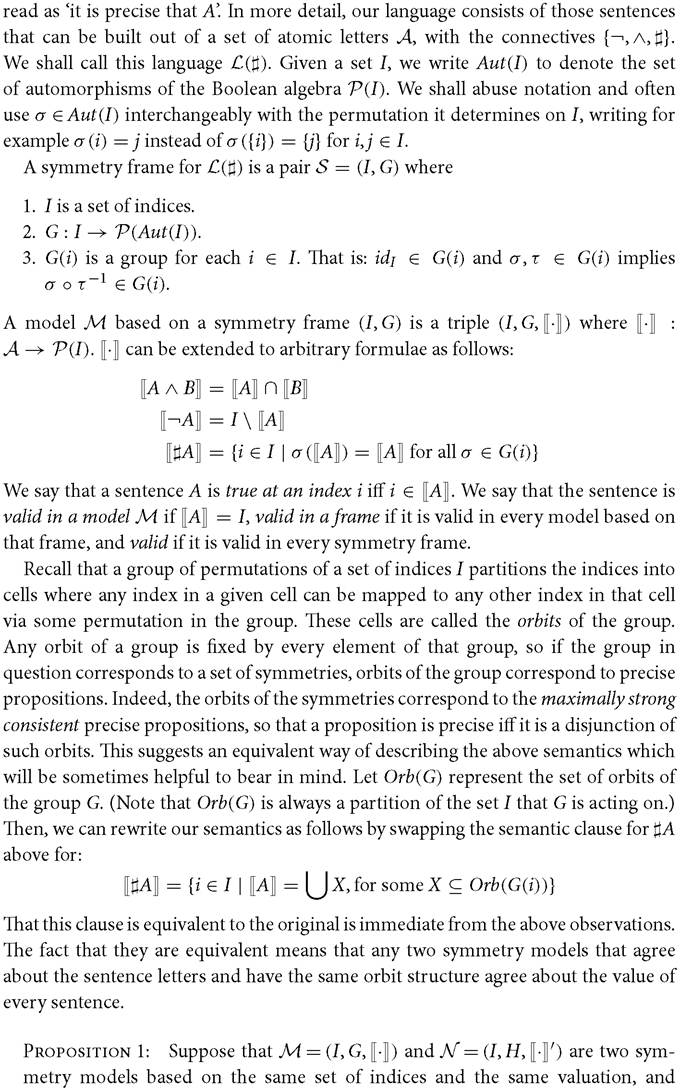
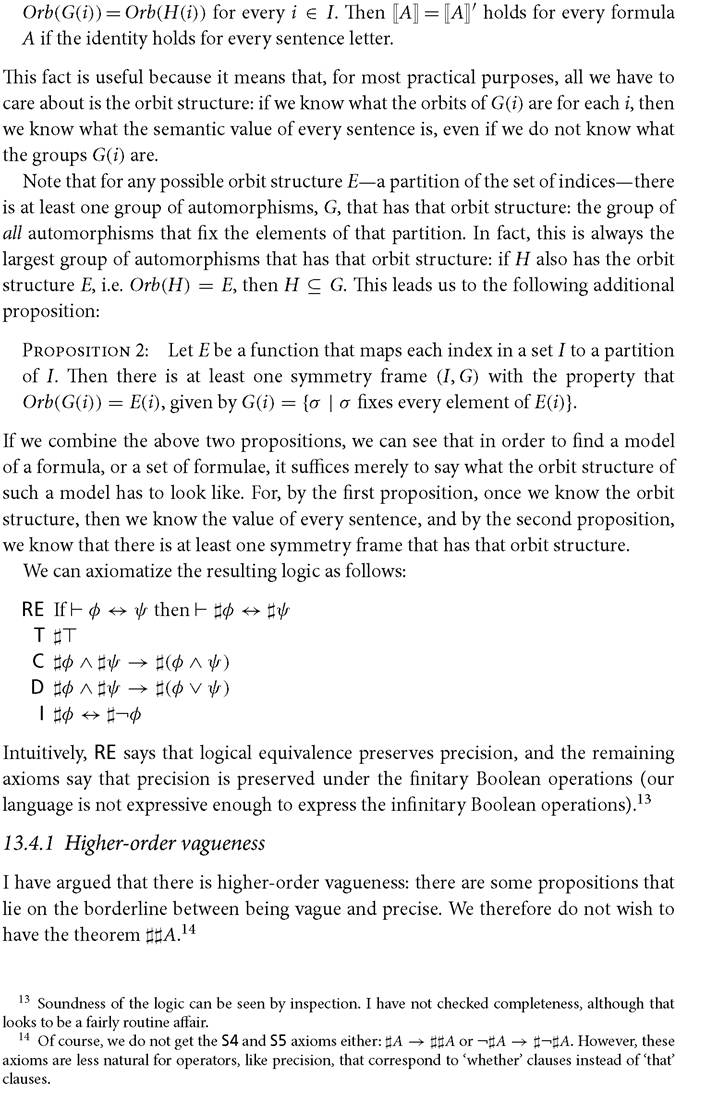
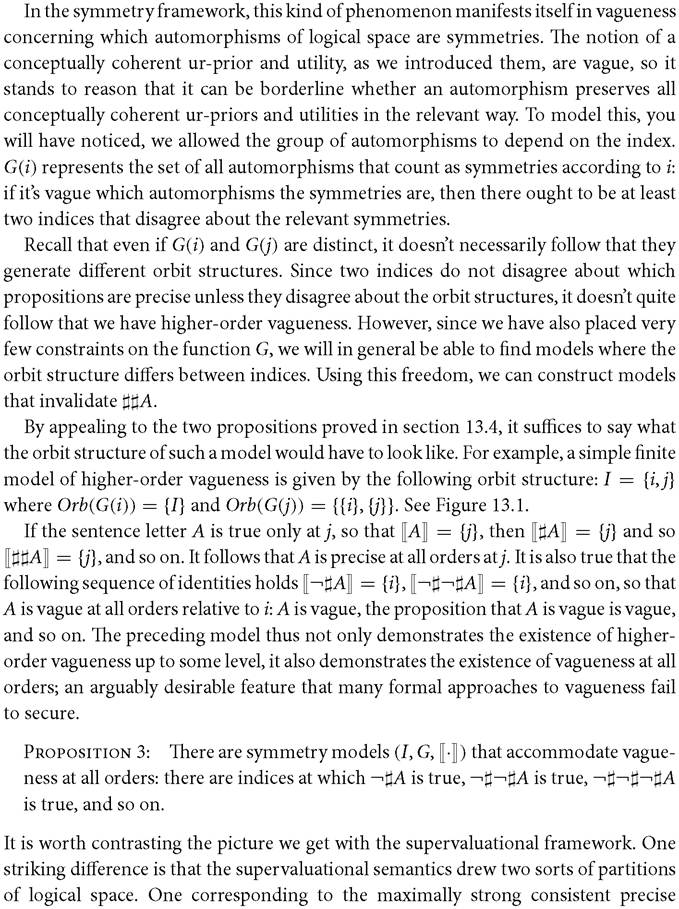
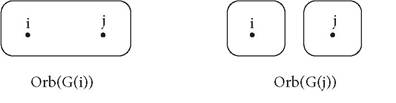
Figure 13.1. A simple model of vagueness at all orders.
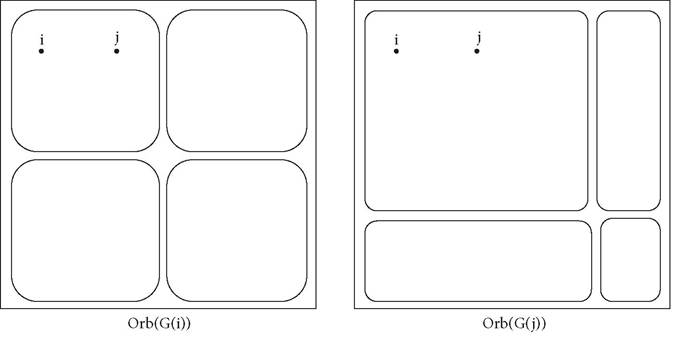
Figure 13.2. According to the indices i and j, logical space is partitioned into four maximally strong consistent precise propositions in two different ways.
Indifference, and Rational Supervenience, allowing us to fully encode the theory of vagueness by the conjunction of this thesis with Plenitude. Finally, in section 13.4, I developed a semantics for a formal language involving precision operators, and briefly investigated the structure of higher-order vagueness and the interaction with metaphysical necessity in that setting. Next we shall investigate a couple of issues that arise in the context of supervaluational semantics, drawing out some differences between supervaluational and symmetry semantics.