Appendix C SAMPLEBRIEFS
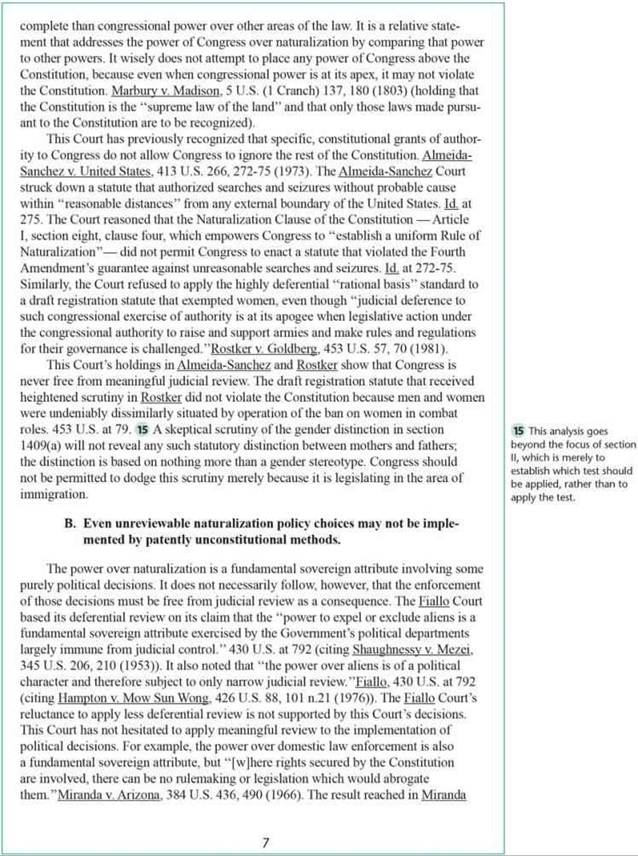
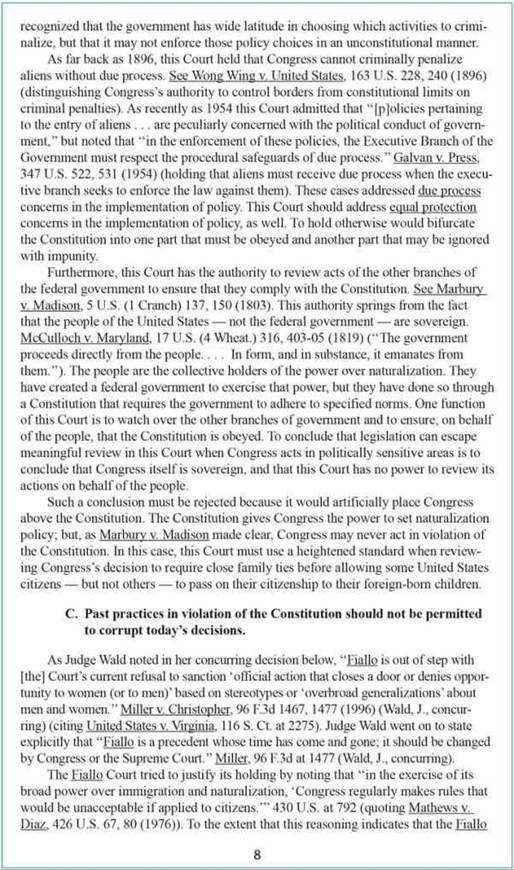
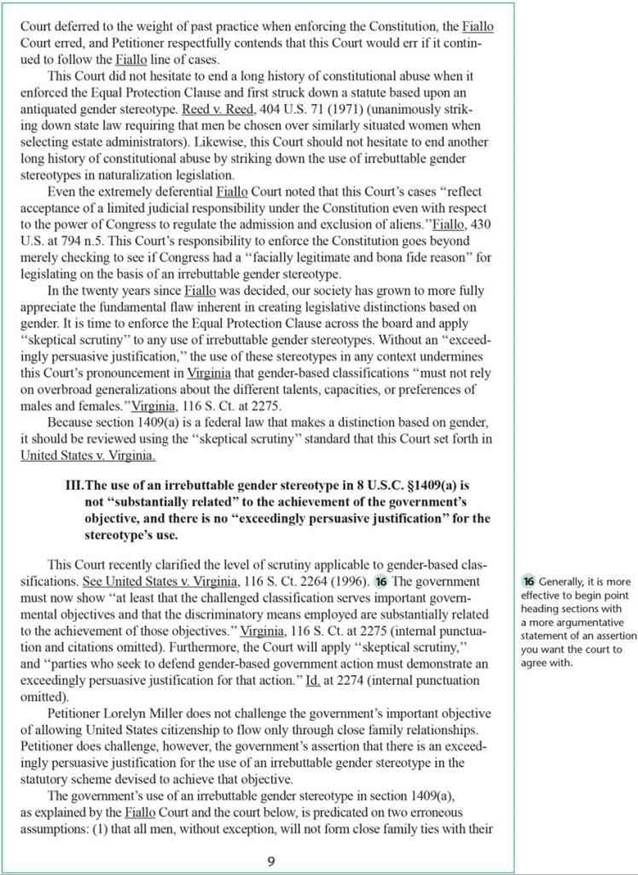
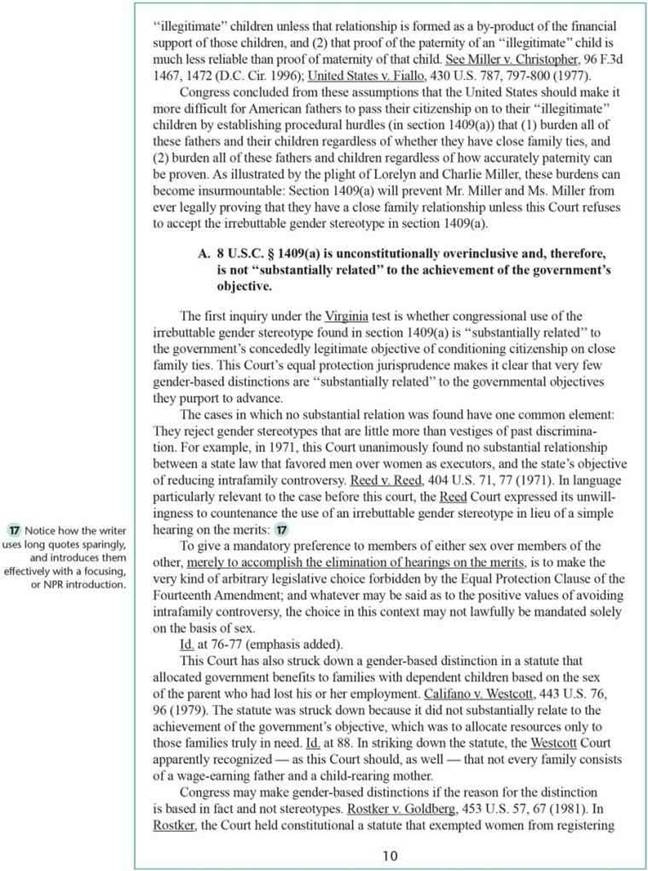
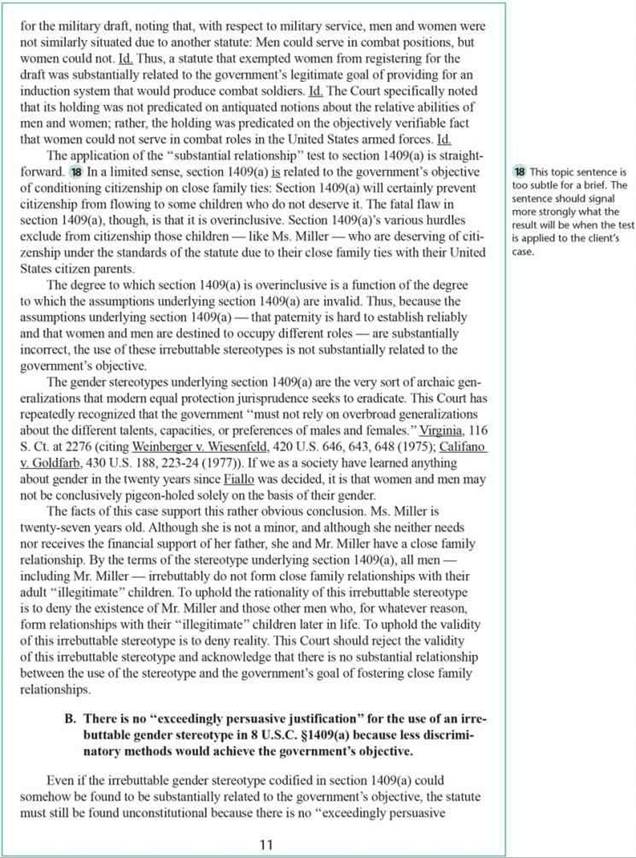
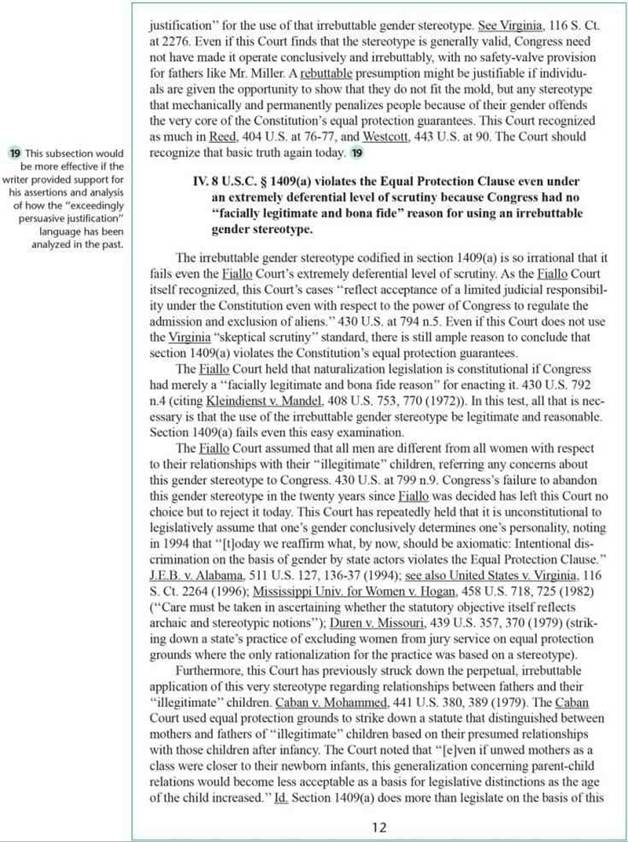
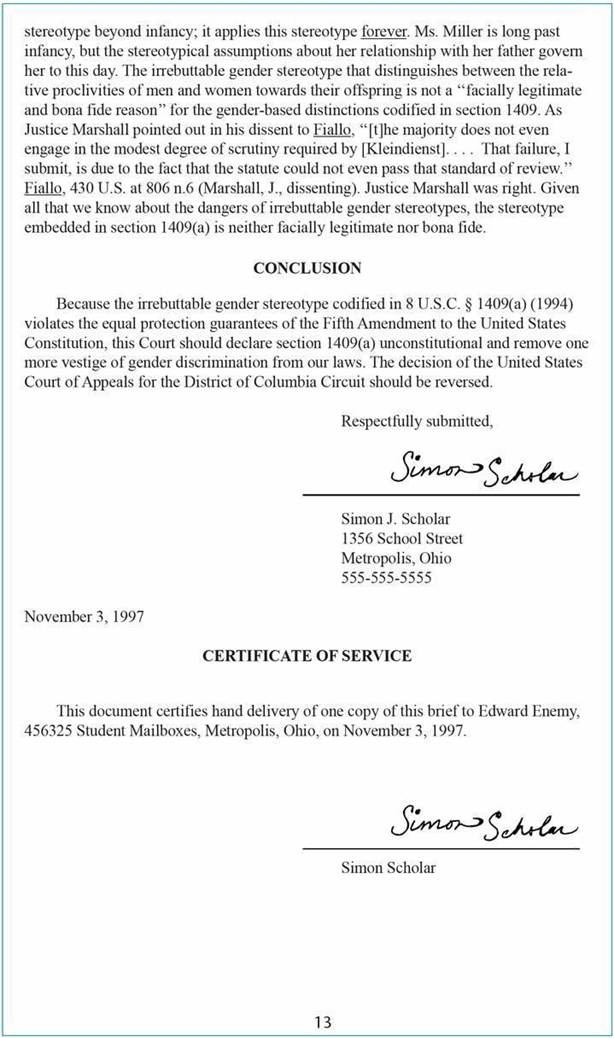
Many writing professors worry about providing samples because some students follow them too closely, imitating structure, arguments, or style that may have been appropriate for the issues in the sample but may not be appropriate for the issues in the student’s brief.
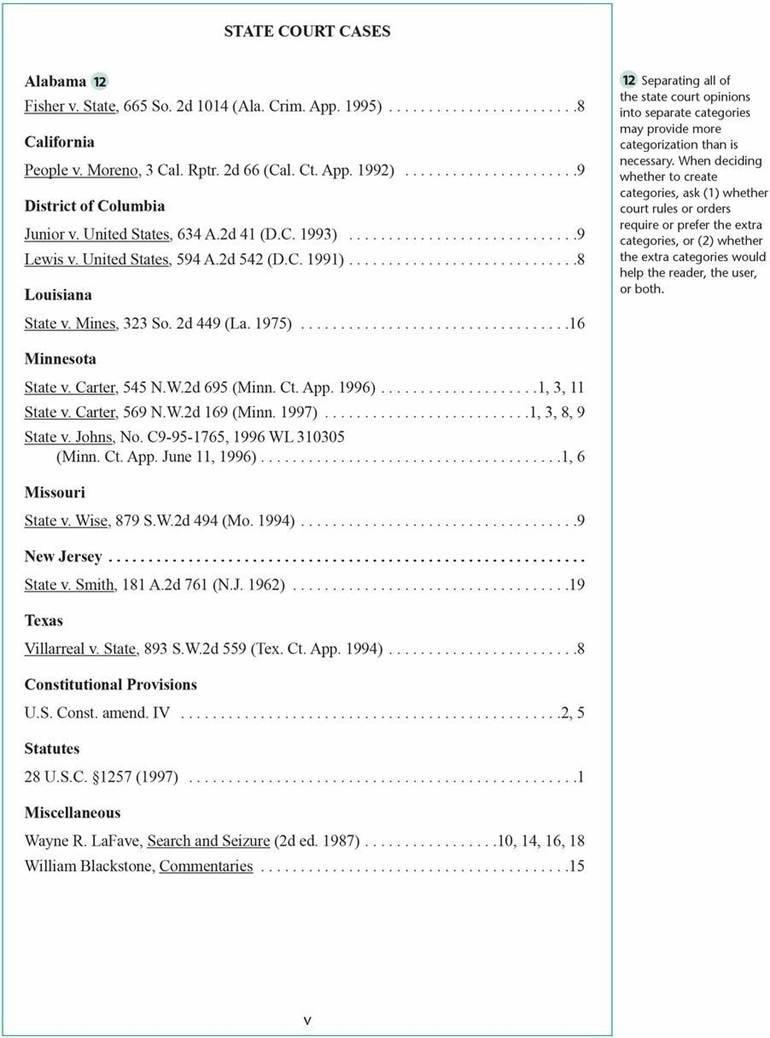
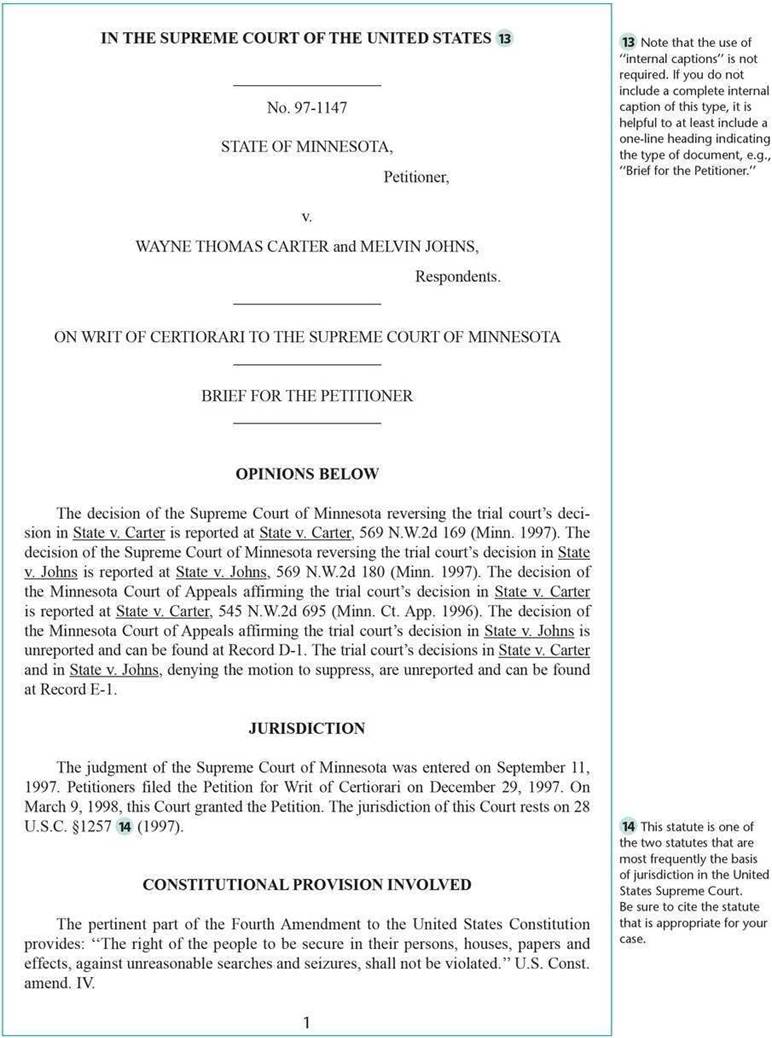
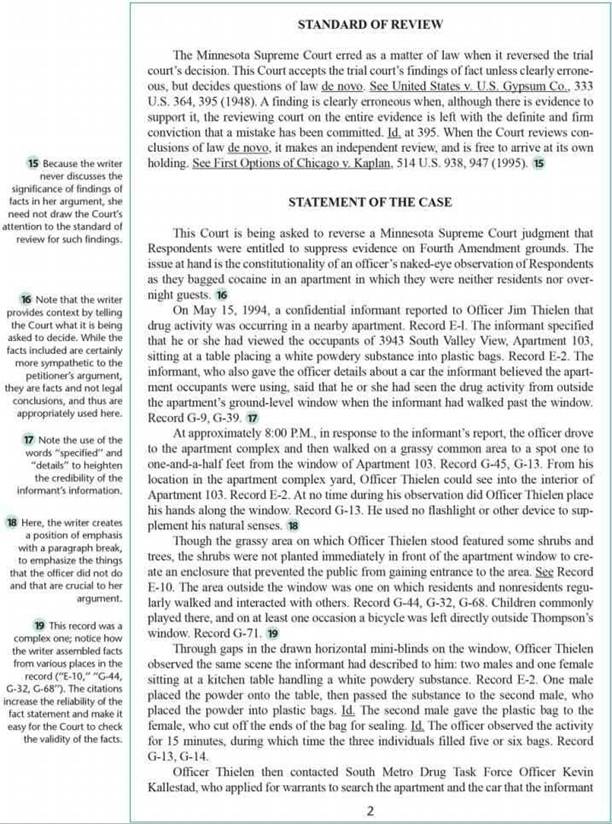
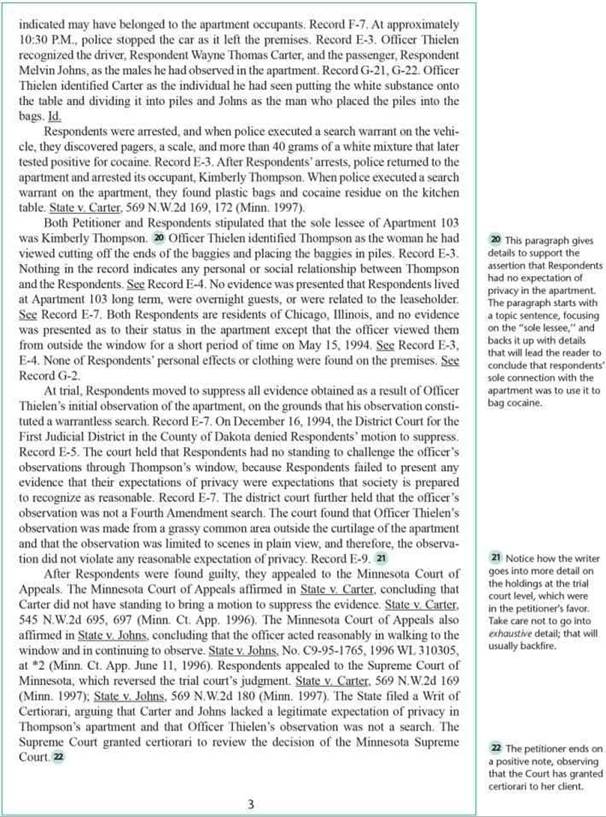
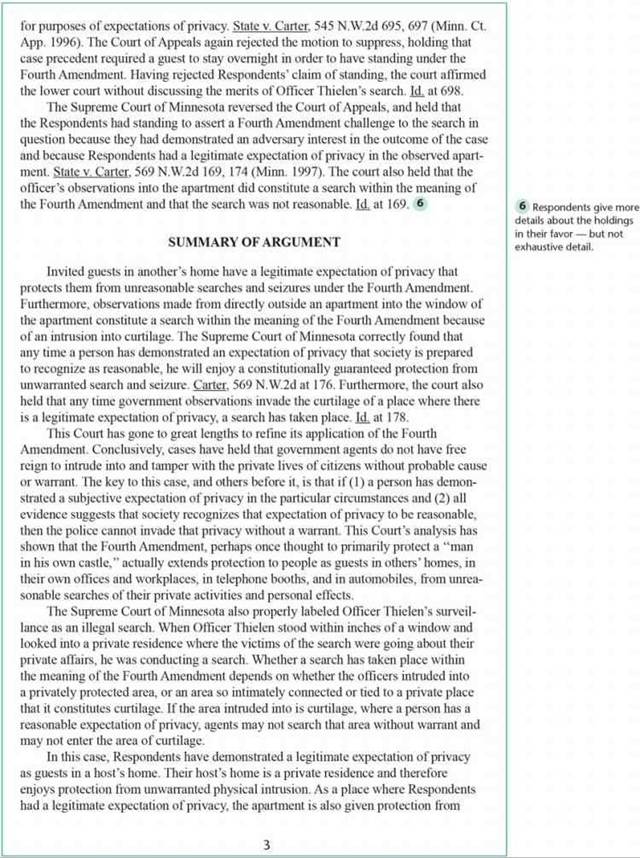
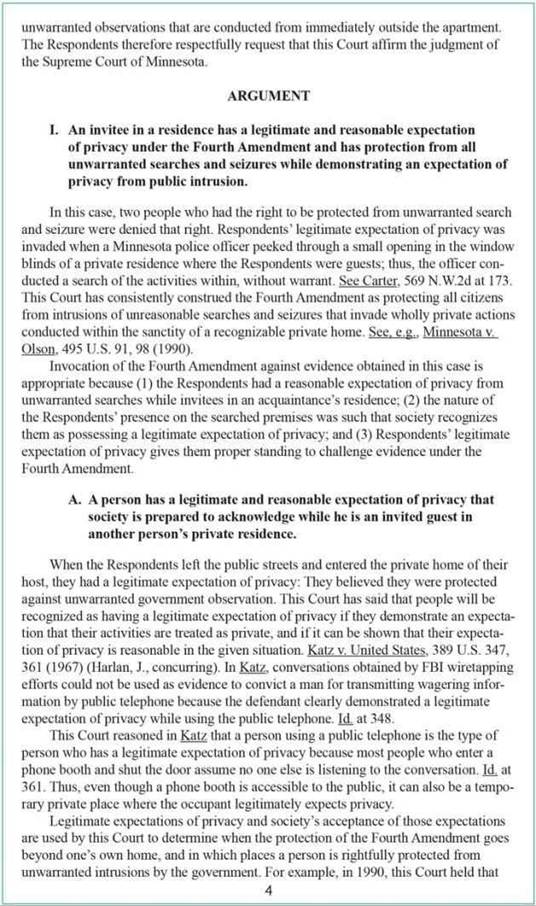
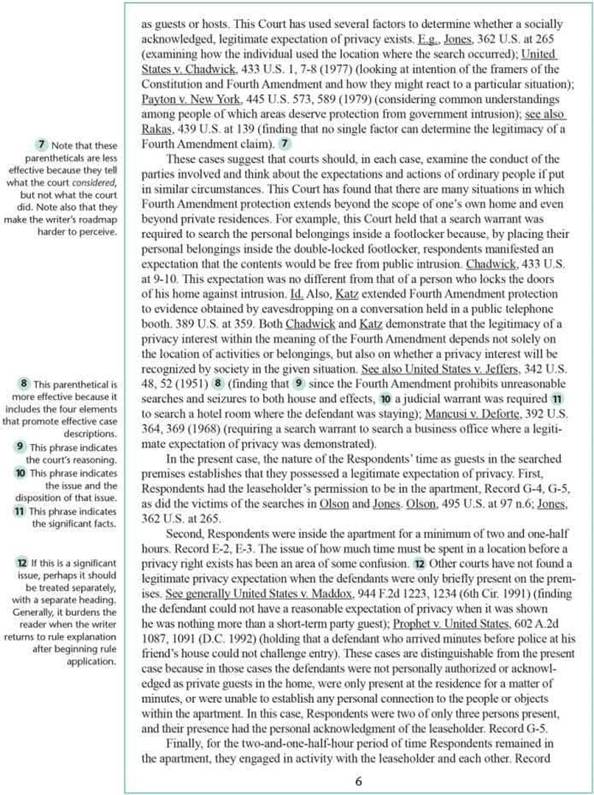
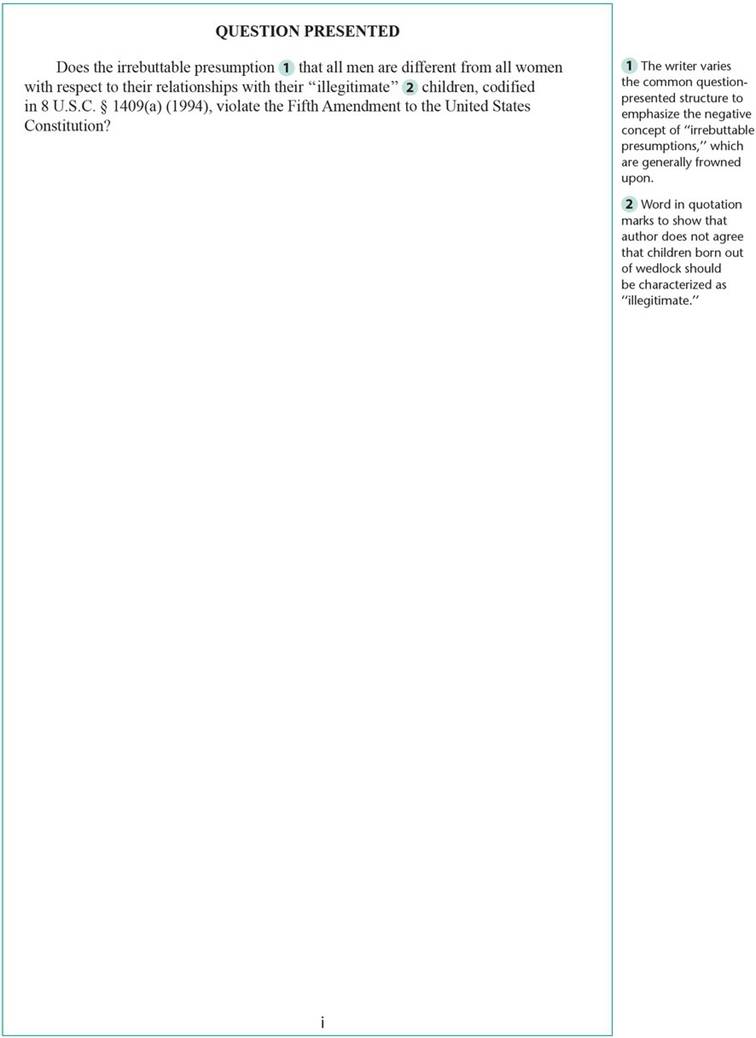
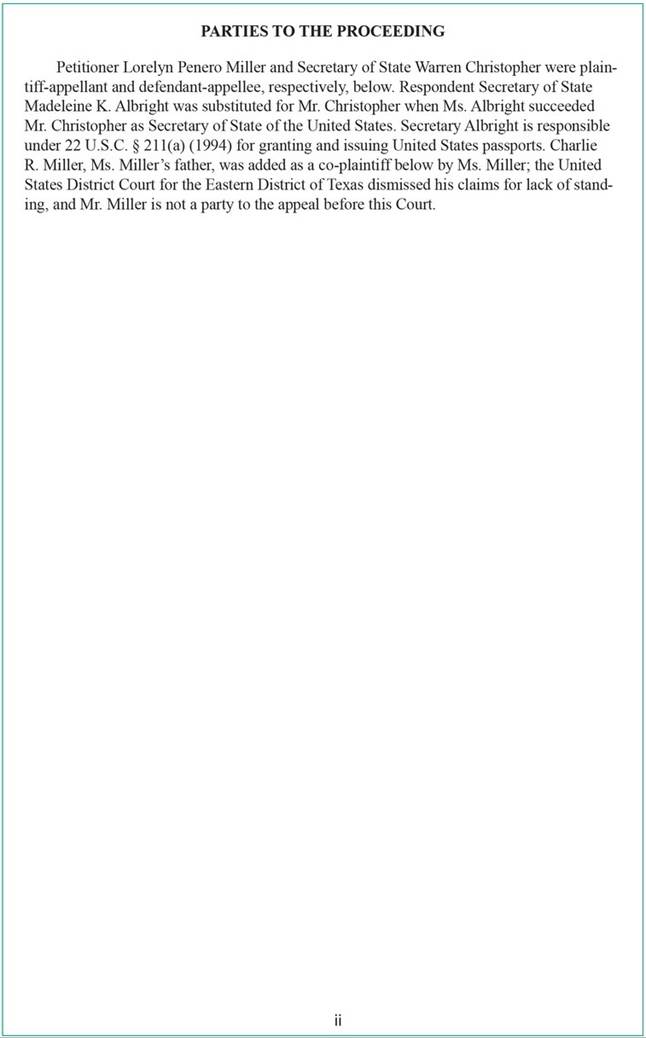
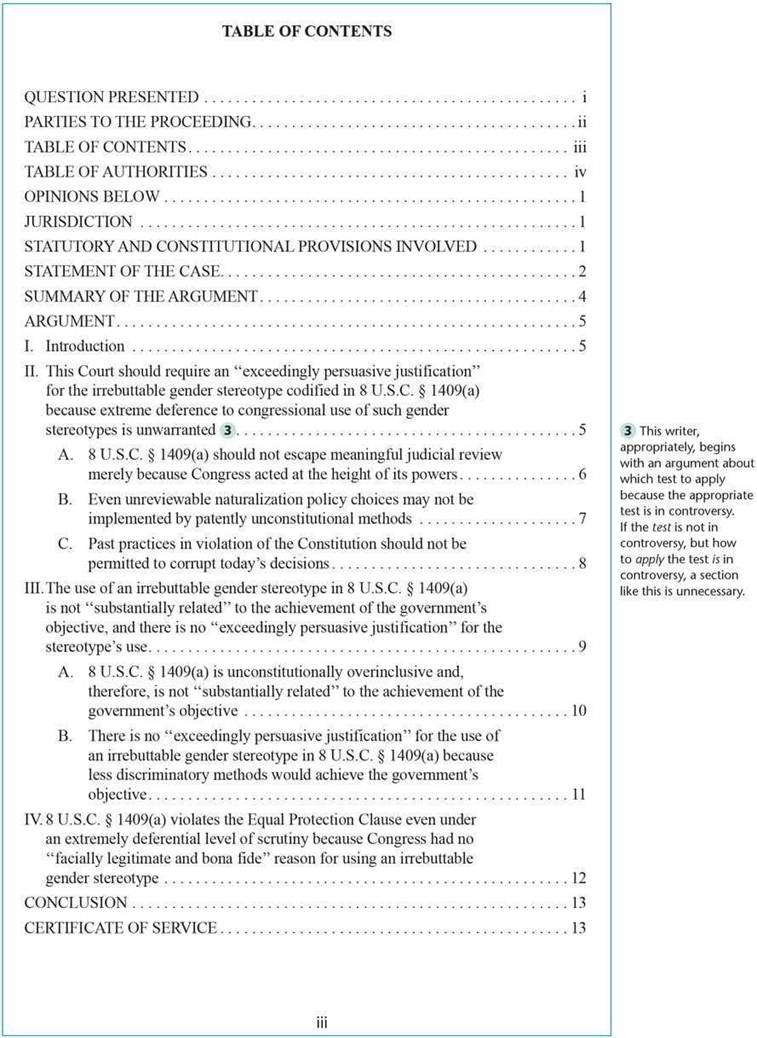
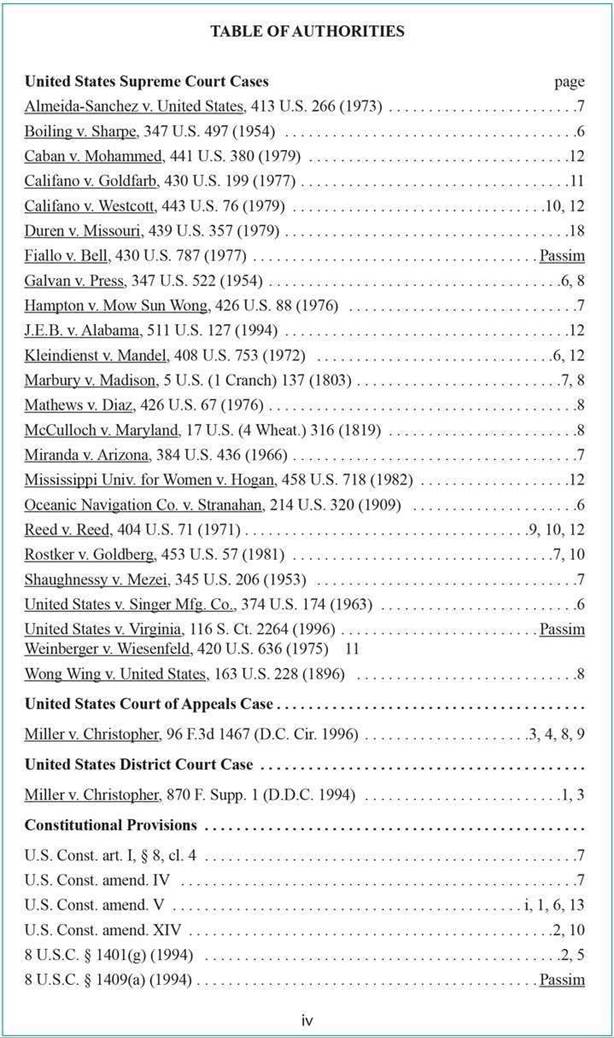
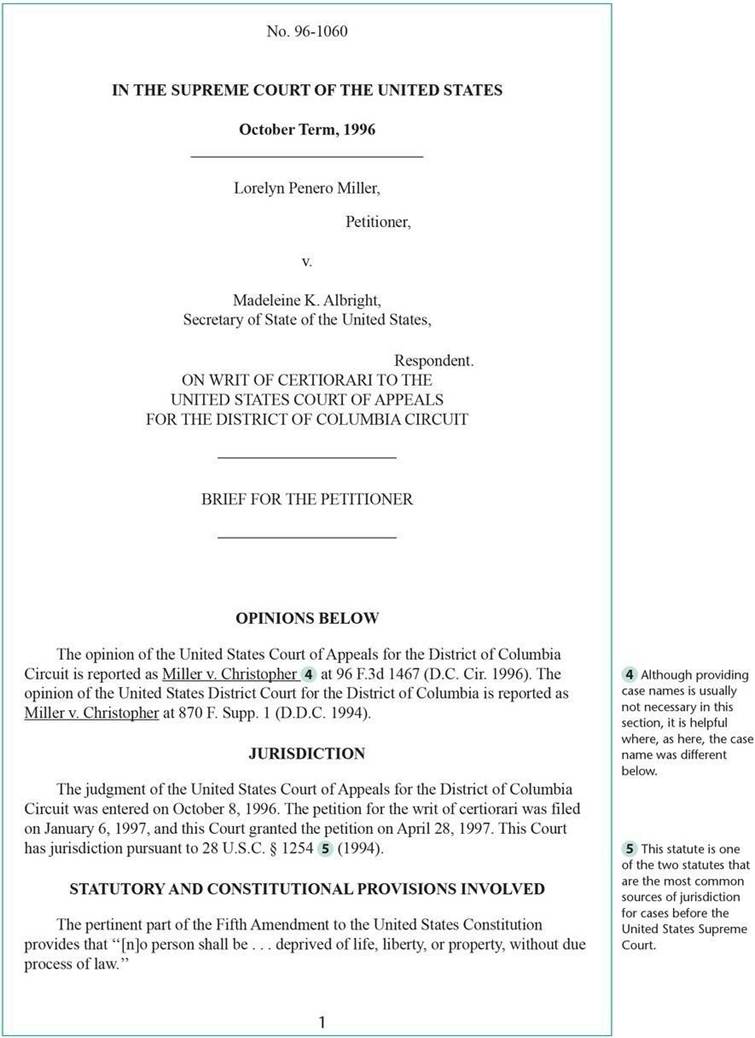
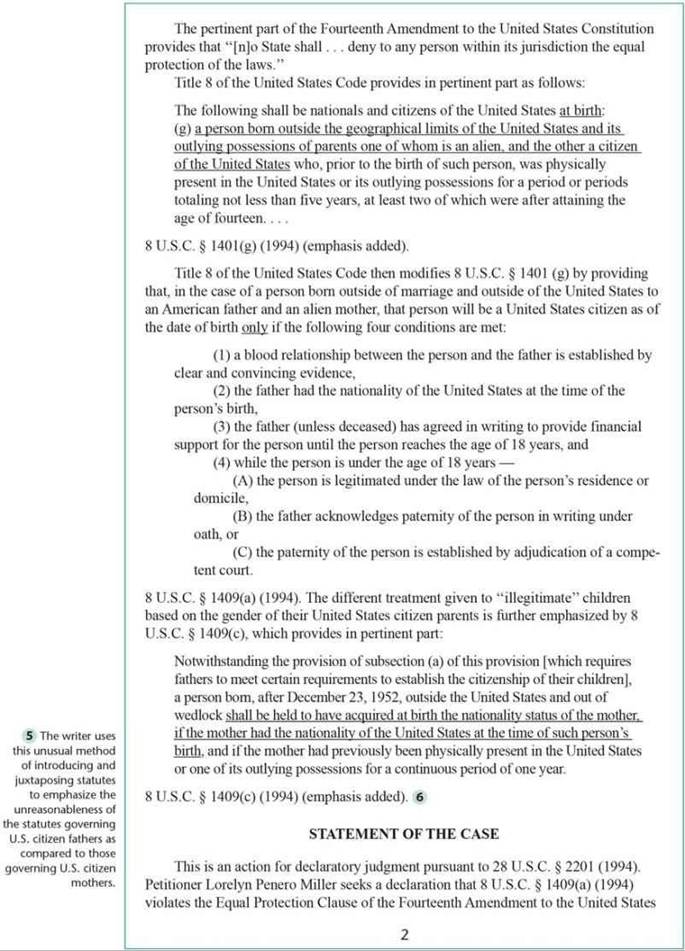
Furthermore, no sample is perfect. In the following sample student briefs, I have included annotations that identify strengths, explain possible problems, or point out unusual structures that may not be appropriate in different cases. By design, not all possible problems are identified. You should not, of course, rely on the law in these samples. Your professor may have you critique the sample briefs as part of your course work, or may identify other issues that you should consider when deciding whether certain samples are effective models for certain types of briefs.The sample appellate briefs in this appendix follow Supreme Court rules as to format, and the sample motion brief follows a commonly acceptable motion format. All of the sample briefs follow publishing conventions rather than word processing conventions. Thus, for example, briefs that you prepare for a law school course may need to be doublespaced (other than headings and double-indented quotations), may require different margins, and may require other different spacing conventions. Of course, you should always consult local rules, whether those rules are rules of a court or rules of a classroom.
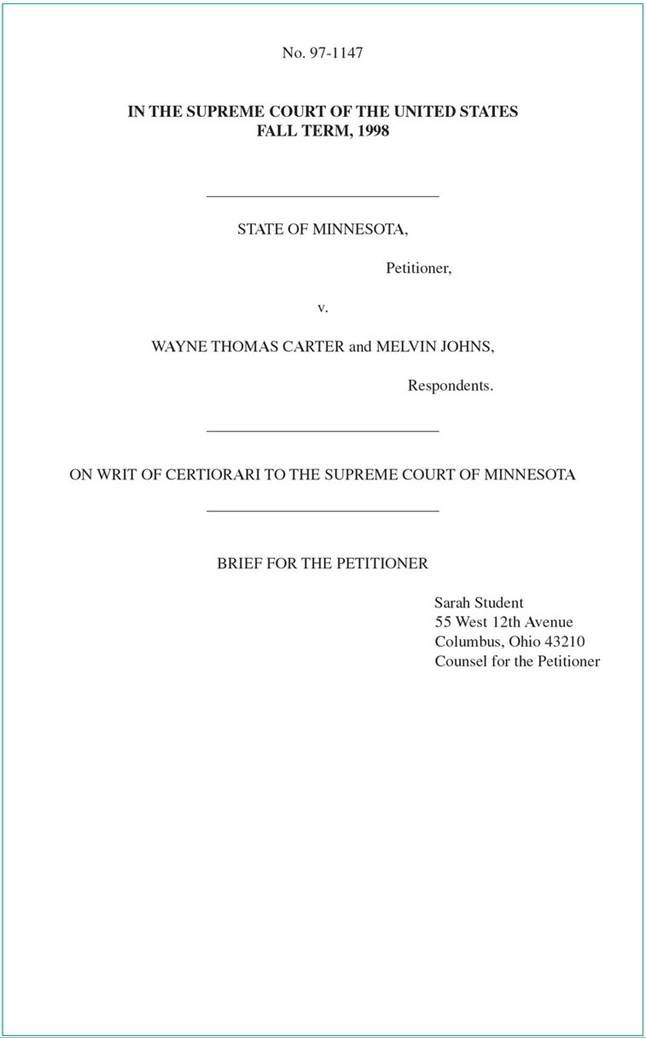
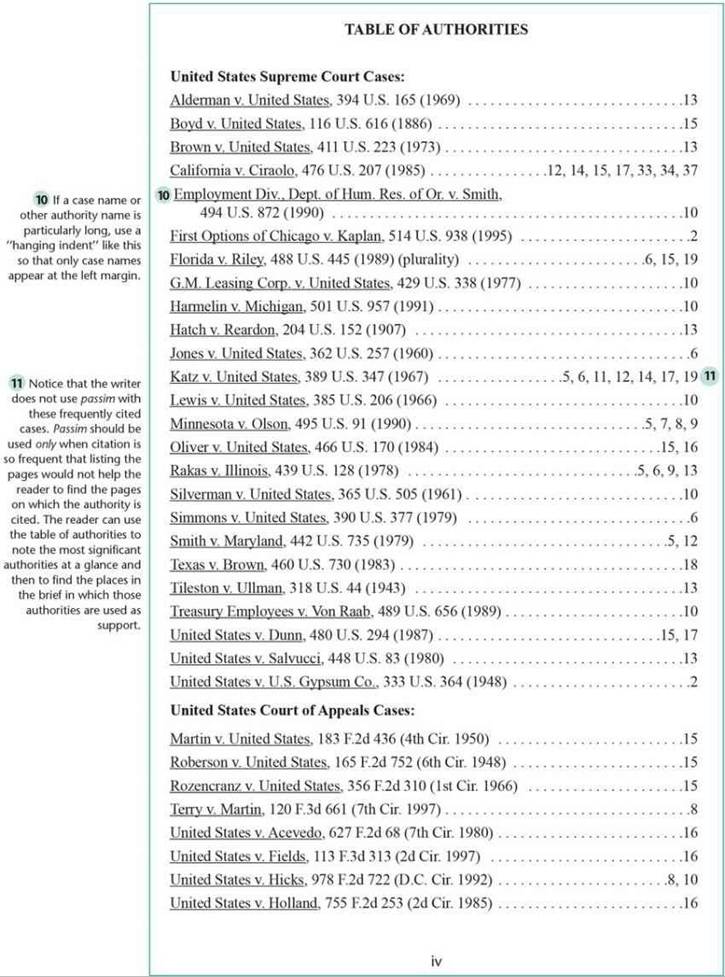
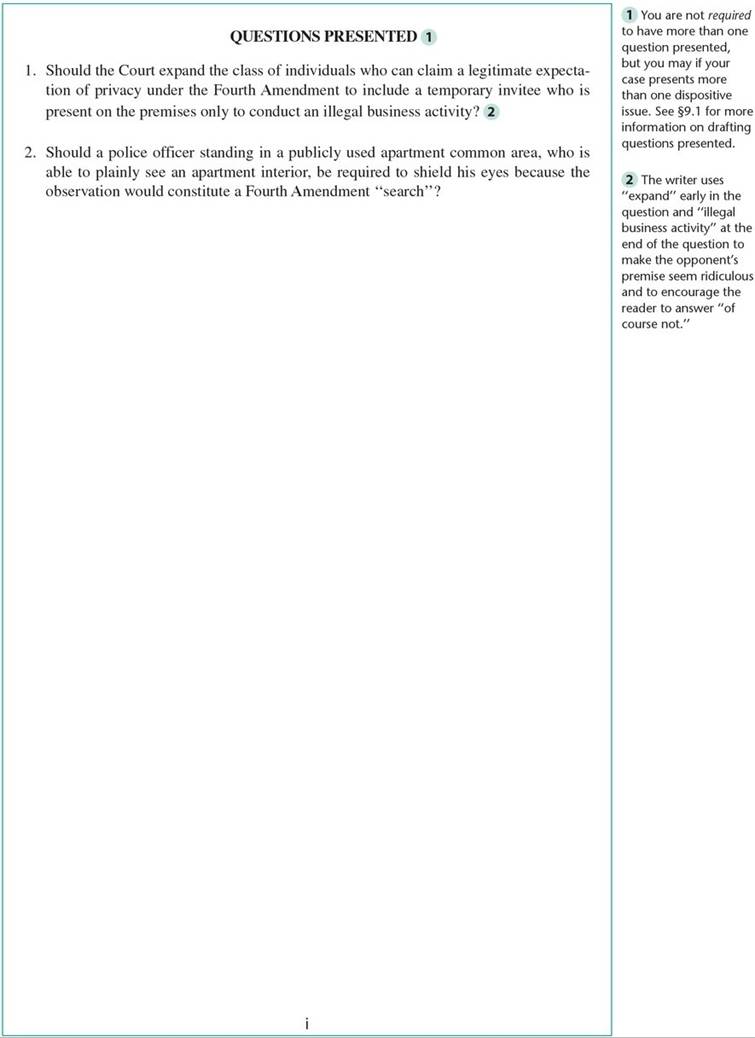 id=00087.jpg class="lazyload" data-src="/files/uch_group31/uch_pgroup324/uch_uch7429/image/image064.jpg" alt=00087.jpg>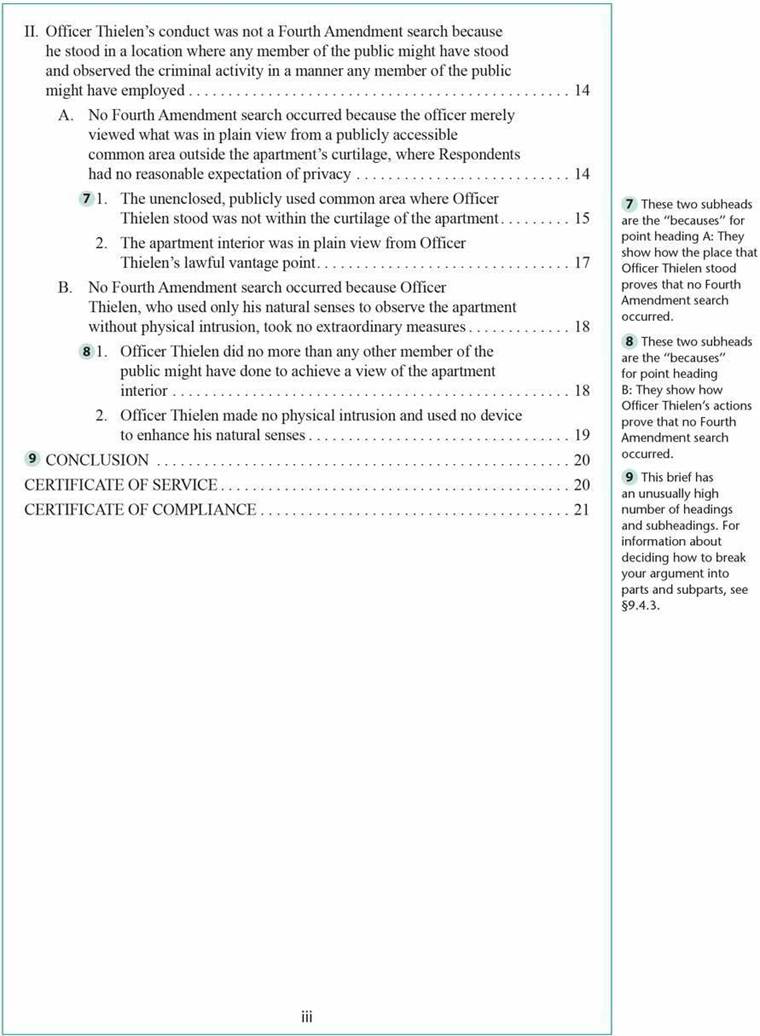
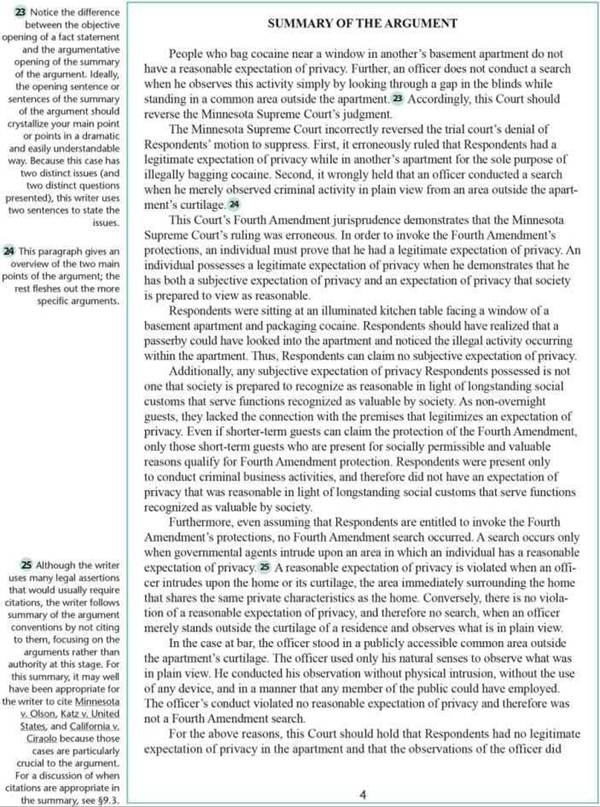
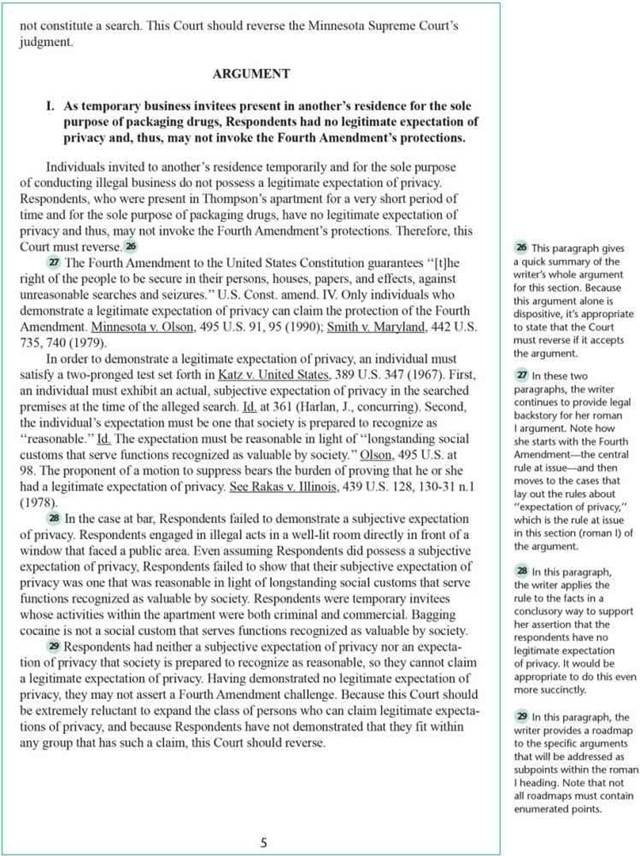
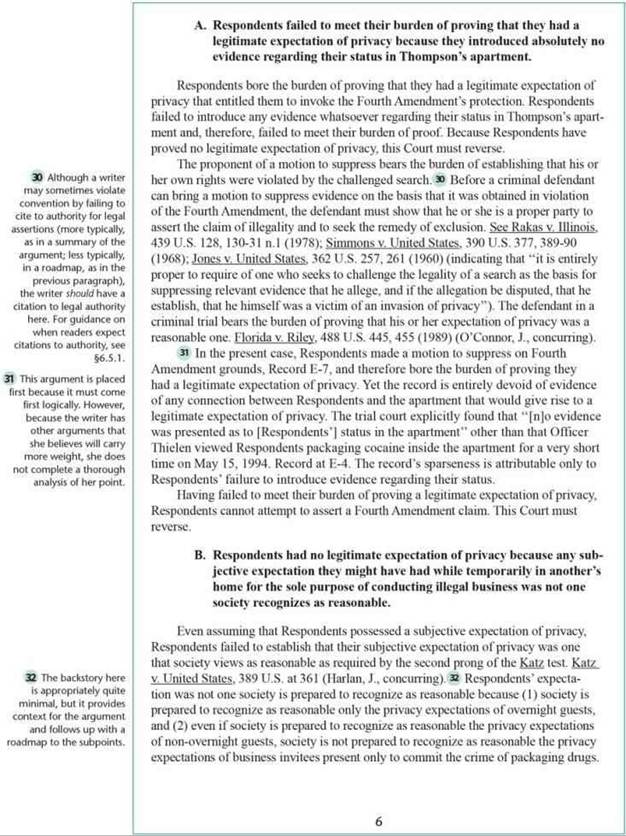
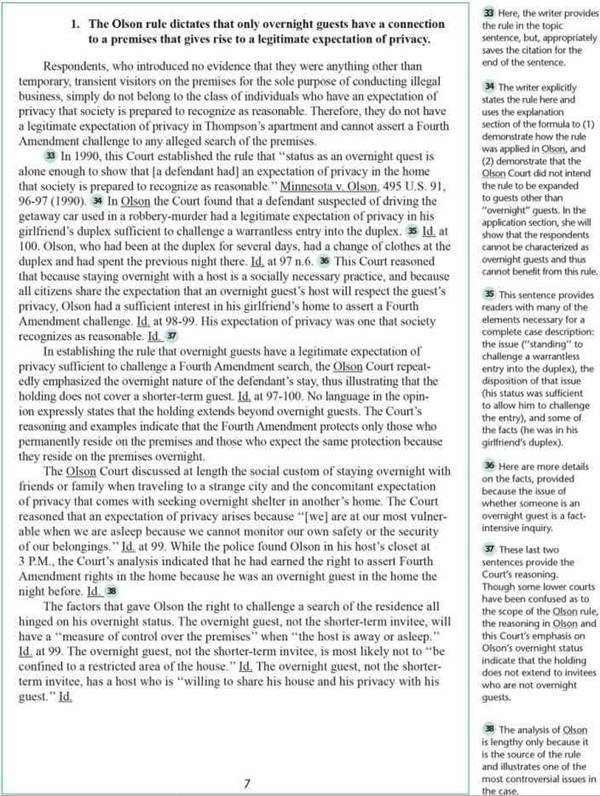
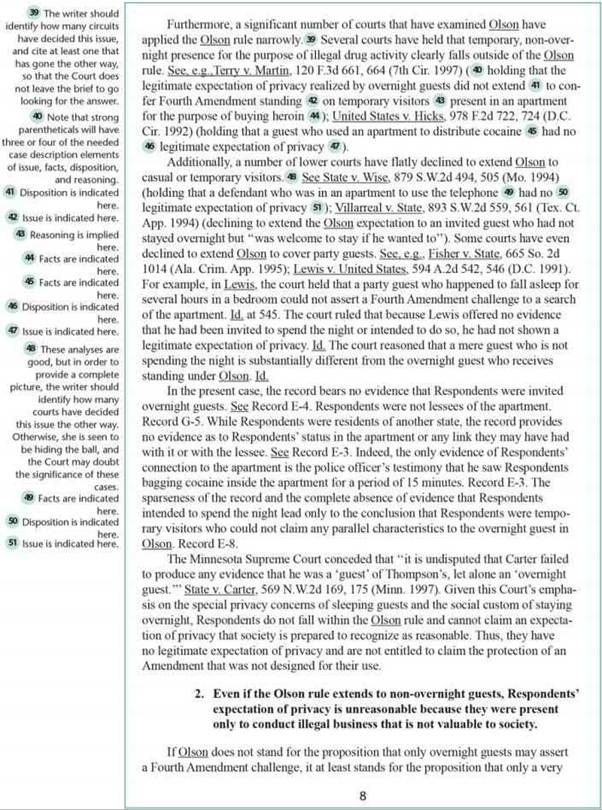
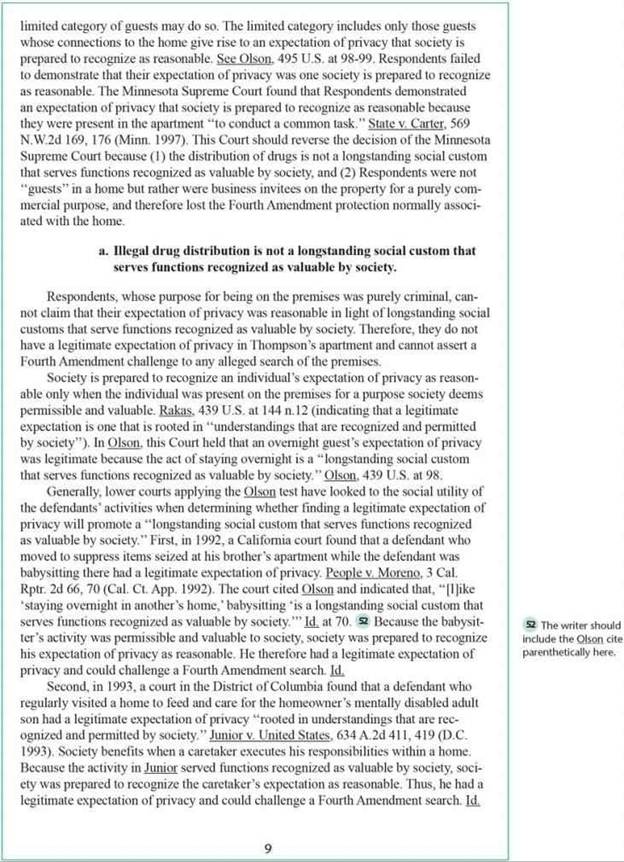
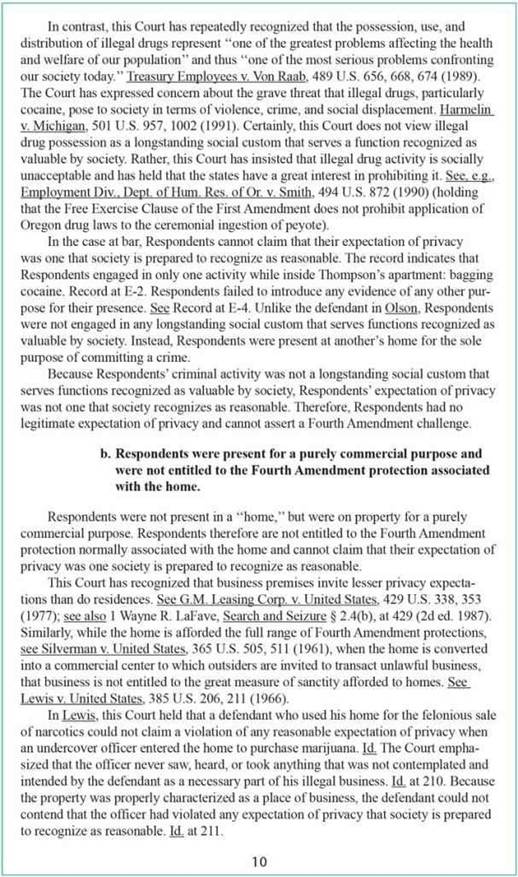
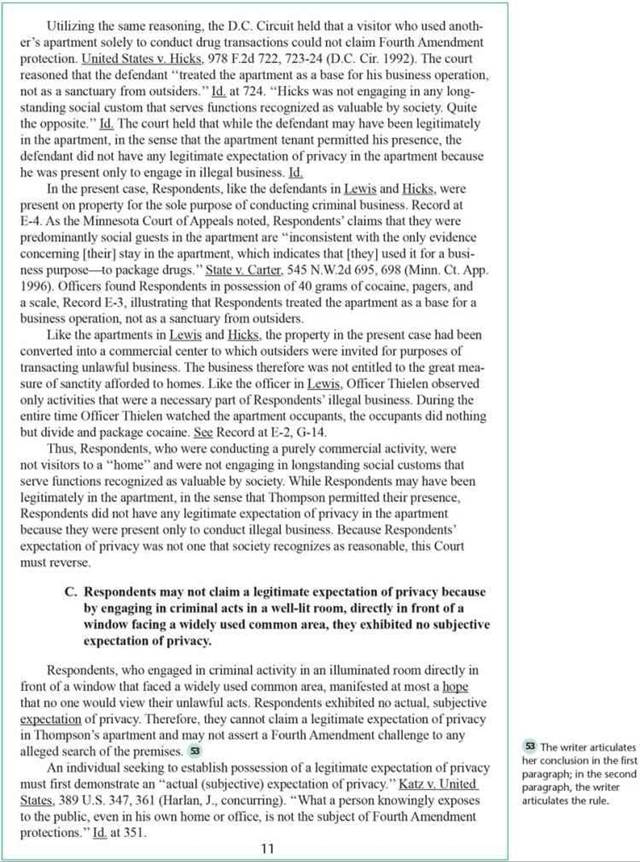
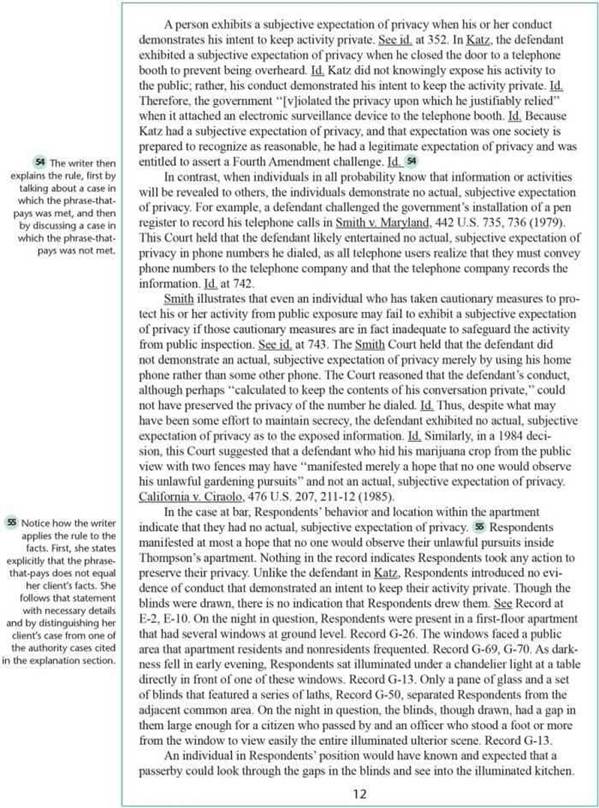
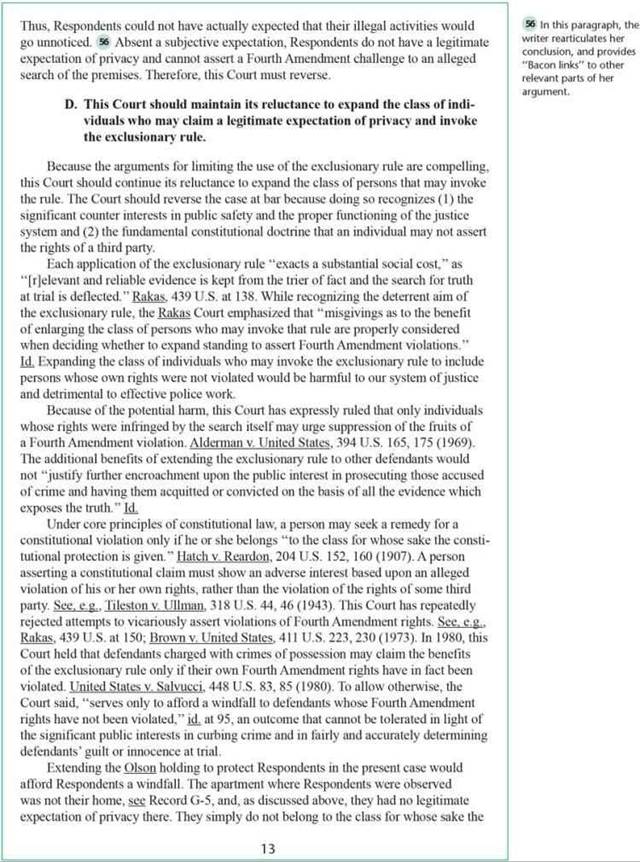
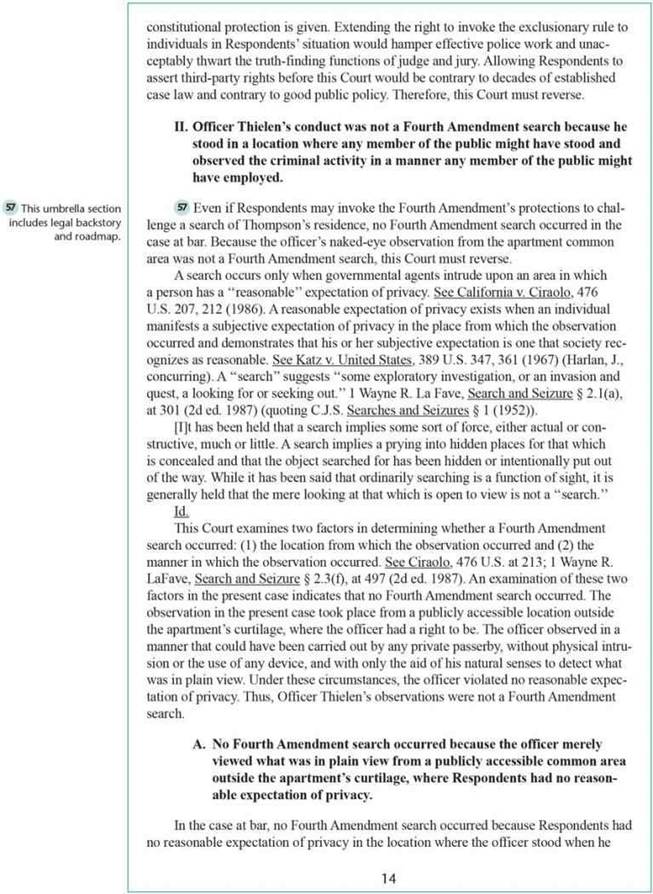
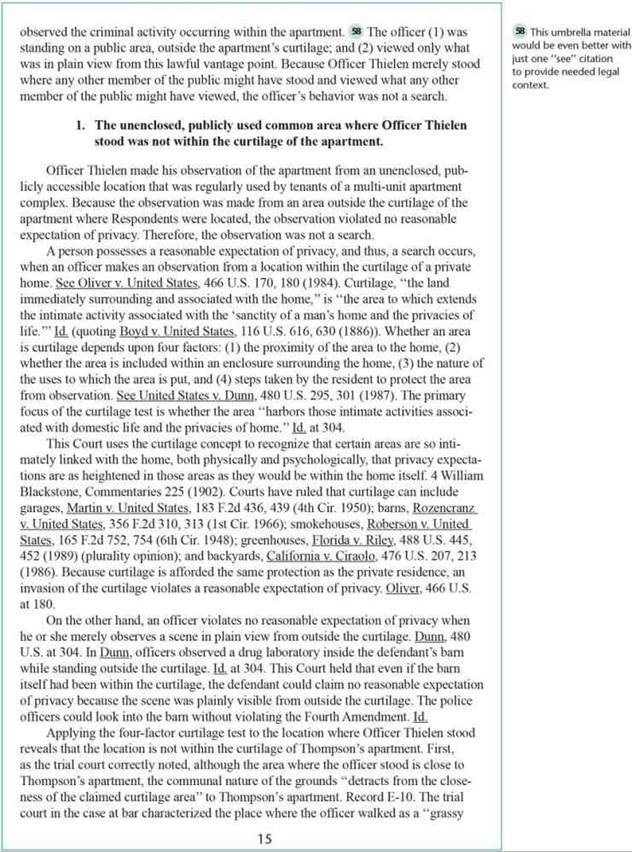
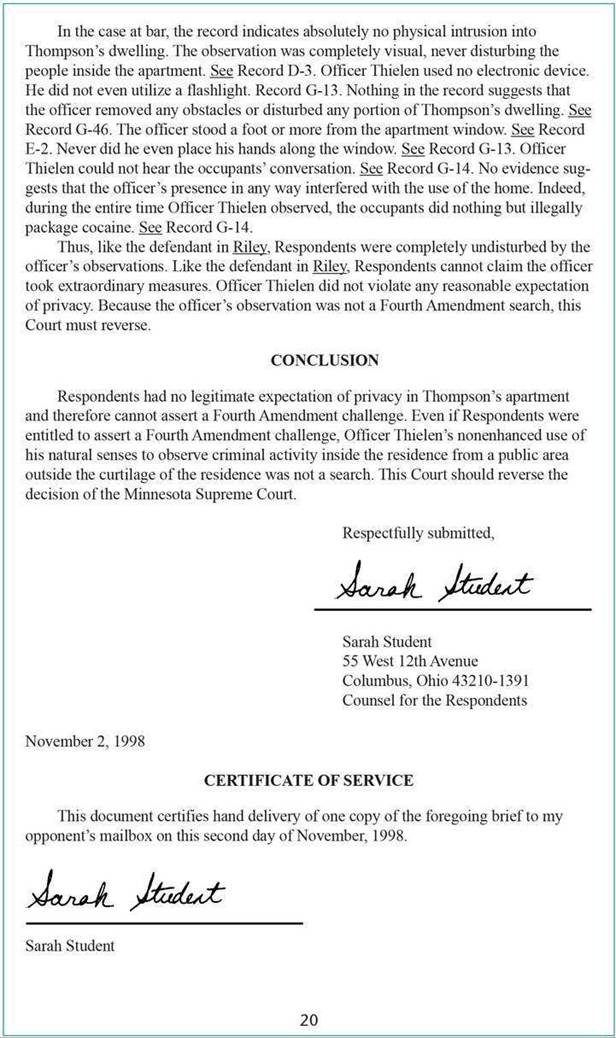
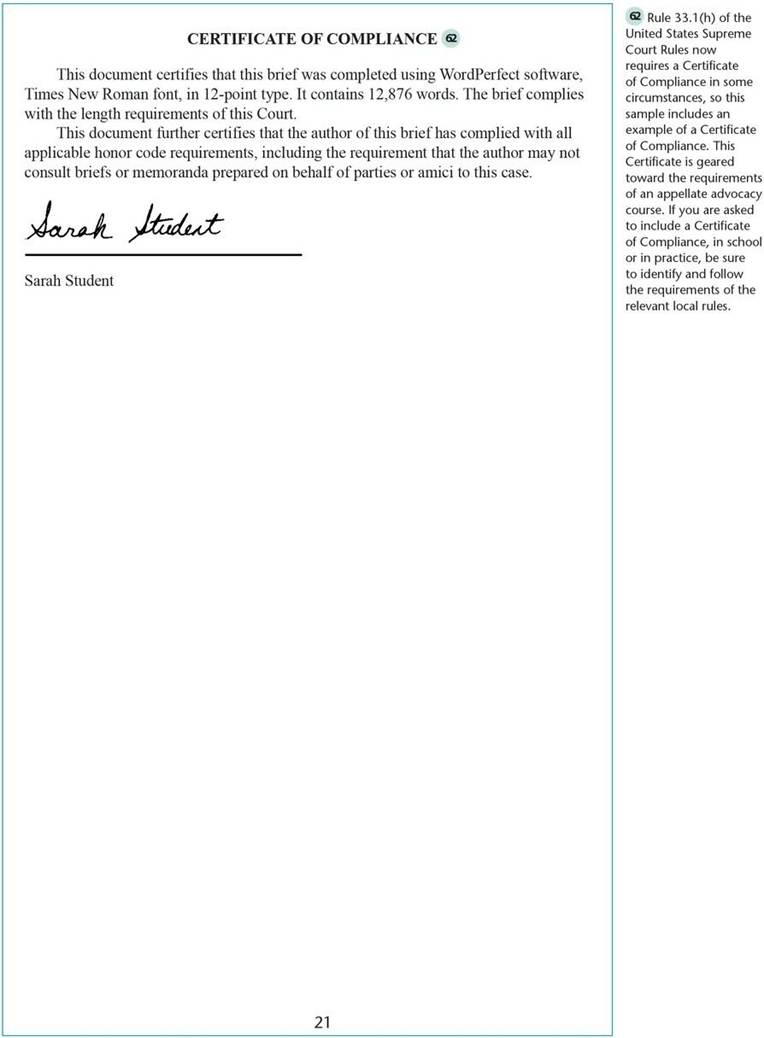
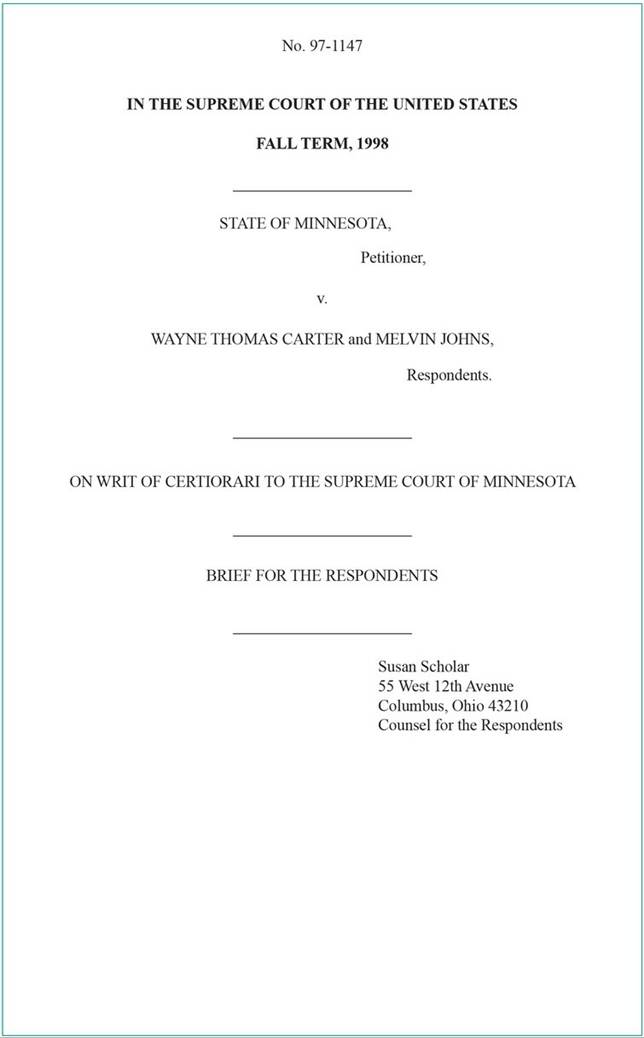
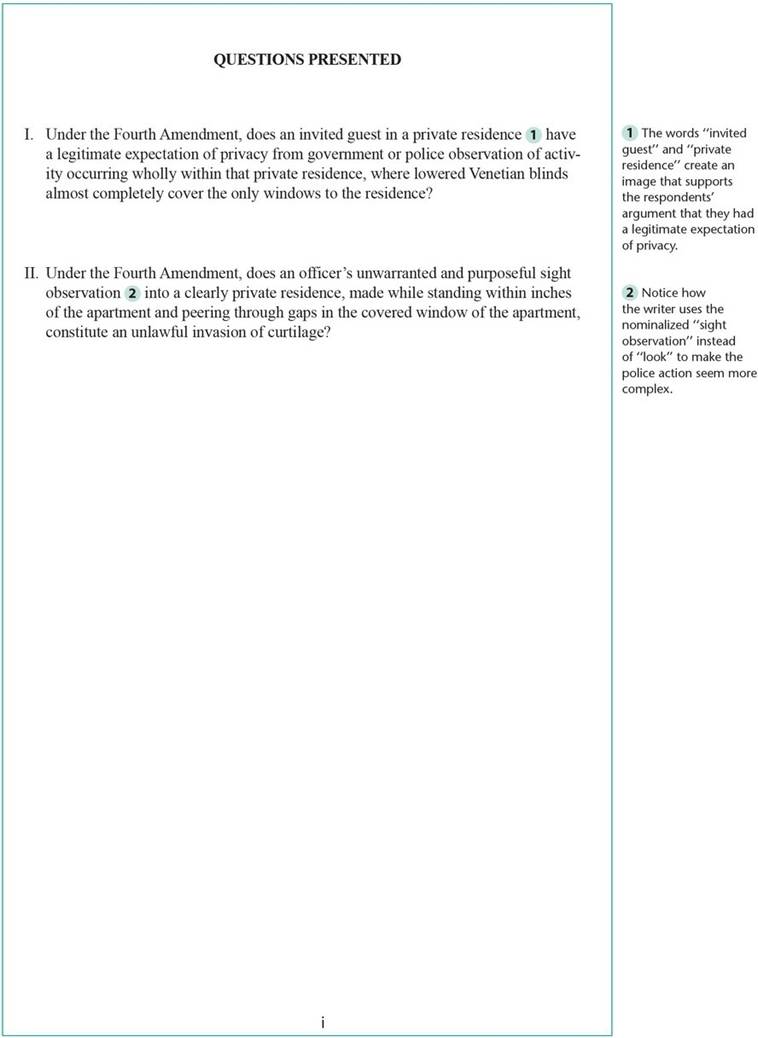
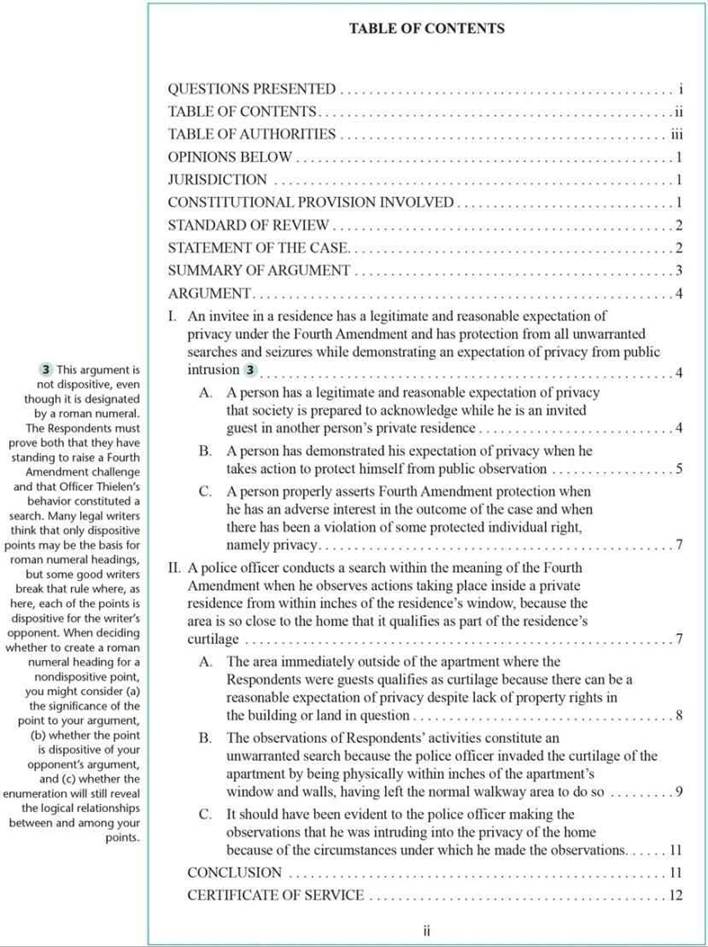
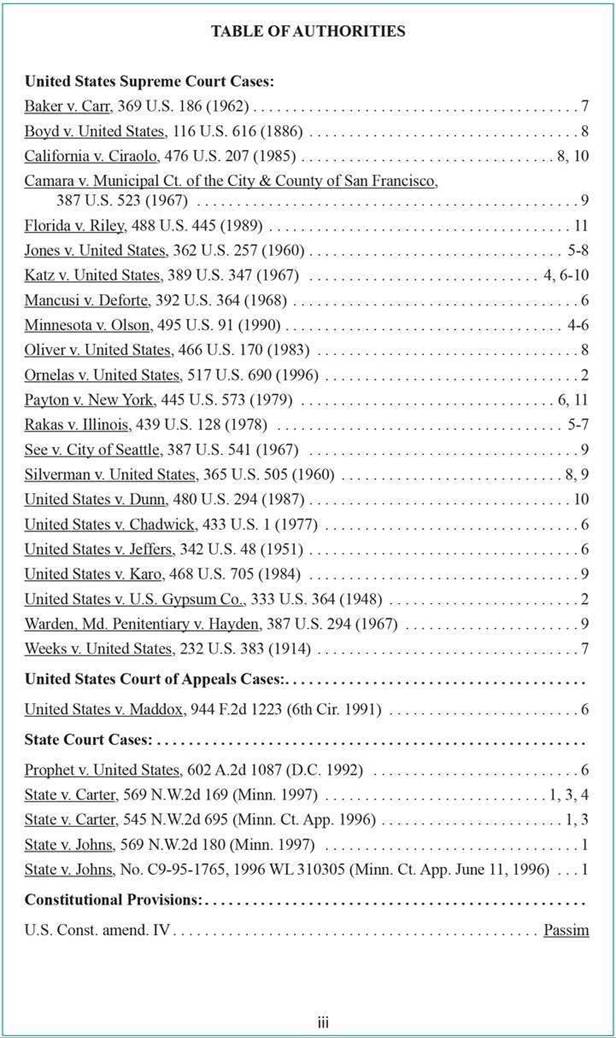
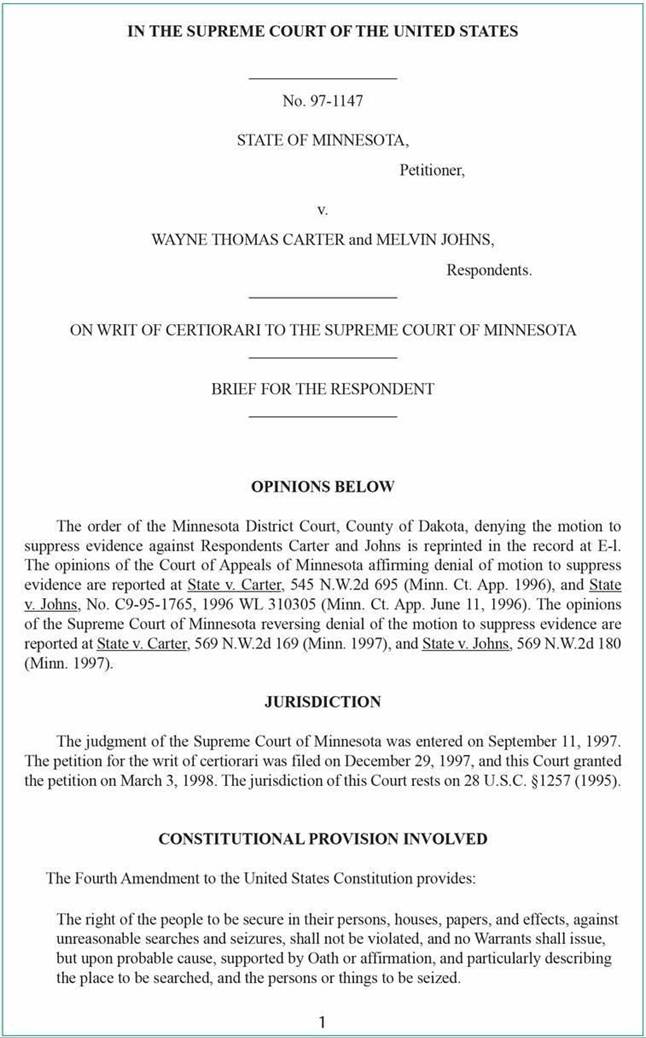
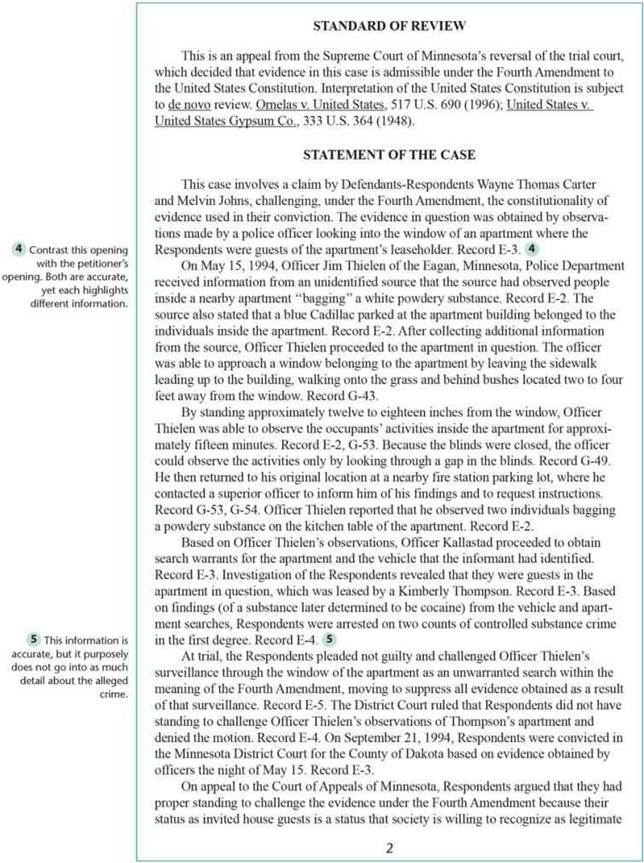
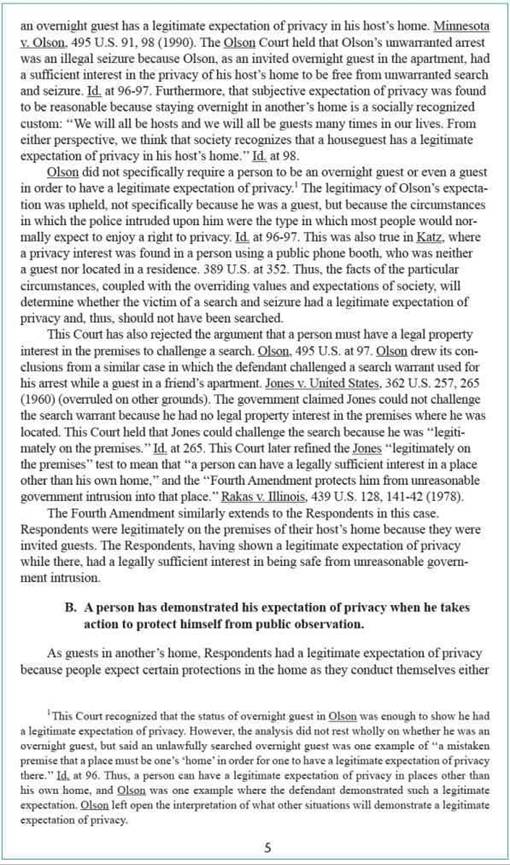
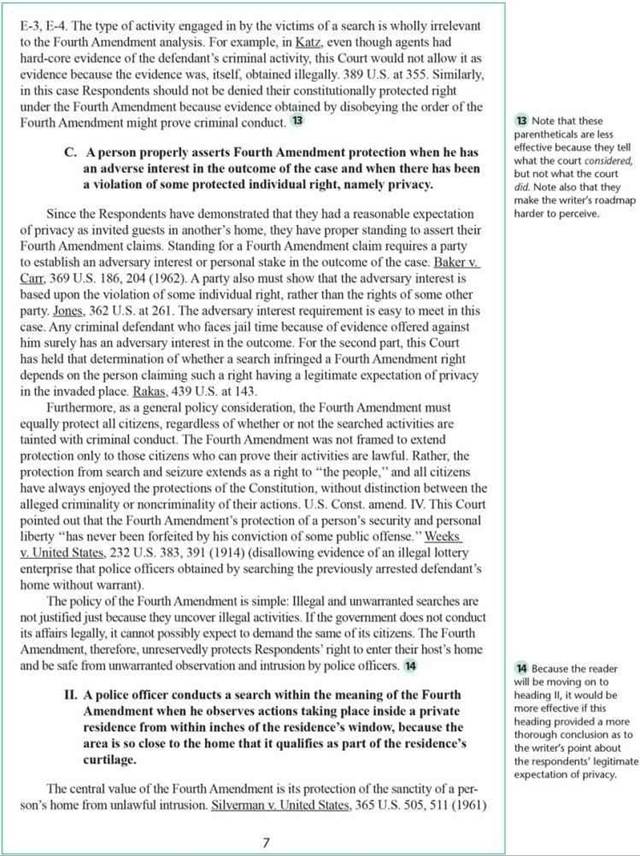
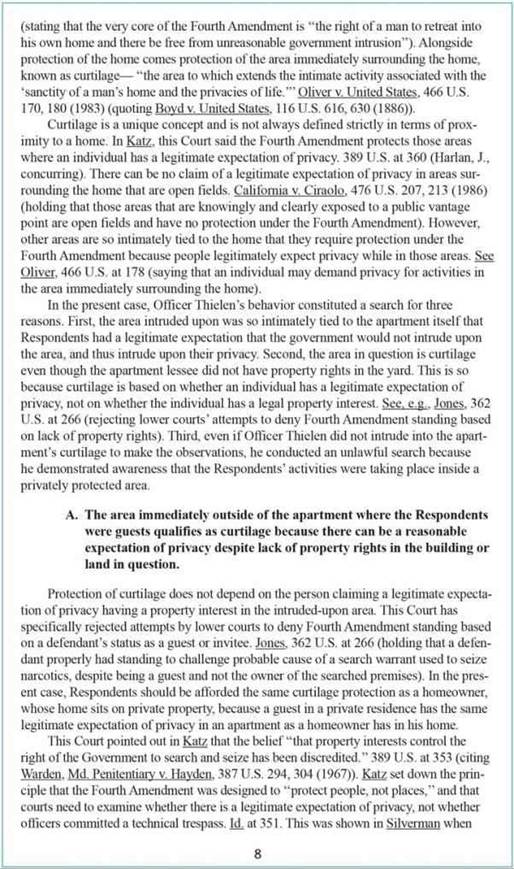
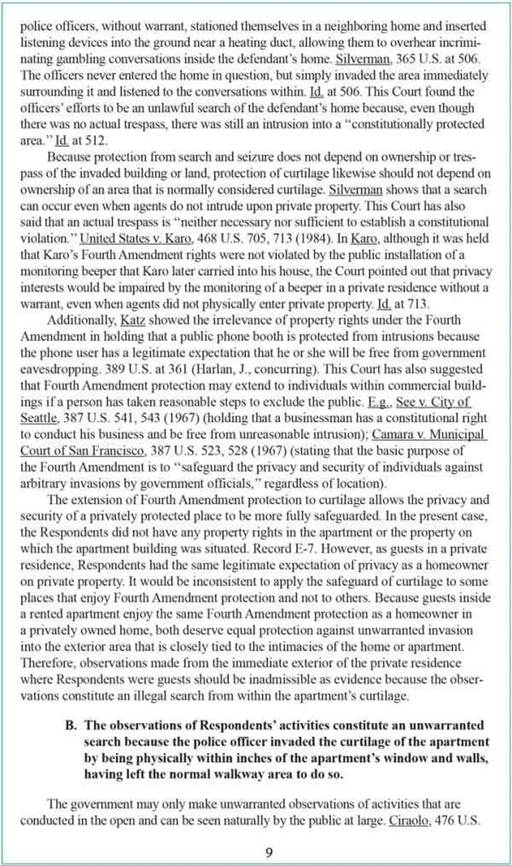
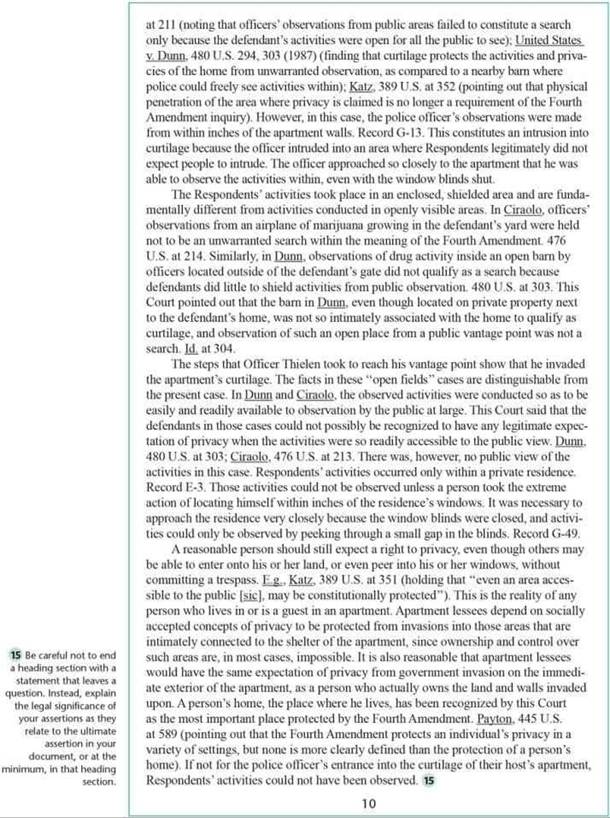
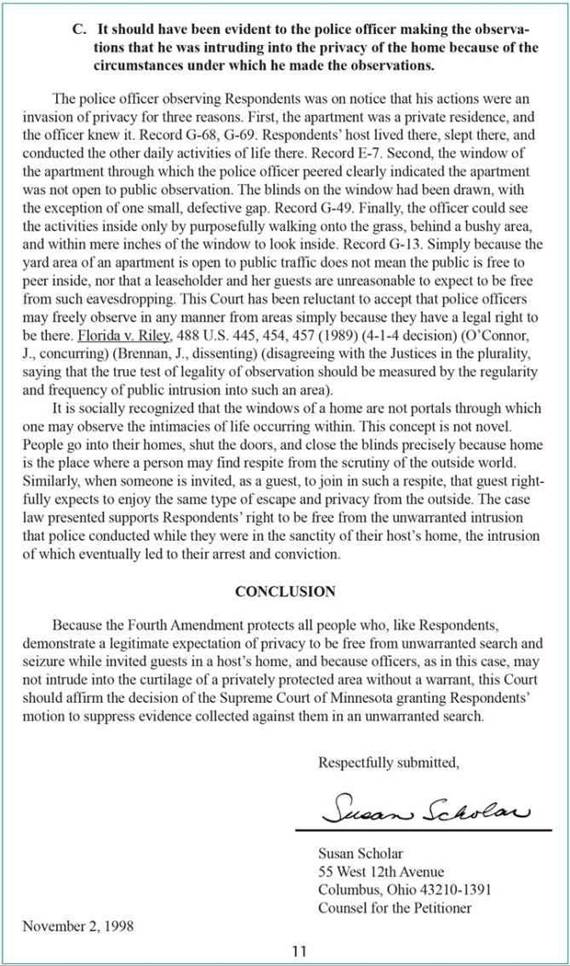

1 This Court recognized that the status of overnight guest in Olson was enough to show he had a legitimate expectation of privacy. However, the analysis did not rest wholly on whether he was an overnight guest, but said an unlawfully searched overnight guest was one example of ‘‘a mistaken premise that a place must be one’s ‘home’ in order for one to have a legitimate expectation of privacy there.’’ Id.
at 96. Thus, a person can have a legitimate expectation of privacy in places other than his own home, and Olson was one example where the defendant demonstrated such a legitimate expectation. Olson left open the interpretation of what other situations will demonstrate a legitimate expectation of privacy.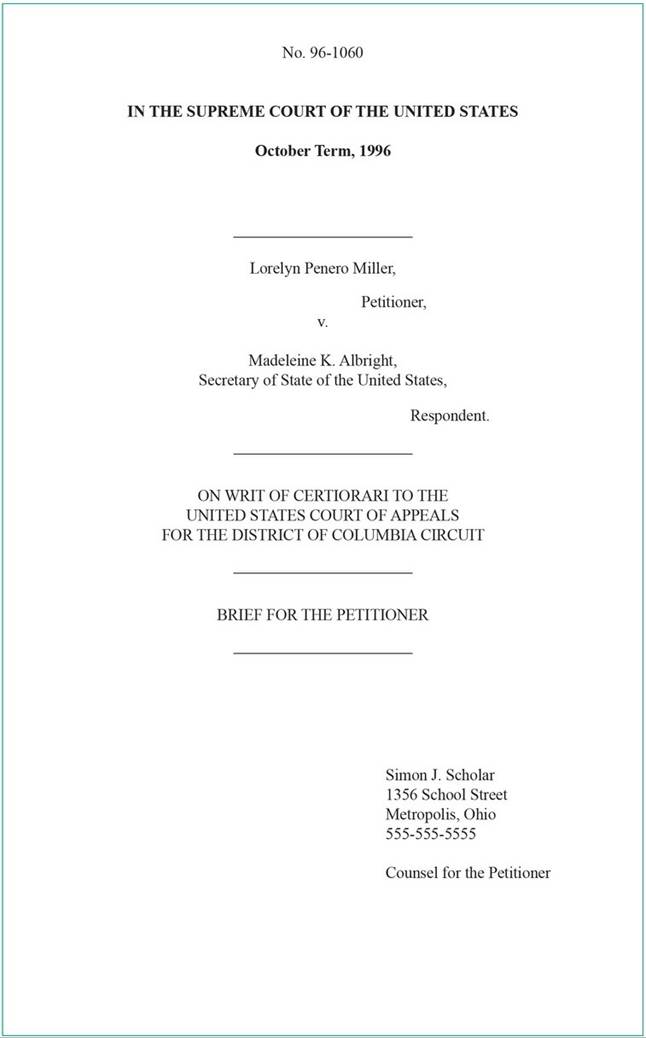

 alt=00006.jpg>
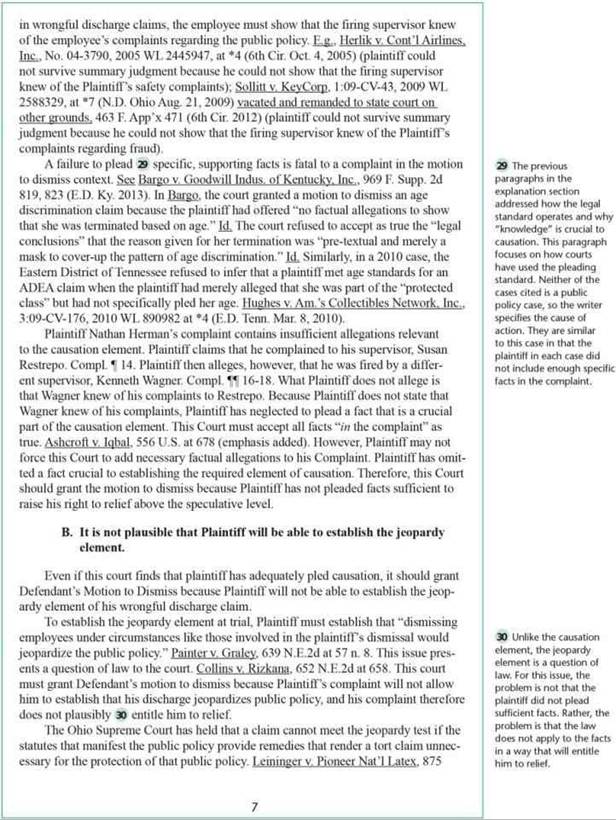
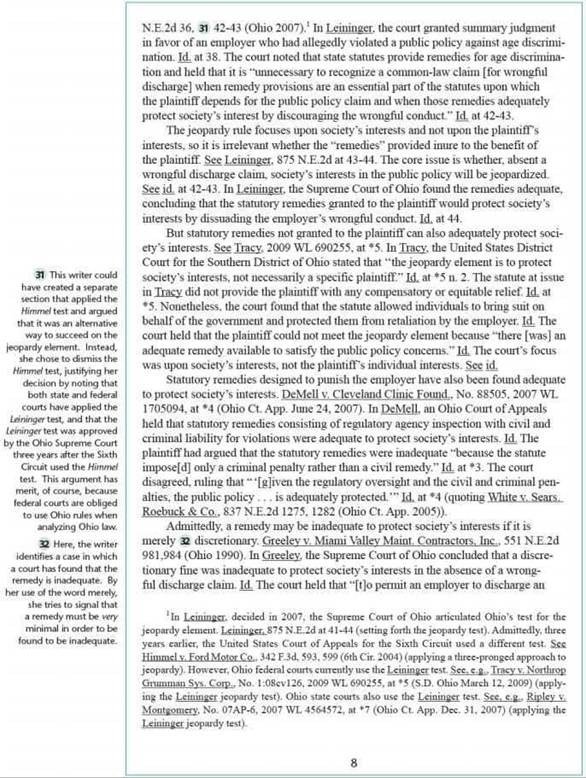
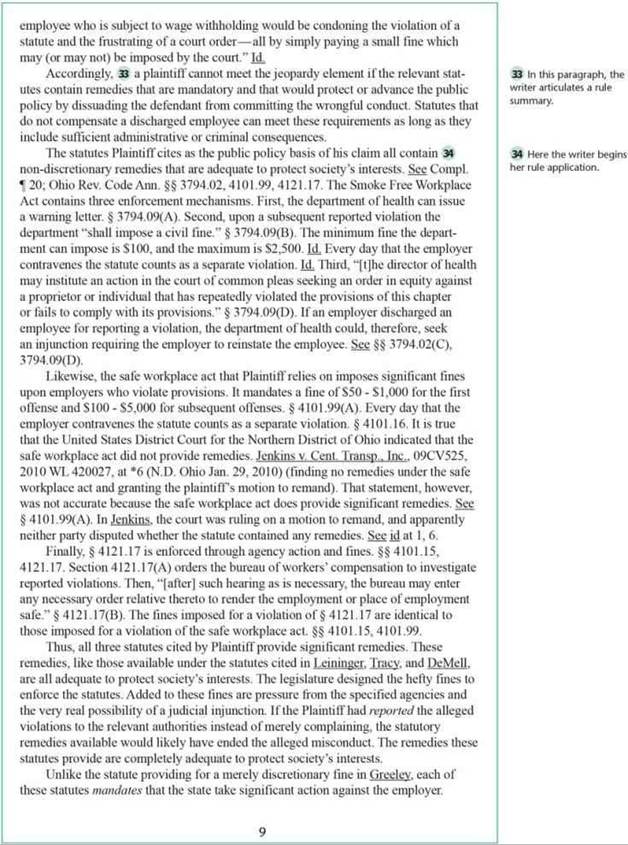
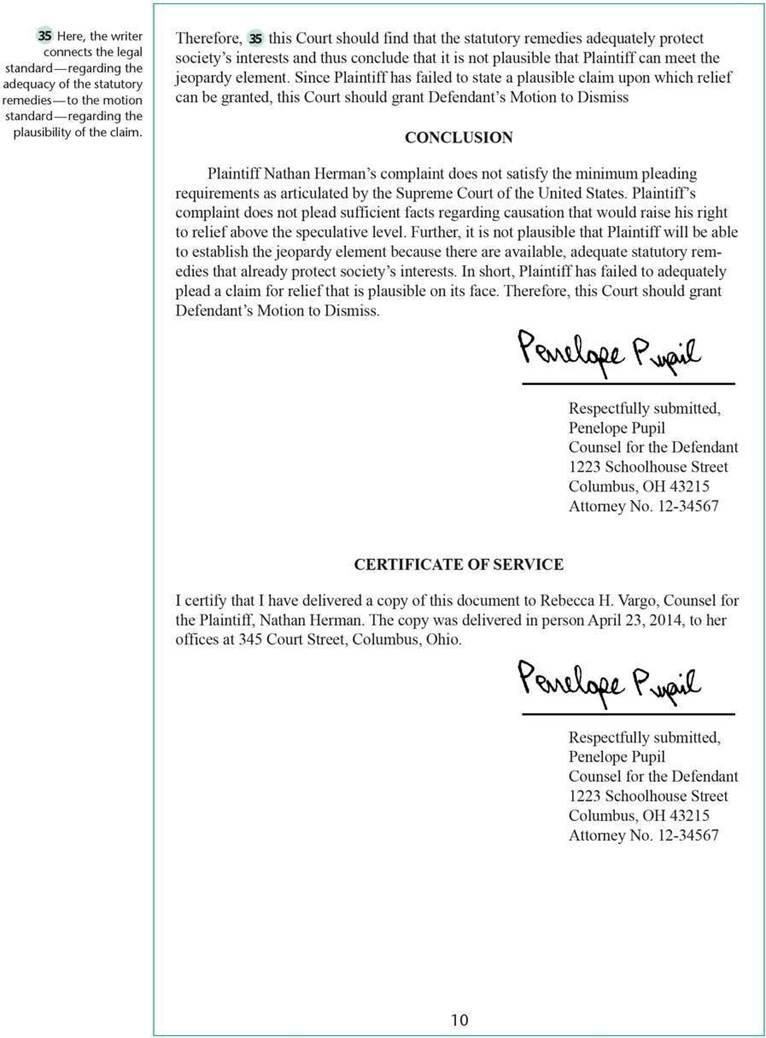
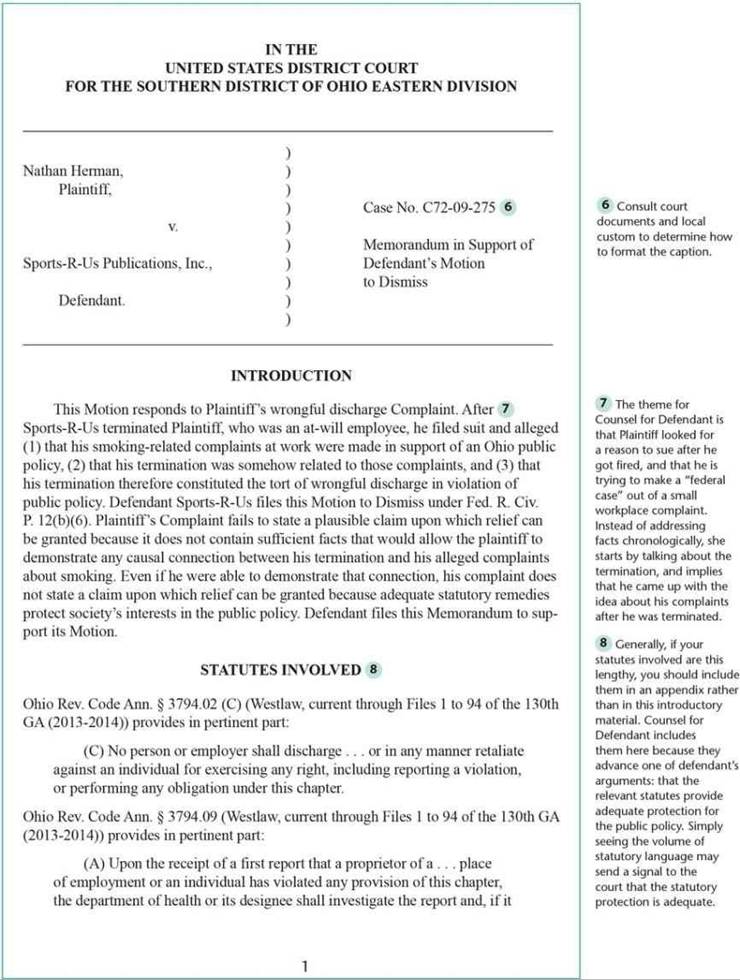
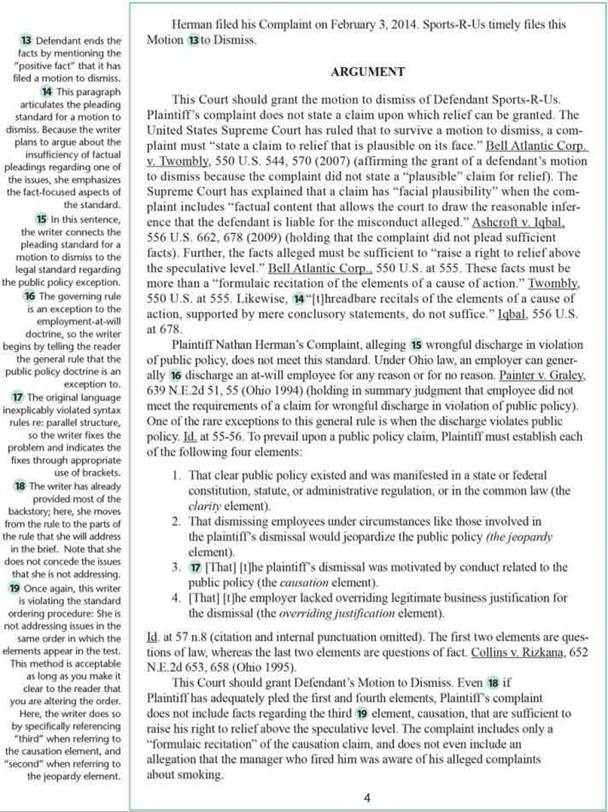
1 In Leininger, decided in 2007, the Supreme Court of Ohio articulated Ohio’s test for the jeopardy element.
Leininger, 875 N.E.2d at 41-44 (setting forth the jeopardy test). Admittedly, three years earlier, the United States Court of Appeals for the Sixth Circuit used a different test. See Himmel v. Ford Motor Co., 342 F.3d, 593, 599 (6th Cir. 2004) (applying a three-pronged approach to jeopardy). However, Ohio federal courts currently use the Leininger test. See, e.g., Tracy v. Northrop Grumman Sys. Corp., No. 1:08cv126, 2009 WL 690255, at *5 (S.D. Ohio March 12, 2009) (applying the Leininger jeopardy test). Ohio state courts also use the Leininger test. See, e.g., Ripley v. Montgomery, No. 07AP-6, 2007 WL 4564572, at *7 (Ohio Ct. App. Dec. 31, 2007) (applying the Leininger jeopardy test).