Defendant's Good Character
In the seminal conjoined appeal cases of R v Vye; R v Wise; R vStephenson [1993] 97 Cr App R 134 the Court of Appeal held that where a defendant has a good character and relies upon exculpatory statements made in or out of court, he/she is entitled to a good
character direction that has two limbs.
The first is known as the ‘credibility limb' which allows the jury to take the lack of previous convictions into account when assessing whether they believe the defendant’s evidence. However, the defendant must have given evidence either directly at trial or in a pre-trial statement of some kind. The second limb is known as the ‘propensity limb’ which allows the jury to take into account the defendant’s lack of previous convictions when deciding whether he/she has the propensity to commit the offence for which they are charged. The propensity limb can be given regardless of whether a defendant has testified or made a pre-trial statement.It is important that the judge directs the jury as to the way in which it might treat the fact that the defendant has no previous convictions. However, the judge must also remind the jury that good character is not a defence and it is for the jury to decide how much weight to give to its importance (if at any).
Following the case of Vye, a number of subsequent cases appeared to confuse when a Vye direction could be given and if it could be given when there were no previous convictions but there was evidence of reprehensible behaviour (which would still be classed as bad character evidence under s. 98 of the CJA 2003). Or indeed whether minor convictions could be overlooked and the Vye direction given. There was a danger of the judge giving conflicting directions to the jury about the same defendant where the weight of bad character evidence suggested propensity and the weight of good character evidence suggested a lack of propensity. This could as Lord Steyn noted in R vAziz [1996] AC 41 lead to “absurdity”. It was left to the Court of Appeal in R v Hunter and Others [2015] EWCA Crim 631 to give some clear guidance on the different ways in which it might be possible to give a Vye direction to the jury and this is set out in the two flow diagrams (Figures 5.1 and 5.2).
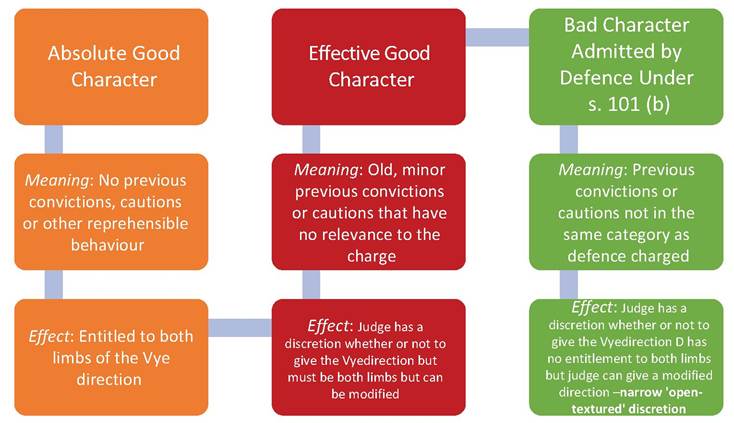
Figure 5.1 Hunter Good Character Guidance.
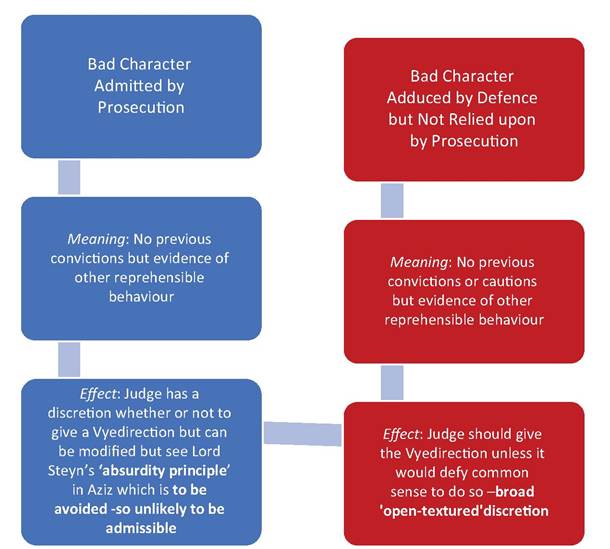
Figure 5.2 Hunter Good Character Guidance Contd.