Conclusions: Demons and Illness
In ancient Mesopotamia, demons are one of the main causes of suffering. Not properly gods, they belong to a primordial and chaotic phase of creation that results in an incomplete state in comparison with the gods of the pantheon.
Composite or absent, their body is not defined. Lacking autonomy and an independent will, demons are subject to the gods. Uncontrolled, chaotic, and destructive powers of “nature”, demons may be subdued and thus controlled for private purposes. While this is a prerogative of the gods, human beings may direct demonic forces through rituals as well.However, the relation between humankind and demons is that of a constant harming menace. Demons attack human beings and lead them to death through diseases. Their body as well as their behaviour is constructed on the functions they are appointed to in the religious system and express the idea of viciousness and fierceness. The animal parts that constitute the demon's composite body are powerful symbols and metaphors of their wild, aggressive, chaotic, and dangerous nature. Conversely, their aerial features are expressions of elusiveness, inconsistency, invisibility, and a capacity to penetrate closed protected places, as well as the body openings of the victim. Lurking in silent darkness and isolated places, demons wait to engage their target. Once contact is established, the demonic attack results in the imagery of a physical struggle that ends with the seizure of the victim, who is immobilized like a prisoner and ordained to death.
All the features that characterise demons in ancient Mesopotamia are expressions of the human idea and perception of suffering. In fact, the distress and illness that afflicts humankind undergo a process of personification that is widespread and productive even nowadays. In other words, we can say that this is a means to build, to describe, and to conceive the unseen. The concepts of harm and danger can be personified as vicious beings, mainly demons or demonized creatures (both human and animal), through processes of symbolization well known from other studies of the so-called “magical thought”. The demonic iconography is still a powerful metaphor of suffering in popular culture as well as in the semiotic of advertising and mass communication.[176]
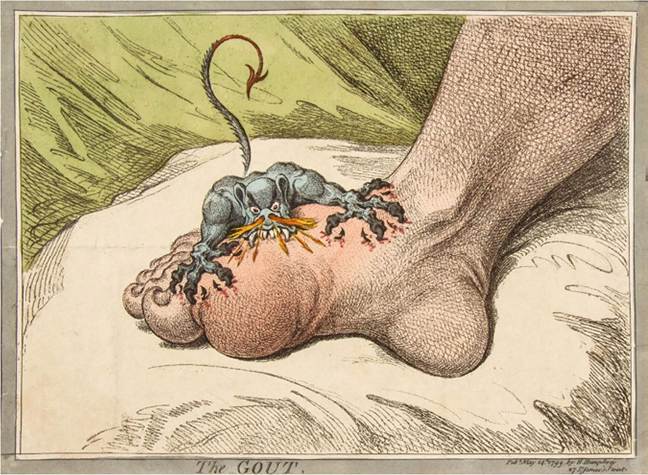
figure 5.3 “The Gout”by James Gillray (publishedMay 14,1799;public domain).
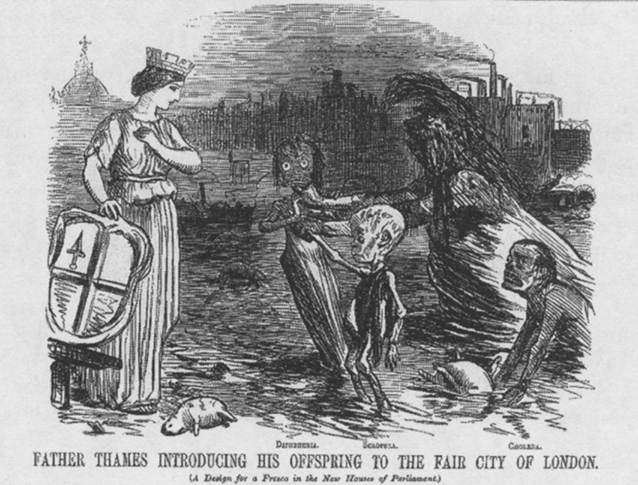
figure 5.4 “Father Thames Introducing His Offspring to the Fair City of London”by John Leech (published in Punch 35:5,1858; public domain).