Elusive divinities: images with no name
In contrast to Indo-European Hispania, with few exceptions the names of the gods worshipped by the Iberian peoples of the coastal regions are not known, probably because religious acculturation had taken place for centuries and the names of the divine personae were expressed through Punic and Phoenician names (or the Graeco-Roman ones under which the Semitic deities were assimilated).
One example of such assimilation is in Torreparedones, Jaen. There,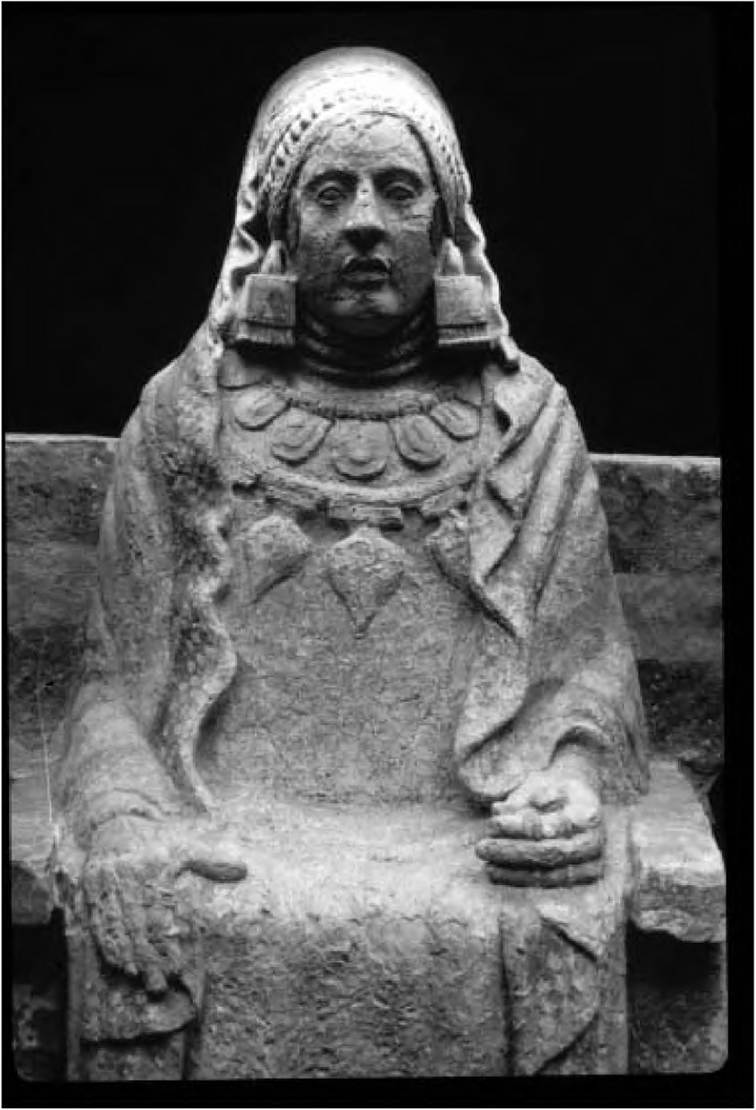
Figure 14.3 The Lady of Baza (Granada). Museo Arqueologico Nacional de Madrid, inv. no. 1969/68/155/123A. Photo © Marc LIimargas, reproduced with permission.
Perhaps the most interesting of divine iconographies is that of a woman holding her suckling child. Such images were known in Cyprus in the first millennium BCE and were documented in a bronze from the Fundacion Gomez- Moreno in Granada, in some seated statuettes from Alicante and Murcia, and especially in a terracotta group from the sanctuary of La Serreta in Alcoy (Alicante) dating from the third or second century BCE. Ricardo Olmos Romera (2000-2001) has suggested that the image represents a regional feast where the mothers of the area presented their children to the goddess, an event similar to scenes documented in Locri (southern Italy) and Greece.
Masculine divine iconography seemed to have undergone a process that evolved from the typical eastern dynastic-style smiting-god to more “popular” forms in which the indigenous deity resembled the Punic Baal-Hammon in southern regions, Liber Pater in the north-east, and finally the Hellenic Herakles (Moneo 2003). There are about ten examples of representations of the despotes hippon, the “horse taming” god originally from the Aegean, which have been found from Villaricos (Almeria) to Saguntum (Valencia) (Fig. 14.4). Some votive pieces depicting horses are associated with that deity, such as the ones found in El Cigarralejo (Murcia) and Pinos Puente (Granada), as are the Iberian coins from the Ebro valley, which show the typical rider brandishing a spear or palm, a divinity or mythical ancestor that illustrates the values of the equestrian elites.
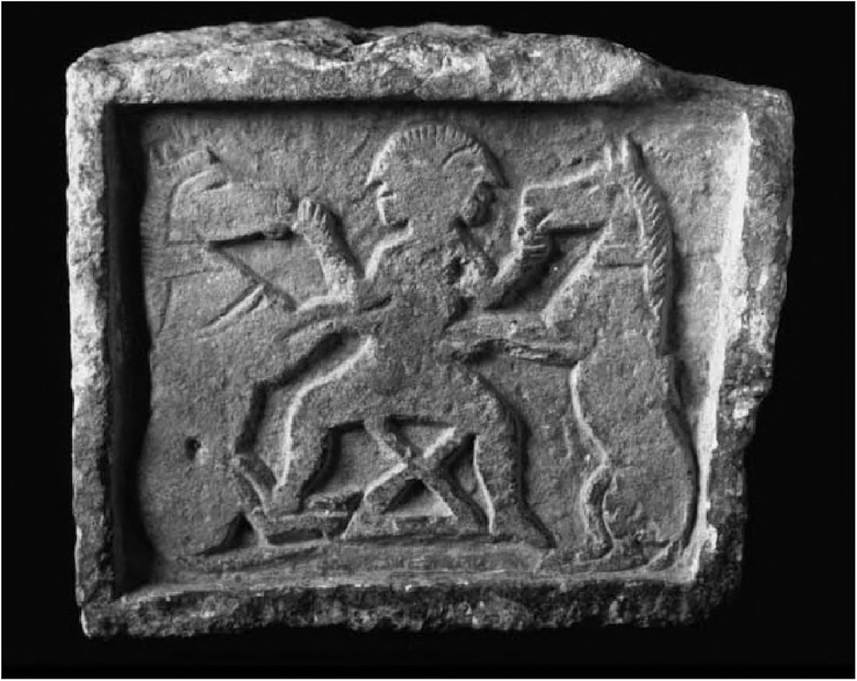
Figure 14.4 “Horse taming god” from Villaricos (Almeria). Photo: Museu d’Arqueologia de Catalunya, reproduced with permission.
Some scenes are interpreted in a mythical key. Such is the case of the farmer with a team of oxen depicted in a vase from Cabezo de La Guardia in Alcorisa (Teruel), probably a representation of the god or mythic ancestor who taught men to plough.