Hypertonia Management
Hypertonicity affects the majority of children with CP (109,110). It may occur focally in distinct muscle groups, as is often the case in diparesis or hemiparesis, or more globally, affecting the majority of axial and appendicular skeletal muscles.
Hypertonicity can result in a number of negative effects. It can interfere with positioning, contribute to the formation of contractures and musculoskeletal deformities, and be a source of discomfort. It can also negatively affect function and make caregiver tasks, such as transfers and dressing, more difficult. Increased tone can sometimes assist with function. For example, increased extensor tone in the lower extremities may assist with standing and transfers.A wide variety of treatment options for hypertonicity are available, including oral medications, nerve blocks, and surgery. Determining whether abnormal tone is present globally or focally and the magnitude of its effect on an individual’s musculoskeletal system, function, and comfort should guide one’s treatment plan. The specific goals of tone reduction should always be determined prior to any intervention. The first-line approach should always include stretching, splinting, and positioning as appropriate. Other medical or surgical interventions can be can be used in conjunction with these when further reduction in abnormal tone is desired.
Chemical Denervation
Chemical denervation should be considered for the treatment of significant focal increases in tone.
Alcohol Blocks. Alcohol nerve and motor point blocks have been used for many years to reduce focal increases in tone. Phenol injections, at 3% to 5% solutions, either at motor points of selected muscles or perineurally, denature proteins and disrupt efferent signals from hyperexcitable anterior horn cells by inducing necrosis of axons (111—113). Alcohol blocks have the potential to cause painful dysesthesias (113).
Nerves that are more commonly treated with phenol include the musculocutaneous and obturator nerves, given the reduced sensory function of these nerves and the lower risk for dysesthesias. The low cost of phenol, coupled with reports of duration of action exceeding 12 months (114), render phenol injections an attractive treatment option in selected patients with focal spasticity (111). They are frequently done under general anesthesia, however, adding additional risks and costs.Botulinum Neurotoxin (BoNT). BoNT is a protein composed of a heavy chain, which binds nerve terminals at the neuromuscular junction, and a light chain, which is transported into the nerve terminal blocking the release of acetylcholine presynaptically and thereby weakening the force of muscle contraction produced by the hyperexcitable motor neurons. BoNT exists in seven serotypes, designated A through G. Serotypes A and B are approved by the Food and Drug Administration (FDA) for the treatment of dystonia in adults. The FDA has not approved BoNT for the treatment of spasticity in children. BoNT-A is marketed as Botox in the United States and Dysport in Europe. BoNT-B is marketed as Myobloc.
Muscles commonly treated with BoNT include the gastrocsoleus complex, hamstrings, hip adductors, and flexor synergy muscles of the upper extremity. Intramuscular injections can be localized by surface landmarks, electromyographic guidance, and/or ultrasound. Following injection, muscle relaxation is evident within 48 to 72 hours and persists for a period of 3 to 6 months (115). Dosing is based on units derived from the mouse lethality assay and is not equivalent among the various brands. It is dependent upon both body weight and size of the target muscle(s). Universally accepted dosing guidelines do not exist, but a consensus statement (116) and systematic reviews (117,118) of dosing and injection techniques are available for guidance. Injections are typically spaced a minimum of three months apart due to concerns of antibody formation in an estimated 5% of patients, resulting in potential resistance (111,119).
Many studies in the literature describe the effects of BoNT-A in children with CP. A systematic review of the literature summarized 17 controlled trials (120). The literature supports improvement in gait over the one to three months following injections into the gastrocnemius muscles for spastic equinus (121-125). Two small open-label studies found modest improvements in either gait kinematics or muscle length following injection into the hamstrings (126,127). Several small trials evaluating the effectiveness of casting of the ankle in addition to BoNT-A failed to show any additional benefit (128-130). Injections into the hip adductors resulted in improved range of motion (131) and decreased postoperative pain in children undergoing adductor lengthenings (132) in two RCTs. Two small RCTs addressing the use of BoNT-A in the upper extremities described modest improvements in tone and ROM, without a significant change in function. The authors of the review concluded that more research needs to be done to determine the optimal choice of muscles, the most appropriate dose and number of injection sites, the safety of repeated and long-term injections, and the risk of development of secondary resistance to BoNT due to antibody formation (120).
Side effects are rare with BoNT, but may include pain during injection, infection, bleeding, a cool feeling in injected limbs, rash, allergic reaction, flulike symptoms, excessive weakness, and fatigue (123,133,134). Reports of serious or potentially life-threatening side effects from BoNT are extremely rare. The FDA issued a statement on February 8, 2008, identifying cases of respiratory failure and mortality in children with CP linked to injection with botulinum toxin serotypes A and B (135). The FDA stated that “posting the information does not mean [the] FDA has concluded that there is a causal relationship between the drug products and the emerging safety issue (135).” In addition, rare cases of serious systemic effects have been reported in the literature in children receiving higher doses of BoNT (136,137).
Caution is recommended when injecting children with pseudobulbar palsy.Oral Medications
Oral medications are often used as an early treatment strategy for global spasticity. Medications that are most frequently used include baclofen (Lioresal), dantrolene sodium (Dantrium), clonidine, diazepam (Valium), and tizanidine (Zanaflex). All of these medications work through the central nervous system, with the exception of dantrolene sodium and, therefore, have the potential for sedation (Table 8.2). None of these
medications have been found to be universally effective in relieving spasticity (138), and evidence related to functional improvement is extremely sparse. The choice of medications is, therefore, often based on the impact of potential side effects on the individual patient.
8.2
Medications Used to Treat Spasticity in Children
| DRUG | MECHANISM OF ACTION | SIDE EFFECTS AND PRECAUTIONS | PHARMACOLOGY AND DOSING |
| Baclofen | Binds to receptors (GABA) in the spinal cord to inhibit reflexes that lead to increased tone Also binds to receptors in the brain leading to sedation | Sedation, confusion, nausea, dizziness, muscle weakness, hypotonia, ataxia, and paresthesias Can cause loss of seizure control Withdrawal can produce seizures, rebound hypertonia, fever, and death | Rapidly absorbed after oral dosing, mean half-life of 3.5h Excreted mainly through the kidney Dosing: in children start 2.5-5 mg/d, increase to 30 mg/d (in children 2-7 years of age) or 60 mg/d (in children 8 years of age and older) |
| Diazepam | Facilitates post-synaptic binding of a neurotransmitter (GABA) in the brain stem, reticular formation and spinal cord to inhibit reflexes that lead to increased tone | Central nervous system depression causing sedation, decreased motor coordination, impaired attention and memory Overdoses and withdrawal both occur The sedative effect generally limits use to severely involved children | Well absorbed after oral dosing, mean half-life 20-80 h Metabolized mainly in the liver In children, doses range from 0.12-0.8 mg/kg/d in divided doses |
| Clonidine | Alpha2-agonist. Acts in both the brain and spinal cord to enhance presynaptic inhibition of reflexes that lead to increased tone. | Bradycardia, hypotension, dry mouth, drowsiness, dizziness, constipation, and depression These side effects are common and cause half of patients to discontinue the medication | Well absorbed after oral dosing, mean half-life is 5-19 h Half is metabolized in liver and half is excreted by kidney Start with 0.05 mg bid, titrate up until side effects limit tolerance May use patch |
| Tizanidine | Alpha2-agonist Acts in both the brain and spinal cord to enhance presynaptic inhibition of reflexes that lead to increased tone | Dry mouth, sedation, dizziness, visual hallucinations, elevated liver enzymes, insomnia, and muscle weakness | Well absorbed after oral dosing, halflife 2.5 h Extensive first pass metabolism in liver Start with 2 mg at bedtime and increase until side effects limit tolerance, maximum 36 mg/d |
| Dantrolene sodium | Works directly on the muscle to decrease muscle force produced during contraction Little effect on smooth and cardiac muscles | Most important side effects is hepatotoxicity (2%), which may be severe Liver function tests must be monitored monthly, initially, and then several times per year Other side effects are mild sedation, dizziness, diarrhea, and paresthesias | Oral dose is approximately 70% absorbed in small intestine, half-life is 15 hours Mostly metabolized in the liver Pediatric doses range from 0.5 mg/ kg, bid, up to a maximum of 3 mg/ kg, qid |
Source: Reprinted from Physical Medicine and Rehabilitation Clinics of North America, Volume 18, LB Green and EA Hurvitz, pages 866-867, copyright 2007, with permission from Elsevier.
Benzodiazepines.
Benzodiazepines have an inhibitory effect at both the spinal cord and supraspinal levels mediated through binding near but not at the gamma-aminobutyric acid (GABA) receptors and increasing the affinity of GABA for GABAA receptors (139). Diazepam is the most frequently used benzodiazepine and oldest antispasticity medication that is still in use (140), but like other oral medications in CP, its effectiveness has not been well evaluated. It is rapidly absorbed, reaching peak drug levels an hour after drug administration. The positive effect of diazepam may be related to general relaxation that permits improvements, especially in those individuals with athetosis and spasticity (141,142).Baclofen. Baclofen is a GABA analogue that acts at the spinal cord level to impede the release of excitatory neurotransmitters implicated in causing spasticity
(143). Low lipid solubility impedes passage through the blood-brain barrier with more than 90% of the absorbed drug remaining in the systemic circulation
(144). As a result, large doses may be necessary to achieve an effect, which may result in dose-related side effects such as drowsiness. Very few studies have been published regarding the use of oral baclofen in CP. Two small double-blind, placebo-controlled, crossover trials produced differing conclusions regarding the effectiveness of baclofen in reducing spasticity, but neither employed validated outcome measures (145,146). Additional studies assessed the effect of oral baclofen for reduction of spasticity and improved function in small numbers of subjects with moderate to severe spasticity. One study showed possible deleterious effects on motor function (117), while the other demonstrated no difference with placebo except in goal attainment (147).
Dantrolene Sodium. Dantrolene sodium is unique in that it works primarily through actions on the skeletal muscle and not through central nervous system pathways. It inhibits the release of calcium from the sarcoplasmic reticulum, thereby uncoupling electrical excitation from muscle contraction and reducing contraction intensity. It is well absorbed within three to six hours after ingestion and is metabolized in the liver to 5-hydroxydantrolene, with peak effect in four to eight hours (148). Doses in children range up to 12 mg/kg/day (142). It is often suggested that dantrolene be considered for the treatment of spasticity of cerebral origin because its mode of action is not central nervous system-mediated and it is less likely to be sedating (140,142,149). Side effects from treatment, however, can include mild sedation as well as nausea, vomiting, and diarrhea. Use of dantrolene is also associated with hepatotoxicity (148,150). Liver function studies should be done prior to instituting treatment and periodically while on maintenance therapy (140). There are a few published trials of Dantrium in CP. One report of long-term use of dantrolene in children with spastic diparesis indicated that young children achieved greater levels of function than predicted prior to dantrolene administration and older children were able to move more easily and maintain their highest level of function (151).
Additional oral medications used to treat spasticity in children with CP include alpha2-adrenergic agonists, such as clonidine and tizanidine, as well as certain anticonvulsants, including gabapentin (Neurontin). The alpha2-adrenergic agonists result in decreased motoneuron excitability by decreasing the release of excitatory amino acids (150). The side effects associated with these agents are frequently the cause of their more limited use and include nausea, vomiting, hypotension, sedation, dry mouth, and hepatotoxicity. In addition, reversible liver enzyme elevations have been noted in 2% to 5% of patients (140). Gabapentin is structurally similar to GABA, readily crosses the blood-brain barrier, and is not protein-bound. It does not activate GABA, but results in increased brain levels of it (140). Reports of its use in children with spasticity are not available as of yet.
Intrathecal Baclofen (ITB)
ITB was first described by Penn and associates in 1984 and was FDA-approved for the treatment of spasticity of cerebral origin in 1996. Baclofen is delivered directly to the cerebrospinal fluid via a catheter connected to an implanted device in the abdomen. The device contains a peristaltic pump, a battery with an operational life of four to seven years, a reservoir for baclofen, and electronic controls that permit regulation of the pump by telemetry (143) (Fig. 8.12). This feature allows baclofen infusion rates to be either continuous throughout the
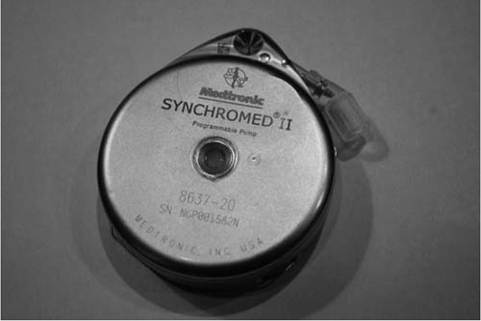
Figure 8.12 Synchromed II programmable pump.
day or at varied dosages in order to accommodate the patient's specific needs. By infusing baclofen directly into the subarachnoid space around the spinal cord, potentiation of GABA-mediated inhibition of spasticity can be achieved while minimizing side effects related to high levels of baclofen in the brain (111). Administration of intrathecal baclofen produces levels of baclofen in the lumbar cerebrospinal fluid that are 30-fold higher than those attained with oral administration (111). The half-life of intrathecal baclofen in the cerebrospinal fluid is five hours (152).
Candidates for ITB have severe, generalized tone that has not been successfully managed with oral medications and other more conservative measures. The increased tone must have a significant effect on function, ease of care, or comfort. Intrathecal pumps can be implanted in children generally greater than 15 kg in body weight (111,153). Prior to surgical implantation, a test dose of 50-100 μg of intrathecal baclofen is typically given, via lumbar puncture, to verify a reduction in tone. Occasionally, a repeat test dose at a higher dose is necessary if results are inconclusive.
Once implanted, the intrathecal pump is typically programmed to deliver baclofen at a continuous rate, typically at a daily dose similar to the dose given during the trial. The dose is not related to age or weight (152), and intrathecal baclofen dosages typically increase over the first year of treatment and then stabilize (143). Refills of intrathecal baclofen are generally needed every one to six months, depending on baclofen infusion dosage, the size of the pump, and the concentration of the baclofen being used.
Complications from ITB can result from programming error, pump failure, catheter failure, and infection. The majority of these problems involve breakage or disconnection of the catheter, but can also include blockage and kinking (140,154). The most common postoperative complications are pump pocket collections and infections (111). Infection may remain isolated to the pump pocket or may track along the catheter, resulting in meningitis (152,154). Pumps have also been reported to flip, requiring either manual flipping to allow refill or surgical correction of the problem (140).
Catheter or pump dysfunction can result in decreased baclofen delivery and baclofen withdrawal. Intrathecal baclofen withdrawal can also be seen in cases of battery failure without low battery alarm warning (140). Early symptoms of withdrawal include pruritis, dysphoria, irritability, increased spasticity, tachycardia, fever, and changes in blood pressure (155). If not recognized and managed optimally, baclofen withdrawal may progress to serious and life-threatening complications, including severe hyperthermia, seizures, rhabdomyolysis, disseminated intravascular coagulation, altered mental status, psychomotor agitation followed by multisystem failure, and death (156,157). Immediate treatment with high-dose oral baclofen and referral to an emergency room setting is recommended in these scenarios. Investigations into the causes for withdrawal should then ensue, including plain radiographs to assess pump and catheter placement in comparison to previous radiographs. Further studies may include dye or isotope studies to assess for catheter placement, leakage, and kinking.
Treatment for withdrawal can include any combination of oral baclofen, intravenous diazepam, or infusion of intrathecal baclofen through use of a lumbar drain (158). Cyproheptadine, a serotonin antagonist, has also been used as an adjunct to baclofen and diazepam for treatment of severe intrathecal baclofen withdrawal (159,160). Dantrolene sodium use should also be considered in patients with suspected rhabdomyolysis as a result of withdrawal.
Overdoses have been reported, typically as a result of human error in programming or refill procedure (140). Symptoms can include nausea, vomiting, respiratory depression, and reversible coma. In such cases, the pump is stopped through programming and respiratory support is provided until the effects of baclofen have worn off. Intravenous physostigmine or withdrawal of 30 to 40 mL of cerebrospinal fluid can be tried in severe overdoses (155).
A number of studies have reported on the outcomes of ITB. Randomized controlled trials have shown a significant decrease in spasticity (154,161). Noncontrolled trials have demonstrated improvements in joint range of motion, reduced pain, ease of care, and function (162-166). Treatment with intrathecal baclofen is also associated with an increase in weight gain velocity (167). Retrospective studies in children with cerebral palsy receiving ITB document varying effects on scoliosis, including rapid progression (168,169) and/or no significant effect on curve progression, pelvic obliquity, or the incidence of scoliosis when compared with matched controls (170).
Selective Dorsal Rhizotomy (SDR)
SDR is a neurosurgical procedure that involves partial sensory deafferentation at the levels of L1 through S2 nerve rootlets (171). Operative technique involves the performance of single or multilevel osteoplastic laminectomies, exposing the L2-S2 roots (111,172). Motor and sensory roots are separated to allow for electrical stimulation of individual sensory roots. The selection of rootlets for cutting is based on the lower extremity muscular response to electrical stimulation of the rootlets. Although there is variability in percentages of rootlets cut, in general, a maximum of 50% of the sensory rootlets at any level are cut (173). Following the procedure, the reduction in spasticity often unmasks a significant amount of lower extremity weakness. As a result, an extensive amount of intensive therapy is necessary to guide the patient through appropriate motor patterns and strengthening programs. Ideal candidates for SDR include children between the ages of 3 and 8 years of age who are GMFCS level III or IV (174).
A meta-analysis of three randomized controlled studies comparing SDR plus physical therapy with physical therapy alone has been completed (174). Findings included a clinically important decrease in spasticity, as well as a small but statistically significant advantage in function (GMFM-88) with SDR plus physical therapy. The subjects in these studies were primarily ambulatory children with spastic diparesis; those with dystonia, athetosis, and ataxia were excluded. An additional larger nonrandomized controlled study compared SDR with physical therapy to physical therapy alone in children with spastic paraparesis, GMFCS levels I to III (175). Results of this study were similar to studies in the meta-analysis, including gains in strength, gait speed, and overall gross motor function in children who received SDR plus physical therapy (175).
Although immediate perioperative complications are not uncommon with SDR, long-term complications such as sensory dysfunction, bowel or bladder dysfunction, or back pain are infrequent (176). The risk of subsequent spinal deformities may increase after laminectomies or laminoplasties done in conjunction with SDR, although this may be less of a problem in the lumbar or lumbosacral area than higher in the spinal column (177). Decreased spasticity and alterations in the balance of muscle tone in the trunk and hips may also influence the development of spinal deformities
(177) . A retrospective review of patients who underwent SDR reported a 32% incidence of new spinal deformity at five years after multilevel laminectomies, including scoliosis, hyperlordosis, and hyperkyphosis
(178). SDR may reduce the need for subsequent orthopedic surgical interventions (179,180).