Aggression and violence are adaptive tools in the ancient evolutionary repertoire of humanity. So are cooperative and peaceful relations.
The ongoing dialectic implied by these seemingly incompatible tactics reflects a tension between humanity’s more cultural and more feral ontologies. This tension, between the aggressive impulse to violence and the need to establish more cooperative relations, and the delicate balance in the philosophy of means versus ends, forms a fulcrum on which much of human history has turned.
One of the contexts in which this fulcrum continues to parse the enormous cultural and societal forces at work is intimate partner violence (IPV). Whereas wars are often fought over tangible resources and perceived threats to collective survival, violence in intimate relations generally involve far more intangible objectives and symbolic representations. This chapter considers aggression and violence in the intimate partner context, with an eye to their nature, scope, functions, processes, and effects.Nature
First, given the nexus of biological and cultural concerns, there is no possibility of a purely objective assessment of the topic. Several issues still energize polarizing debates among IPV researchers (see, e.g., DeKeseredy, 2011; M. P. Johnson, 2011; Langhinrichsen- Rohling, 2010; Nicolaidis & Paranjape, 2009; Straus, 2011; Winstok, 2011), and the more international and intercultural the analysis, the harder it is to identify generalizable principles or conclusions that still permit confident empirical grounding (e.g., Haj-Yahia, 2011; Larkin & Morris, 2009; Van Oudenhoven et al., 2008). Among other problems, most research has emphasized Western and Anglo populations, rendering pancultural conclusions suspect (Krahe, Bieneck, & Moller, 2005).
Second, two initial ethical considerations merit articulation. From a deontological ethical perspective, it seems reasonable to conjecture that violence is seldom, if ever, the
most moral response to a conflict.
However, from the Code of Hammurabi to the Old Testament, to the narrative of Jesus cleansing the temple, to the Koran’s instruction to beat women who are not obedient to their husband (“The Women,” section 4.34; http://quod.lib.umich.edu/k/koran/browse.html), aggression and violence have clearly been ingrained as moral and normative conditionals in the consciousness of many cultural traditions. Research from a more contextual ethical perspective has identified a broad range of types of violence and situations in which violence is considered legitimate, including forms of IPV. Nontrivial percentages of people approve of the use of violence, or consider it justified, in certain intimate relationship circumstances (Cauffman, Feldman, Jensen, & Arnett, 2000; Olson, 2002; Rani & Bonu, 2009; Uthman, Moradi, & Lawoko, 2009; World Health Organization [WHO], 2005; Yahia, 2010). Furthermore, viewing it as wrong is not the same as believing that it should be illegal (Sorenson & Taylor, 2005). It is relatively easy to say that using violence to resolve conflicts is wrong, but ask a person if it is appropriate to slap a partner who has just been discovered in flagrante in committing infidelity, and people’s contingencies for the legitimacy of violence tend to liberalize.A third concern is the relationship between IPV and communication. It is axiomatic that violence is a form of communication. To elaborate this axiom, some terminology will require clarification. The term aggression is defined as any act that is unwanted and intended as injurious to a person or a person’s symbolic representations or affiliations (Parrott & Giancola, 2007). Abuse is considered any type of aggression that is directed to a particular person with some degree of chro- nicity, thereby qualifying it as an abusive relationship. Violence is a subset of aggression, and in particular, physical violence is defined here as any actions that (a) are unwanted by the target(s) of such actions, (b) are enacted with the intent to harm, and (c) impose some degree of physical harm on that target, that target’s property or affiliative relations (Dailey, Lee, & Spitzberg, 2012; Spitzberg, 2010b).
Intimate partner violence is therefore any acts of physical violence that occur in the context of a relationship in which romantic or courtship objectives are being pursued by one or both of the interactants. The term intimate does not automatically translate into romantic, given that friends, siblings, and parent-child relations certainly qualify as types of intimacy. The qualifier “partner,” however, implies a romantic trajectory or definition. These are defensible definitions, although it is important to note that there are divergent approaches to defining these terms (e.g., Desmarais, Gibas, & Nicholls, 2010). One of the intents of this definition is to delimit the term IPV to physical violence and to exclude various forms of purely symbolic, verbal, or indirect aggression.If violence is a subset of aggression, then there are other important forms of aggression that need to be considered. The term psychological abuse is often used to refer to an infinite class of actions that intend mental or emotional harm to a person (O’Leary, 1999). Related or synonymous terms include bullying, coercion, emotional abuse, harassment, indirect aggression, neglect, psychological maltreatment, relational aggression, social aggression, stalking, verbal abuse, and verbal aggression (Antle et al., 2007; Basile, Chen, Black, & Saltzman, 2007; Corvo & DeLara, 2010; Kinney, 1994; Straus & Savage, 2005). If communication is taken broadly as any action that imparts meaning to or influences another person (Watzlawick, Beavin, & Jackson, 1967), then it becomes difficult to imagine any action that would qualify as violent or aggressive that does not
“communicate” something to someone. As such, psychological abuse is an attempt to communicate diminishment, derogation, or degradation. In considering these issues, Dailey, Lee, and Spitzberg (2007) defined communicative aggression (CA) “as any recurring set of messages that function to impair a person’s enduring preferred selfimage” (p.
303). Many other forms of interpersonal aggression (e.g., child sexual abuse, sexual aggression, neglect, kidnapping, enslavement, forced prostitution, stalking, etc.) can occur in an intimate relationship context but extend too far beyond this context to examine extensively in this chapter.Scope
Given the subtleties and variegation of aggression, and the challenges of anchoring such concepts in specific behaviors that generalize across cultures and languages, estimating the precise prevalence of IPV is problematic (Hein & Ruglass, 2009; Saltzman & Houry, 2009; WHO, 2005). Prevalence rates for experiencing CA (i.e., psychological abuse) range from one third to three quarters of the U.S. population (Follingstad, 2011; Follingstad & Edmundson, 2010). These prevalence rates appear consistent with the rates reported in other countries as well (WHO, 2005).
Based strictly on larger-scale studies, the prevalence of IPV varies substantially: 1% to 10% (Caetano, Vaeth, & Ramisetty-Mikler, 2008; Zlotnick, Johnson, & Kohn, 2006), 10% to 30% (Breiding, Black, & Ryan, 2008; Fletcher, 2010; Tjaden & Thoennes, 2000). One major international review (Krahe et al., 2005) and a major international study (WHO, 2005) identified rates of IPV ranging between these amounts, although some countries reported substantially higher rates. Rates of sexual violence tend to range from 1% to 15% in the United States (Basile et al., 2007; Reeves & O’Leary-Kelly, 2007; Tjaden & Thoennes, 2000).
In most larger-scale studies such as these, females tend to report significantly higher rates of victimization (e.g., Breiding et al., 2008; Tjaden & Thoennes, 2000; Weston, Temple, & Marshall, 2005), although studies that rely exclusively on lists of behaviors, such as the Conflict Tactics Scale (CTS), tend to find similar rates of victimization and perpetration for males and females, implying high degrees of reciprocity and shared responsibility for IPV initiation (Mulford & Giordano, 2008; Robertson & Murachver, 2007; Straus, 2004, 2008, 2011).
Prevalence rates tend to be similar or higher in gay and lesbian relationships in all of these forms of aggression (Blosnich & Bossarte, 2009; Halpern, Young, Waller, Martin, & Kupper, 2004; Tjaden, Thoennes, & Allison, 1999). Although ethnic differences often arise within cultures, they often appear inconsistent across studies, and relatively little systematic research or theory has emerged to account for the differences that do arise. Such differences, when they occur, can be attributed in part to socioeconomic, religious, cultural, educational, urban/rural, social network, or societal trauma factors (Lilly & Graham-Bermann, 2009; Prospero & Kim, 2009; Raghavan, Valli, Collado, & Kavanagh, 2009; Renner & Whitney, 2010). Ethnic or racial minorities may experience structural social factors that increase the risks of IPV, but some evidence indicates relatively small effects (e.g., Weston et al., 2005) for ethnic factors or effects for certain minorities relative to others. For example, some research indicates that in the United States, African Americans are more likely to experience IPV, but such effects may be due more to the socioeconomic status differences that relate to race than race itself (e.g., Field & Caetano, 2004; Rennison & Planty, 2003).If IPV is not strictly a product of structural or cultural factors, then it becomes important to understand the motives and functions it serves. To understand the underlying motives and functions, an examination of the nature of power is necessary.
Functions and Motives
For some time, the regnant presumption of most research and theory on IPV has been that it is about control and power. IPV is axiomati- cally a form of power—it functions as a form of influence. This is potentially quite different, however, from theorizing IPV as being a bout power. If IPV is about power, some presumption must be made that the intent or motivation of engaging in violence is to achieve some objective, outcome, or goal.
Furthermore, to say that IPV is about power presumes that the instrumental objective is both a predominant proximal and a distal intention—a particularly difficult claim to either verify or falsify empirically.When both perpetrators and victims are asked about the motivations underlying the violence they experience, the variety of accounts suggests a more complex landscape (Flynn & Graham, 2010; Ogle & Clements, 2007; Spitzberg, 2009, 2010a, 2010b). There are at least two broad typologies of motives. One views violence along an instrumental and expressive dimension (Hamel, Desmarais, & Nicholls, 2007; McEllistrem, 2004; Tweed & Dutton, 1998). Instrumental motives represent the more traditional power and control objective, in which a particular, discrete goal is being pursued by the violence, whether proximal (e.g., get the person to shut up) or distal (e.g., to redress a perceived imbalance of power in the relationship). Expressive motives reflect internal cognitive and/or affective states (e.g., anger, jealousy, rage, frustration, aggravation) or even personality disorders or traits that reinforce such states. The reasons attributed to incidents of aggression reflect causes that span these motives (e.g., someone being obnoxious or annoying, insulting someone, picking on or bothering someone, defending someone, feeling embarrassed or put down, jealousy; Bair-Merritt et al., 2010; K. Graham & Wells, 2001). As an example, a person who experiences jealousy and resulting rage may engage in IPV as an expression of both these feelings and as an attempt to bring a partner into some form of relational compliance.
To imply that IPV is only about control is to significantly devalue the role of expressive motives in the relational dynamics of aggression. For example, using a measure of attributed motives for IPV, Walley-Jean and Swan (2009) found four factors of motives among African American women’s perceptions of IPV: (1) expression of negative emotions (e.g., jealousy, displaced anger, control, etc.), (2) aggression as response (e.g., retaliation, to protect self, punishment, etc.), (3) communication (e.g., show anger, inability to express self verbally, etc.), and (4) expression of positive emotions (e.g., to get attention, to express positive emotions, sexual arousal, to prove love). In this set of motives, control is a relatively minor and uninformative account for the variety of expressive motives.
In an extensive review of research on the explanations of IPV, Flynn and Graham (2010) identify three levels of attributed cause or motive: (1) distal background or personal attributes of either the perpetrator or victim (e.g., personality, adverse childhood experiences, etc.), (2) proximal/ contextual (e.g., stress, relational dissatisfaction, alcohol or drug abuse, etc.), and (3) proximal/interactional (e.g., provocative partner actions, transgressions, etc.). It seems reasonable to further cross-categorize these levels into individual-and relational-/ social-based causes (see Table 7.1). Extensive reviews of the contextual and interactional features of IPV (Wilkinson & Hamerschlag, 2005; Winstok, 2007) have found evidence for several factors rooted in the situation (e.g., control, jealousy, self-defense, identity threats, communication and argumentativeness, escalatory conflicts, spatial factors, weapon use, alcohol and drug use, and the roles of third parties).
In addition to the diversity of motives attributed to IPV, the tendency to reduce it to power suffers from other conceptual and empirical problems. For example, when traits concerned with power motivation or needs are correlated with the use of IPV, they tend to show small to moderate correlations (see Spitzberg, 2009, 2010b). Research also shows that powerlessness is not a significant predictor of victim, perpetration, or mutual IPV status, and it only marginally discriminates between males and females in their use or experience of IPV (Caetano et al., 2008). Narcissistic exploitativeness and entitlement do not appear strongly related to perpetration of IPV (Ryan, Weikel, & Sprechini, 2008). In a contrasting interpretation, based on data from college students in 32 countries, the symmetry in use of IPV between males and females led Straus (2008) to conclude that dominance is related to violence, but equally so for males and females. Even assuming that IPV is about power, this glosses whether it is used to achieve, maintain, or redress relative power (dis)advantage. If IPV is employed because of a lack of relational power, then it tends to cast it in a different interpretive light than if it is used to maintain dominance in a relationship (Spitzberg, 2010a). Thus, rather than claiming that IPV is about power, it becomes far more useful to consider whether or not certain types of IPV or perpetrators are more exclusively motivated by power (M. P. Johnson, 2011).
Table 7.1 A Taxonomy of Intimate Partner Violence Motives or Attributed Cause
| Distal | - Proximal | ||
| Background | Contextual | Immediate | |
| Individual | For example, • Personality • Past experience? • Attitudes/beliefs/ values (e.g., need for control) • Mental disorder • Brain injury • Genetic predispositions? | For example, • Stress • Economic problems • Health problems • Alcohol/drug abuse? | For example, • Emotional or physical state • Episode-based intoxication • Episode-based anger or frustration |
| Social/relational | For example, • Adverse family-of- origin experiences • Upbringing • Attachment disorder • Dysfunctional relational patterns | For example, • Social isolation • Peer influences reinforcing violence or victimization? • Conflict intensification or patterned negative affect reciprocity | For example, • Relational transgression (e.g., infidelity) • Demand-withdraw conflict • Jealousy • Relational anger/rage |
One speculation that may resolve some of these quandaries is that developed societies may be achieving greater gender egalitarianism, which would suggest that the less developed the culture or society, the more likely the IPV will reveal sex differences that coincide with traditional gender-based status differences (Straus, 2004, 2008, 2011). This development hypothesis presupposes a connection between a host of factors (see, e.g., Twenge, 2009), including socioeconomic causes of IPV. The existing evidence does not yet permit a full test of such a hypothesis, but the existing research suggests some limited basis for support.
Processes
Among the most difficult factors to tease apart in accounting for IPV is the interactional process in which IPV is embedded. IPV is a form of communication and interaction, but it is seldom, if ever, the entirety of that interaction. Several general patterns of IPV seem clear from the research.
First, IPV is almost always embedded in a larger interactional context of conflict and psychological abuse. Most arguments do not result in violence (Sorenson, Upchurch, & Shen, 1996), but violence rarely occurs without argument. IPV rarely occurs “out of the blue,” and instead almost always emerges from relational conflicts (Feldman & Ridley, 2000; Katz, Carino, & Hilton, 2002; Medeiros & Straus, 2006). Research indicates a significant correlation between IPV and marital discord (i.e., dissatisfaction, r =.27; Stith, Green, Smith, & Ward, 2008) and conflict management skills (Rogge & Bradbury, 1999), suggesting the interconnections between violence and conflict processes. Second, IPV generally co-occurs with CA. IPV victimization is strongly associated (but far from isomorphic) with expressed anger, hostility, negative affect, and CA and use of other controlling tactics (i.e., psychological abuse, attempts at coercion and control, maltreatment, etc.), by both self and partner (Anderson, 2008; Graham-Kevan & Archer, 2008; Ridley & Feldman, 2003; Rogge & Bradbury, 1999; Walton-Moss, Manganello, Frye, & Campbell, 2005). In a meta-anal- ysis of risk factors associated with IPV, the strongest predictor of male use of IPV was the use of emotional/verbal abuse (r =.49; Stith, Smith, Penn, Ward, & Tritt, 2004). Third, b oth IPV and CA are highly reciprocal (Luthra & Gidycz, 2006; Mulford & Giordano, 2008). High percentages of people who report experiencing IPV also report perpetrating it (Caetano, Ramisetty-Mikler, & Field, 2005). Prospero and Kim (2009) found strong correlations between victimization and perpetration across Asian, African American, Latina, and White couples and across both IPV (r’s ranging from.46 to.94) and forms of CA (r’s ranging from.57 to.91). Follingstad and Edmundson (2010) found a correlation of.52 between reports of overall prevalence of having received and perpetrated any of 42 abusive behaviors. It is not uncommon for studies to find reciprocity of communicative and physical aggression among 63% to 93% of couples (Straus, 2008). A meta-analysis of risk factors for IPV found that the strongest correlate of female victimization (r =.41) was the female’s use of violence toward her male partner (Stith et al., 2004). In short, the two best predictors of using IPV are likely to be whether or not a partner has used CA or IPV (e.g., Herrera, Wiersma, & Cleveland, 2008).
Fourth, IPV is more likely episodic than chronic. Despite decades of efforts to ingrain the image of the “batterer” as the prototype of IPV, most IPV is more epiphenomenal and episodic across the course of a relationship. The average relationship experiencing violence has experienced it four to seven times (Tjaden & Thoennes, 2000). An analysis of police reports of IPV found a median time of 61 days between victimizations for those women who had experienced repeat victimization (Mele,
2009). The rate of IPV experience tends to decrease as a relationship continues (Salari & Baldwin, 2002; Winstok, 2006). A large-scale longitudinal (6-year) study of adolescents who had been in two intimate relationships found that (a) women were more likely than men to perpetrate IPV in both relationships, (b) about 30% of perpetrators in the first relationship perpetrated IPV in their second relationship, and therefore (c) perpetration in the first relationship was significantly associated (odds ratio = 2.9) with perpetration in the second relationship, but (d) there was no sex difference in the proportional rate of recidivism (Whitaker, Le, & Niolon, 2010). Longitudinal studies find that some relationships do experience ongoing and chronic episodes of violence, but between half and two thirds of relationships reporting violence at one time report no subsequent violence in the following 1 to 2 years (Caetano et al., 2005; Riger, Staggs, & Schewe, 2004).
Fifth, most IPV is relatively mild. Although any injury resulting from IPV is generally one injury too many, given the more competent discursive alternatives to conflict management available, the serious injuries resulting from IPV tend to occur at prevalence rates well less than 10% among those experiencing IPV (Catalano, 2007; Tjaden & Thoennes, 2000). There are minor injuries (e.g., bruises, scratches, soreness, etc.) resulting from IPV for as many as 40% of women and 20% of men experiencing IPV (Tjaden & Thoenness, 2000). In a large-scale study (N = 604,614) of victimizations reported to police (Warner,
2010), intimate partner victimizations were significantly more likely than other types of contexts to result in injury, and females were significantly more likely to be injured in an intimate partner context, but the base prevalence rates of major injury (males ~ 6%; females ~ 2%) were low relative to minor injury rates (males ~ 39%; females ~ 41%).
The prospect of considering injuries raises one of the more important dialectics involved in considering IPV. On the one hand, if only 1% to 10% of all IPV relationships involve injury, it is nevertheless an enormous amount of suffering. Some of the more severe examples of such injury are horrific in their effects. At the same time, it is important to qualify such exemplars with at least two considerations. First, the research indicates that CA and psychological abuse cause more enduring deleterious effects on victims’ quality of life—most people learn to cope with cuts and bruises that eventually heal, but there are no easy first aid guidelines for psychological wounds (Dailey et al., 2012). Furthermore, psychological wounds are less visible and tangible and, consequently, easier to discount in their impact. Second, it is important to avoid the part-whole fallacy of using the exemplars of severe brutality to characterize the entire class of actions and processes entailed by the concept of IPV.
One of the approaches to account for such potential errors has been the development of typologies of IPV. These typologies attempt to differentiate forms of abuser or abusive relationships in an attempt to better adapt theories, policies, and interventions. Numerous typologies have been proffered (e.g., Babcock, Green, Webb, & Graham, 2004; Bender & Roberts, 2007; Carlson & Jones, 2010; Hamberger, 2009; Holtzworth-Munroe & Stuart, 1994; Parrott & Giancola, 2007). Two of the most extensively investigated typologies are those developed by Holtzworth-Munroe, Meehan, Herron, Rehman, and Stuart (2000) and M. P. Johnson (1995, 2006, 2010).
The Holtzworth-Munroe typology focuses on male perpetrators (“batterers”), a focus justified in part by evidence that women’s use of violence is more dependent on a male partner’s use of violence than men’s use of violence depending on a female partner’s use of violence (Herrera et al., 2008). The typology is based on three dimensions: (1) generality (i.e., extent to which violence is familial-only or extrafamilial), (2) underlying personality disorder (i.e., extent of dysphoric/border- line disorder), and (3) severity (i.e., extent of violent and antisocial aggression). These dimensions are used to identify three types of male batterers: family-only, dysphoric/bor- derline, and generally violent/antisocial. The family-only batterer is generally lower or more moderate in various attachment and social skill deficits, whereas dysphoric/borderline and generally violent types tend to manifest greater deficits in such social resources. Family-only batterers are also lower than the other types in hostility and attitudes supportive of violence. Research has been generally supportive (Delsol, Margolin, & John, 2003; Dixon & Browne, 2003; Holtzworth-Munroe et al., 2000; R. Johnson et al., 2006), although the typology’s asymmetrical focus on males and the lack of more rigorous psychometric standards in classification continue to suggest caution in its application (Dixon & Browne, 2003; Holtzworth-Munroe & Meehan, 2004).
M. P. Johnson (1995) initially recommended the terms patriarchal terrorism and common couple violence to reflect differences along several dimensions (e.g., symmetry of violence initiation and perpetration, frequency of IPV, escalation over the course of a relationship, likelihood of injury). The labels have been revised to intimate terrorism and situational couple violence, which are less gender restrictive (e.g., Leone, Johnson, & Cohan, 2007), and other types have been proposed to provide greater comprehensive inclusion (i.e., violent resistance, mutual violent control; M. P. Johnson, 2006, 2011). In general, intimate terrorists are anticipated to use IPV with more controlling or domineering purpose (Anderson, 2008; Graham-Kevan & Archer, 2008). Johnson and others (e.g., Graham-Kevan & Archer, 2003) estimated that approximately a quarter to a third of IPV couples they studied qualify as intimate terrorists. There is evidence supporting this distinction (e.g., Graham- Kevan & Archer, 2003; M. P. Johnson, 1995; K. H. Rosen, Stith, Few, Daly, & Tritt, 2005), whereas other studies have identified limits of the typology in differentiating IPV in cohabiting from married relationships (Brownridge,
2010), shelter residents, students, and prisoner samples (Graham-Kevan & Archer, 2008), and males from females (Ross & Babcock, 2009; Straus, 2011), and at least one study indicates that the key variables of the typology may not add predictive value beyond simple severity measures of IPV (Anderson, 2008).
The most conservative conclusion is that there exists among all types of IPV a subset of more severe, controlling, and disordered uses of aggression, and within this subset of more severe cases, the evidence indicates that females are at greater risk of victimization and trauma than the males as a result of the IPV (however, see Pimlott-Kubiak & Cortina, 2003; Straus,
2011). The perpetrators of violence in these relationships are likely to be more generally violent, more hostile, more controlling, and more prone to negative emotional reactivity, face threat, and conflict escalation, compared with the more common mutual conflict-based forms of IPV. It seems reasonable to conjecture that these more domineering persons are also the perpetrators who are more likely to come to the attention of law enforcement and more likely to show up in forensic and clinical samples. It is not obvious, yet, whether this subset of relationships constitutes a small or a large minority of all cases of IPV. If it is closer to a quarter to a third of all IPV relationships, it is a significant theoretical challenge, and insight, into the process of IPV. If, instead, such severe perpetrators or relationships constitute a relatively small minority of all IPV cases (D. G. Dutton & Nicholls, 2005; Straus, 2008), then IPV writ large becomes a more normal contextual and relational process to be understood through theories and models of affect and conflict (Spitzberg, 2009, 2010a), the more severe cases are more appropriate for clinical and forensic theories and interventions.
A broad range of relational and contextual factors appear to influence the occurrence of IPV (Heron, 2009; Mitchell & Vanya, 2009; Stith et al., 2004; Wilkinson & Hamerschlag, 2005) across cultures (WHO/London School of Hygiene and Tropical Medicine, 2010). Many models, however, propose that IPV is far more a product of proximal relational factors than distal individual factors (Dailey et al., 2012; Spitzberg, 2009, 2010b; Spitzberg & Cupach, 2009). There is extensive evidence that a cascade of conflict-based relational processes is the predominant pathway to IPV. The vast majority of IPV occurs in the context of conflict (Feldman & Ridley, 2000; Katz et al., 2002), conversational competition (Sabourin, 1995), and divergent perceptions (Simpson & Christensen, 2005). In the context of an already affectively charged interaction episode, both the instigating issue of the conflict and subsequent actions within the conflict are likely to be interpreted as threats to face and identity. These threats tend to be responded to with defensively oriented account strategies (e.g., justification rather than excuse or concession and apology), which leads to divergent and defensive attributions regarding the responsibility and fault of the partner (Stamp & Sabourin, 1995; Taylor & Sorenson, 2005). This defensiveness increases the risk of perceptual divergence and misunderstanding (Sillars, Leonard, Roberts, & Dun, 2002), thereby polarizing and escalating the conflict and increasing the likelihood of experiencing and expressing more extreme negative emotions (e.g., anger, rage; Holtzworth- Munroe & Smutzler, 1996; Winstok, 2006) that have the potential to disinhibit regulatory control of violent behavior (Finkel, DeWall, Slotter, Oaten, & Foshee, 2009).
Such conflict models of IPV are often discounted because of the implicit diffusion of responsibility implied for the violence and its effects. To the extent that IPV produces deleterious effects on a “victim” more so than its “perpetrator,” the issue of responsibility seems reasonable, even if there are relatively high levels of reciprocity and symmetry in IPV initiation and use. The study of violence has always understood the importance of considering injuries, but research and theory over recent decades has vastly expanded the scope of effects that can be linked to IPV.
Effects
The use of the term effects is problematic, given the challenges of demonstrating cause and effect linkages. For example, studies of child sexual abuse find that when dysfunctions in the child’s family of origin are controlled for, the experience of child sexual abuse has no significant overall effect on the adult child’s psychological adjustment (Rind & Tromovitch, 1997; Rind, Tromovitch, & Bauserman, 1998; Ulrich, Randolph, & Acheson, 2005-2006). Thus, even though the experience of child sexual abuse has a modest zero-order effect on adult adjustment, this effect disappears when other potential traumatizing or dysfunctional factors in the person’s background are controlled. The relationships between IPV and both depression symptoms and health status are similarly inflated when other distal risk factors are controlled for, although a significant association still remains (Fletcher, 2010; Stith et al., 2004).
The precise identification of cause-effect relationships for IPV is also difficult, given that the IPV often appears to function in ambivalent ways (Spitzberg, 2009, 2010a). For example, Wells and Graham (2003) found that participants rated their aggressive episodes such that 4% had a “positive impact,” 31% had “no effect,” 20% were “mildly negative,” 28% were “moderately negative,” and about 17% were “severely negative.” Up to a fifth to a third of relationships experiencing episodes of IPV report their relationships as very satisfying or excellent (Tonizzo, Howells, Day, Reidpath, & Froyland, 2000; Williams & Frieze, 2005), and that they intend to continue their relationship (M. A. Dutton, Kaltman, Goodman, Weinfurt, & Vankos, 2005). One of the problems of much of the effects research is that it so presumptively assumes negative effects that positive effects, such as resilience, are not even operationalized, and therefore, the ambivalence of IPV cannot be registered in the empirical literature.
In an attempt to overcome such biases, Cupach and Spitzberg (2004; Spitzberg & Cupach, 2007) inductively derived a typology of effects from the stalking literature, based on victims reports of effects across dozens of studies. Their typology is refined and displayed in Figure 7.1. The vertical represents the phenomenological domain of the effect, the horizontal represents the locus in which such effects are experienced, and the depth dimension represents the experienced valence of the effect. Research has examined some aspect of all of the cells of this typology, but seldom are all three dimensions reflected in any given study.
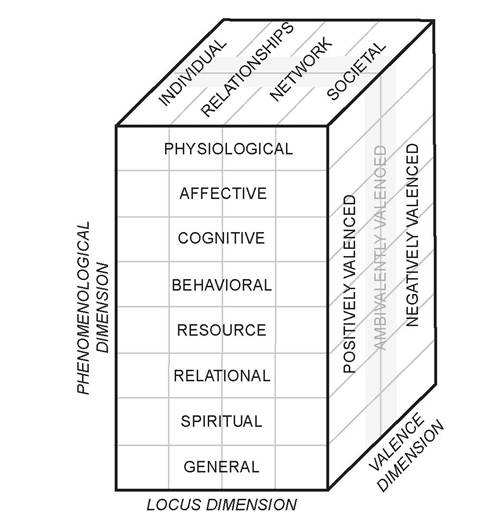
Figure 7.1 A Typology of Intimate Partner Violence Effects
Physiological effects represent impacts to basic biological functions such as sleeping, eating, breathing, cardiac, and circulatory processes. Research generally indicates a significant increased risk of a variety of adverse health effects and diseases (Black & Breiding, 2008), from sleep disorders (Lerner & Kennedy, 2000), brain injury (Wilson, 2009), and overall number of health symptoms (Black & Breiding, 2008; Bonomi et al., 2006; Taft, Vogt, Mechanic, & Resick, 2007). Of course, the ultimate physiological effect is murder, which does occur in the context of, or as a consequence of, IPV (Campbell et al., 2003; Dobash, Dobash, & Cavanagh, 2009; Glass, Koziol-McLain, Campbell, & Block, 2004; McFarlane, Campbell, Sharps, & Watson, 2002).
Affective effects result from changes to emotional experiences, ranging from anxiety and anger to happiness. Extensive research supports a relationship between IPV victimization and higher rates of anxiety disorders, phobias, and depression (Golding, 1999; Mechanic, Weaver, & Resick, 2008), as well as sadness (Boney-McCoy & Finkelhor, 1995), grief (Campbell, 1989), anger/irritabil- ity (Taft et al., 2007), and dissatisfaction in relationship (Rhatigan & Street, 2005; L. N. Rosen, Parmley, Knudson, & Fancher, 2002). Cognitive effects include changes to forms of concentration and basic perceptions (Straight, Harper, & Arias, 2003), self-esteem (Zlotnick et al., 2006), distraction, suicide ideation (Coker et al., 2000; Golding, 1999), and other volitional processes.
Behavioral effects are changes in activity routines, skills, or functional abilities (Zlotnick et al., 2006), including sexual risk taking (Coker et al., 2000), cigarette smoking (Bonomi et al., 2006), and substance use and abuse (Coker et al., 2000; Golding, 1999). Resource effects reflect influences on investments, liquidity, and economic and career security (Riger et al., 2004). Relational effects gauge a person’s sense, satisfaction, and orientation to personal relationships, including diminished relational and social functioning and stability (Bonomi et al., 2006; Lerner & Kennedy, 2000). Spiritual effects represent aspects of faith, trust, and belief systems associated with higher powers, authorities, and institutions (Watlington & Murphy, 2006).
Some research on general effects examines many of these as cumulative or additive, reflected in effects such as post-traumatic stress syndrome (PTSD) or influences on general quality of life (M. A. Dutton et al., 2005; Mechanic et al., 2008; Taft et al., 2007) and life satisfaction ( Zlotnick et al., 2006). The breadth of traumatic injuries that can result from IPV is extensive (e.g., Sheridan, Nash, Poulos, Fauerbach, & Watt, 2009; Wilson, Dodson, & Halpern, 2009). In a meta-analysis of forms of psychological distress associated with IPV, Weaver and Clum (1995) summarized effects across numerous deleterious factors, including adjustment ( r =.17), PTSD ( r =.20), stress (r =.24), anxiety (r =.19), phobia/fear (r =.17), borderline personality disorder (r =.63), conduct disorder (r =.16), depression (r =.21), dissociative disorder (r =.39), drug abuse (r =.24), externalizing (r =.28), internalizing (r =.27), social incompetence (r =.45), somatization (r =.10), and suicidal ideation (r =.16). Across all such symptoms of psychological distress, the mean effect was small but significant (r =.24).
These effects can affect an individual and his or her relationships with others. In addition, the members of the victim’s social network can experience their own individual effects. For example, as many as 15.5 million U.S. children are estimated to live in households in which IPV has occurred (McDonald, Jouriles, Ramisetty-Mikler, Caetano, & Green, 2006). Finally, the effects of IPV can affect the larger institutions (e.g., workplaces and organizations; see, e.g., Reeves & O’Leary- Kelly, 2007; Swanberg, Macke, & Logan, 2006) and society (e.g., costs of law enforcement, medical care, counseling services, popular cultural ideologies, etc.). Comparative economic analyses can estimate the relative costs of IPV and the programs and services associated with it (Corso, 2009; Max, Rice, Finkelstein, Bardwell, & Leadbetter, 2004). Research by the Centers for Disease Control and Prevention estimates that in the United States alone, intimate violence costs $5.8 billion in associated societal costs (National Center for Injury Prevention and Control, 2003). The depth dimension formally recognizes that IPV has the potential to influence any of these domains in positive or negative ways. To date, the research clearly indicates that the net effect of IPV tends strongly toward the negative end of the valuation continuum, but research on resilience and unique effects of IPV is beginning to yield important insights into the potential for adverse experiences to produce positive outcomes (e.g., Bogar & Hulse-Killacky, 2006; Draucker, 2003; McMillen, Zuravin, & Rideout, 1995; Seery, Holman, & Silver, 2010; Sheikh & Marotta, 2005). Particular factors are likely to moderate which victims achieve resilience and which victims do not, including sense of self-efficacy and future-oriented purpose, problem-solving skills, coping skills, social support, and healthy family background (Campbell, Sharps, & Parsons, 2009).
Research increasingly indicates that CA has more deleterious and long-lasting psychological effects than IPV does (e.g., Lawrence, Yoon, Langer, & Ro, 2009; L. N. Rosen et al., 2002; Watlington & Murphy, 2006). Some research is beginning to show that CA is associated with decrements in health, psychological well-being, and relationship quality, even when controlling for the effects of physical violence victimization (Baldry, 2003; Coker et al., 2000; Mechanic et al., 2008; Murty et al., 2003; L. N. Rosen et al., 2002; Straight et al., 2003; Street & Arias, 2001; Taft et al., 2007). It seems plausible to conjecture that people tend to know that physical wounds usually heal, but there may be little obvious way of healing psychological wounds (Dailey et al., 2012). There are studies that continue to identify stronger overall effects of IPV relative to CA (e.g., Babcock, Roseman, Green, & Ross, 2008; Duran et al., 2009), suggesting that, at least, these are correlated yet distinct classes of behavior and need to be understood as playing different roles in the cause of effects.
Coping
Given that most IPV emerges out of relational conflict, it stands to reason that more competent management of ordinary conflicts may have the potential for preventing such violence or attenuating the negative effects of such violence when it does occur. Indeed, much of the research on IPV examines conflict management processes in the hope of identifying the tactical moves, physiological responses, and sequential reactions that influence the likelihood of such violence or differentiate violent from nonviolent couples (e.g., Andrews, Foster, Capaldi, & Hops, 2000; Babcock, Jacobson, Gottman, & Yerington, 2000; Babcock, Waltz, Jacobson, & Gottman, 1993; Feldman & Ridley, 2000; Ridley & Feldman, 2003; Rogge & Bradbury, 1999; Ronan, Dreer, Dollard, & Ronan, 2004; Rudd, Burant, & Beatty, 1994). Given that IPV often erupts out of conflict that is initiated by perceived transgressions, it follows that the competent management of account processes (Spitzberg, 2010b) and ability to achieve forgiveness (Tsang & Stanford, 2007) may facilitate the avoidance of future IPV. In one study, about half of IPV victims believed that they could predict when IPV was about to occur in their relationships, about half believed there was nothing they could do to prevent it, 30% believed they were responsible for the IPV, and 60% used coping strategies when they believed that the IPV was preventable (Vatnar & Bjorkly, 2008; see also Winstok, 2006). In such a varied interpretive context, it is not surprising that large proportions of IPV victims intend to continue their relationship with their partner (M. A. Dutton et al., 2005). As the presumptions of the past and the newer axioms of recent theory and research emerge, the options and recommendations for managing IPV are likely to evolve rapidly.
The role of communication competence and skills in the management of conflict (e.g., Spitzberg, Canary, & Cupach, 1994) and IPV have been extensively studied (Rogge & Bradbury, 1999; Ronan et al., 2004; Sillars et al., 2002). Research generally indicates that problem-solving skills, anger management skills, argumentativeness, and tendencies to engage in more positive affectionate or collaborative behaviors and fewer negative affective behaviors and negative affective reciprocity are important mediators of whether IPV occurs, and if it does occur (e.g., Ridley & Feldman, 2003), the extent of its deleterious effects on the individual and the relationship (e.g., Hellmuth & McNulty, 2008). Other research indicates that generic communication skills to manage neutral or low-level conflict situations are less important than skills required to manage the specific features of IPV encounters, such as high-affect or -anger and high-conflict encounters (Rogge & Bradbury 1999; Ronan et al., 2004). Given the role of attributional divergence in conflict escalations, learning to employ remedial strategies in the face of threat and transgression may facilitate forgiveness (Morse & Metts, 2011), and thereby the development of relational contexts at less risk of IPV. One of the most important implications of conflict cascade models of IPV is that they suggest several potential points of interactant intervention prior to the eruption of violence (Spitzberg, 2010b). For example, Horwitz, Santiago, Pearson, and LaRussa-Trott (2009) found that IPV tends to occur as an end product of three stages: (1) first signs of conflict (i.e., negative, accusatory, disconfirming statements), (2) stirring the pot (i.e., escalation and increasing aggravation), and (3) point of no return (i.e., externally focused reactivity). The participants tended to recognize the importance of better communication and acceptance of potential fault in resolving or avoiding such IPV episodes.
Speculation outweighs evidence regarding the efficacy of specific interventions to prevent, manage, and cope with IPV (Gondolf, 2011; Wathen & MacMillen, 2003). Given different types of motives, types of violent relationships, and mediating and moderating variables, the challenge of identifying generalizable paths to more productive relationships is daunting. From the review of scientific evidence regarding interventions targeting women victims of IPV, it appears that relatively little evidence supports the value of shelter stays per se, but those who stay in shelters and receive advocacy and counseling services are likely to experience reduced exposure to IPV afterward (Wathen & MacMillan, 2003). Other reviews indicate that 6-month violence recidivism is approximately 30% regardless of intervention approach (Stover, Meadows, & Kaufman, 2009). Comprehensive approaches, in which broad-scale public education is combined with systematic screening and surveillance programs for identifying risk factors and signs of abuse, as well as wider availability and dissemination of promising intervention programs, seem most likely to succeed
(Howe & Alpert, 2009), especially if many of these educational and intervention efforts are integrated into schools as primary prevention efforts (Whitaker, Hall, & Coker, 2009), and health care settings as primary diagnosis and response efforts (McCaw & Kotz, 2009).
Aggressively Pursuing
the Topic of Aggression
Despite numerous ongoing debates about everything from grounding conceptual paradigms to specific approaches to measurement (Winstok, 2011), the scholarly pursuit of IPV has made great strides compared with the state of knowledge only a few decades ago. Furthermore, IPV has become a major social policy issue, ensconced in both the law and in public consciousness. There are, nevertheless, a broad array of perplexing issues that continue to beckon serious attention. Some of these issues, such as the role of sex and gender in understanding IPV, are fundamental and relatively intractable in the short term (e.g., Ehrensaft, 2008). In the hope of identifying a few more tractable tributaries for navigating future research priorities, three specific prospects are suggested that may yield short-term insights.
First, in light of the variegated typology of effects identified here, two relatively straightforward directions seem apparent: (1) measurement development and validation and (2) inclusion of expanded ambivalent measures of effects. There are already efforts underway to formulate measures of resilience (e.g., Hatcher & Rogers, 2009) and the “unique” or positive outcomes of IPV (e.g., Cobb, Tedeschi, Calhoun, & Cann 2006). Such efforts to develop a standardized and relatively comprehensive and psychometrically valid measure of ambivalent outcomes need to be pursued further. Measures exist of most of the currently envisioned potential outcomes, and traditional psychometric approaches to measurement development and validation should proceed with relatively little complication. Further typological development may identify additional relevant dimensions such as chronicity or time, elaborated contextual outcomes such as occupational or reproductive/fertility effects, and second-order social network effects. The availability of such a measure would then permit scholars to establish a standard practice of including such measures in studies as routinely as the ubiquitous CTS is currently used. Including such a measure would begin providing a substantial opportunity to examine the variables differentially associated with negatively and positively valenced outcomes, which would be essential to developing a theory of outcome ambivalence.
A second direction for future research will involve more variegated indirect measures of conflict processes in relation to IPV. Ethical constraints will continue to limit the ability to directly observe violence-related conflict. Current research tends to either study the conflict processes of known groups (e.g., comparing the laboratory-based table talk-induced conflicts of couples known to have experienced violence vs. couples who have not experienced IPV) or use existing survey measures of conflict. As important as both these approaches are, existing measures of conflict can be differentiated in a variety of ways to provide insight into the conflict processes underlying IPV. For example, most approaches to conflict measurement sum tactics in the way the CTS does to assess strategy or style clusters (Cook & Goodman, 2006). More research needs to redirect conflict measures to significant episodes of IPV (e.g., the most recent moderate to severe episode), thereby providing episodebased assessment rather than dispositional assessment of conflict. Furthermore, measures of conflict can begin addressing issues of attribution, defensiveness of conflict reactions, differences in punctuating conflict episodes, and perceived markers of escalation in affect and issue expansion (e.g., J. E. Graham et al., 2009; Marshall, Jones, & Feinberg 2011). Such processes hold the potential to provide a much more graduated image of conflict escalation, thereby providing a model with more opportunities for redirecting the course of conflict and subsequent violence.
Third, the roles of physiology and affect must be centrally located in future research and theory related to IPV. With a few significant notable exceptions (e.g., Babcock, Green, Webb, & Yerington 2005), conflict is still ideologically ensconced in models that presuppose cultural and cognitive supremacy. If violence is often a product of accumulated or episodic escalation of affect, then several questions begin to rise to the forefront. To what extent is violence a product of biological dispositions that reflect a lack of executive control processes or regulation? To what extent is aggression a heritable disposition (e.g., Beatty, Heisel, Hall, Levine, & La France 2002; Yeh, Coccaro, & Jacobson 2010)? To what extent do partners “push one another’s emotional buttons” in their conflicts (Babcock et al., 2005; cf. Madhyastha, Hamaker, & Gottman 2011)? The body, in both its positive and negative affect regulation processes (Driver & Gottman, 2004), must be returned to a central role in the theory of IPV alongside cognitive processes and behavioral tactics.
Conflict is a vexing human experience—it is considered vital, yet is almost universally disdained. And of all the aspects of conflict, violence is perhaps the most vexing. IPV is surprisingly normal and normative, and yet generally proscribed by law and societal policy. It is traumatizing, and yet can stimulate resilience. There are strong tendencies to attribute responsibility to individuals, and yet research increasingly shows most IPV to be interactionally embedded and entangled. The best management of IPV is likely to be a product of more competent management of the relationship in which it emerges, and the conflict processes that tend to elicit such aggressive reactions.