A Synoptic Review of the Original Cbscm
The goal of the original CBSCM proposed by Ting-Toomey and Oetzel (2001) was to use the model as a tentative map to organize and explain the various research concepts in the growing intercultural conflict field.
With the proposed culture-based situational model in 2001, we envisioned that researchers and practitioners could collaborate in an integrative manner and locate concepts and linkage of ideas between the factors and test them in a systematic manner.The original CBSCM basically consists of four components: (1) primary orientation factors (e.g., value patterns and personal attributes), (2) situational and relational boundary features (e.g., in-group-out-group boundary, interpersonal relationship boundary, and conflict goals’ assessment), (3) conflict communication process factors (e.g., conflict styles and facework behaviors), and (4) conflict competence features (e.g., appropriates and effectiveness, productivity and satisfaction) (see Figure 29.1). In brief, people’s primary orientation factors lead to certain perceptions and interpretations about the conflict episode, and thus their preference for certain conflict behaviors. They bring these orientations
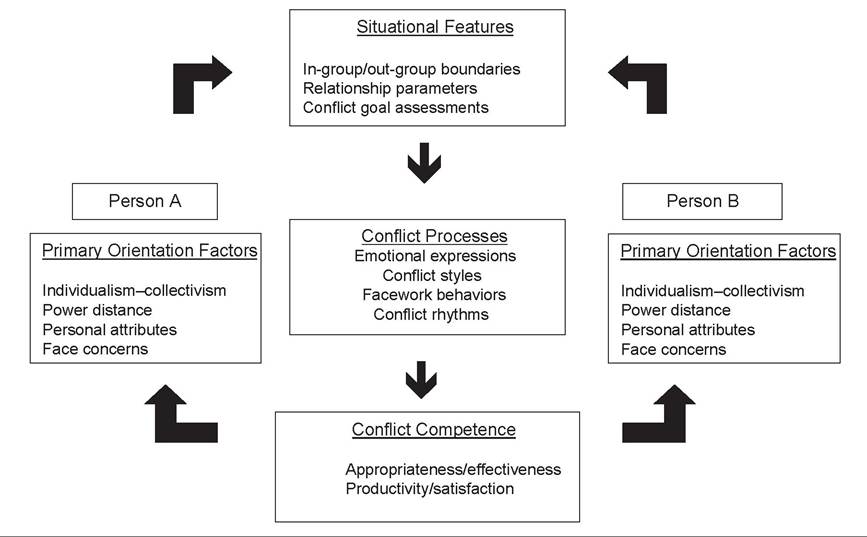
Figure 29.1 Original Culture-Based Situational Conflict Model
SOURCE: Adapted from Ting-Toomey and Oetzel (2001).
into a particular conflict case that has situational filters and relational boundaries. These boundaries and orientations shape specific conflict styles and strategies, which, in turn, result in conflict competence features. The following is a brief recap of the specific components and some update issues in the past several years and end with a self-critique of our own classical model.