Introduction
An advocate has a responsibility to behave ethically and to provide a professional level of service to members of the public. An advocate is also expected to protect the reputation of the legal profession by avoiding unethical behaviour.
This applies whether an advocate is a barrister (see The Bar Standards Board ('BSB,) Professional Statement Threshold Standard and Competencies contained in the BSB Handbook and Code of Conduct) or a member of the Chartered Institute of Legal Executives (see the CILEx Regulation Code of Conduct and CILEx Work-Based Learning Portfolios known as ‘Day One Outcomes’) or a solicitor (see SRA Statement of Solicitor Competence).In this chapter, we will concentrate on the competencies of ethics for solicitors under competency A of the SRA Statement of Solicitor Competence (‘SoSC’) (see Figure 1.1). However, acting ethically is a requirement across all types of practice and in life especially when working with the client and others. Competency A therefore in reality
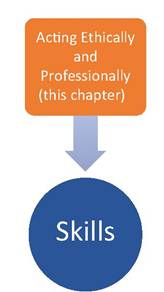
Figure 1.1 Chapter Content.
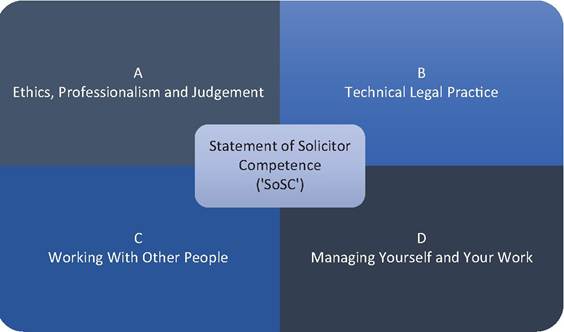
Figure 1.2 Statement of Solicitor Competence.
overlaps with competencies C and D of the SRA competency framework, which we will also consider in this chapter.