Ex situ conservation is a last-resort measure to rescue species on the brink of extinction
When remaining populations of a species fall below a certain size, direct, hands- on action may be called for. Such actions can include the introduction of individuals into threatened populations (as in the Florida panther) or extensive habitat manipulations intended to improve the chance that individuals will reproduce successfully (as in the red-cockaded woodpecker, as we will see in the Case Study Revisited).
In some cases, however, the only hope for preserving a species may be to take some or all of the remaining individuals out of their habitat—ex situ—and allow them to multiply in sheltered conditions under human care with the hope of later returning some individuals to the wild.Ex situ conservation efforts have played a major role for around 25% of the endangered vertebrate species whose numbers have increased in recent years (Hoffmann et al. 2010). The rescue of the California condor (Gymnogyps californianus) is a leading example of this strategy (FIGURE 23.17). This large bird once ranged throughout much of North America, and by the nineteenth century, it was still distributed from British Columbia to Baja California. The condor population declined steeply between the 1960s and 1980s, however, reaching a low of 22 birds by 1982. The species became extinct in the wild in 1987, when the last birds were captured and brought to an ex situ facility in California for breeding (Ralls and Ballou 2004).
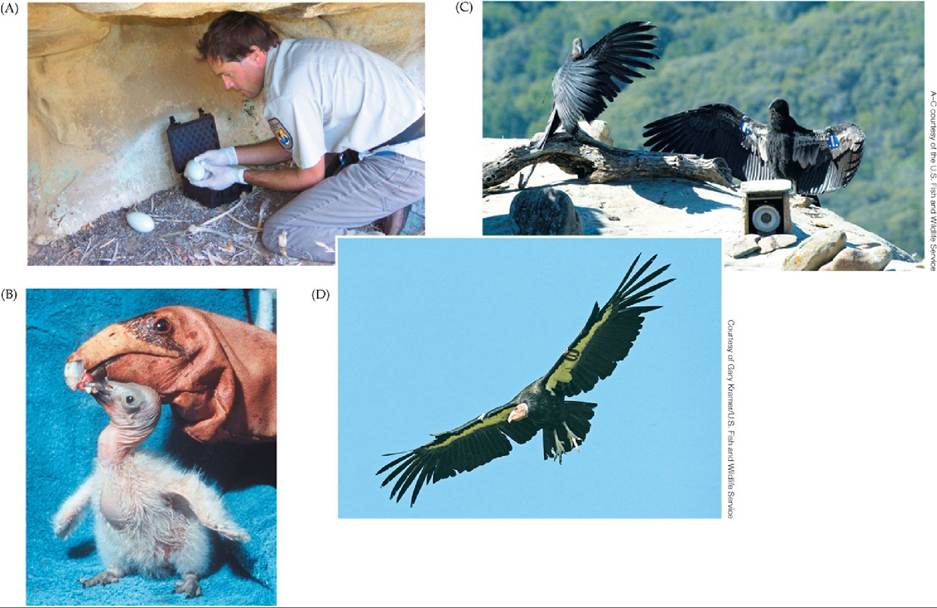
FIGURE 23.17 Ex Situ Conservation Efforts Can Rescue Species from the Brink of
Extinction Ex situ efforts to save the California condor (Gymnogyps californianus) involve multiple steps. (A) To reduce inbreeding and increase the number of eggs that hatch successfully, a U.S. Fish and Wildlife Service biologist removes eggs from the wild (to be taken to an ex situ breeding facility) and replaces them with one egg from the San Diego Zoo.
(B) At the San Diego Zoo, condor chick “Hoy” is being fed by a condor-feeding puppet to avoid its becoming acclimated to humans. (C) Two condors at the time of their release (spring 2000). The instrument in the right foreground is a scale from which condor weight can be read by telescope when a bird perches on it. (D) This adult, with a wingspan of 9 feet, was bred in captivity and later released. View larger imageThere are now over 450 California condors, some in the wild and some remaining in captivity. Increasing the population to this point has required careful genetic analysis, hand rearing of some chicks, and cooperation among zoos, managers of natural areas, hunters, and ranchers. Maintaining the current population will require continued input of individuals reared ex situ into wild populations, though the ultimate goal is to establish self-sustaining condor populations in the wild. One of the greatest remaining threats is lead poisoning from ammunition found in the carrion condors eat, which has prevented this goal from being met (Finkelstein et al. 2012). Other barriers to the condor's recovery include the negative health effects of ingesting plastic and other trash, West Nile virus, and genetic drift. Given all these risks and costs, is the recovery of the California condor worth all the effort that has gone into it? Without that effort, the species would now be extinct.
Ex situ conservation programs are taking place in zoos, special breeding facilities, botanical gardens, and aquaria all over the world. Such programs have allowed many species at risk of extinction to increase their numbers sufficiently to permit reintroduction into the wild. While ex situ programs play important roles in keeping our most threatened species from extinction, as well as in publicizing the plight of those species, they are expensive, and they can introduce a host of problems, such as exposure to disease, genetic adaptation to captivity, and behavioral changes (Snyder et al. 1996). Furthermore, as the case of the California condor shows, it can be difficult to restore self-sustaining populations in the wild. Could the funds dedicated to ex situ efforts be better spent on managing species in the wild or on securing land for the establishment of new protected areas—that is, for in situ conservation? Sometimes the answer is no, usually when populations have been reduced to critical levels or when not enough suitable habitat is available. But the question must always be asked.