The Colas
The Cola period was one of intensive Sanskritization in the south. Brahmans who lived in brahmadeyas and radiated their culture outward were the primary bearers of the Sanskritic stream of culture and religion.
Many geographic places were given Sanskrit names and considerable Sanskritic literature appeared during this period. This literature included the continuation of the Puranic corpus, started during the Gupta period. During the eighth to tenth centuries stories were collected in the south and made part of the other Puranas even up to the seventeenth century. Another product of the southern priesthood was the collecting and writing of the agamas (ritual handbooks). These “texts” started as material passed on orally from father to son, which was then written post facto, first in the vernacular, then finally in Sanskrit, usually under the aegis of a king or patron who preferred the ritual system of one temple over that of another. This process of collecting and writing such handbooks continued from the eighth to the seventeenth centuries. They were generally collected into three sets: the Saivagamas, some twenty-eight in number, represented the ritual possibilities used in temples to Siva. Rituals in temples to Visnu were represented in two separate ritual traditions: the Pancaratragamas (literally, “five nights”) and the Vaikanasagamas, a more conservative set of ritual formulations.Another collection of materials making their way into written form, more commonly in Tamil, were the talapuranas, the story of sacred places. Starting as oral accounts of the history and mythology of a temple or pilgrimage site, these narrations purported to tell the exploits of a deity at a particular spot and of wondrous deeds done by worshipers and pilgrims to that place. These stories were eventually recorded at least until the fifteenth century.11
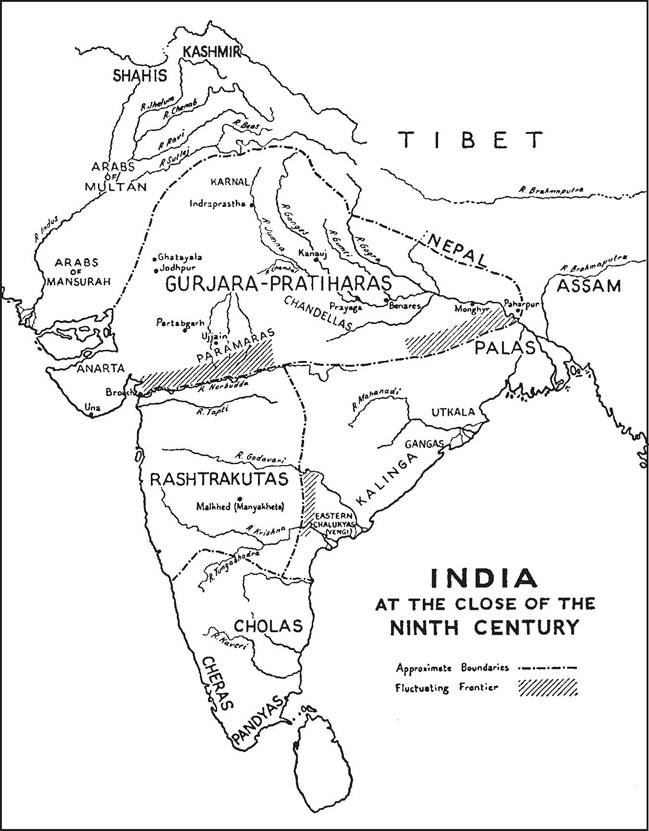
Map 3 India at the Close of the Ninth Century
Reprinted from A Cultural History of India, ed.
by A. L. Basham (Clarendon Press, 1975), p. 589, by permission of Oxford University Press.It is worth noting that the written records, whether they were ritual manuals or stories of temple sites, owed not a little to “folk” or non-classical sources. The agamas, for example, while they described what brahman priests did (or should have done) in temple rituals, made allusions to rituals that must have had agricultural or non-Vedic antecedents. These included, among others, descriptions of water libations, the use of earthen vessels, and the use of various natural phenomena in worship like fruits, leaves, and sacred stones. Such practices must have had their roots in the Dravidian context, but in the hands of brahman priests were given a vaidika imprimatur. This process has moved at least one scholar to suggest these temple rituals were a compromise between Vedic and “folk” practice.12 Similarly, talapuranas which purported to tell the story of specific temples and their sites incorporated many elements that reflected long-standing Tamil perceptions of landscapes. These included the sacrality of land and its creativity and/or malevolence; the goddess as personification of land and her/its need to be pacified; and sacrifice as an element in the practice of religion; and others.13
The Cola period also marked certain other developments in the religious landscape of the south. Monastic cells (matams; Skt: matha) became established as schools or centers for study and meditation, often in alliance with certain temples. These matams were not unanimous in their teachings and often were in competition with each other for enrollees. Another significant development in the period was the way Saivite culture was spread particularly into Southeast Asia. As Theravada Buddhist culture emanated out of Sri Lanka, into Burma, Thailand, and Cambodia, Buddhist kings would set up capitals, palaces, and temples in such cities as Polonnaravu (Sri Lanka), Pagan (Burma), and Ayuthya (Thailand).
These kings often turned to the brahmanic advisers of the Pallava or Cola households for advice in building such structures. Those advisers who were Saiva took with them the principles found eventually in the Saivagamas, while Vaisnava forms often emulated the styles of the Pallavas. The result was a Hindu-Buddhist architecture and iconography in much of Southeast Asia.It would be a mistake to assume that the religious landscape of South India was monolithic. Not only were there rivalries between matams and between Saivas and Vaisnavas. There were also pockets of Buddhists that remained, especially further north in such centers as Amaravatl, now in Andhra Pradesh. Islamic settlements had also appeared by the eighth century, especially on the southwest coast and had become pockets of Islamic culture. Small Jewish and Christian settlements were also to be found in the area now known as Kerala (we will explore more of these minority groups later). Even within “Hindu” circles there were movements of protest and reinterpretation. One of these movements was known as the cittars (Skt: siddhas) - a group of mendicant ascetics who claimed to worship Siva, yet eschewed visits to temples. Rather, they lived in isolated areas (such as where Jain monks had once lived) practiced forms of indigenous medicine and mysticism. The body, though considered defiled, nonetheless could be the medium through which the divine could be accessed. Another group of
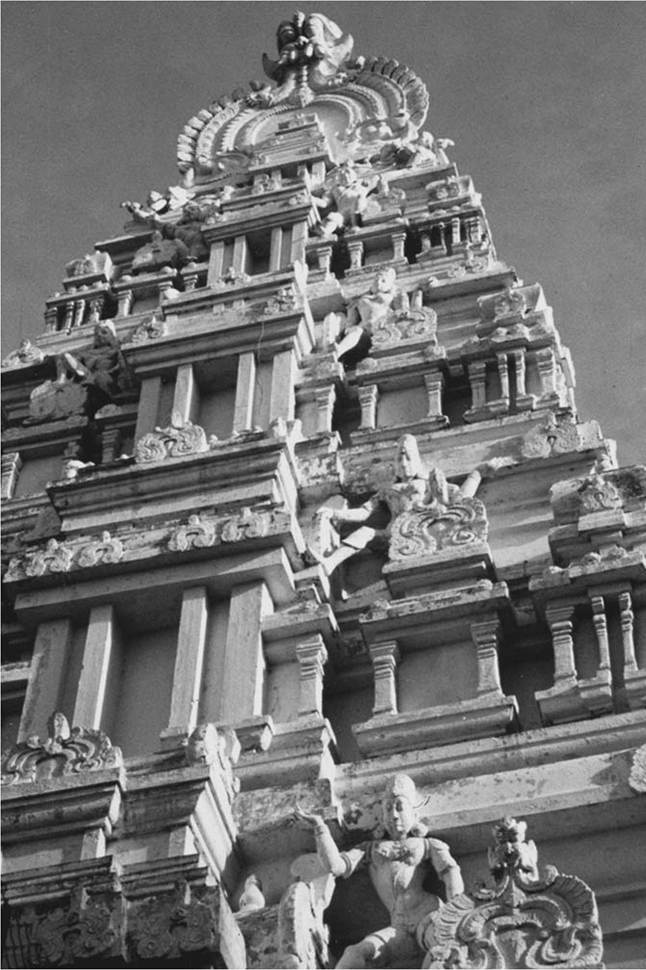
Figure 3 Gopura at Bhramarambha Mallikarjuna Temple in Srisailam, Andhra Pradesh - Srisailam is the primary pilgrimage center of the VTraSaivas. Photograph by Rob. F. Phillips.
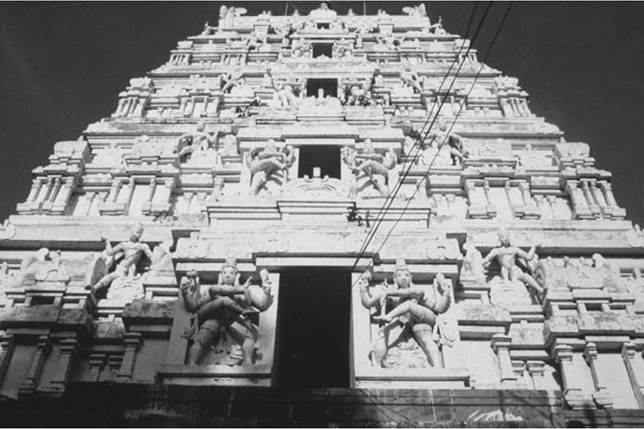
Figure 4 Gopura at Srisailam: closer view. Photograph by Rob F. Phillips.
“rebels” were the Vlrasaivas, found in the hills of Karnataka and Andhra Pradesh. While probably rooted in forms of “folk” religion and trading communities, they were apparently tutored by smarta brahmans, so that by the tenth century they had become a discernible movement. The movement was led by poets - singers who critiqued temples as the domain of the rich, and brahmans for their hypocrisy and corruption. For the Vlrasaivas, Siva was found in natural settings and could be embodied in small lingas (aniconic representations of Siva) worn around the neck.14