The Rediscovery of Eastern Religious Thought
As early as the 1890s, liberal intellectuals and religious “seekers” in the United States came under the spell of a charismatic Hindu reformer and writer named Swami Vivekananda (1863-1902), who was one of the more memorable speakers at the World’s Parliament of Religions held in Chicago in 1893.
Vivekananda saw himself as a cultural ambassador for Indian religion generally, and his influence in the West was felt by a number of alternative religious communities, including those attracted to “New Thought.” Through his speaking tours and through the formation of the Vedanta Society (Chapter 4). Vivekananda popularized knowledge of Hindu metaphysics and encouraged an appreciation for yoga and meditative disciplines. The constant theme of his writings and lectures was the need to liberate the spirit from the material world. In the historical vignettes that follow, we focus on some of the more notable religious movements that reflect the encounter between Eastern religious thought and practice and Westerners in search of sources of religious enlightenment.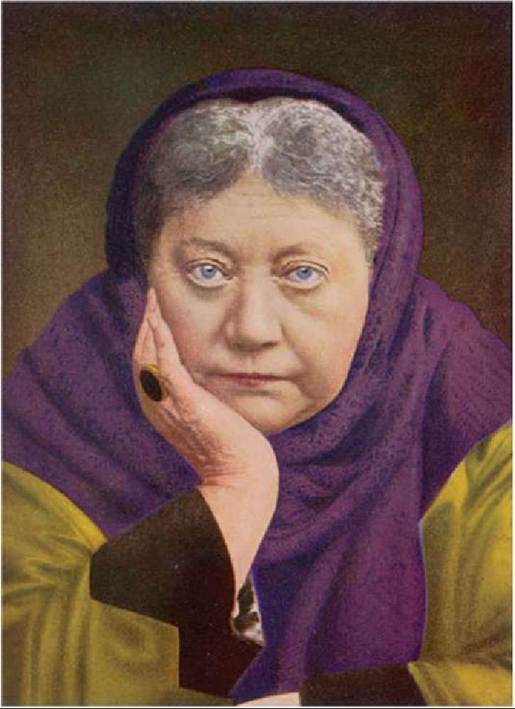
Madame Helena Blavatsky, founder of the theosophy movement.
More on the topic The Rediscovery of Eastern Religious Thought:
-
Conflictology -
Ecology -
Economy -
Finance -
History -
Law -
Medicine -
Philosophy -
Religious studies -