Community aspects
HIV carriers m the community present no risk to others from normal day-to-day contact. The combined effects of dilution, temperature and detergent action ensure that standard washing procedures will satisfactorily decontaminate cutlery, crockery and clothing.
All blood spillages should be decontaminated with hypochlorite (bleach) and carefully cleaned up. The absence of evidence that saliva can transmit HIV means that nobody should withhold mouth-to-mouth resuscitation from someone who has suffered a respiratory arrest. Members of the rescue services who frequently carry out resuscitation, often in cases in which facial injury exposes them to blood as well as saliva, are provided with masks and other devices. Anyone attempting to use a resuscitation device must be adequately trained as, in the wrong hands, it may prejudice the life of the casualty and in some cases increase the potential risks to the operator by causing bleeding.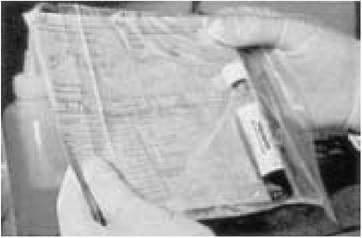
Figure 15.4 Secure bagging for specimen and request sent to laboratory
More medical literature on Medic.Studio
More on the topic Community aspects:
-
Infectious diseases -
Internal diseases -
Obstetrics and Gynaecology -
Pediatrics -
Veterinary medicine -
-
Conflictology -
Ecology -
Economy -
Finance -
History -
Law -
Medicine -
Philosophy -
Religious studies -