Dilated Cardiomyopathy
The estimated annual incidence of dilated cardiomyopathy with HIV infection before introduction of HAART was 15.9 in 1,000 cases [4]. Symptoms of heart failure may be masked in HIV-infected patients by concomitant illnesses such as diarrhea or malnutrition, or may be disguised by bronchopulmonary infections.
The gross and microscopic findings for HIV-associated dilated cardiomyopathy are similar to those for idiopathic dilated cardiomyopathy in immunocompetent persons with four-chamber dilation and patchy myocardial fibrosis. Additional echocardiographic findings include diffuse left ventricular hypokinesis and decreased fractional shortening. The e chocardiographic classification of HIV- associated cardiomyopathy with related clinical implications is reported in Fig. 1.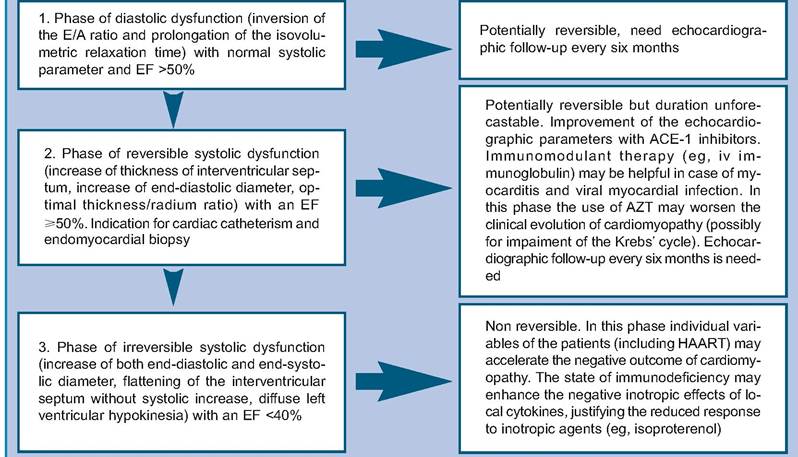
Fig. 1 Echocardiographic classification of HIV-associated cardiomyopathy with related clinical implications
Compared to patients with idiopathic dilated cardiomyopathy, those with HIV infection and dilated cardiomyopathy have markedly reduced survival rates (hazard ratio for death from congestive heart failure: 5.86) [23] (Fig. 2). The median survival to AIDS-related death is 101 days in patients with left ventricular dysfunction and 472 days in patients with a normal heart at a similar stage of HIV infection [3]. Although there is no evidence from prospective studies to suggest that HAART has a beneficial effect on HIV-associated car-
diomyopathy and on HIV-associated pericardial effusion, some retrospective studies suggest that by preventing opportunistic infections and reducing the incidence of myocarditis, HAART might reduce the incidence of cardiomyopathy by about 33% (Fig. 3) and improve its course [24, 25]. However, the median incidence of HIV-associated cardiomyopathy is increasing in developing countries (about 32%), where the availability of HAART is limited and the pathogenetic impact of nutritional factors is greater [26].
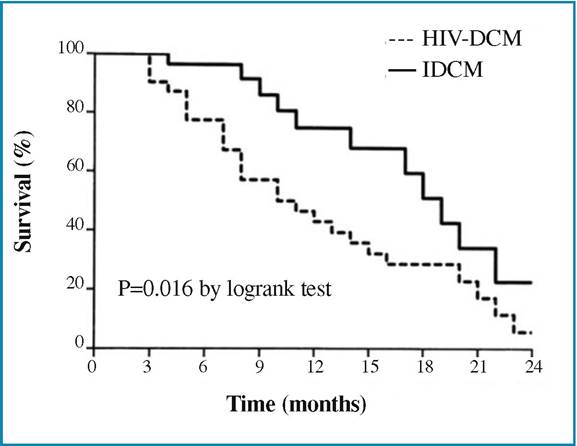
Fig. 2 Kaplan-Meier curves comparing the survival rate during follow-up between patients with HIV- associated cardiomyopathy and patients with idiopathic dilated cardiomyopathy. HIV-DCM, HIV- associated dilated cardiomyopathy; IDCM, idiopathic dilated cardiomyopathy. (From [23], with permission)
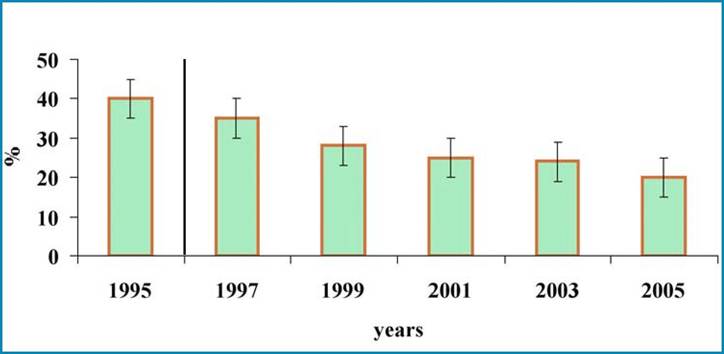
Fig. 3 Prevalence of HIV-associated dilated cardiomyopathy in the years 1995-2005. The vertical line indicates the introduction of HAART in the treatment of HIV infection