Dynamics of Political and Economic Institutions: A First Look
23.5.1. Baseline Model. In this section, I will discuss a model based on Acemoglu and Robinson (2007), which will feature both the interaction of de jure and de facto political power and also illustrate how democracy can be captured and lead to poor economic outcomes for this reason.
Interestingly, while the model of democratization described at the end of the previous section emphasized how the de facto political power of the citizens can affect equilibrium dynamics, here the emphasis will be on the de facto political power of the elite in democracy and how they can use this to capture democratic politics.Consider the following infinite-horizon economy in discrete time, with the unique final good. The society is populated by a finite number L of citizens/workers and M elites. Let me assume to simplify the analysis here that citizens are significantly more numerous than the elites, loosely written as L >> M. What the exact relative sizes of the two groups need to be for the main results to apply is discussed in greater detail in Exercise 23.16 below.
Let us use h ∈ {E, C} to denote whether an individual is from the elite or a citizen, and E and C to denote the set of elites and citizens, respectively. All agents have the usual risk-neutral preferences given by

where ch (t) denotes consumption of agent i from group h ∈ {E, C} at time t in terms of the unique final good and β ∈ (0,1) is the common discount factor.
Each citizen owns one unit of labor, which they supply inelastically. Each member of the elite i ∈ E has access to a linear production function to produce the unique private good with constant marginal productivity of A. Let us consider two different reduced-form economic 1069
institutions.
In the first, labor markets are competitive and we index these institutions by the subscript c (indicating “pro-citizen” or “competitive”). Let I (t) ∈ {e, c} denote the institutional choice in period t. Given the production technology each elite will make zero returns and each citizen will receive their marginal product of labor, A. When there are competitive labor markets, I (t) = c, the wage rate (and the wage earnings of each citizen) is:
The return to a member of the elite with competitive markets is similarly

The alternative set of economic institutions favor the elite and are labor repressive (I (t) = e) and allow the elite to use their political power to reduce wages below competitive levels. We parameterize the distribution of resources under labor repression as follows: λ < 1 denotes the share of national income accruing to citizens and δ ∈ [0,1) is the fraction of potential national income, AL, that is lost because of the inefficiency of labor repression. For instance, δ > 0 may result from standard monopsony distortions in the labor market. Note, however, that none of the results presented in this paper depend on the value of δ. The case where δ = 0 would correspond to a situation in which there is no distortion from labor repression and the choice of economic institutions is purely redistributive. Alternatively, one could also consider the case in which δ < 0, so that economic institutions favored by the elite are more “efficient” than those preferred by the citizens. However, given the emphasis on “labor repressive” institutions and the focus on whether democracy may fail to generate greater income per capita even when it is more efficient, the case of δ > 0 is more relevant. The straightforward implication of this assumption is that, when economic institutions are labor repressive, there will be lower income per capita and thus worse economic performance.
Another reason for introducing the parameters δ and λ is that the model will have interesting comparative statics with respect to these parameters. For now, it suffices to start with the levels of factor prices under different economic institutions as functions of δ and λ. In particular, we have that factor prices as functions of economic institutions are  and
and
define

and

as the gains to the elite and the citizens from their more preferred economic institutions. Since the citizens are significantly more numerous, i.e., L >> M, (23.38) and (23.39) imply that ∆R >> ∆w.
There are two possible political regimes, democracy and nondemocracy, denoted respectively by D and N. The distribution of de jure political power will vary between these two regimes. At time t, the (payoff-relevant) “state” of this society will be represented by s (t) ∈ {D,N}, which designates the political regime that applies at that date. Irrespective of the political regime (state), the identities of the elites and the citizens do not change.
Overall, in line with the discussion the previous section, political power is determined by the interaction of de facto and de jure political power. Both groups can invest to garner further de facto political power. In particular, suppose that elite i ∈ E spends an amount θi (t) ≥ 0 as a contribution to activities increasing their group’s de facto power. Then total elite spending on such activities will be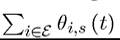 when the political state is s, and let us
assume that their de facto political power is  where
where and dependence on the state s ∈ {D, N} is made explicit to emphasize that investments in de facto power by the elite may be less effective in democracy.
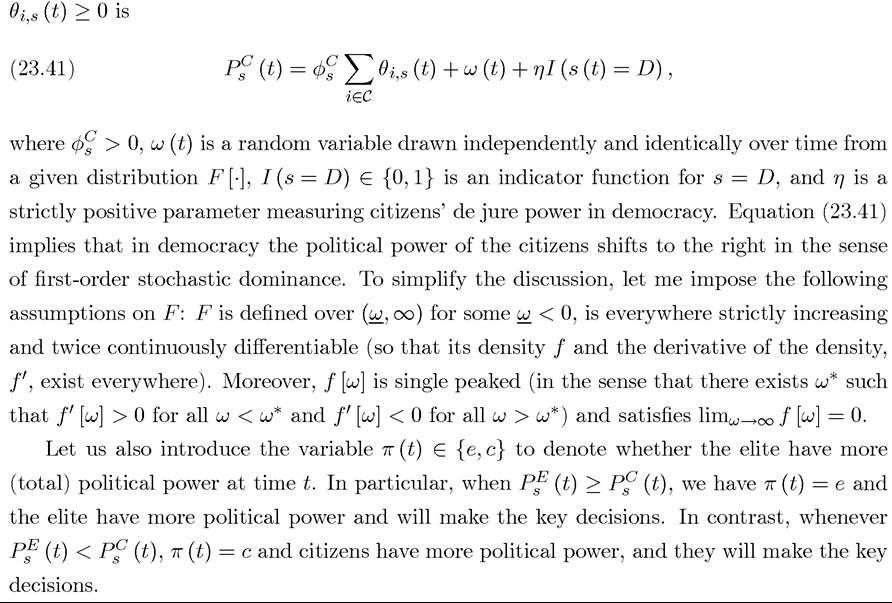
Citizens’ power comes from three distinct sources. First, they can also invest in their de facto political power. Second, because citizens are more numerous, they may sometimes solve their collective action problem and exercise additional de facto political power. We assume that this second source of de facto of political power is stochastic and fluctuates over time. The reasoning underlying this assumption is similar to that given in the previous section for why de facto political power resulting from solving the collective action problem is often transient. These fluctuations will cause equilibrium changes in political institutions. Finally, again because they are more numerous, citizens will have greater power in democracy than in nondemocracy. Overall, the power of the citizens when citizen i ∈ C spends an amount 1071
Finally, suppose that the group with greater political power will decide both economic institutions at time t, I (t), and what the state variable tomorrow, i.e., political regime will be in the following period, s (t + 1). Moreover, let us assume that when the elite have more political power, a representative elite agent makes the key decisions, and when citizens have more political power, a representative citizen does so. Since the political preferences of all elites and all citizens are the same, these representative agents will always make the decisions favored by their group.
Summarizing the timing of events, we have that at each date t, the society starts with the state variable s (t) ∈ {D, N}. Then:
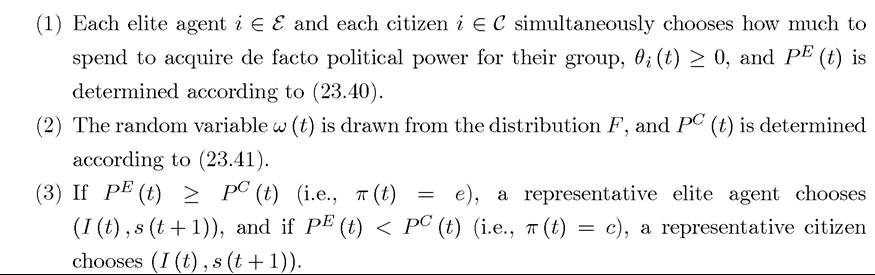
(4) Given I (t), R (t) and w (t) are determined and paid to elites and citizens respectively, and consumption takes place.
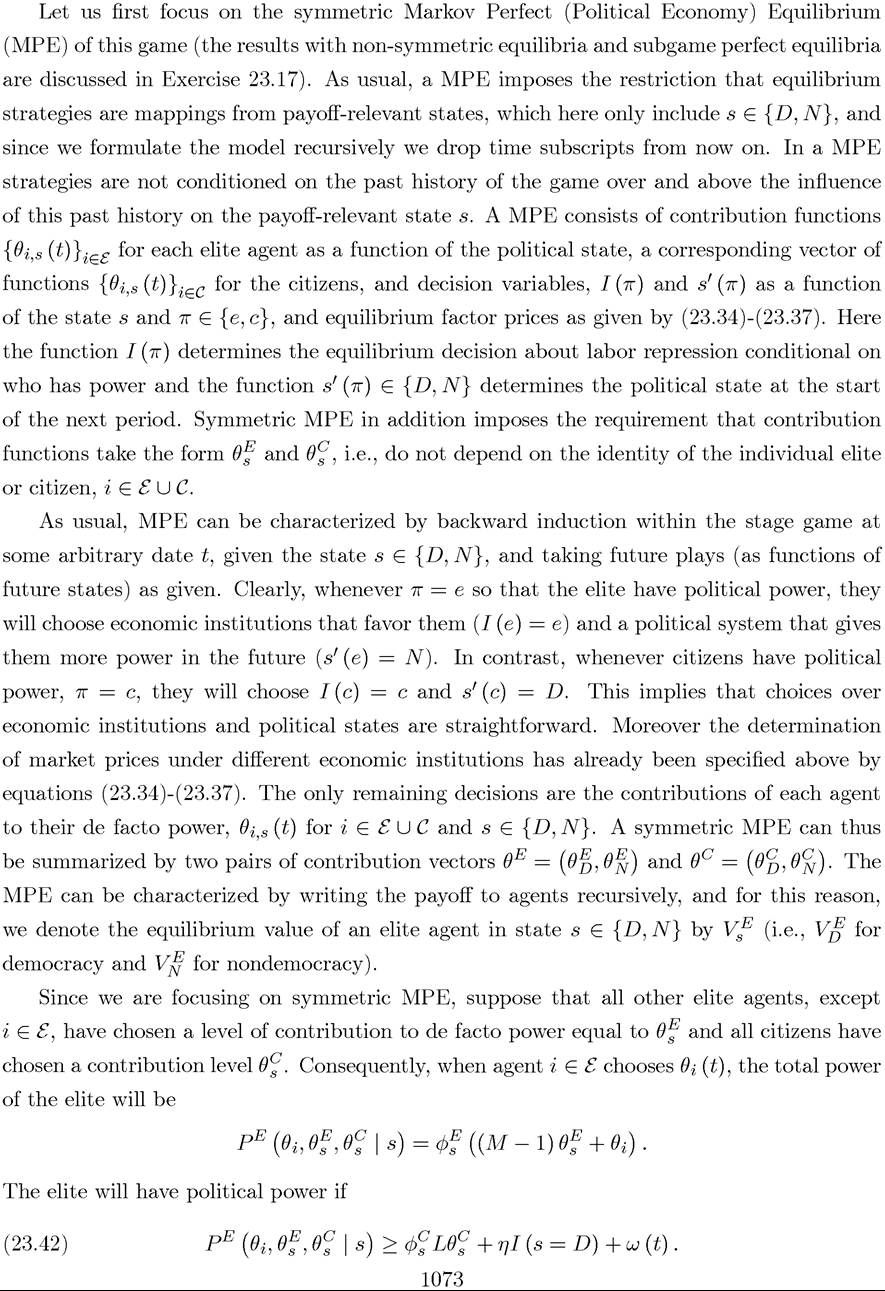
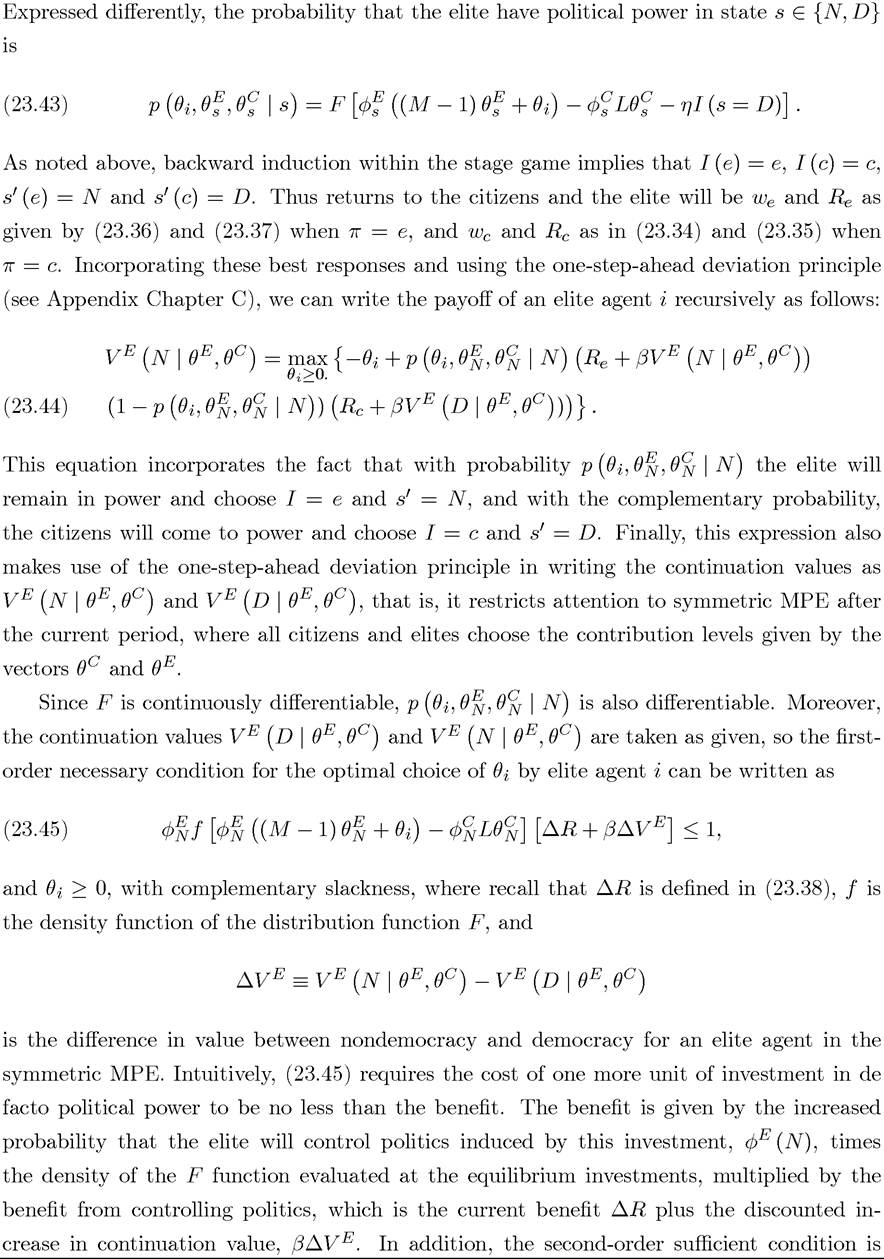
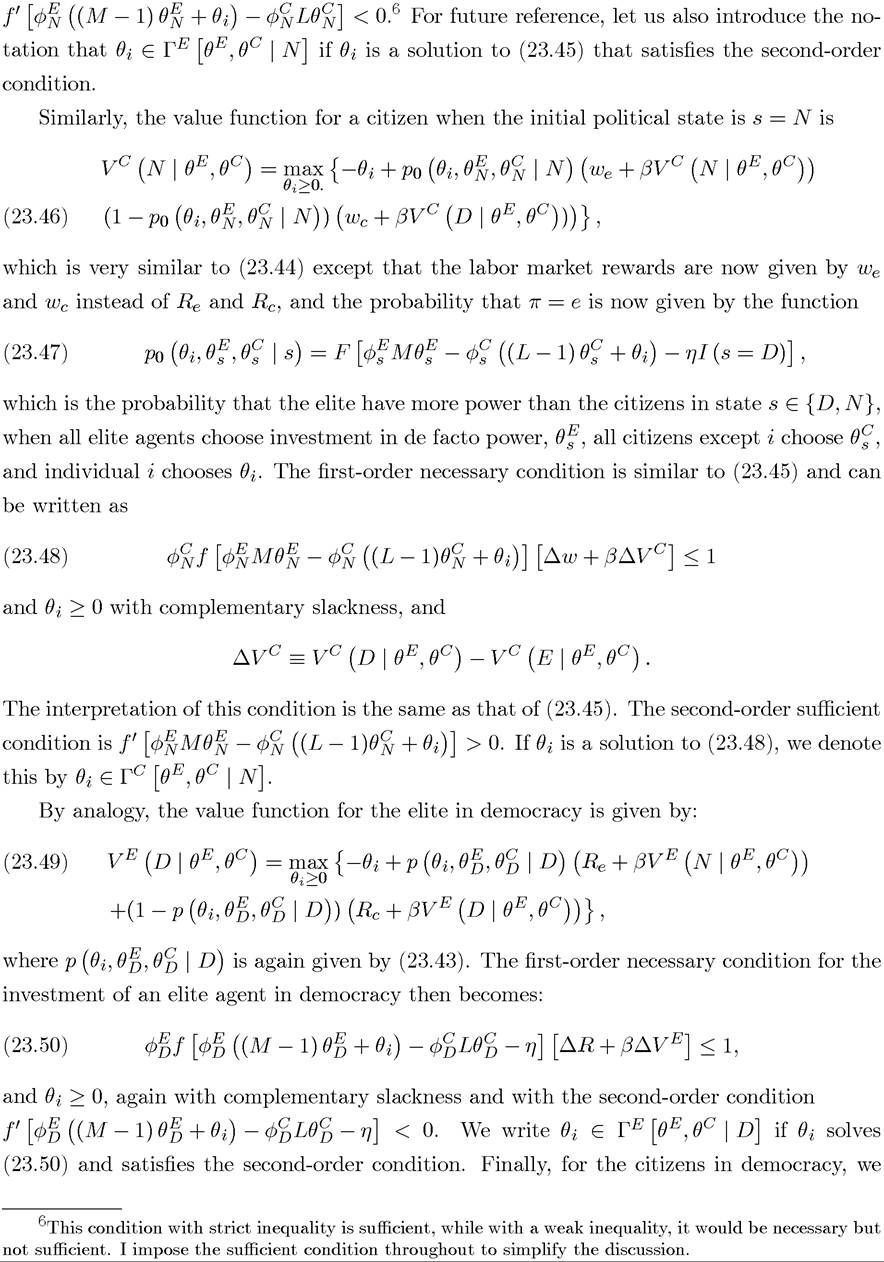
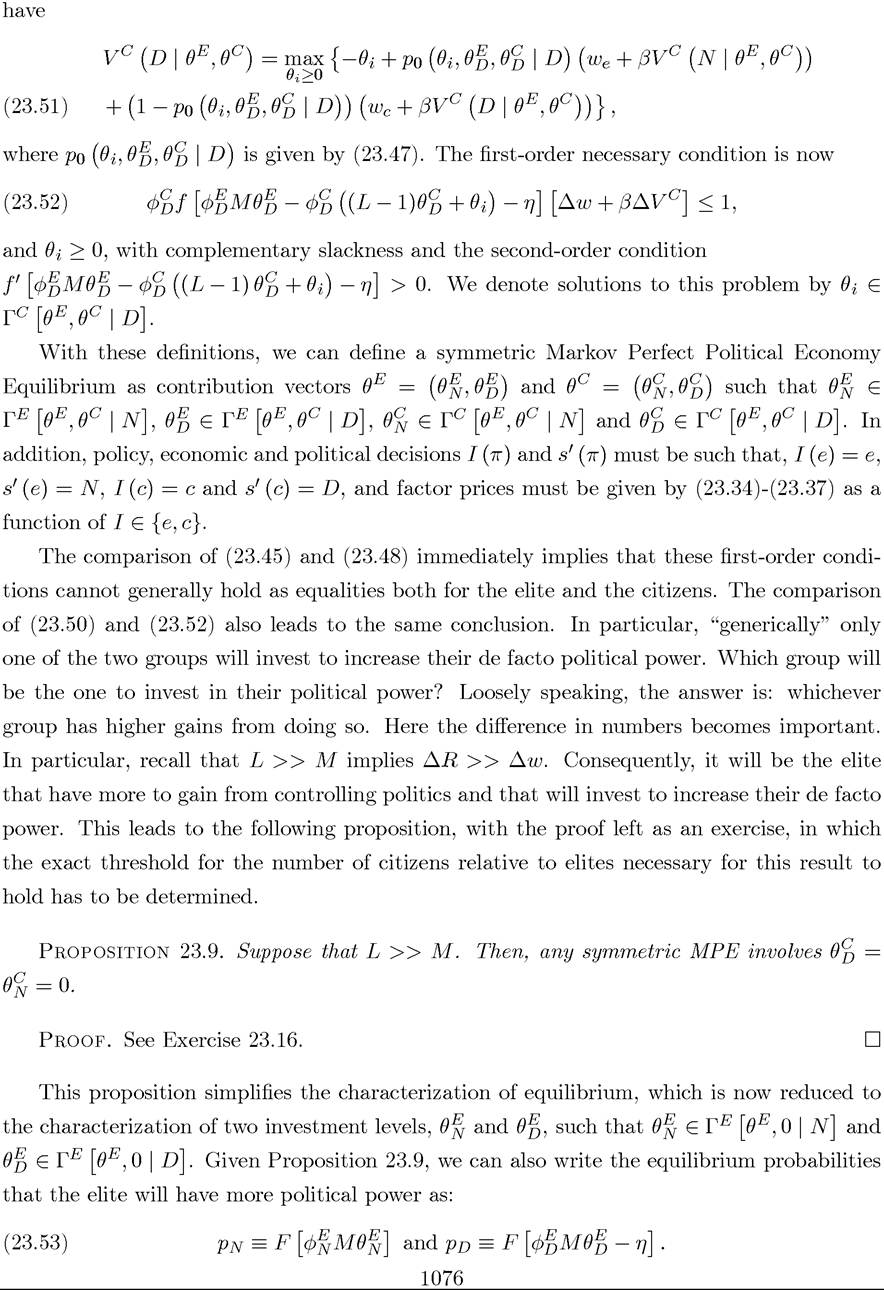
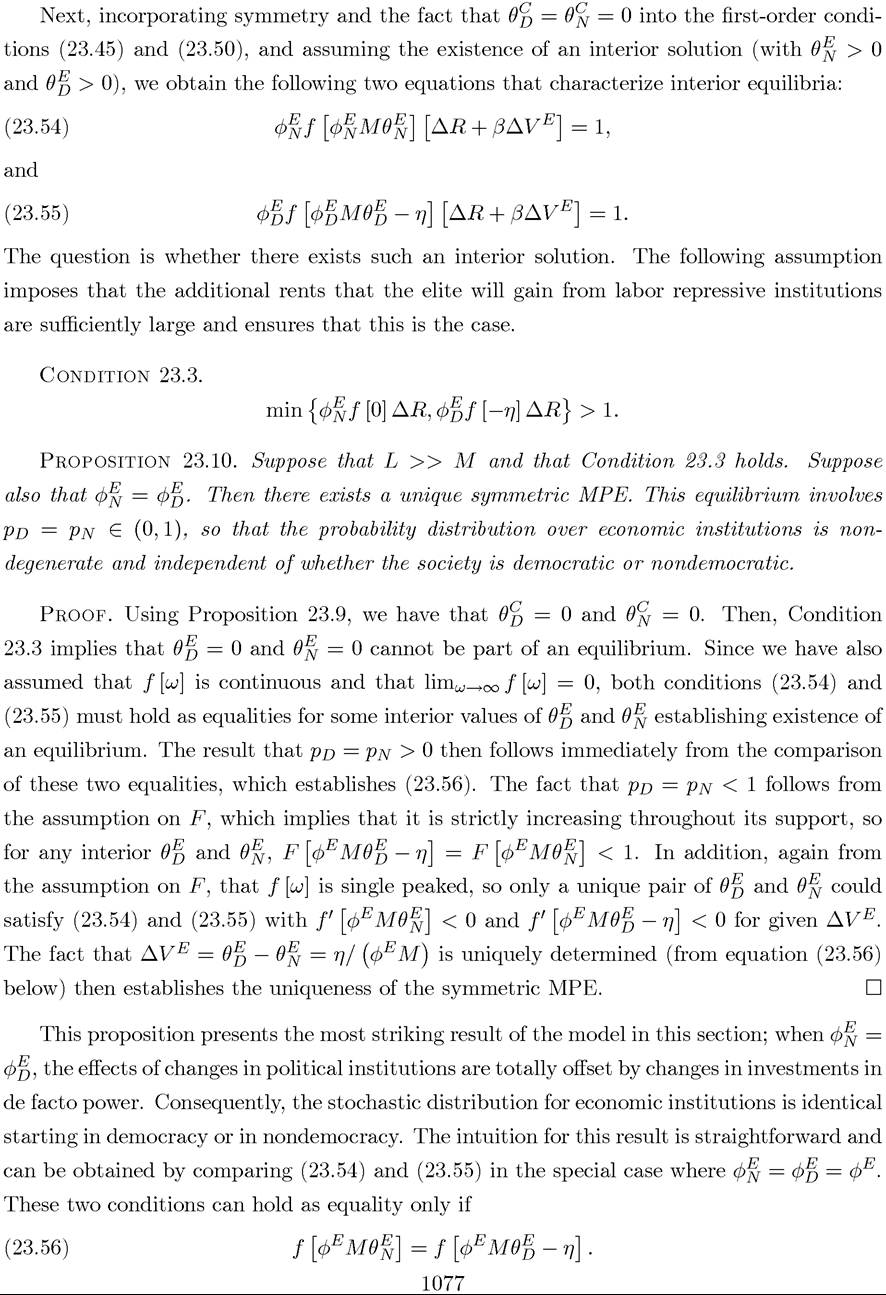
The fact that f is single peaked (which has been assumed above) combined with the second- order conditions implies that or in other words,

(23.53) then implies that p∣) = pp, which is the invariance result discussed in the Introduction.
Intuitively, in democracy the elite invest sufficiently more to increase their de facto political power so that they entirely offset the democratic (de jure power) advantage of the citizens. A more technical intuition for this result is that the optimal contribution conditions for the elite both in nondemocracy and democracy equate the marginal cost of contribution, which is always equal to 1, to the marginal benefit. Since the marginal costs are equal, equilibrium benefits in the two regimes also have to be equal. The marginal benefits consist of the immediate gain of economic rents, ∆R, plus the gain in continuation value, which is also independent of current regime. Consequently, marginal costs and benefits can only be equated if pp = pp. This result illustrates how institutional change and persistence can coexist—while political institutions change frequently, the equilibrium process for economic institutions remains unchanged.
The most important implication of Proposition 23.10 relates to the potential inefficiency of democracy relative to nondemocracy and thus to the discussion in Section 23.1. Recall that the relatively poor performances of democracies in the postwar era is a potential puzzle, especially viewed in light of the presence of some disastrous, kleptocratic nondemocracies. In the current model, an unconstrained democracy would choose competitive labor market institutions, which increase wages and serve the ma jority of the population, and these institutions would also lead to higher income per capita in the economy, because δ > 0. However, because the elite can invest in de facto political power in democracy to offset the de jure power advantage of the masses, the equilibrium looks very different. In fact, an allocation starting from nondemocracy weakly Pareto dominates one that starts in democracy, even though labor repression is socially costly (i.e., δ > 0). This is because citizens are equally well off in the two allocations, while starting in democracy the elite receive the same economic payoff but invest more in de facto power and thus are worse off.
This analysis therefore suggests that the high levels of investment in de facto political power by the elite in democracy, which are socially costly, may be one of the reasons why many democratic societies have disappointing economic performances. This source of inefficiency in democracy complements the distortionary effects of democracies emphasized so far (which resulted from distortionary redistributive taxes imposed by democratic regimes). Here democracies are inefficient because the actions by the elites to prevent democracies from choosing their preferred economic institutions and turn the democratic regime into a dysfunctional democracy.Despite its importance, especially in the context of the debate on the relationship between political regimes and growth, Proposition 23.10 may be viewed as a special case, because it depends on the assumption that the technology for de facto political power for the elite is the same in democracy and nondemocracy, i.e.,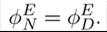 One may reasonably suspect that
the elite may may be less effective in using its resources to garner de facto political power in democratic regimes, which may successfully place constraints on their behavior. In this case, we may want to assume that The next proposition presents
the relevant results under this assumption.
Proposition 23.11. Suppose that L >> M and that Condition 23.3 holds. Then, any symmetric MPE leads to a Markov regime switching structure where the society fluctuates between democracy with associated competitive economic institutions (I = c) and nondemocracy with associated labor repressive economic institutions (I = e), with switching probabilities 1 — Pn ∈ (0,1) and 1 — p∣> ∈ (0,1). Moreover, provided that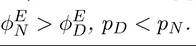
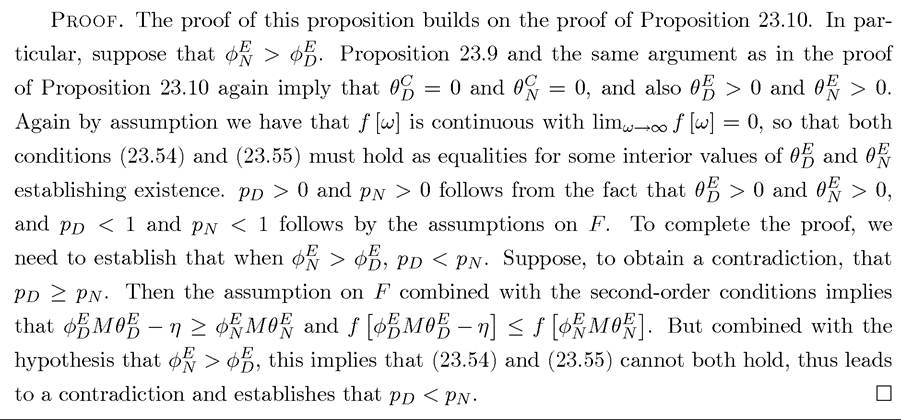
This proposition also has a number additional implications relative to Proposition 23.10. First, the equilibrium now involves endogenous switches between different political regimes. Second, there is “state dependence” or persistence, in the sense that democracy is more likely to follow democracy than it is to follow nondemocracy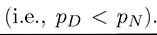 Third, the effects
of the changes in the distribution of de jure power induced by political regime change are partially offset by changes in investments in de facto power (though not fully offset as in Proposition 23.10). This offset is due to the elite’s investments in their de facto political power.
Both Propositions 23.10 and 23.11 rely on Condition 23.3, which ensures that investment in de facto power is always profitable for the elite. When this is not the case, democracy 1079
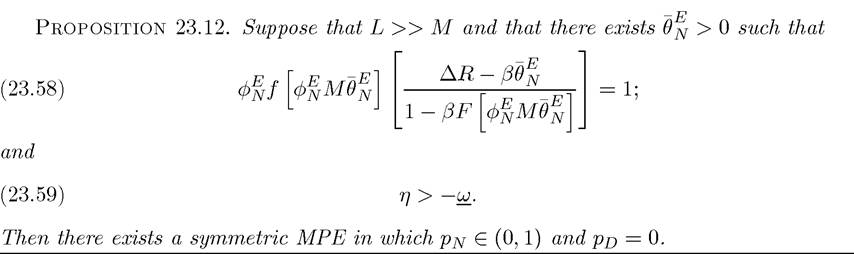
can become an absorbing state and changes in political institutions will have more important effects. This is stated in the next proposition.
Proof. See Exercise 23.18. ?
Therefore, if we relax part of Condition 23.3, symmetric MPEs with democracy as an absorbing state may arise. Clearly, Condition (23.59), which leads to this outcome, is more likely to hold when η is high. This implies that if democracy creates a substantial advantage in favor of the citizens, it may destroy the incentives of the elite to engage in activities that increase their de facto power. This will then change the future distribution of political regimes and economic institutions.
It is also interesting to note that even when (23.59) holds, the equilibrium with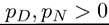 characterized in Propositions 23.10 and 23.11 may still exist, leading to a symmetric MPE with
 Consequently, whether democracy becomes an absorbing state (i.e., whether
it becomes fully consolidated) may depend on expectations.
The analysis so far has established how the interplay between de facto and de jure political power leads to the coexistence of persistence in economic institutions and change in political regimes. Equally important, however, is how the likelihood of different institutional outcomes are related to the underlying parameters. I now present a number of comparative static results shedding light on this question. To simplify the analysis, let ns focus on the case Proposition
23.10, where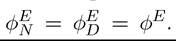 The generalization of these results generalize to the case
where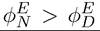 as discussed in Exercise 23.20. When
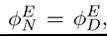 comparative statics are
straightforward since equations (23.44), (23.49) and (23.57) immediately imply that

This equation is intuitive. Proposition 23.10 implies that from the viewpoint of the elite, there is only one difference between democracy and nondemocracy; in democracy the elite have to spend more in contributions in order to retain the same political power. In particular, the per elite additional spending is equal to which is increasing in the de jure political power advantage that democracy creates for the citizens (since, in equilibrium, the elite totally offset this advantage).
Using (23.54) and (23.60) and denoting the equilibrium level of θN by Θ*n, we obtain:
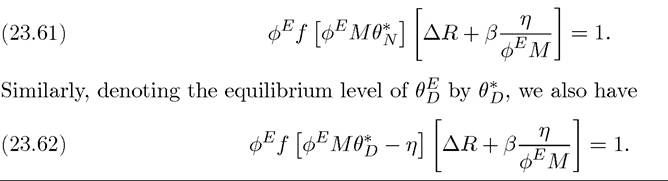
Finally, let us denote the probability that the elite will have political power by p* = p>∣) = Pn. This probability corresponds both to the probability that the elite will control political power, and also to the probability that the society will be nondemocratic and economic institutions will be labor repressive rather than competitive. Thus this probability summarizes most of the economic implications of the model.

Proof. See Exercise 23.19.
?
Many of the comparative statics in Proposition 23.13 are intuitive and do not require much elaboration. For example, the effect of the number of elite agents, M, on investments in de facto power and the equilibrium probability of nondemocracy and the effect of on the equilibrium probability of nondemocracy are straightforward to understand. Observe that M also has an indirect effect on the equilibrium, which goes in the same direction; greater M reduces ∆R (cf. equation (23.38)) and further discourages investments in de facto power via this channel.
The fact that an increase in ∆R increases the probability that the elite control political power is also natural, since ∆R is a measure of how much they have to gain by controlling political power. But this latter result also has interesting economic implications. Since ∆R will be high when λ or δ are low, we also have so that political
and economic institutions favoring the elite are more likely to arise when the elite will be able to use labor repressive institutions effectively or when the costs of repression are relatively low. A major reason why λ and δ may vary across societies is because of differences in economic structure, economic institutions and factor endowments. For example, we may expect both parameters to be higher in societies where agriculture is more important and physical or human capital-intensive sectors are less important, since labor repression may be more effective in reducing wages and may also create less distortion in such societies than in those with more complex production relations. This interpretation is consistent with the greater prevalence of labor repressive practices in predominantly agricultural societies.
The fact that a higher β also increases the likelihood of labor repressive institutions is somewhat more surprising. In many models, a higher discount factor leads to better allocations. Here, in contrast, a higher discount factor leads to more wasteful activities by the elite and to labor repressive economic institutions. The reason is that the main pivotal agents in this model are the elite, which, by virtue of their smaller numbers, are the ones investing in their de facto political power (recall Proposition 23.9) and thus take the effect of their contributions on equilibrium allocations into account. Contributing to de facto political power is a form of investment and some of the returns accrue to the elite in the future (when they secure nondemocracy instead of democracy). Therefore a higher level of β encourages them to invest more in their political power and makes nondemocracy and labor repressive economic institutions more likely.
The most surprising and interesting comparative static result concerns the effects of η. Since a higher η corresponds to a greater de jure power advantage for the citizens in democracy, one might have expected a greater η to lead to better outcomes for the citizens. In contrast, we find that higher η makes nondemocracy and labor repressive economic institutions more likely (as long as Condition 23.3 still holds). This is because a higher η makes democracy more costly for the elite, inducing each elite agent to invest more in the group’s political power in order to avoid democracy. This effect is strong enough to increase the probability that they will maintain political power. However, the overall impact of η on the likelihood of democracy is non-monotonic: if η increases so much that Condition 23.3 no longer holds, then Proposition 23.12 applies and democracy becomes fully consolidated (i.e., an absorbing state).
Some of the comparative static results in Proposition 23.13 are the outcome of two competing forces. The fact that the cost of investing in de facto political power is linear and the assumption that are important for these results. In particular, in the case where
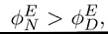 the comparative statics with respect to ∆R, β and M still hold. But those with respect to η become ambiguous; a greater democratic advantage for citizens helps them gain power in democracy, but also induces the elite to invest more in their de facto political power. Which effect dominates cannot be determined without imposing further structure.
23.5.2. Captured Democracy. The model presented in the previous two subsections provides a clear reason why democracies may not feature markedly different policies and output levels than nondemocracies. In particular, the analysis demonstrated how the exercise of de facto political power by the elite in democracy can undo the influence of the masses in democratic politics. These patterns can be interpreted as a form of democratic capture by the elite. In this subsection, I will illustrate a stronger form of capture. To do this, I will relax the assumption that the group that has power can immediately change both economic institutions 1082
and the political system. Instead, consistent with the discussion in the previous section, I will now assume that political institutions are more durable than economic institutions and policies, thus more difficult to change. I will then show how this leads to a more extreme form of captured democracy, where, in equilibrium, democratic political institutions may emerge and survive for extended periods of time, but the elite are still able to impose their favorite economic institutions.
To capture the greater durability of political institutions, let me assume that overthrowing a democratic regime is more difficult than influencing economic institutions. In particular, the elite require greater political power to force a switch from democracy to nondemocracy 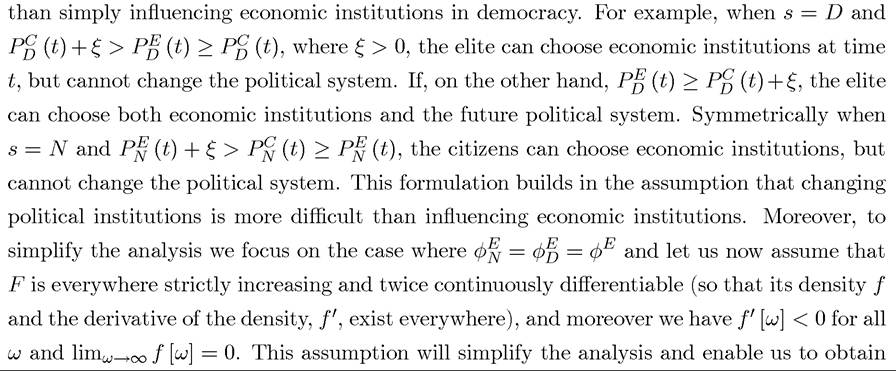 sharper results. In addition, I make one more important assumption, that citizens prefer to live in democracy, for example, because democracy provides some other benefits such as public goods and amenities, even if the probability of labor repressive economic institutions are higher under democracy.
Given these assumptions, the structure of the model is similar to before and a symmetric MPE is also defined similarly. The value functions are more complicated, but have similar intuition to those in the previous subsection. To simplify the exposition, let us impose the result of Proposition 23.9 in writing the various probabilities. In particular, suppose that  while the probability that they only have power to choose economic institutions is, as before,
Correspondingly, the value function for the elite in democracy can be written as:  where I have already imposed that when the citizens have sufficient power they will choose democracy. With similar arguments to before, the maximization in (23.64) implies the following first-order condition for an interior equilibrium:

which is now sufficient since the stronger assumptions on F now ensure that the second-order condition is always satisfied.
The main difference of this first-order condition from the one before is that the probability with which the elite gain the economic rent ∆R is different from the probability with which they secure a change in the political system. For this reason, two different densities appear in (23.65).
Similarly for nondemocracy, let us define

and

which leads to a modification of the value function for nondemocracy as

which again has a similar structure to the value function in democracy except for the presence of the utility benefit from being able to provide the public good which the elite value. Consequently, the first-order (necessary and sufficient) condition for optimal contribution by an elite agent in an interior equilibrium is also similar:

To characterize the equilibrium, let us introduce the additional notation such that

1084
finally, π = (c, e) corresponds to the citizens maintaining de jure power in democracy but losing control over economic institutions
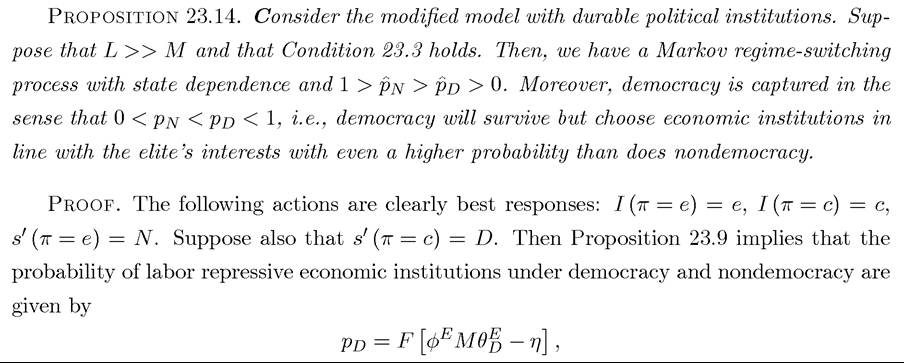
The interesting result in this case is that once the society becomes democratic, it may remain so potentially for a long time (i.e., Pd can be small), but the elite will still be able to control the economic institutions (i.e., Pd could be quite large). This is stated and proved in the next proposition.
and

Suppose, to obtain a contradiction, that Pd ≤ p∙y. This is equivalent to

Since, by assumption, f is decreasing everywhere, this implies

This equation combined with (23.65) and (23.68) implies that

Using once more that f is decreasing, this is equivalent to


The equilibrium predictions in this proposition are considerably richer than those in the previous subsection and illustrates the potential rich dynamics of equilibrium economic and political institutions. The equilibrium still takes a Markov regime-switching structure with 1085
fluctuations between democracy and nondemocracy. But in democracy, there is no guarantee that economic institutions will be those favored by the citizens. While in the baseline model the elite were able to impose both their political and economic wishes at the same time, here we have an equilibrium pattern whereby democracy persists, but the elite may be able to impose their favorite economic institutions. In fact, the proposition shows that the elite may be able to impose labor repressive economic institutions with a higher probability under democracy than in nondemocracy.
The intuition for this (somewhat paradoxical) result is that in democracy there is an additional benefit for the elite to invest in de facto political power, which is to induce a switch from democracy to nondemocracy. Consequently, the elite invest in their de facto power sufficiently more in democracy that they are able to obtain their favorite economic institutions with a greater probability. Nevertheless, the elite are happier in nondemocracy, because the cost of investing in their de facto political power in democracy is significantly higher. In fact, it is precisely because they prefer nondemocracy to democracy that they are willing to invest more in their de facto political power in democracy and obtain the labor repressive economic institutions with a high probability. What about citizens? If there were no additional benefit of democracy, then citizens would be worse off in democracy than in nondemocracy, because they would only care about economic institutions and economic institutions are more likely to be labor repressive in democracy than in nondemocracy. However, if the other benefits to citizens from democracy are sufficiently high, as we have assumed, then citizens are willing to choose a democratic regime, even though economic institutions in democracy will to be no better for them than those in nondemocracy.
The most important implication of this extended model is that a dynamic equilibrium resulting from the interaction between de jure and de facto political power may involve the emergence of democratic political institutions, but also allow for the possibility that these institutions are captured by the elite, so that they choose pro-elite policies. In this equilibrium, democracies lead to two different, and novel, inefficiencies. First, they may in fact choose inefficient pro-elite economic institutions with even a greater likelihood than nondemocratic regimes. Second, this outcome is a democratic equilibrium precisely because the elite engage in a large amount of wasteful investment in de facto power. This type of equilibrium configuration is more likely to emerge when the parameter ξ is large, which implies a high degree of durability in political institutions.
23.6.