Mutca Marriage
Mut'a marriage, a time-limited union, has been a hotly debated topic in sectarian disputes between the two main divisions of Islam for the past many centuries. This issue is also addressed here only inasmuch as the study of the legal viewpoints of Ja'far al-Sadiq is concerned.
As in the rest of the book, this study is based on reports deemed reliable by the standards mentioned in the introduction. The opinions and arguments presented here represent the understanding of those reports held by the present author and may or may not agree with the majority opinions of the Ja'far! school in its post-formative period.We begin with Ibn Qudama's concise description of the differences of opinion on this issue among the Muslim jurists of the first and second centuries:
معى 'أكاح المتعة أن بأرؤج المرأة مدة، مثل أن يقول وجتك ابتى شهرا أوسنة أوإلى انقضاء الموسم أوقدوم الحاخ وشبهه، سواء كاننا المدة معلومة أومجهولة. فهذا,كاح باطل. نئش عنه أحمد وقال: نكاح المتعة حرام.
وقال أبوكر: فيها رواية أخرى أنها مكروهة غير حرم. لأن ان منصور سال أحمد عنها فقال: يجتنبها أحب إل. قال: فظاهر هذا الكرهة دون التحريم. وغير أبي كر من أصحابتا يمنع هذا ويقول ي المسألان روابتة واحدة ي تحربها. وهذا قول عامة الصحابة والفقهاء، ومقتن روى عنه تحريمها عمر وعلي واين عمر وابن مسعود واين الزبير. قال اين عبد البر: وعلى يجريم المتعة ماكل وأهل المدينة وأبو حنيفة ي أهل العرق، والأوزي ي أهل الشام، والليث ي أهل مصر، والشافي وساوأصحاب الآثار. وقال زفر: يصخ النكاح ويطل الشط. وك عن اين عباس أنها جاول وعيه أكيرأصحابه وعطاء وطاووس.[1015] وبه قال اين جرؤ. وحي ذكل عن أبي سعيد الحدري وجاو. وإيه ذهب الشيعة لأنه قد ثبت أن التى — صلى هللا عيه وسلم — أذن فيها. وروي أن عمرقال: متعتان كانتا على عهد رسول الله — صلى الله عيه وسلم — أنا أنه عنهما وأعاقب عيهما: متعة النساء ومتعة الحخ.[1016]Mut'd[1017] marriage means that a woman is married for a [limited] period. For example, a man may say, “I wed you to my daughter for one month, or one year, or until the end of the [hajj] season, or until the arrival of the hajj pilgrims,” or the like, whether the duration is known or unknown.[1018] This is an invalid marriage.
Ahmad [b. Han- bal] stipulated this and said, “Mut'd marriage is unlawful.” Abu Bakr [al-Khallal], however, said, “According to another report, it is reprehensible but not unlawful, because Ibn Mansur [Ishaq al-Marwazi al-Kawsaj] asked Ahmad about it and he said, ‘I prefer that he avoids it.' The apparent meaning of this [statement] is reprehensibility, not unlawfulness.” Our colleagues other than Abu Bakr forbid this [type of marriage] and narrate [from Ahmad] a single opinion prohibiting it. This is the opinion of the overwhelming majority of the Companions and the jurists. Among those who reportedly considered mut'd unlawful were 'Umar, 'All Ibn 'Umar, Ibn Masud, and Ibn al-Zubayr. Ibn 'Abd al-Barr said, "Malik and the jurists of Medina maintained the unlawfulness of mut'd,[1019] [1020] as did Abu Hanifa among the jurists of Iraq, Awza'1 of the jurists of Syria, Layth of the jurists of Egypt, and Shafi'i and the rest of the Traditionists.” Zufar said, "The marriage is valid, but the condition [that is, the term stipulated] is void.” It was reported that Ibn 'Abbas held it to be permissible,[1021] and this was the view of most[1022] of his[1023] followers, along with 'Ata', and Tawus; it was also the opinion of Ibn Jurayj. [Acceptance of its legality] was also attributed to Abu Sa'id al-Khudri and Jabir [b. 'Abd Allah al-Ansari]. This view was adopted by the Shia because it was established that the Prophet (may God's prayer and peace be upon him) permitted it, but 'Umar reportedly said, “There were two mut'ds during the time of the Messenger of God (may God's prayer and peace be upon him). I forbid both and will punish for both: the mut'd of women, and the mut'd of the hdjj.”[1024]Ibn Qudama then quotes several reports suggesting that the legality of mut'd was already abrogated by the Prophet himself later in his life. The main problem with these reports is that they contradict one another when it comes to the timing and occasion of the abrogation; their settings vary from the Battle of Khaybar in the year 7 to the Prophet's Farewell Pilgrimage in the year 10, with other times and events in between also proposed as the context of the abrogation.[1025] The title of the chapter on mut'd marriage in Muslim's Sdhih attempts to harmonize the contradictory reports:
باب نكاح المتعان ويان أده أسح ثم" شخ، ثم" أبيح بم شخ، واستقنك تحريمه إلى يوم
القيامة.[1026]
Chapter on muta marriage and clarification that it was permitted and then abrogated, then permitted and then abrogated, and that its unlawfulness was then established until the Day of Resurrection.
Ibn al-'Arabi provides a more dramatic evaluation of the case:
نكاج المتعة من أغرب ما ورد في الشريعة، فإنه شخ مرنين. وليس لها أخت في الشريعة إلامسألة القنبلة فإن النسخ طرأ علها مؤنين•[1027]
Muta marriage is one of the strangest matters to come into the sharia, for it was abrogated twice. It has no parallel in the sharia, except in the case of the qibla, which was [also] abrogated twice.
However, the disparities among the reports were too great to be removed by titular suggestions or comments such as those of Muslim and Ibn al-'Arabi.[1028] As phrased, the reports require a person to believe that muta was legalized and prohibited seven different times by the Prophet.[1029] The Andalusian Maliki jurist Abu al-'Abbas al-Qurtubi, also known as Ibn al-Mu- zayyin, comments on this phenomenon:
وقند اختلفت الروايات واضطربت في وقت إباحتها وتحركها اضطرابا!شديدا، تحيث يتعذر فيها التليق ولا يحصل معه تحقيق« فعن ان أبي عمرة أنها كانتا في أول الإسلام« ومن رواية سلمة أنها كانتا عام أوطاس، ومن رواية سبرة إباحتها يوم الفتح — وهما متقاربان — بم تحركها حينئذ في حدبتيهما، ومن رواية على تحركها يوم خيبر — وهو قبل الفتح، وفي كتاب مسلم عن على نهبته — صلى هللا علته وسلم
— عنها في غزوة تبوك، وقد روى أبوداود من حدييى الربتع ين سبرة الني عنها في حجة الوداع، وروي أبغتا عن الحسن البعمي أنها ما حلت قط إلا في غمرة القضاء
— وروي هذا عن لتترة أبغتا.[1030]
The reports concerning when it [that is, mut'd] was permitted and then declared unlawful are conflicting and very confused, such that they are impossible to reconcile and none can be verified.
Ibn Abi 'Amra said it occurred in the beginning of Islam. But Salama reported that it occurred during the year of [the Battle of] Awas. And according to the report from Sabra, it was permitted on the day of the conquest [of Mecca]—the two latter dates being close—and then the prohibition of mut'd occurred on the same occasion in both reports. According to the report attributed to 'All, it was prohibited on the day of Khaybar, which was before the conquest [of Mecca]. Muslim's book attributed a report to 'All according to which the Prophet (may God's prayer and peace be upon him) prohibited it during the Battle of Tabuk. Abu Dawud transmitted a report from Rabi' b. Sabra that it was prohibited during the Farewell Pilgrimage. It was also reported from Hasan al-Basri that it was never made permissible except during the 'Umrat al-Qad [in the year 7], a report that was attributed to Sabra as well.Another major problem was that a good number of the early authorities of Islam did not believe that the prohibition came from the Prophet. In Ibn Hazm's words:
لايجوزنكاح المتعة، وهوالكاح إلى أجل، وكان حلالا على عهد رسول الله — صلى الله عله وسلم — بم، نسخها هللا نغالى على لسان رسول نسخا بادا إلى يوم القيامة« وقد ثبت على يجللها بعد رسول هللا — صلى هللا عله وسلم — جماعة من السلف — رئي الله عنهم — رواه جابر بن عيد الله عن جميع الصحابة مدة رسول الله - صلى الله عله وستم — ومدة أفي كروعمرإلى قرب آخرخلافة ءمر٠ واخلف في إباحتها عن اين الزبير، وعن علي فيها توقف، وعن عمر ين الخطاب أته إننا أنكرها إذا لم يفهد علها عدلان فقط وأباحها بشهادة عدلين. ومن التابعين: طاووس، وعطاء، وسعيد ان جبير،[1031] وسانجرفقهاء مكة — أعزها هللا.[1032] وقد تقضينا الآثارالمذكورة في كتابنا الموسوم بالإيصال. وصخ تحريمها عن ابن عمروعن ابن أبي عمرة الأنصاري واختلف فيها عن على وعمروابن عباس واين الزبير.[1033]
Mut'd marriage is impermissible, being a marriage with a time limit. It was permissible during the time of the Messenger of God (may God's prayer and peace be upon him), and then God, the Exalted, abrogated it firmly through the words of His Messenger, until the Day of Resurrection. A group of early Muslims (may God be pleased with them) affirmed its permissibility after the time of the Messenger of God (may God's prayer and peace be upon him). Jabir b. 'Abd Allah reported [a belief in] its permissibility from all the Companions during the time of the Messenger of God (may God's prayer and peace be upon him), and in the time of Abu Bakr and 'Umar until late in 'Umar's caliphate. There is disagreement as to whether Ibn al-Zubayr considered it permissible, and 'All is quoted as having suspended judgment with respect to mut'd. It is said that [even] 'Umar b. al-Khaab censured it only if it was done without two upright witnesses, and he permitted it with the condition of two upright witnesses. Among the Successors, Tawus, 'Ata', Sa'id b. Jubayr, and the rest of the jurists of Mecca (may God honor it) [allowed mut'd]. We collected all the mentioned reports in our book entitled al-isal. It has been verified as prohibited in the view of Ibn 'Umar and Ibn Abi 'Amra al-Ansari, but there is disagreement regarding the views of 'All, 'Umar, Ibn 'Abbas, and Ibn al-Zubayr.[1034]
It was as if the jurists of Mecca and other students of Ibn 'Abbas had never heard of the event that the reports claim happened in the lifetime of the Prophet, namely, the abrogation of the legality of mut'a. The nature of the subject, however, required that a large portion of society, not only a few individuals, would have heard about the ban if one had been issued.[1035]
At the same time, one can clearly observe an attempt by various hadith transmitters who were active in the late first and early second centuries and unaware of similar efforts by others, to suggest that mut'a had indeed been abrogated already by the Prophet and not, as seems to have been commonly believed at the time,[1036] by a decree from 'Umar. For 'Umar to have canceled an endorsement of the Prophet would have posed a major doctrinal problem, and that, in turn, would have offered an enormous boost to the anti-orthodox trend in Islam to attack their rivals, a potential that has been used since the early centuries down to our own time. The case of mut'a in fact offers a spectacular example of how hadith developed as an effective tool in early sectarian debates[1037] of the late Umayyad and early Abbasid period to defend orthodoxy. Simultaneously, another body of material emerged, tailored toward the same end, as cilm rijal al-hadith, with the explicit aim of proving the authority and reliability of the transmitters who were active in defending orthodoxy in that period when orthodoxy needed it most.[1038]
It is common in sectarian disputes like this to come across unpolished, contradictory reports that look as if they were put together in haste to abort an imminent or ongoing dispute.[1039] The simple fact that a good number of these reports put the same message, though with discrepancies in timing and wording, in the mouths of those CompanionsAli and Ibn 'Abbas in particular—who were commonly believed to have objected to the caliph's decision in this case, seems to be a clear attempt to rebuff the caliph's opponents in this matter,[1040] and makes one extremely suspicious about the provenance of these reports.[1041]
The theory of abrogation used in this case by various transmitters and then authors to support their point of view also deserves special attention. The concept was used so liberally in various contexts that it raised the objection of scholars such as Ibn al-Qayyim (d. 751), who said,
المتحرون كلما استبعدوا شيها قالوا منسوخ ومازوك العمل به.'[1042]
Whenever the later jurists deemed something unusual, they said it was abrogated and not applied in practice.
The sources tell us that temporary marriage was a pre-Islamic institution commonly practiced in Mecca.[1043] Arabs from various parts of Arabia came to Mecca for a few months every year to worship their idols and engage in trade. They never took their women with them in order not to expose them to the hardships and dangers of traveling in the desert. But the Arab pilgrims and traders nonetheless needed someone to take care of them and look after their merchandise or possessions while in Mecca during their long stay. So each man would make a contract of temporary marriage with a local woman for the duration of his stay in return for a gift or the advance payment of a full year's or part of a year's maintenance for the woman.[1044] The Prophet endorsed this institution as an accepted form of marriage in the society of his time.
63
64
65
So muta was not a type of prostitution or “sex-for-money,” so to speak. Otherwise, a Messenger of God would not have instructed his followers to practice it, even for the smallest length of time, in the ethical community of believers that he established. The repeated argument of the opponents of muta that it was in effect a form of prostitution allowed by the Prophet as a temporary solution in this or that war because of necessity,[1045] drawing on the legal precedent of the lawfulness of eating carrion under necessity, is likewise flawed in its implications.
First, the suggestion that it was in the context of war that the Prophet allowed muta is an invention invoked to raise the issue of necessity. What the sources tell us is that the institution was older than Islam and that the Prophet simply allowed it to continue in society; they offer no evidence that the permission was provided in the exceptional circumstances of war. The wording of the statement by 'Umar, as quoted above by Ibn Qudama, clearly invalidates the claim that the Prophet legalized muta only for a couple of days during a particular war:
متعتان كانتنا على عهد رسول هللا.
There were two mutas during the time of the Messenger of God.
Second, the permission to eat carrion in situations of necessity represents a very different category. Eating carrion is a personal act involving no social or ethical harm, and the permission to do so applies when there is no other option short of death by starvation. But how could a prophet ever legalize prostitution? How could a prophet allow fornication when the choice of the far less evil option[1046] of masturbation was available and allegedly often practiced by Muslim soldiers during the jihad wars of the caliphate and early Umayyad times?[1047] If it was ever allowed by the Prophet, muta must have been, in the non-Muslim Arab society of his time and earlier, an acceptable form of legal union between a man and a woman in a personal relationship. If it was allowed, for it to be consistent with the requirements of an Islamic union by definition, it must have entailed a minimum sense of mutual responsibility and protection, together with comfort and affection, as mentioned in the Qur'an as the ultimate wisdom behind the union of a man and a woman as partners in a personal relationship,[1048] even if for a specified span of time. It must have been a contract that embodied the major legal requirements of a marriage as understood at the time, as well as its attendant consequences, such as assignment of paternity for any children born into the marriage and possibly a waiting period for the woman after its termination.
According to one family of reports, the institution remained in effect during the lifetime of the Prophet and Abu Bakr,[1049] until sometime in the caliphate of 'Umar, variously specified as the beginning,[1050] the middle,[1051] or the late years of his time.[1052] It was banned by 'Umar, creating a doctrinal dispute over whether a caliph had such authority to ban what the Prophet allowed. Some thought that the endorsement of the Prophet made mut'a valid forever, while others contended that the practice was prohibited, with a majority subsequently being convinced that it was the Prophet himself who had prohibited it.[1053] According to Ibn Qudama in the paragraph cited above, the first opinion—that is, the continuing legality of mut'a—was supported in the first century and the first half of the second century by the school of Ibn 'Abbas, also known as the school of Mecca,[1054] whereas the second opinion was held by a large majority of the schools of Medina and Iraq.
Ja'far al-Sadiq and his father represented the first tendency:[1055]
أبومريم عن أبي عبد الله قال: المتعة نزل بها القرآن[1056] وجرت بها اسلئة من رسول الله
— صلى لله عله وآل وسئم«[1057]
[Abu Maryam:] Abu 'Abd Allah said, “Mut'a was revealed in the Qur'an and established in the Sunna by the Messenger of God (may God's prayer and peace be upon him and his Family).”
[محتد ين[ عبد الرجن ين أبي يلى قال: سألا، أبا عبد الته هل ضخ المتعة شء ؟ قال: لا'[1058]
[Muhammad b. 'Abd al-Rahman:] I asked Abu 'Abd Allah, “Was mut'd abrogated by anything?” He said, “No!”[1059]
Over time, some of those in favor of the legality of mut'd began to interpret the concept too liberally, concluding that a mut'd contract could be for any length of time, even for an hour or two, and solely for a monetary payment. Such conditions would naturally compromise the marital nature of the institution, potentially reducing it in some instances to a mere exchange of sex for money, the legal definition for prostitution.[1060] This is an erroneous understanding that is regarded as corrupt and strongly condemned in the reports from Ja'far al-Sadiq as in the following examples:
عن جعفربن مخمدأن رجال سأل عن نكاح المتعة٠ قال: صفه لي٠ قال: يلفى الرجل المرأة فيقول: أتزوجك بهذا الدرهم والدرهمين، وقعة أو يوما أويومين. قال: هذا زنا.[1061]
A man asked Ja'far b. Muhammad about mut'd marriage. He said, “Describe it to me.” He said, “A man meets a woman and says, ‘I wed you with this dirham or two dirhams, for one encounter, a day, or two.'” He said, “This is fornication.”
هشام ين الحكم عن أبي عبد هللا ي المتعة، قال: ما يفعلها عندنا إلاالفواجر.[1062]
[Hisham b. al-Hakam:] Abu 'Abd Allah said regarding mut'd, “Nobody in our society engages in it except the licentious.”
عبد الله ين سنان قال: سألت أبا عبد الله عن المتعة فقال: لاتدش نفسك بها.[1063]
['Abd Allah b. Sinan:] I asked Abu 'Abd Allah about mut'd. He said, “Do not sully yourself with it.”
This much suffices for the purpose of the present work. I would, however, like to add a few words about the theological background of this dispute.
A well-known principle in Ja'fari law holds that the prescriptions that the Prophet left his community with regarding what was lawful and what was unlawful continue as valid in perpetuity:[1064]
عن زررة عن أبي عبد الله قال: حلال محتد حلال أبداإلى يوم القيامة وحرمه حرم أبدا إلى يوم القيامة.[1065]
[Zurara:] Abu 'Abd Allah said, “What Muhammad left lawful is lawful forever until the Day of Resurrection, and what he left unlawful is unlawful forever until the Day of Resurrection.”
Later decisions by the Companions or by subsequent generations could not challenge the permanent validity of the Sunna of the Prophet. Leaders of the Muslim community had discretionary authority to modify the application of the law, but any such modifications were temporary, valid only as long as the specific conditions requiring the modification existed. Only what the Qur'an and the Sunna of the Prophet ordered people to do or not to do constituted permanent laws. Likewise, the learned and qualified among the Companions and later generations had their own understandings, and expressed and followed their own interpretations, of the Qur'an and the Sunna. But those understandings and interpretations were not binding on others, unless they were unanimously agreed upon by the entire Muslim community, a fact that would attest to their Prophetic background. In the legal thought of Ja'far al-Sadiq, deviations from the Prophet's Sunna, as legitimate as they might have been in their times, do not create a legal precedent, that is, an example to be followed by others in perpetuity.
أبو بصير قال: قال لي أبو عبد هللا: يا أبا محمدا[1066] كان عندي رهط من أهل العمة فسألوني عن الخخ فأخيرتهم بما صنع رسول الله — صلى الله عله وآل وسلم — ونبا أمربه، فقالوا لي إن عمرقد أفرد الخخ، فقدت لهم: إن هذا رأى ره عمر، وليس رأى عمركما صنع رسول هللا — صلى هللا عيه وآل وسلم«[1067]
[Abu Basil:] Abu 'Abd Allah said to me, “I was visited by a group of people from Basra and they asked me about the hajj, so I told them what the Prophet did [performing tamattuc, which combines the hajj and the Umra] and what he ordered. They said to me, ‘But 'Umar performed the hajj alone [that is, hajj ijrad, which is not accompanied with the Umra].' I said to them, ‘This was an opinion that 'Umar held, and the opinion of 'Umar did not accord with what the Prophet did.'”
'Abd Allah, the learned son of 'Umar, had a similar reaction to the same question:
عن سالم ين عبد الله أئه مسع رجال يسأل عبد الله ين عمر عن النمتع بالعمرة إلى الحخ. قال عبد لله ين عمر: ه [يعي متعة الخخ] حلال.' فقال الشاي: إن أباك قد نه عنها' فقال عبد الله ن عمر: أرينا ان كان أبي نه عنها وصنعها رسول الله —
صل الله عله وسلم - أأمرأبي يقبع أم أمررسول الله — صل الله عله وسلم؟ فقال
الرجل: بل أمر رسول الله — صل الله عله وسلم. فقال: لقد صنعها رسول الله —
لا لا
صل لله عله وسلم.89
[Salim b. 'Abd Allah:] A [Syrian] man asked 'Abd Allah b. 'Umar about tamattuc, in which one combines the cumra and the hajj. 'Abd Allah b. 'Umar said, “It is permissible!” The Syrian man said, “Your father forbade it!” 'Abd Allah b. 'Umar said, “If my father forbade it and the Messenger of God (may God's prayer and peace be upon him) performed it, do you think that it is my father's order that is to be followed or the order of the Messenger of God (may God's prayer and peace be upon him)?” The man said, “Rather, the order of the Messenger of God (may God's prayer and peace be upon him) [should be followed].” He said, “Indeed, the Messenger of God (may God's prayer and peace be upon him) performed it.”
This was also the response of the Companion Sa'd b. Abi Waqqas in the following episode:
عن محمد بن عبد لله ين الخارث ين نوفل أنه مسع سعد ين أبي وقاص والضحاك بن قيس وهما يذكران التمتع بالعمرة إلى الخخ، فقال الضحاك ين قيس لايصنع ذلك إلا من جهل أمر لله.' فقال سعد: بئس ما قلت يا اين ألمي.' فقال الضحاك بن قيس: فإن
89 Tirmidh, Sunan, no. 824.
عمرين الخطاب قد نه عن ذلك. فقال سعد: قد صنعها رسول هللا — صلى هللا عله وسلم — وصنعناها معه.[1068]
[Muhammad b. 'Abd Allah b. al-Harith:] Sad b. Abi Waqqas and Dahhak b. Qays were discussing the tamattuc, in which one combines the Umra and the hajj. Dahhak b. Qays said, “Nobody does that except someone who is ignorant of God's command!" Sa'd said, “That is a terrible thing to say, O son of my brother!" Dahhak b. Qays said, “'Umar b. al-Khattab forbade it." Sa'd said, “The Messenger of God (may God's prayer and peace be upon him) performed it, and we did it with him."
In some cases in which the practice of the Companions seemed to diverge from the Sunna of the Prophet, the apparent discrepancy was only caused by reasons that prompted the Companions to act differently. An example is provided by a conversation between Jafar al-Sadiq and Sufyan al-Thawri, already quoted earlier:
عبد الرحمن ين الخجاج عن أبي عبد اهللا قال: إن سفيان فقيهكم أتافى فقال: مايحملك على أن تأمرأصحابك يأتون الخعرانة فيحرمون منها؟ فقلت ل: ه وقت من مواقيت رسول هللا — صلى اهللا عنه وآل وسلم. قال: بلى١٠ ولكن أما علمت أن أصحاب رسول اهللا — صلى اهللا عنه وآل وسلم — إدا أحرموا من المسجد؟ فقلت: إن أولئك كانوا متمثعس ي أعناقهم الدماء، وإن هؤلاء قطنوا بمكة فصارواكأنهم من أهل مكة، وأهل مكة لا متعة لهم.[1069]
['Abd al-Rahman b. al-Hajjaj:] Abu 'Abd Allah said, “Sufyan, your local jurist, came to me and said, ‘What makes you order your followers to go to Ji'rana to assume the state of pilgrim sanctity there?' I said to him, ‘It is one of the hajj stations assigned by the Messenger of God (may God's prayer and peace be upon him and his Family).' He said, ‘Yes! But did you not know that the Companions of the Messenger of God (may God's prayer and peace be upon him and his Family) assumed the state of pilgrim sanctity at the Mosque [of Shajara]?' I said, ‘They were performing the hajj of tamattuc and had to offer sacrifice. But these people [whom I advised to go to Ji'rana] reside in Mecca, so it is as if they are of the people of Mecca, and the people of Mecca do not perform tamattuc.'"
A pious leader of the Muslim community would never try to change or cancel the laws of the Qur'an and the Sunna. Once Islam reached its complete, final status shortly before the death of the Prophet,[1070] these laws were meant to be permanent.[1071] What a pious leader of the Muslims may legitimately do is to put temporary restrictions on the application of specific laws in response to circumstances that make such a halt necessary at the time to protect a more important interest of the Muslim community. Likewise, he can ban a widespread abuse of law. Consider the following report:
الفضل قال: سمعت أبا عبد لله يقول: بلغ عمرأن أهل العراق يزعمون أن عمرحرم المتعة فأرسل فلائا — قد مساه — فقال: أخم١هم أفي لم أحرمها، وليس علمرأن بحرم ما أحل الله، ولكن عمرقد نه عتها.[1072]
[Fadl b. 'Abd al-Malik:] I heard Abu 'Abd Allah say, '"Umar was informed that the people of Iraq [that is, the Muslim immigrants who had just settled in the region] said that 'Umar had declared mut'd unlawful, so he sent someone—whose name he mentioned—and said, ‘Inform them that I did not declare it to be unlawful, and 'Umar does not have the authority to declare unlawful what God has deemed lawful. Rather, 'Umar forbade it.'"
This was what the Prophet, too, reportedly did in certain cases, issuing an order that was bound to specific circumstances:
الحلى قال: سألت أبا عبد الله عن الوباء كون في ناحية المعر فيتحول الرجل إلى ناحية أخرى أو كون في معر فيخرج منه إلى غيره؟ فقال: لا بأس. [قلت: بلغتا أن رسول الله — صلى الله عيه وآل وسلم — عاب قوئا بذلك؟ فقال:][1073] إقا نه رسول الله - صلى لله عله وآل وسلم — عن ذلك لمكان رييئة كانت بحبال العدؤ فوقع فيهم الوباء فهريوا منه، فقال رسول لله — صلى لله عله وآل وسلم: »الغائر منه كالغارمن الزحف«، كرهية أن بحلوا مركزهم«[1074]
['Ubayd Allah al-Halabi:] I asked Abu 'Abd Allah about a scenario in which an epidemic occurs in part of a town and a man relocates to another part, or he leaves the city he is in for another one. He said, “There is nothing wrong with that.” I said, 'We were informed that the Prophet censured some people for doing that.” He said, “The Prophet forbade that in the case of [soldiers at] an observation post that was facing the enemy. Some of them succumbed to an epidemic, so they fled from there. The Prophet said, ‘The one who flees from it is like the one who flees from the enemy,'[1075] not liking for posts to be abandoned.”
حريز عن أبي عبد الله قال: سئل عن سباع الطير والوحش، حى دكر النافذ والوطواط والحميروالبغال والخيل« فقال: ليس الحرم إلاما حرم لله فيكتابه، وقد نه رسول لله — صلى لله علنه وآل وسلم — يوم خبير عن أكل لحوم الحمير، وا نهاهم من أجل ظهرهم أن دفنوه. وليس الحميربحرم«[1076]
[Haiz:] Abu 'Abd Allah was asked about [the meat of] predatory birds and beasts, down to hedgehogs, bats, donkeys, mules, and horses. He said, “Nothing is unlawful except what God made unlawful in His Book.
The Messenger of God (may God's prayer and peace be upon him and his Family), banned eating the meat of donkeys on the day of Khaybar, but he banned it [as an executive order for that specific time] because the Muslims needed these animals to carry their loads. But donkeys are not unlawful.”[1077]
الحلى قال: سئل أبا عبد الله عن الرجل يشهى الثمرة المستاة من أرض فهلك ثمرة تكل الأرض كلها، فقال: قد اختصموا في ذلك إلى رسول لله — صلى لله عله وآل وسلم — فكانوا يذكرون ذلك، فلمنا رآهم لا بدعون الخصومة نهاهم عن ذلك ابيع حى تبلغ الثمرة، ولم تجرمه ولكن فعل ذلك من أجل خصومتهم.[1078]
['Ubayd Allah al-Halabi:] Abu 'Abd Allah was asked about [a scenario in which] a man buys a determinate amount of fruit from a tract of land [as a future contract, salam], but all of the fruit from that land tract perishes. He said, “Some people brought such a dispute to the Prophet (may God's prayer and peace be upon him and his Family), and they continued to bring it up. When he saw that they would not stop quarreling, he forbade them to make such sales until the fruit ripened. He did not declare it unlawful, but he did that [that is, he forbade it in that specific case] to settle their dispute.”
So there is a difference between tahrim, declaring something unlawful, which falls within God's exclusive jurisdiction, and nahy, banning something for a limited period. The latter can be done by the leaders of the Muslim community, who have discretionary authority to issue executive orders on a temporary basis.
There is a story that, if authentic, explains the background of, and motive behind, 'Umar's move to announce a ban on mut'a. It is reported in a number of variants, all of which agree on the focal point:
يقال إن عمروين حريثة استمتع من امرأة من بى سعد ين كرفولدت فجحد ولدها. واستمتع سلمة بن أمية بن خلف من سلى مولاة حكيم بن أمية. فولدت فجحد ولدها. واستمتع عبد الله بن أبي عوفى السهمي من بلت أبي بيبة مولاة هشام بن الوبد ين المغيرة — وكانحد تبيع الماب ونشى يتها — فولدت ل يوسف. فقال ل عمر: أتعبى بهذا الغلام؟ قال: لا! قال: لو قاحل «نعم« لرجتك بالحجارة — وكان عمريعرى هذه المرأة بالبسوء — فحرم المتعة.1“1
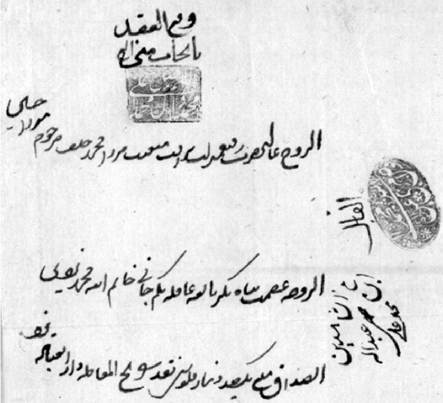
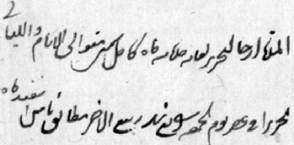
It is said that 'Amr b. Hurayth[1079] [1080] entered a muta marriage with a woman from [the tribe of] Banu Sa'd b. Bakr. She gave birth and he denied paternity of the child. Salama b. Umayya b. Khalaf[1081] also entered a muta marriage with Salma, a client of Hakim b. Umayya. She gave birth and he denied the child. And 'Abd Allah b. Abi 'Awf al-Sahmi entered a muta marriage with the daughter of Abu Labiba, the client of Hisham b. al-Walid b. al-Mughira—she used to sell wine and her house was frequented [by evildoers]—and she bore him Yusuf. 'Umar said to him, “Do you acknowledge this child?” He said, "No!” He said, "If you had said yes, I would have stoned you.” ('Umar knew that woman was immoral.) So he declared muta unlawful. الأجلح قال: سمعت أبا الزبير يقول ي ما يروي عن جاير ين عبد هللا: تمتع عمرو ين حريف من امرأة بالمدينة فحلئا، فأق بها عمرفأرد أن برصربهافقالت: ياأميرالمؤمنيرا تمتع مى عمرو ين حربك. فقال: من شهد لكاحك؟ فقالت: أي وأخي. فقال عمر: بغير ولي ولا شهود ؟ فأرسل إلى عمرو ين حريف فقام عله وسأله، فقال: صدقت. فقال عمرللناس: هذا لكاح فاسد، وقد دخل فيه ما نرون. فرأى عمرأن يحرمه.[1082] [Al-Ajlah:] I heard Abu Zubayr say, as was reported on the authority of Jabir b. 'Abd Allah, "'Amr b. Hurayth entered a muta marriage with a woman in Medina and she became pregnant. 'Umar went to her, wanting to beat her [in punishment for fornication]. She said, ‘O commander of the faithful! 'Amr b. Hurayth entered a muta marriage with me.' He said, ‘Who witnessed your marriage?' She said, ‘My mother and my sister.' 'Umar said, ‘Without the [marriage] guardian and wit- nesses?'[1083] He sent for 'Amr b. Hurayth and stood up to confront him and asked him. He said, ‘She has spoken the truth.' Then 'Umar said to the people, ‘This is an invalid marriage. You see what it involves.' So 'Umar decided to declare it unlawful.” عن جاير ين عبد الله قال: استمتعت من النساء على عهد رسول الله — صلى الله عليه وسلم - وزمن أبي بكر، بم زمن عمر، حى كان من شأن عمرون حرث [ما] انذي كان، فقال عمر: إنا كنا نستمتع وني وإفي أراكم تستمتعون ولا تفون، فانكحوا ولا تستمتعوا.6’‘1 [Jabir b. 'Abd Allah:] I entered into mut'd marriages with women during the time of the Messenger of God (may God's prayer and peace be upon him), the time of Abu Bakr, and then the time of 'Umar, until the affair of 'Amr b. Hurayth occurred. Then 'Umar said, 'We used to enter mut'd marriages and stood by our responsibilities, but I see that you enter mut'd marriages but do not stand by your responsibilities, so marry but do not enter mut'd marriages.” So 'Umar's decision in this case, regardless of the differences in the specific language used by the transmitters, was based on a valid administrative consideration17 that fell under what Muslim scholars in later periods termed siyasa shar'iyyd, decisions properly within the discretionary authority of the ruler of the Muslim community.[1084] [1085] [1086] Leading jurists in the late second century maintained that this kind of an executive order remains valid as long as the specified reason behind it continues to apply. Once it lapses, the original law of the Qur'an or the Sunna of the Prophet again enters into effect.[1087] The situation with regard to mut'a has changed dramatically with the passage of time and place. 'Umar's concerns were valid and legitimate in their context, with regard to the possibility of a denial of paternity if muta was performed with an unchaperoned party and in the absence of witnesses. But the actual situation could vary from time to time and culture to culture. Today, those who have been raised in a Shi community, including the present author, know that the most common reason for an already married man to undertake a valid mut'a marriage is, and has long been, the infertility of the first, permanent wife or, occasionally, the absence of a male child in the family. A man's marrying a second permanent wife is not always an option, whether because of his financial situation, because of particular cultural tastes, because of a desire to avoid jeopardizing love, peace, and happiness in his family, or because of respect and a feeling of indebtedness toward his primary life partner. The birth of a child in the life of a man whose permanent wife is infertile is a blessing that he receives with the greatest joy, pride, and gratitude—making for a situation very different from the culture of Medina in the time of 'Umar, as reflected in the anecdotes quoted above. However, the occasional cases of paternity denials, which still occur when the marriage is not registered (even with ordinary or “permanent” marriages), continue to be a source of concern, analogous to the situation in Medina of his time. I wish to make three additional points before finishing with this subject and moving on to the next topic. First, Qur'an 30:21 explains the purpose of marriage in unambiguous terms: زؤمن آقاه أن حنق لكم من أدهدسكم أزواجا.لثمدكنواإللها وجعل بئنكم مؤد ؤرئعة)■ And among His signs is that He created mates for you from among yourselves, so that you may find peace and comfort with them, and He created love and affection between you. Judging the matter solely on the basis of the Quanic wisdom for marriage in a situation in which the religious reports are so contradictory and unreliable, and in which the early Muslim authorities disagreed so sharply, a nonpartisan jurist may legitimately argue that when permanent marriage is out of the question for one reason or another[1088] such as, according to some opinions, a difference in religious affiliation between the partners,[1089] time-limited arrangements to secure mutual peace and comfort as well as love and affection fall under the original legality of mufa, provided that all other essential conditions of an Islamic marriage[1090] are met and that the evils warned against in Qur'an 4:25 and 5:5 are avoided.[1091] This, however, can in no way justify reports that encourage the practice of muta,[1092] except insofar as those reports reflect an irritated reaction to the demonization of muta by members of the opposing camp.[1093] Moreover, as warned in works on hadith forgery in the sections on foods, sweets, and fruits, one must be very suspicious of reports in cases that deal with human desires and temptations as well as those that involve social, local, and tribal bias, such as reports that praise or blame specific towns and regions. With the school of Mecca being in favor of the lawfulness of muta until the mid-second century and its chief jurist, 'Abd al-Malik b. 'Abd al-'Aziz b. Jurayj (d. 150), having married sixty,[1094] seventy,[1095] or ninety[1096] muta wives in the course of his life, it is evident that Muslims could still freely practice muta without significant problems, at least in Mecca.[1097] The fact that Ja'far al-Sadiq and his father openly argued for the continued lawfulness of muta clearly indicates that there was no need to observe precautionary secrecy on the subject in their lifetimes. Yet there is not a single report to suggest that either of the two Imams ever entered a mut'a marriage, although if they seriously wanted to encourage their followers to do so, the best and most effective way would have been to do it personally and make it known to the community of their followers.[1098] Second, mut'a as a category of marriage[1099] has the same essential conditions as permanent marriage,[1100] most importantly the required waiting period after the termination of the union.[1101] However, the way in which it was practiced in the first half of the second century, when supporters of its legality were still present among the majority, did not at times fully accord with the terms and conditions of an Islamic marriage. It was a misinformed, misunderstood, and corrupt practice that Ja'far al-Sadiq constantly complained about, as demonstrated by some of the statements quoted above.[1102] The reports from Ja'far al-Sadiq and his father emphasized that the Prophet never abrogated the legality of the category of marriage called mut'a and that 'Umar, as the leader of the Muslim community, had no authority to abrograte it, and in fact never intended nor tried to do this. What he did was to ban a practice that had given rise to a pattern of widespread abuse of the law in his time. Mut'a as a legal category was, therefore, still lawful in principle. The focus of the debate was thus on the theoretical and theological aspects of the question of mut'a. That never meant that every member of society, those with permanent wives in particular,[1103] should or would in fact engage in the practice. Figure 1 This is an example of a document illustrating the terms of a mufa marriage, from early thirteenth-century Yazd (in the central region of Iran), published in Ja'farian, Nuskha-khwam, 24:166-67. ء٠ءءلمكس٠انر—٠ Document Text: • Husband: Mirza Muhammad, son of the late Mirza Husayn. • Wife: Jani Khanum, daughter of Muhammad Yazdi. • ?adaq [the nuptial gift]: The amount of one hundred dinars offulus, of common usage in the Dar al-'Ibada of Yazd. • Duration: From the date of this document for three successive, full solar months. • Date: In the afternoon of Friday, 4 Rabi' al-Thani = 8 of [the Persian, solar month of] Isfand of the year 1232. Top of document: The [marriage] formula of ijab [that is, the offer of marriage on behalf of the woman] was recited by me [the seal of the marriage officiant with the name of Muhammad]. Right margin of the document: The acceptor [of the marriage on behalf of the man] [the seal of the person who represented the husband in accepting the marriage, also with the name of Muhammad]. Right margin of the document, below the testimony of the husband's representative: [We are] from among the witnesses: [I] 'Abd Allah, son of Muhammad [II] Muhammad 'Ali. The third and final point is that when it came to marital relations, many ethnic, tribal, and regional cultures among the Muslims frowned upon the concept of temporary marriage, in the same way that many contemporary Muslims frown upon bigamy, and when they hear about a case of it, their spontaneous reaction is to ask, 'What was wrong?”[1104] [1105] Many families would never sanction anything short of a permanent relationship for either their sons or their daughters. It was never a choice for men and women from noble, upper-class families, either.[1106] To a great extent, this was because of the mentality created by the misconceptions of the ignorant and the misconduct of unethical, licentious people as condemned by Ja'far al-Sadiq, but also because of a class and family culture that had nothing to do with lawfulness and unlawfulness, as explained above. In sum, the fact that muta was lawful did not mean that it was advisable, in good taste, or desirable to all. There were—and are—numerous other “lawful” things that many people would nonetheless never approach.[1107] To those who might insist that anyone who considers a practice legal should be ready to do it themselves, the following brief examples should provide clarification. A number of hadith-oriented jurists in the early and later periods considered the urine of a camel to be lawful to drink,[1108] even if not as a remedy for certain illnesses, as some people in ancient times had advocated. But did this mean that a certain 'Abd Allah b. 'Umayr al-Lay- thi,i3٠ who in a conversation about mut'd with Muhammad al-Baqir confused lawfulness with desirability,[1109] [1110] drank a glass of “camel cola” with his daily breakfast? Perhaps he did, but the overwhelming majority of human beings never shared his enthusiasm. Similarly, some early jurists and later schools considered lizards, jerboas, and whole frogs to be lawful for con- sumption,[1111] but did 'Abd Allah b. 'Umayr al-Layth enjoy these items for his daily lunch and dinner? Perhaps he did, but not everybody would find these items as appetizing as he did. The oft-repeated question of some opponents of the concept of mut'd as to whether those who believed in its lawfulness would allow their female relatives to practice it[1112] is thus irrelevant. IV.
More on the topic Mutca Marriage:
- One issue that marriage always raises centers on property: if two persons from different families form a household, what effect will that have not only on the property they each own at the time the marriage is contracted but also on what they acquire during the marriage?
- The main criteria for a valid marriage in Roman law were the consent of both parties (and the paterfamilias of each) and the absence of any legal prohibitions on marriage between the two people involved [see Chapter 2, Part I.A.2]. In both the classical and late antique periods, the major prohibitions on marriage derived from kinship and status.
- Nikah-Only Marriage Is Non-marriage
- Marriage and marriage dissolution
- In her book, The Virgin and the Bride: Idealized Womanhood in Late Antiquity, Kate Cooper argues that the Christian ideal of virginity was persuasively presented to Roman urban elite in terms that shifted the dependence on marriage (and the benefits that this social agreement implied) to “a model of otherworldly allegiance”[79] that dispensed with marriage.
- Marriage and marriage arrangements
- MARRIAGE
- Free Marriage
- Marriage
- Marriage and Family
- Early Marriage
- Marriage
- A The purpose and nature of marriage
- Mountain Marriage
- Ages of marriage and custody