12.14.5 NEONATAL CHOLESTASIS
Neonatal cholestasis, i.e. persistent elevation of conjugated bilirubin gt; 1 mg/dl or (gt; 20% of total serum bilirubin if it exceeds gt; 5 mg/dl) beyond 14th day of life, denotes inadequate excretion of conjugated bilirubin from hepatocytes into duodenum.
Etiology: Depending on the site of obstruction, neonatal cholestasis may be divided into: (a) neonatal hepatitis, (b) intrahepatic biliary atresia (IHBA), and (c) extrahepatic biliary atresia (EHBA)
While ~30-40% cases are idiopathic, two most common basic pathogenic mechanisms for neonatal cholestasis are virus-induced liver cell injury and metabolic liver disease (Table 12.41).
It appears that neonatal hepatitis and EHBA are different manifestations of same pathological process, the difference being the timing of insult. Hepatic injury in early fetal life probably leads to EHBA, while late disease presents as neonatal hepatitis.
Clinically, these cases present with:
• Progressive obstructive jaundice from 2nd week of life.
• Typical clay-colour stools, which may be intermittently coloured due to incomplete obstruction in neonatal hepatitis or shedding of bilirubin-laden gut mucosa in stools.
• Hepatosplenomegaly with or without signs of hepatocellular dysfunction.
• Signs of primary etiology, e.g. intrauterine infections, metabolic disorders, etc.
Diagnosis rests on persistent conjugated hyperbilirubinemia with elevated S. alkaline phosphatase levels, though etiological evaluation needs USG to detect biliary tree anomalies, liver (HIDA) scan to detect excretory functions, liver biopsy and cause-specific investigations. While d/d between neonatal hepatitis and EHBA is not always easy, Table 12.42 compares important distinguishing features of two entities.
Management of neonatal cholestasis includes: (a) general supportive measures, and (b) specific surgical interventions, e.g.
modified Kasai's procedure for EHBA.General Supportive therapy includes:
• High caloric (125% of normal) low-fat, high-protein diet with medium chain triglycerides, (e.g. coconut oil), which do not require bile acid for their absorption.
• Fat-soluble vitamin supplements with vitamin A (5000-25000 IU#8725;day), vitamin D (2500-4000 IU#8725;day), vitamin E (PO 50-400 IU/day) and vitamin K (IM 2.5 mg biweekly), along with other micronutrients in usual doses.
• Anti-cholestatic agents, e.g. cholestyramine (0.25-0.5 gm/kg/d q8hr) or ursodeoxycholic acid or UDCA (10-20 mg/kg/d q8hr) with/without phenobarbitone (3-5 mg/kg/d), to enhance bilirubin excretion, reduce cholesterol levels and reduce pruritis. Rifampicin 10 mg/kg/day may also be used to also reduce itching.
• Treatment of complications, e.g. ascites (salt/fluid restriction, diuretics) and hepatic failure.
• Liver transplant is the only definite treatment in severe cases, with success rate of gt;75% at good centers.
Some common cholestatic disorders in newborns are as follows:
Neonatal hepatitis denotes a heterogeneous group of conditions, all characterized by common histopathological features on liver biopsy, i.e. distorted lobular architecture with massive giant cell transformation and canalicular cholestasis.
Etiology: Nearly 40% cases are idiopathic, while remaining may be due to intrauterine infections or more rarely, metabolic disorders (Table 12.47).
Clinically most of these babies are IUGR and present with slowly progressive jaundice beyond first week of life (as late as 3 months). Stools are intermittently clay coloured, signifying incomplete biliary obstruction.
TABLE 12.41: Neonatal cholestasis disorders
• Intrahepatic cholestasis
- Neonatal hepatitis
#9830; Idiopathic neonatal hepatitis (~50%)
#9830; Intrauterine (TORCH) Infections (45%)
#9830; Metabolic disorders (5-8%):
#9632; Cystic fibrosis
#9632; Others: Galactosemia, #945;1-antitrypsin deficiency
#9830; Others: Hypothyroidism, total parenteral nutrition
- Intra-hepatic biliary atresia (IHBA)
#9830; Watson-Alagille syndrome
#9830; Caroli disease (cystic dilatation of IHB ducts)
#9830; Progressive familial intrahepatic cholestasis
• Extrahepatic cholestasis
- Extra-hepatic biliary atresia (EHBA) (25-40%)
- Choledochal cyst
- Inspissated bile syndrome
- Hypertrophic pyloric stenosis
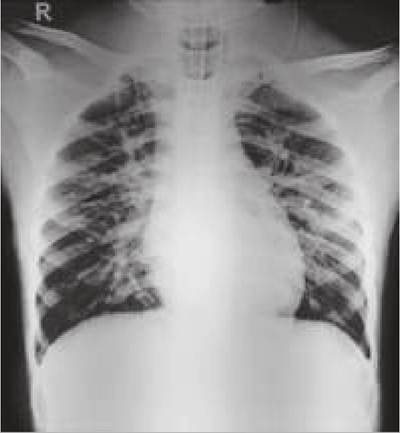
Hepatosplenomegaly is invariably present, as also other features of intrauterine infections or metabolic disease.
Hepatic damage is usually progressive with ultimate development of micronodular cirrhosis, though some cases of idiopathic etiology may recover spontaneously.
Diagnosis rests on—(a) conjugated bilirubinemia, (b) liver biopsy, and (c) etiological investigations, e.g. serology for intrauterine infections, screening for metabolic errors, etc.
Management is largely supportive, as discussed earlier, unless the specific cause is identified and treatable. Corticosteroids are of no benefit and not recommended.
Extra-hepatic biliary atresia (EHBA) is the commonest anatomical cause of neonatal cholestasis, ~10 times more common than IHBA.
Clinical features: Unlike neonatal hepatitis, in EHBA:
(a) most babies are apparently healthy with good birth weight, (b) stools are consistently clay-colored or 'cheesy-white' (except intermittent color due to shedding of bilirubin-laden gut mucosa), and (c) associated malformations, e.g. intestinal atresia, dextrocardia or polysplenia may be present. Untreated cases progress rapidly to develop biliary cirrhosis, as early as by 8th week of life.
Diagnosis rests on: (a) consistent rise in direct bilirubin and serum alkaline phosphatase levels, (b) USG for anatomical biliary tree status, (b) liver (HIDA) scan to demonstrate poor hepatic excretion, and (c) confirmatory per-operative cholangiography.
On biopsy, presence of ductal/ductular proliferation, ductular bile plug and fibrosis are more suggestive of EHBA than neonatal hepatitis.
Management: Modified Kasai's procedure (hepato- portoenterostomy) is the surgery of choice in EHBA, to use minute bile duct remnants in fibrous tissue of porta hepatis for bile drainage, which may be in direct continuation of intrahepatic ductules.
Success of the surgery depends on its timing, extent of bile-duct remnants and pre-existing liver damage. These cases must be operated as soon as possible to prevent irreversible hepatic damage. Kasai's procedure is successful in gt;80% cases if performed before 8th week, though long-term outcome is poor due to secondary complications, e.g. cholangitis.
Intra-hepatic biliary atresia (IHBA) is less common than neonatal hepatitis and EHBA.
Among various types of IHBA, the commonest is Watson-Alagille syndrome, characterized by:a. Typical facial dysmorphism with prominent forehead, hypertelorism, anti-mongoloid slant of eyes and flat nasal bridge,
b. IHBA with direct hyperbilirubinemia that usually presents later than EHBA/neonatal hepatitis (3rd-4th week), and
c. Co-anomalies, e.g. pulmonary stenosis, vertebral arch defects and tubulointerstitial nephropathy.
Treatment is largely supportive and long-term survival is relatively better than in EHBA, though pruritis, xanthomas and malabsorption is common.
Inspissated bile syndrome is usually a consequence of Rh-HDN, due to clogging of bile canaliculi by thick viscid bile, containing large amount of bile pigment.
Clinically, these cases present with persistent conjugated hyperbilirubinemia following severe hemolysis in neonatal period, which gradually recovers in next few months without any treatment.
12.15