Nutritional Management
Management of Swallowing Problems
Involvement of palatal and pharyngeal muscles may produce dysphagia. Patients at particular risk include those of SMA, myasthenia gravis, congenital myasthenic syndromes, and congenital myopathies, such as myotubular myopathy, oculopharyngeal muscular dystrophy, late-stage Duchenne muscular dystrophy, and late-stage SCARMD.
The presence of dysphagia in patients with neuromuscular disease has been documented by others (51,149). The function of the swallowing mechanism is best evaluated with a fluoroscopic video dynamic swallowing evaluation. DMD patients have a high prevalence of dysphagia during the late stages of the disease (51). DMD patients may also rarely develop acute gastric dilatation secondary to gastric paresis (150). Bulbar dysfunction and/or respiratory distress may affect feeding in SMA patients. In SMA I, therapeutic modifications may include use of a premature baby nipple with a large opening, use of proper head and jaw position, along with a semireclined trunk position and use of frequent small feedings to minimize fatigue. These larger bolus feeds may distend the stomach and encroach on the diaphragm, thus affecting respiratory status. Improved nourishment in SMA leads to a feeling of well-being and therefore a better quality of life. Poor nutritional status, labored feeding, and/or symptoms of dysphagia are indications for initiation of supplemental enteral feedings via nasogastric tube or gastrostomy. Gastroesophageal reflux with risk of aspiration may be an indication for placement of a gastrojejunostomy tube.Energy and Protein Supplementation
Severe deficits in energy and protein intake have been documented in DMD (49,50) during the second decade. Substantial weight loss has been documented in DMD to occur between the ages of 17 and 21 (Fig. 12.20). Protein and calorie needs in DMD may be approximately 160% of that required for able-bodied adolescents.
Beneficial effects in weight gain, anthropometric measurements, and nitrogen balance were documented for DMD patients aged 10-20 years, subsequent to a three-month nutritional supplementation, which consisted of an additional 1,000 kcals and 37.2 grams of protein (151). The positive effects on metabolism observed in this study warrant further investigation.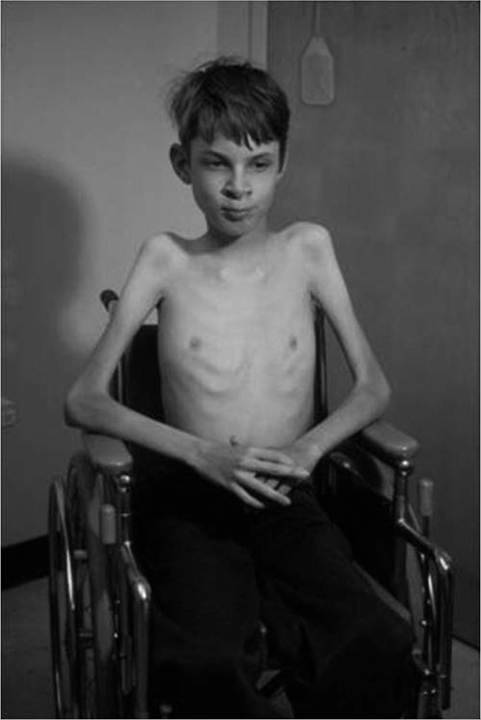
Figure 12.20 Severe weight loss in young adult with Duchenne muscular dystrophy.
Branched-Chain Ketoacid Supplementation
Based on the observations that muscle protein degradation is accelerated in DMD and administration of branched-chain ketoacids reduces protein breakdown in fasting obese subjects, Stewart and colleagues (152) conducted a trial of branched-chain ketoacid supplementation. The ketoacids of the branched-chain amino acids leucine, valine, and isoleucine were administered orally as ornithine salts at a dosage of 0.45 gm/kg body weight/day for four days in nine boys with DMD, aged 5 -9 years. An equivalent amount of protein was removed from the diet during this time. A small but significant reduction in muscle protein degradation was observed as a result of the treatment, and no negative effects were noted. The results warrant further investigation regarding the effects of longer-term branched-chain ketoacid supplementation on muscle protein degradation.
Weight Reduction
DMD patients typically gain excessive weight between 9-13 years of age, subsequent to the onset of wheelchair reliance. This is likely due to a reduction in total daily energy expenditure with increased sedentary existence. Edwards and colleagues (153) demonstrated that weight reduction through a medically supervised decrease in energy intake could be achieved successfully in DMD without compromising skeletal muscle mass. Obesity has also been observed in SMA III patients and has been attributed to a relatively sedentary lifestyle. Increased adiposity has been documented in adults with slowly progressive neuromuscular diseases (154). Approaches to weight reduction in slowly progressive neuromuscular disease patients has been previously reviewed (155).