Uncommon Upper-Limb Deficiencies
Longitudinal Deficiencies of the Forearm
Radial deficiencies are approximately three times as common than ulnar deficiencies, occurring in 1 in 30,000 and 1 in 100,000 live births, respectively (85).
Fanconi anemia; thrombocytopenia and absent radius (TAR); Holt-Oram syndrome; vertebral defects, imperforate anus, tracheoesophageal fistula, and renal defects (VATER); and Robert's syndrome are just a few examples of etiologies with associate radial involvement (86,87). Figure 13.6 illustrates the complex issues with Robert's syndrome. The clinical presentation of radial deficiencies usually involves the radial-side digits of the hand as well. Depending upon the classification of the radial deficiency, prehensile capabilities may be compromised by a hypoplastic or absent thumb. In these situations, pollicization or toe-transfer procedures are often discussed. Treatment for radial deficiencies is focused on reconstructing the thumb and, in both the radial and ulnar deficiencies, is directed at centralization of the hand (88).Ulnar deficiencies are associated more with musculoskeletal conditions than systemic conditions, and isolated genetic predispositions have been discovered (89). Cornelia de Lange syndrome, ulnarmammary syndrome, and ulnar fibula dysplasia are examples of syndromes that involve ulnar deficiencies. With ulnar-side involvement, the thumb and another digit are usually present.
Central ray syndrome, a form of ectrodactyly, had been described previously as having genetic predisposition. This is commonly referred to as “lobster claw,” as the central component of the hand and/or feet are absent. This can present as a mild condition, with the more ulnar and radial digits still present, or it can present as two longer and thicker digits. Functional abilities with this condition will vary, depending upon the degree at which the syndrome affects the deformity.
Many of these individuals will not need prosthetic restoration, as the limbs are at full length and have prehensile and tactile capabilities. Surgical reconstruction may be recommended if the child lacks the oppositional capabilities that the thumb usually offers.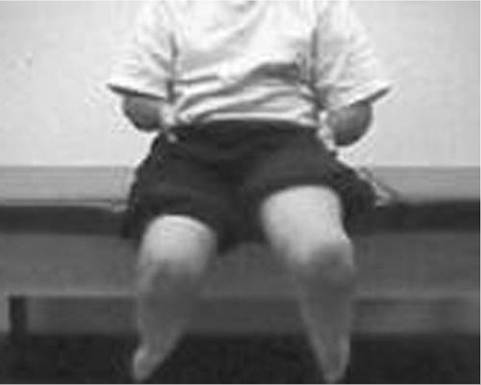
Figure 13.6 Child with Robert’s syndrome. Note flexion contractures of all limbs.
Longitudinal Deficiencies of the Humerus
When a longitudinal deficiency of the humerus is present, it is often associated with deficiencies in the radius and ulna and with phocomelic digits. The length of the arm is compromised, which leads to the inability to work in a larger envelope of space when attempting to perform bimanual tasks. For this reason, prosthetic fitting is more likely a consideration instead of longitudinal deficiencies of the forearm. The shoulder complex is quite often compromised as well. Therefore, if the child were to be fit with a prosthesis, he or she would most likely receive some externally powered components. Frequently, the phocomelic digits will be used to provide input to these components.
More on the topic Uncommon Upper-Limb Deficiencies:
- Deficiencies of the lower limb are less frequent than deficiencies of the upper limb, but surgical and rehabilitation management may be more involved.
- Nutritional Deficiencies
- Thrombocytopenia
- TECHNICAL FACTORS OF NEEDLE ELECTROMYOGRAPHY