Bovine Tuberculosis
Bovine tuberculosis is a contagious disease that can be transmitted from livestock to humans and all other warm-blooded vertebrates. It is a chronic disease, and symptoms are often not apparent until it has reached an advanced stage.
Inhalation is the most common route of infection for farm and ranch workers and veterinarians who work with diseased livestock. Calves, hogs, and humans can also contract bovine tuberculosis when they drink unpasteurized milk from infected cows. Livestock are more likely to infect each other when they share a common watering place. The disease's presence in humans has been reduced as a result of a national eradication program, advances in sanitation and hygiene, the discovery of effective drugs, and pasteurization of milk.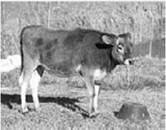
Source: USDA.

Source: USDA.
More medical literature on Medic.Studio
More on the topic Bovine Tuberculosis:
- Bovine Tuberculosis Control Programs in South Africa
- Bovine Tuberculosis in Zambian Wildlife
- 8.3 Bovine Tuberculosis in African Cattle Populations
- Bovine Tuberculosis in African Wildlife Species
- Bovine Tuberculosis in Uganda
- Bovine Tuberculosis in Malawi
- Chapter 23 Bovine Tuberculosis in Zambia
- Diagnosis of Bovine Tuberculosis in Zambia
- The Status of Bovine Tuberculosis in Sudan
- Chapter 18 Bovine Tuberculosis in Rwanda
- Control of Bovine Tuberculosis in Malawi
- Chapter 15 Bovine Tuberculosis in Ghana
- Chapter 13 Bovine Tuberculosis in Egypt
-
Infectious diseases -
Internal diseases -
Obstetrics and Gynaecology -
Pediatrics -
Veterinary medicine -
-
Conflictology -
Ecology -
Economy -
Finance -
History -
Law -
Medicine -
Philosophy -
Religious studies -