Disorders of the Urogenital Systems GlomerulonephritisiGlomerulopathy
Glomerular disease is common in mice. Glomeruli are a frequent site of amyloid deposition in multisystemic amyloidosis (see “Amyloidosis”). Membranoprolifera- tive glomerulonephritis develops in a number of inbred strains of mice.
Mice with naturally occurring autoimmune disease, such as the (NZB x NZW) hybrid, usually have extensive glomerular lesions by the time they reach 12 or more months of age. Lesions are also relatively common in certain strains of older mice, such as AKR, BALB/c, B6, CBA, and 129/SvTer mice. There are a variety of other factors that may be involved, including viruses (e.g., LCMV and retroviruses), bacteria or bacterial products, and the deposition of antigen-antibody complexes on glomerular basement membranes. In addition, the glomeruli of aged mice often have nonspecific basement membrane thickening, which has been termed “glomerular hyalinosis.” This tends to be part of “chronic progressive nephropathy.” These forms of glomerular disease often overlap. Glomerular disease may be associated with coagulopathy, which may result in atrial thrombosis. Indeed, several erroneous reports of cardiomyopathy with heart failure in GEMs are actually related to this association.In mice with glomerulonephritis, there may be marked pitting of the cortical surfaces in advanced cases, and small cysts may be evident on the cut surface. Microscopic changes are characterized by thickening of glomerular basement membranes with deposition of PAS-positive material that does not stain for amyloid. There may be proliferation of mesangial cells and, in advanced cases, obliteration of the normal architecture
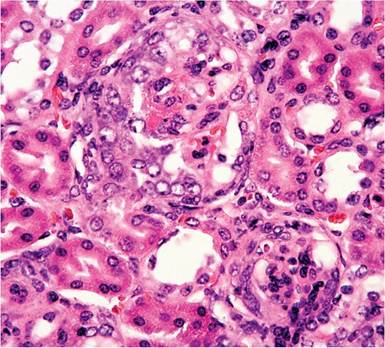
FIG. 1.119. Kidney of a mouse with severe glomerulonephritis.
of affected glomeruli (Fig. 1.119). Focal to diffuse mononuclear cell infiltration and varying degrees of fibrosis in the interstitial regions are other changes that commonly occur.