Gastrointestinal System
The rat is anatomically similar to the mouse. As in mice, salivary gland sexual dimorphism also occurs in rats. Intestinal Paneth cells have smaller granules than in
Pathology of Laboratory Rodents and Rabbits, Fourth Edition.
Stephen W. Barthold, Stephen M. Griffey, and Dean H. Percy. © 2016 John Wiley & Sons, Inc. Published 2016 by John Wiley & Sons, Inc.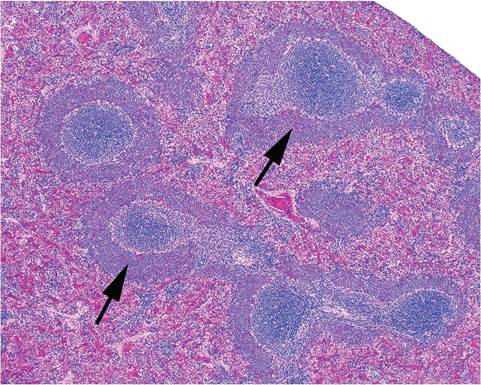
FIG. 2.1. Splenic white pulp of a rat, depicting the prominent marginal zone in normal rats (arrows).
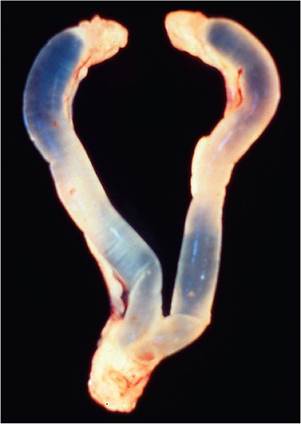
FIG. 2.3. Uterus of a female rat during proestrus, in which the
uterine horns are filled with clear fluid.
mice. Unlike mice, the rat liver is consistently lobated into 4 major lobes and lacks a gall bladder. Hepatocytes in the rat are more uniform in size than in the mouse. However, polyploidy is a common morphological feature in adult animals, and the number of binucleate cells increases with age. Bile is not concentrated. Foci of “ altered hepatocytes” are well documented in this species. They are generally of more concern to pathologists working in the pharmaceutical industry than to pathologists in the diagnostic laboratory. Focal hepatitis with mononuclear cell infiltration in the absence of an identifiable infectious agent occasionally occurs as an incidental finding in laboratory rats. The liver may also reflect general disease states. Atrophy of hepatic cords is a common manifestation of reduced (or absence of) food intake (Fig. 2.2). Atrophy of hepatic cords has been
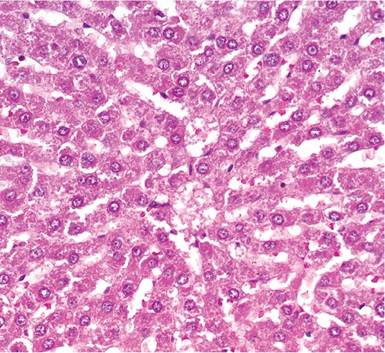
FIG. 2.2. Liver from an adult rat with atrophy of hepatic cords. The reduction in hepatocellular cytoplasmic volume is consistent with reduced food intake and is often seen in disease states.
observed in adult male and female rats following fasting periods as short as 18 hours. The rat pancreas is diffuse.
More on the topic Gastrointestinal System:
- Agrawal M.. Textbook of Pediatrics. 3rd ed. — CBS Publishers,2025. — 973 p., 2025
- Towards the domestication of Rwandan genocide trials