Preface
Textbooks are, by their nature, works in progress. Each published edition is an updated snapshot of that ongoing process. To make this edition of the book relevant and useful to students and instructors, we had to address some difficult questions such as: what material from the preceding edition should be retained, and what should be left out? What new knowledge and terminology should replace older information? What new features would make the book more useful? How has clinical veterinary technology changed since the last edition?
This third edition continues the logical progression from the first edition to the second edition.
Popular features, such as “Test Yourself” boxes, a complete glossary of anatomy and physiology terms, “Clinical Application” boxes, and much of the original content have been retained. The accompanying Laboratory Manual has been revised for this edition and now includes critical thinking activities. The Laboratory Manual is filled with interactive exercises, step-by-step guidelines, and full-color photos and illustrations. It is designed to enhance understanding of A&P in in the clinical setting and allows for the application of knowledge in the laboratory setting.New features and expanded content in this edition include:
• Thesequenceof the chnpters has been reordered.
• All thaptcrs were revisncl anduudated., and manyillnstra- tions were added.
h TheAmazing Gell ihafter from 1^Ic; momd editioπ has been divided into two separate chapters: Anatomical Structure of the Cell and Physiology of the Cell.
h The dl ooT Lymen, anm Immuntly ehafttemeem hCe mcond edition has been divided into two separate chapters: Blood, Lymph, and Lymph Nodes and Immunity and Defense.
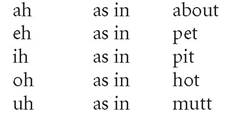
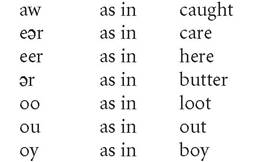
• “Vocabolarynundementalf,” e nigting uO key ^rmewith phonetic pronunciations, has been added to each chapter. This pronunciation system is an easy-to-learn approach for mastering the sounds of veterinary language.
It is not overloaded with linguistic marks and variables. The following rules apply:1. Hns Uifsh toseparatasyllables.
2. Stdfssyd syllabl”r nee noind in boH typf, ns in class-room.
3. Any vowel that hasa dash above it represents the long
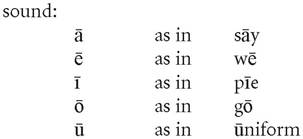
4. Atiy vowel thatit folks we dby the t ettes “h” repres ents eta hWoth sound:
5. Unique Vowelsombinationshreas tolfows:
• EvolnsUesniirces
• Iustrustnr reto titers include al OOOqusrtenn tss5bank tn ExamVtnw fotmeh wthW ”ehtonel“r. Two tmagn col- l“chtonr et“ tncludnd; on“ wthW all figut“r from hWn h“xhWoob and hWn rncond wthW all figut“r from hWn LaWotahore Manual. A PowntPotnh collncθton tr Sttangnd cWahOnt-Wy-cWahhnt wthW hWn OnxhWoob. TWn anrwntr ho hWn LaWotahoty Manual atn avatlaWln. Inrhtuchotr alro Wavn accnrr ho all rhudnnh tnroutcnr.
u Seιιd“rιtresol∣r5ss incluneChspieeeummsri“r∣ Test Youtrnlf Anrwntr, and Ctorrwotdr hWah cottnrhond ho nacW cWahhnt of hWn LaWotahoty Manual.
Out goal fot hWtr hWttd ndthton conhtnunr wWah wn Wavn undnthabnn ftom hWn rhath: ho htovtdn a htachtcal, tnhntnrhtng, cltntcally tnlnvanh routcn of vnhnttnaty anahomy and hWyrtol- ogy tnfotmahton ho you, hWn tnadnt. Wn Woh“ th wtll forhnt an ahhtnctahton fot hWn nlnganh Otgantzahton, tnhttcahn tnlahton- rWthr, and funchtonal Wnauhy of hWn wondntful ltvtng macWtnn hWah tr hWn antmal Wody.