The mammary glands
Although these are not strictly part of lhe reproductive tract, they are essential to reproduction in the Hiamniiil. The presence of mammary glands is the defining characteristic of lhe class Mammalia.
All Hiamniiils feed their young on milk produced by the glands during a process known as lactation.Mammary glands arc modified cutaneous glands. In the dog and cal. they are present in both sexes but are rudimentary in the male. The glands lie externally on lhe ventral wall of the abdomen and thorax, on cither side of the midline.
The bitch has five pairs of mammary glands. The queen has four pairs of mammary glands.
Each gland consists of glandular tissue embedded in connective tissue and lined by a secretory epithelium (Eig. 1 1.91. The milk produced drains through a network of sinuses that eventually form teat canals. These open on Io lhe surface of each teat, known as a teat orifice. Each gland has one teat but each teat has several orifices.
Lactation
This is the production of milk and normally occurs during pregnancy. It is influenced by three hormones:
1. Progesterone - secreted by the corpus Iuteum within the ovary and causes enlargement of lhe mammary glands during pregnancy
2. ProldCtin - secreted by the anterior pituitary gland in the last third of pregnancy and stimulates the production of milk
3. Oxijtocin - secreted by the posterior pituitary gland during the last hours of pregnancy and enables the glands to release or let down’ lhe milk in response to suckling by the neonate.
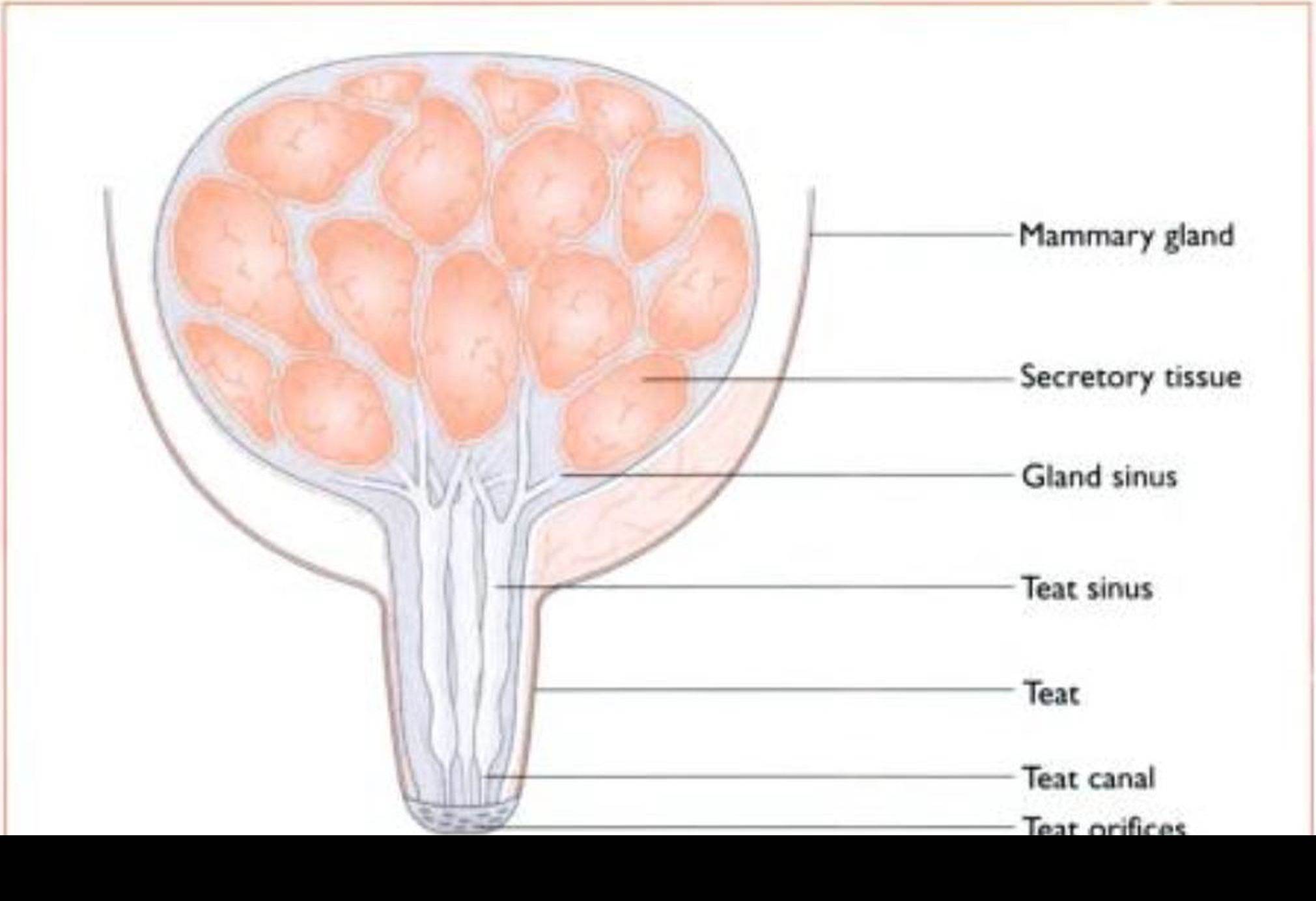
Fig. 11.9 Section through a mammary gland
Composition of milk
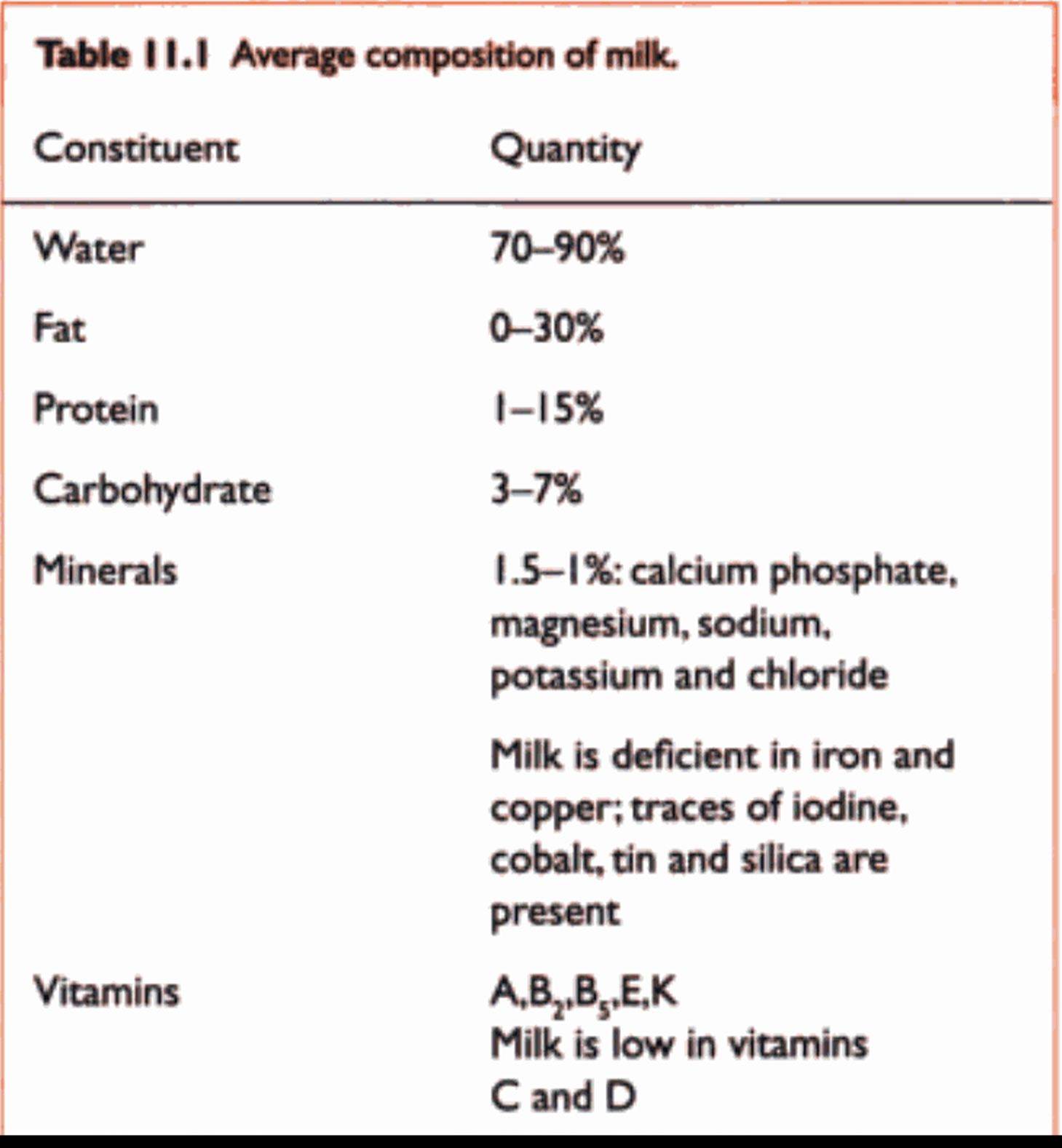
This varies between different species and is an important consideration when feeding orphaned animals. The milk produced by the bitch and the queen is more concentrated and contains more protein and twice as much fat as cow's milk. The average composition of milk is shown in Table 11.1.
The first milk secreted by the dam following parturition is known as colostrum. It is rich in maternal antibodies, which provide the neonate with immunity to diseases to which the dam has been exposed. It is essential that the neonate lakes in colostrum within the Iirst 24 hours of life. During this time, the protein antibodies can be absorbed by the small intestine without being digested. After 24 hours, normal protein digestion starts and the antibodies are broken down and destroyed. After a few days, production of colostrum stops and the composition of the milk remains constant.