Cyprus
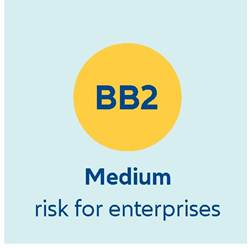
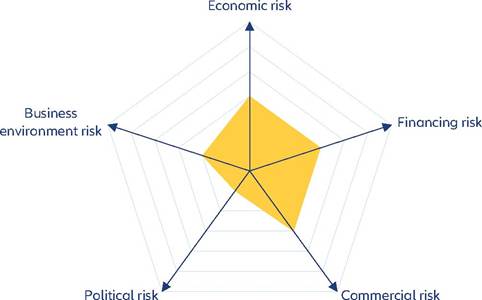
Economy proved resilient to the Russia-Ukraine war, but multiple challenges persist
| GDP | USD28.4bn (World ranking 106) |
| Population | 1.3mn (World ranking 158) |
| Form of state | Presidential republic |
| Head of government | Nikos Christodoulides (President) |
| Next elections | 2026, Legislative |
Strengths & weaknesses
Economic overview
Economic resilience to be tested in 2024
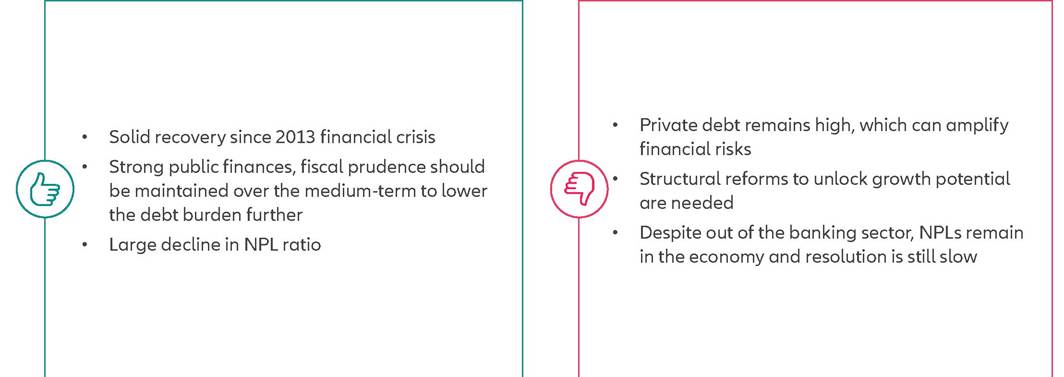
Following the crisis in its financial sector in 2013, the Cypriot economy was expanding solidly from 2015 supported by investment, consumer spending and tourism activity; it returned to investment grade in 2018 and then recorded an annual average real GDP growth of +4.6% in 2018-2022.
The pandemic crisis interrupted the positive trend and the country fell back into recession - although a smaller contraction compared to the average for the Eurozone countries. The rebound of tourism and the increase in domestic demand well supported the recovery in 2021 and 2022, which saw GDP expanding by a solid +6.6% and +5.6% respectively. Economic output is now 12% above pre-pandemic levels. Also, the economy proved resilient to the consequences of the Russian invasion of Ukraine, despite Russia being a major business partner (in terms of financial services) but also a big contributor to tourism activity. We expect the economy to post a weaker growth in 2024 (+1.4%), after +2.4% in 2023.Cyprus returns to fiscal discipline after significant support provided
Following the financial crisis, prudent fiscal policy put the country in a strong fiscal position, but the pandemic and the energy crisis took their tolls.
The general government balance returned to surplus in 2022 (from -5.8% in 2020) and public debt decreased from the 2020 peak at 114% of GDP to 86% in 2022. In 2023, the general government balance should have improved slightly and stay around current levels in the forecast horizon. The government has stepped in to protect households and corporates from higher prices.The country has been severely hit by surging energy prices. Given Cyprus's small size and import dependence, made the country vulnerable to external shocks. But inflationary pressures have been easing on a downward trend since August 2022. This provides some support to households' spending and investment decisions.
An economy subject to fluctuations in the service sector
The Cypriot economy is dependent on the services sector and on tourism, shipping and real estate, which constitutes a source of risk for the stability of its economy in the event of geopolitical or health crises. Services accounted for almost 84% of GDP and employed more than 70% of the labor force in 2022. Therefore, the sanctions on Russia following the invasion of Ukraine will heavily impact the sector and the economy. Russian tourist arrivals were 20% of total arrivals in the years before the pandemic.
Moreover, foreign direct investment in the country was already expected to decline over the next few years following the abolition of the Cypriot citizenship by investment program at the end of 2020 - with Russia having the biggest proportion of FDI. This slowdown is another source of risk for the economic recovery.
Finally, the banking sector has made significant progress in recent years, the average NPL ratio of Cypriot banks is now below 9%, down from over 50% only a few years ago. The sale of NPLs remained the main driver of the reduction, but risks remain around the repayment capacity of the private sector and corporates given the current outlook. Liquidity and capital adequacy ratios in the banking sector have remained high and profitability improved.
Indeed, the recent increase in interest rates has certainly boosted the Cypriot banking sector's profitability. At the same time, higher rates are having a negative impact on domestic credit demand in both the corporate and household segments. However, higher interest rates increase the credit risk of existing and new loans.Business environment attracts foreign companies
Cyprus is ranked 54 out of 190 economies in the 2020 World Bank doing business ranking. The country achieves its highest rankings in the categories of protecting minority investors, paying taxes and resolving insolvencies.
On 1 September 2023, Cyprus submitted its amended recovery and resilience plan, which now includes a REPowerEU chapter. The plan is now worth EUR1.22bn, including EUR0.2bn in loans and EUR1.02bn in grants - 5.2% of the country's 2019 GDP. In detail, Cypriot RRF devotes 45% to the green transition, up from 41% in the original plan and 24.6% to the digital transition, up from 23%. The modified plan's important social dimension is also upheld.