Food sources differ in their chemistry and availability
Heterotrophs consume energy-rich organic compounds (food) from their environment and convert them into usable chemical energy—primarily ATP—by processes such as glycolysis, which breaks down carbohydrates.
The heterotroph's energy gain from food depends on the chemistry of the food, which determines its digestibility and its energy content. The effort invested in finding and obtaining the food also influences how much benefit the heterotroph gets from consuming it. For example, microorganisms that consume detritus in the soil invest little energy in obtaining food. However, the energy content of this decomposing plant matter is low compared with the energy content of live organisms. Living prey are rarer than detritus, and they may have defensive mechanisms that their predators must expend energy to overcome. Thus, a cheetah hunting a gazelle invests substantial energy in finding, chasing, capturing, and killing its prey, but it obtains a substantial, energy-rich meal if the hunt is successful.The benefit of a food source to a heterotroph is partly related to the chemical compounds that the food contains. The chemical constituents of food can be placed into several categories based on their energy content and ease of assimilation (FIGURE 5.18). While water can be an important part of an animal's food, as we saw in Concept 4.3, it does not provide energy. The energy in food is found in the “dry matter” fraction (i.e., what is left when all the water is removed). Fiber includes compounds such as cellulose (the primary constituent of plant cell walls) and other structural components of organisms. It is generally a poor energy source because of its chemical structure and the inability of many heterotrophs to break it down chemically. Most of the energy in food is found in carbohydrates, proteins, and fats. Fats are richer in energy than carbohydrates per unit of mass, and carbohydrates provide more energy than the amino acids that make up proteins do.
However, amino acids also provide nitrogen, a nutrient that is often in high demand. The ratio of carbon to specific nutrients (usually nitrogen) often provides a good indication of the nutritional quality of the food: a higher amount of nutrients relative to the carbon indicates better-quality food. Secondary compounds (chemicals not used in growth or development) are generally not a good energy source for animals, and some secondary compounds may actually decrease energy intake by binding to digestive enzymes or by being directly toxic to the heterotrophs consuming them.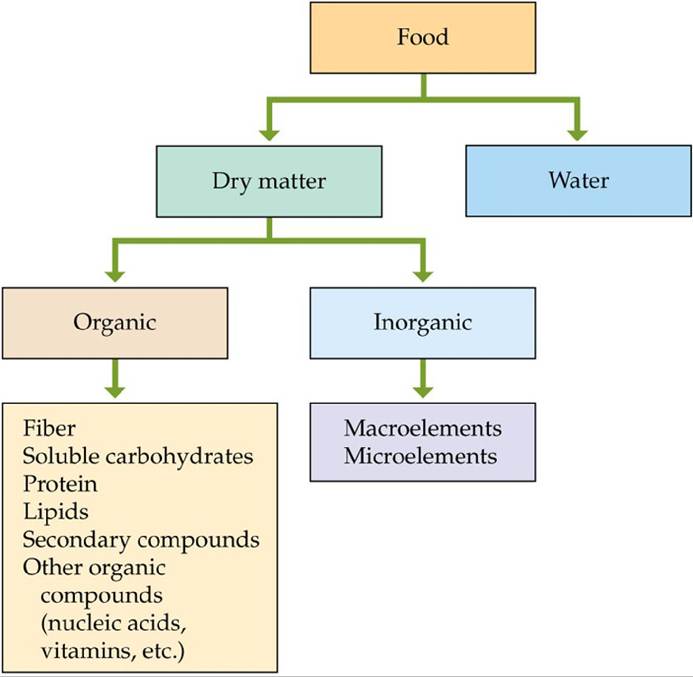
FIGURE 5.18 CategoricalBreakdownofFoodChemistry Foodchemistrycanbe complex, but these simple categories help ecologists understand how groups of chemicals influence the benefits of food for heterotrophs. (After W. H. Karasov and C. Martinez del Rio. 2007. Physiological Ecology: How Animals Process Energy, Nutrients, and Toxins. Princeton University Press: Princeton, NJ.) View larger image
The differing concentrations of the compounds described in Figure 5.18 among food types are associated with the tissues, cell types, and organisms from which the food is derived. Animal tissues are generally more energy-rich than plant, fungal, or bacterial cells, which tend to have higher concentrations of fiber. As a result, herbivores (animals that eat plants) generally have to eat more food to get the same benefit that carnivores (animals that eat other animals) do. However, carnivores may expend substantially more energy finding food than herbivores do, as we will see in later chapters.