There are two possible ways to look at the control of energy flow through ecosystems.
First, the amount of energy that flows through trophic levels may be determined by how much energy enters an ecosystem via NPP, which in turn is related to the supply of resources (as we saw in Concepts 20.2 and 21.2).
The greater the NPP entering the ecosystem, the more energy can be passed on tohigher trophic levels. This view, which is often referred to as “bottom-up” control of energy flow, holds that the resources that limit NPP determine energy flow through an ecosystem (FIGURE 21.9A). Alternatively, energy flow may be governed by rates of consumption (as well as other, nonconsumptive interactions such as competition and facilitation, as discussed in Concept 16.3) at the highest trophic levels, which influence abundances and species composition at multiple trophic levels below them. This view is often referred to as “top-down” control of energy flow (FIGURE 21.9B). In reality, both bottom-up and top-down controls are operating simultaneously in ecosystems, but the top-down view has important implications for the effects of trophic interactions on energy flow in ecosystems.
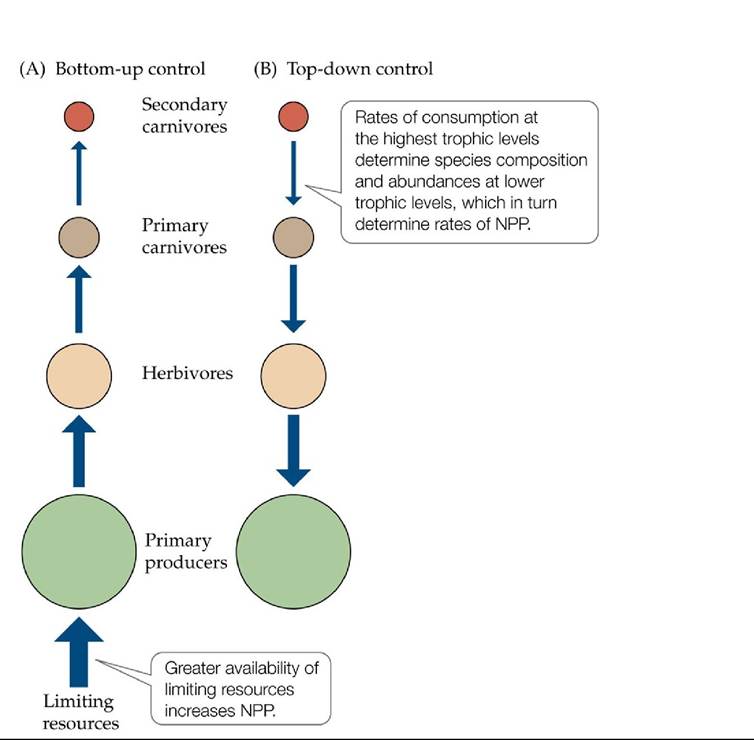
FIGURE 21.9 Bottom-Up and Top-Down Control of NPP Productioninanecosystemcan
be viewed as being controlled (A) by limiting resources or (B) by controls exerted on the species composition and abundances of autotrophs by consumption at higher trophic levels. View larger image