In equality of what?
We first discuss the approach that defines well-being in terms of functionings and capabilities, then consider the normative interpretation of happiness and life satisfaction data and, finally, turn to the equivalent income approach.
In each case we investigate whether the well-being concept respects individual preferences and what the underlying (implicit or explicit) delineation of individual responsibility is.It is useful to introduce some notation. Let fi denote the vector of m aspects oflife that may matter to individual i. Examples are consumption or income, health, longevity, leisure, status, and job characteristics. One of the variables in ‘ is income (or consumption) yi. Individuals have a life project (i.e., an informed judgment about what makes a life good or bad). We represent this life project for each individual i by a preference ordering Ri over the vectors fi: IiRiIi if i weakly prefers the life described by ‘ to the life described by ‘i. Let CiPiCi denote strict preference and tiIiti denote indifference. These well- informed preferences are individual specific. We do not assume that these preferences are always revealed in actual choices. Subjective individual satisfaction is given by a “satisfaction function” Si (fi).[56]
We assume that, from a normative point of view, individual i’s situation is completely described by the triplet (ti, Ri, Si), that consists of the vector oflife dimensions fi, the preference ordering Ri and the satisfaction function Si. This means that personal characteristics (e.g., cognitive capacities) are only relevant insofar as they influence preferences or satisfaction, or if they are part of the vector of relevant life dimensions for individual i.
A method of interpersonal well-being comparisons must be able to rank such triplets (fi, Ri, Si). Because ‘ by definition describes all the aspects oflife that matter to individual i, measuring i's well-being involves constructing an interpersonally comparable index in which the various elements of fi are weighted. Different well-being concepts are represented by a well-being measure WB. The value WB(‘i, Ri, Si) is to be interpreted as the well-being of individual i with life ti, preference ordering Ri and satisfaction function Si.2.3.1 Functionings and Capabilities
The origins of the capability approach within welfare economics are to be found in a series of influential papers and monographs, written by Amartya Sen in the 1980s (Sen, 1980, 1985; Sen et al., 1987). He developed and discussed the approach further in some widely read books (Nussbaum and Sen, 1993; Sen, 1992, 1999, 2009). On the philosophical side, important contributions have been made by Nussbaum (2000, 2006, 2011). Both authors, and the many papers following in their wake, are explicit about the normative purpose of the approach. Their aim is to define individual well-being so that it can be used in a meaningful way as the equalizandum for an egalitarian policy. The important question is: “Equality of what?” (Sen, 1980).
Sen’s own answer to this question starts from the rejection of two extreme alternative approaches. We have seen in the previous section that Sen considers subjective welfarism unacceptable because of the problems of “physical condition-neglect” and “valuation neglect.” But focusing exclusively on either income or material resources would not do justice to the heterogeneity among human beings, he argued. What does matter to define well-being is the vector of functionings of a person (i.e., achievements): what this person manages to do or to be (such as being well nourished, well clothed, mobile, or able to appear in public without shame).
These functionings have to be distinguished from the resources or commodities that are used to achieve them. Personal and environmental characteristics, to a large extent, determine what people can achieve with a given amount of resources. How well nourished a person is does not only depend on the amount of food eaten, but also on the biological characteristics of the person’s body and the work that person does; books do not contribute to the personal development of persons who were never taught to read; whether a person is mobile does not only depend on whether that person owns a bicycle, but also on the availability of safe road infrastructure, and so on. The well-being of person i can be seen as the person-specific valuation of the vector of functionings f,∙:

where the superscript F refers to the functionings approach. The crucial question is, of course, how to interpret the valuation function υi. We return to this question later in this section.
In a further step, Sen claimed that a description of well-being in terms of achieved functionings is not sufficient because it does not integrate the essential notion of freedom. His classical example involves the comparison between two individuals who are both undernourished. For the first person, the undernourishment is the result of material deprivation. The second person, on the contrary, is wealthy but freely chooses to fast for religious reasons. Although their achievements in terms of the “being well-nourished” functioning are exactly identical, it is intuitive to say that their situations are not the same in terms of well-being. Therefore Sen introduced the notion of “capabilities” to capture the real opportunities of persons. The capabilities of person i are given by the set of functionings vectors that are accessible to the person (i.e., the set from which he or she can choose). Loosely formalized, we can represent the set as Qi = {fi∣fi is feasible for individual i}.
The “advantage” of person i is then the evaluation of the capability set Qi.We will now first discuss the implications of moving from functionings to capabilities (i.e., from achievements to opportunities).[57] This will allow us to discuss the interpretation of freedom and responsibility within the capability approach. We then move to the issues of choosing the relevant dimensions to be included in the vector f,∙, and whether and how to aggregate them in a single well-being indicator. This will clarify the position of the capability approach with respect to the other normative criterion (i.e., respecting individual preferences).
2.3.1.1 Capabilities, Responsibility, and Freedom
Capabilities, defined as the opportunity set from which people can choose, are a reflection of the real (positive) freedom of individuals and are definitely not restricted to the securing of negative freedoms alone. People should not only have the legal right to provide themselves with food, but they should also have the economic possibilities to do so. Equalizing capabilities also goes beyond eliminating discrimination, although the latter is an important element of it. This integration of positive freedom issues in the measurement of well-being is an attractive idea. However, it also raises some difficult questions.
A first issue was raised by Basu (1987) in his review of Sen (1985) and was taken up again in Basu and Lopez-Calva (2011). It can best be illustrated in the usual Edgeworth box of a two-person two-good exchange economy (see Figure 2.1). This figure depicts a general equilibrium situation (point e), in which relative prices are given by the slope of the line AB, and the initial endowments of persons 1 and 2 are given by point a. In this setting it might seem straightforward to say that individuals choose within their budget sets (i.e., the areas O1CAB for person 1 and O2DBA for person 2). But the figure immediately shows that their freedom to choose within the budget set is illusory: What is open to one person depends on what the other person chooses.
If person 2 sticks to the bundle in e, it is impossible for person 1 to pick bundle b. In fact, in that case person 1 can only choose bundles from the rectangle O1FeG. In general terms, changes in the choices by one person (induced by changes in preferences, for instance) will change relative prices and, therefore, the opportunity set of the other person. Figure 2.1 represents the very peculiar case of a two-person two-good exchange economy, but the point made by Basu is more general. The achieved functionings of any person do not only depend on the choices made by that individual, but also on actions taken by other individuals. How to define the capability set of any person in such a situation?[58]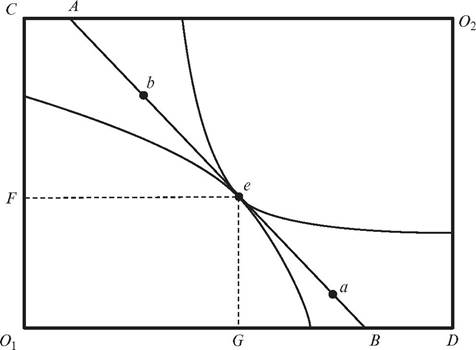
Figure 2.1 Capabilities and social interactions.
In general, defining well-being in terms of opportunity sets requires that one can put a value on these sets in a normatively attractive way. This is a difficult problem, as demonstrated by the formal (and abstract) literature on the topic (see, among others, Barbera et al., 1998; Foster, 2010). Ifone does not include information about preferences, a set of reasonable axioms soon leads to the unattractive solution of evaluating opportunity sets by simply counting the number of its elements without taking any account of the “quality” of these elements (Pattanaik and Xu, 1990). Yet, introducing preferences does not lead to easy solutions either. One of the proposals by Sen (1985) is to evaluate sets by the value of their best element. He called this the “elementary evaluation,” but immediately acknowledged that this method does not do justice to the idea of freedom. Another proposal would be to say that the set Q is “better” than Q0 if there is an element in Q that is considered by all individuals to be better than all elements in Q0. This is a very strict criterion that leaves many sets incomparable when there is sufficient interpersonal heterogeneity in preferences.
At this moment, there seems to be no single proposal that has gained enough theoretical support to become the prime candidate to be implemented in applied work. As a matter of fact, except for the simple proposals such as elementary evaluation, none of the proposed methods appears easy to operationalize. This lack of practical applicability is worrying if we opt for “advantage” as our preferred measure of well-being.An even more fundamental problem with the proposals to value sets that have been made in the literature until now is that the proposed methods go against a compensation principle that has been a cornerstone of the theory of equality of opportunity (Fleurbaey and Blanchet, 2013, p. 218). This principle says that individuals that are at the same level of individual responsibility (say, effort) should also obtain an equally valuable outcome. The literature on equality of opportunity is surveyed in Chapter 4.
Another important question is the following. If we want to measure well-being, is it then sufficient to look at opportunity or capability sets while neglecting completely the realized achievement or functioning? Fleurbaey (2006a) argued that focusing exclusively on capability sets suffers from two problems. First, it leads to a loss of information. Consider the following example. Two individuals, Ann and Bob, face the capability sets Q and Q0, respectively, with Q C Q. Bob has all the opportunities that Ann has, and he even has some opportunities that are not feasible for Ann. In such a case of set inclusion, it seems reasonable to say that Bob’s opportunities are at least as good as Ann’s. But now suppose that Ann selects option a in Q, while Bob picks option b in Q1, such that a b. Then it seems reasonable to say that Ann’s achievement is “better” than Bob’s. Such an example is not irrelevant within the capability approach, as many of its advocates stress that individuals do not necessarily choose within their capability set the functioning vector that would give them the highest level of individual well-being. Whatever conclusion one wants to draw from this example in terms of who is worse off, it is clear that limiting our attention to sets and neglecting actual achievements leads to a loss of information. Comparing sets and knowing the selected option is not the same as comparing sets without knowing the selected option.
Second, an evaluation purely on the basis of capability sets may reflect a harsh attitude about individual responsibility, given the well-documented limitations of individual decision-making capacities. With capabilities as the measure of well-being, individuals are held responsible for their mistakes when selecting a particular option from their capability set. The question gets even more pressing when considering choices over the life cycle. The opportunity sets of older people are determined by their decisions when they were young, and the question arises for how long individuals have to remain responsible for potential “mistakes” committed earlier in life.
The previous discussion raises the question of whether focusing on capability sets is indeed the best way to introduce freedom considerations into the measurement of wellbeing. From his first writings on the topic, Sen has hinted that an alternative is to work with so-called refined functionings or comprehensive outcomes, where the “refinement” refers to the operation of including additional information on the available alternatives or on the process of choice itself. Let us reconsider the example of the two individuals who are fasting and starving. The fasting person is choosing to eat less; the poor starving person is exercising no choice at all. These can be seen as two different “refined” functionings—choosing a when b is also available is a different refined functioning than choosing a when b is not available (Sen et al., 1987, pp. 36-37). Alternatively, in addition to the functioning of being well nourished, one could consider another functioning “exercising choice with respect to what one eats.”
Fleurbaey (2009) extends this idea and argues that all the relevant aspects of freedom can be captured through refined functionings. Basic freedoms of thought, speech, political activity, travel, and so on are clearly part of the functioning vector. The freedom from avoidable disease can be approximated in terms of the achieved health functioning, of the accessibility of the health care system, and of the environmental and social factors influenced by public health policy. These examples immediately show that the refined functionings approach too raises formidable challenges. Understanding the “process of choosing” is not straightforward. As soon as one has to resort to indirect indicators (such as education, income, social relations, accessibility of the health care system), it is important to carefully consider the specific social, environmental, and individual variables that determine the influence of these indicators. In moving from “capability sets” to “refined functionings,” we replace the problem of evaluating sets with the challenge of understanding the process of “producing” refined functionings. However, it seems that the notion of refined functionings is better suited for a careful empirical analysis, which is needed to answer these questions about choice, well-being, and differences in opportunities.
2.3.1.2 ChoiceofDimensions
Whether we prefer a definition of well-being based on capabilities or (refined) functionings, inevitably we face the question of how to select the list of relevant dimensions. It follows from a focus on freedom and agency that only dimensions that people have reason to value should be included. Yet, this notion of “reason to value” can be interpreted in different ways.
A natural choice in a freedom perspective is to include all dimensions that are considered by the individuals themselves to be relevant within their own personal life projects. This matches the normative purpose of respecting individual preferences. From the applied point of view, however, it raises the question how one should collect the necessary information about these preferences. There is a conceptual distinction between very specific dimensions (such as “not suffering from malaria”) and more encompassing dimensions (such as “having a good overall health situation”). Although a consensus could perhaps be reached on the relevant dimensions at a more encompassing level, substantial disagreement may remain about the dimensions to be included at a more specific level. Direct surveys should therefore be structured carefully.
Most researchers within the capability approach do not follow this preference-based approach. Their suspicion toward preferences can at least partly be explained by the
Clark (2005) investigated through a small number of high-quality interviews how the South African poor perceive “development” (a good form of life). He concluded that the intrinsic value of material things matters a lot. A challenging example is Coca-Cola, which turns out to be very important to many poor respondents. Although the nutritional value of Coca-Cola is low, it is “perceived as a superior first world product” (Clark, 2005, p. 1353) and is important “to achieve other important functionings such as relaxing, facilitating social life and enhancing friendships” (Clark, 2005, p. 1354). But is “having the opportunity to drink Coca-Cola” really a crucial dimension of life?
multiplicity of preference concepts that coexist in the literature. Ifpreferences are interpreted as revealed through actual choice behavior, a dose of suspicion is indeed justified based on the well-documented behavioral anomalies that individual choices display in real life. However, in an approach that puts great emphasis on freedom and agency, it seems less easy to discard preferences understood as reflecting the individual’s well- considered life projects. One possible justification is that one considers it unrealistic to assume that individuals have such well-defined preferences. We will come back to this viewpoint later in the chapter.
Let us now describe the two alternative ways of selecting the list of relevant dimensions that have been proposed by Nussbaum and Sen, respectively. Inspired by Aristotle, Nussbaum (2000, 2006, 2011) started from an “objective” view about what constitutes human flourishing and defined a list of abstract essential capabilities (or functionings). She presented the list as universal, but is well aware of the fact that the translation of the abstract capabilities in implementable terms will depend on the specific social, cultural, and economic context. Sen, on the other hand, prefers to leave the definition of the list of functionings deliberately open, as he believes that the list should be drawn up in a democratic process through public reasoning (see, e.g., Sen, 2004). This dynamic process creates room for participation of the people concerned—which in itself is already a crucial functioning. Sen’s focus on public reasoning is inspired by an activist perspective that aims at implementing the capability approach by means of social change. From an analytical and ethical point of view, however, it seems to raise many questions. If one reaches an agreement through a public deliberation process, is this agreement a kind of compromise between the different preferences of the individuals involved? Ifso, how is the compromise to be interpreted? Does the process not induce the risk of a tyranny of the majority or of the most outspoken personalities? If we were to accept that preferences are not given ex ante, but are formed in and through the deliberation process itself, one could perhaps even aim at a real consensus rather than a compromise. Yet, without a good understanding of (and arguably well-defined conditions imposed on) these public deliberations, it is not clear what the normative status of such a consensus should be.
Although the conceptual differences between these different approaches are important, the problem seems less acute when it comes to practical applications. Alkire (2002) gives an extensive overview of different lists of dimensions that have been proposed in the literature and reaches the following—perhaps surprising—conclusion. Despite the large variety of approaches and the differences in opinion about the underlying logic, the specific proposals are strikingly similar. As a matter of fact, the same is true for the lists of dimensions that have been proposed for practical applications by, e.g., the Organisation for Economic Co-operation and Development (OECD, 2011), the European Statistical System (2011), or Stiglitz et al. (2009). All proposals include material consumption and housing quality, health, job market status and leisure, the quality of social interactions, and the quality of the natural environment. To be precise, this consensus is about the first layer of encompassing dimensions and dissipates when we turn to a second layer of more specific dimensions. However, even at that lower level the similarities are sufficiently reassuring, if one accepts the ultimate aim of arriving at a single synthetic indicator of well-being. Indeed, (partial) overlap can be taken care of through the choice of the weights used to get at the synthetic indicator (see Decancq and Lugo, 2013 for an overview on setting weights in synthetic well-being indicators). Let us now turn to this aggregation step.
2.3.1.3 Aggregation and Respect for Preferences
Note first that the construction of a synthetic indicator of well-being is not really necessary, if the purpose of the analysis is to construct a richer description of individual wellbeing than is possible with a one-dimensional approach in terms of monetary income alone. In fact, for this purpose, a simple observation of the vectors is sufficient, and any aggregation procedure may be interpreted as leading to a loss of information. Yet, as soon as one wants to make interpersonal comparisons of well-being between all individuals of society (for instance, when computing inequality) it is necessary to go beyond the simple description in terms of vectors. In this section, we therefore focus on the construction of synthetic well-being indicators. In Section 2.4 of this chapter, we will consider approaches that introduce a multidimensional version of the Pigou-Dalton transfer principle directly at the level of the vectors of relevant life dimensions.
An influential stream within the capability approach emphatically rejects the idea that the different life dimensions are commensurable. Again, Nussbaum (2000, 2006, 2011) is the main proponent of this view. There is an immediate normative reason for this position. Nussbaum focuses on capabilities as basic needs, and she accepts the “union” identification strategy to the measurement of multidimensional poverty, in which someone is considered poor as soon as he or she does not reach a minimum level for at least one dimension. A union approach to identify the multidimensional poor is closely related to a “rights-based” view on poverty measurement. One can interpret this approach as implying a very simple ranking of individuals in which only two groups are distinguished, the poor and the nonpoor, and no further comparisons are made within these groups. This approach may be sufficient for some purposes (such as identifying the poor) but is too coarse if we want to derive conclusions about inequality in society, for instance.
Ifwe want to derive a measure of individual well-being that can be used for the measurement of inequality, the possible trade-offs between the different dimensions can no longer be neglected. This brings us back to the interpretation of the valuation function υi in expression (1). Ifindividuals indeed have a continuous preference ordering over life dimensions and if one accepts the normative relevance of this preference ordering, then υi could be a representation of their preference ordering:
i i i υi( i 1 — υi i ∙
Note, however, that different individuals may have different valuation functions (each representing their own personal preference ordering about what is a good life) and that, moreover, for each preference ordering there is an infinity of valuation functions that represent it (indeed, any monotonic increasing transformation of υi is also a representation of Ri). This raises a fundamental question of interpersonal comparability. We return extensively to that problem in Section 2.3.3.
On the other hand, in the capability approach (with its suspicion for individual preferences), researchers typically aim to use a common valuation function υ, which is the same for all individuals. Ifwe do not rely on personal preferences, the question becomes how to construct such a function. Here again, we can rely on public deliberation, but this raises issues similar to those encountered when discussing the choice of relevant dimensions. Alternative, more analytical, proposals have been discussed in Sen (1985). The most prominent of these proposals is the so-called intersection approach, which makes use of a dominance principle. We can write this principle more formally, using the notation that was introduced at the beginning of this section[59]:
/Dom∕i∕anc7, Principle: (f0 R0 S0) is at least as good as (f00 R00 S00) if f0 Rf00 for all R and ∣nvuc>,, s a eas as goo as,, or a, auu
strictly better if fPf0 for all R.
This principle states that if a situation f0 is preferred to a situation f00 for all admissible individual preference orderings (and hence also by all individuals in society), then we consider the individual in f0 to be better off (from a normative perspective) than the individual in f00, irrespective of the differences in the actual preference orderings or the satisfaction functions of the individuals.[60] With monotonic preference orderings the 0 0 0 00 00 00 0 00
umuauce prncpe mpes tat (,, о ) s etter tan (,, о ) wenever.
One immediate problem with this approach (acknowledged explicitly by Sen) is that the resulting partial ordering may be very coarse. Not many triplets can be effectively ranked with respect to well-being. The deeper question, however, is why it is so difficult to obtain a more complete ordering. One answer is to say that well-being and advantage are objective concepts, and that the incompleteness follows from the fact that it is intrinsically difficult to define what a good life is. We mentioned already that this perfectionist idea is prominent in the work of philosophers in the Aristotelian tradition (most notably Martha Nussbaum). An alternative answer would be that the valuation of functionings bundles should be at least partly based on the valuations by the persons themselves (which seems to be more in line with the idea of freedom) and that the difficulty of defining a common valuation function υ reflects the fact that it is not straightforward to find a kind of “overlapping consensus” on what is a good life (see, e.g., Sugden, 1993).
This difficulty is indeed fundamental. At first sight, the dominance principle appears to be in line with the respect for personal preferences. However, this first impression is misleading, as has been shown by Brun and Tungodden (2004), Fleurbaey (2007), and Pattanaik and Xu (2007) (see Weymark, 2013, for a survey). The underlying intuition is
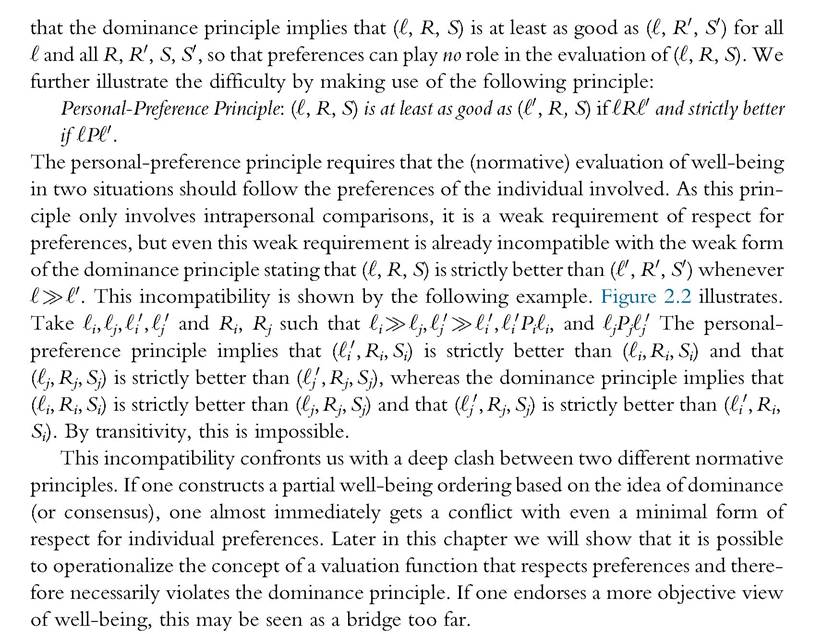
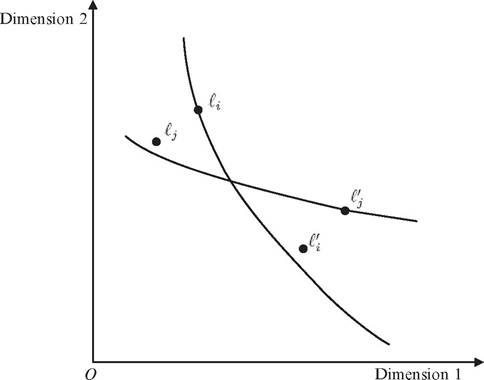
Figure 2.2 The dominance principle and personal-preference principle are incompatible.
Moving from the basic theoretical discussion to the applied work, a large number of empirical applications are focusing only on a description of functionings vectors. At the other extreme, we can find some examples in which one synthetic well-being index is constructed in an explicit way. The best known example of a synthetic well-being index (at the country level) is the Human Development Index (HDI) of the UNDP that will be described in more detail in Section 2.5. As a matter of fact, we will argue that this popular measure presents a good illustration of the problems raised with an objective approach.
2.3.2 Utility and Happiness
In the recent decades there has been a strong upsurge of economic research on happiness. Given the traditional reluctance of economists about the use of subjective information obtained through questionnaires, this is a somewhat surprising phenomenon. Data on subjective well-being have by now been collected for thousands of respondents throughout the world with large-scale surveys. Many variants of the subjective well-being question have been studied, all being relatively simple.[61]
It is useful to distinguish between two broad categories of subjective well-being questions. We illustrate both categories using the European Social Survey. The first question refers to life satisfaction and goes as follows: “All things considered, how satisfied are you with your life as a whole nowadays? Please answer using this card, where 0 means extremely dissatisfied and 10 means extremely satisfied.” The second question refers to happiness: “Taken all together, how happy would you say you are? Please use this card.” Analysis suggests that the results for both questions are generally highly correlated and that they can be explained to a large extent by the same set of correlates. Not surprisingly, many economists have concluded that both questions measure the same underlying concept—which is then equalized with the traditional notion of utility. This interpretation is not supported by psychologists, however, who make a clear distinction between affective and cognitive components in the experience of life satisfaction. As a matter of fact, there is growing evidence that affective scores are less sensitive to objective conditions oflife, such as income, and more prone to adaptation.[62] We will return to this distinction and to its normative consequences in the first subsection, but for the moment we do as if both questions reflected the same underlying concept of utility that can either be measured by questions on happiness or by questions on life satisfaction and that we will label generically as “subjective well-being.”
It is not our ambition here to give an extensive overview of the large empirical literature on the topic (see Chapter 14). We will only draw attention to three key findings that are relevant to our quest for an attractive measure of individual well-being. First, the answers to the subjective well-being questions are empirically robust and show regular patterns that are intuitively reasonable. This is not a trivial finding in the light ofthe traditionally dominant view that interpersonal comparisons of utility are necessarily normative and can have no empirical basis (Robbins, 1938).
Second, the literature convincingly shows that answers to subjective well-being questions are not only, perhaps not even mainly, determined by monetary income or material consumption. The life dimensions that have been found to be relevant for subjective wellbeing almost coincide with the lists of functionings that were described in the previous section: in addition to income, also health, job market status, quality of relations and social interactions, and even political rights and freedom of speech have been shown to have a significant impact (Frey and Stutzer, 2002). The initial interest in subjective well-being in economics has largely been driven by the striking findings of Easterlin (1974), showing that despite the strong economic growth since the Second World War, subjective well-being has remained almost constant. Recent work (e.g., by Stevenson and Wolfers, 2008) has questioned the empirical validity of the so-called Easterlin paradox, but has not shaken the consensus that subjective well-being is crucially influenced by nonmaterial factors.
A third finding is also related to the Easterlin paradox. Respondents rate their subjective well-being by comparing their actual situation with a set of variable reference standards. They compare their own life conditions with those of their reference groups. Moreover, there is a dynamic process of adaptation of standards through which people lower their aspirations when things go badly and raise their standards when things go well. The empirical literature on subjective well-being now offers plenty of examples showing that adaptation is indeed a pervasive real-world phenomenon. The most striking examples of adaptation are found in the sphere of health, but they also occur in other dimensions of life. Deaton (2008) finds that countries with higher rates of HIV prevalence do not systematically report a lower life (or even health) satisfaction, whereas individuals (and countries) care about HIV and would prefer not to suffer from it. Individuals who have lost a limb may, after adaptation, recover a good subjective well-being score— but still express a strong aversion to disability (Loewenstein and Ubel, 2008; Oswald and Powdthavee, 2008). Interestingly, the recent work on subjective well-being has produced convincing empirical evidence confirming Sen’s concern about physicalcondition neglect.
The literature on subjective well-being is largely descriptive and seldom engages in an explicit normative discussion. Yet, even if there are no explicitly normative conclusions drawn, often it seems implicitly understood that a higher subjective well-being is better. Using subjective well-being as a measure ofindividual well-being is understandable given the dominance of subjective welfarism in (applied) economics. A successful measurement of utility allows shortcutting the use of its imperfect monetary approximations (such as the consumer surplus). Moreover, the data on life satisfaction are readily available and
easy to collect.13 If one is willing to accept the answers as an interpersonally comparable measure of utility, one obtains a ready-to-use one-dimensional measure of well-being expressed on a convenient scale, which can then be plugged into a social welfare function. All relevant nonmonetary dimensions are included in the measure, based on the personal evaluation of the individuals themselves. Relying on the earlier notation, this approach uses the subjective well-being scores as aggregator of the various life dimensions and therefore as the measure of individual well-being:

where the superscript SA refers to satisfaction.
Using subjective well-being as the measure of well-being (i.e., returning to subjective welfarism) implies that it is ethically desirable to redistribute from someone with a high level of subjective well-being to someone with a low level of subjective well-being. It is regrettable that the happiness and welfare economic literature have developed largely in separation, so that there is little debate in the former literature on Sen’s original—but very topical—arguments of “physical-condition neglect” and “valuation neglect” against this subjective welfarist position (see also Section 2.2). This separation may partly be caused by a difference in focus because the happiness literature is more interested in “average” or “aggregate” results at the level of the whole society and less on inequality and redistribution. Yet, this different focus offers only a partial explanation, as there is by now a growing number of papers focusing on inequality in happiness (see Dutta and Foster, 2013; Van Praag and Ferrer-i-Carbonell, 2009, for instance).
Before turning to the central questions of this chapter about respect for preferences and responsibility, we first have to return to the question of whether happiness and life satisfaction indeed measure a single concept of utility.
2.3.2.1 Feelings of Happiness and Hedonic Welfarism
The conclusion that there is one concept of utility, underlying both happiness and life satisfaction measures, is contested by most psychologists. They emphasize that “well-being” is a multifaceted experience, and that it is at least essential to distinguish two of its components: affects (feelings, emotions) and cognitions (Diener et al., 1999; Kahneman and Krueger, 2006). For the cognitive component, individuals take some distance to formulate a judgment over their lives. Positive and negative emotions, on the other hand, come in a permanent flow when individuals are awake. They are related to Bentham’s pleasures and pains. If one accepts this distinction, the finding that the answers to questions on happiness and life satisfaction are highly correlated becomes worrying rather than reassuring. It suggests that what is measured by the questionnaires is a kind of hybrid mixture of feelings and cognitions without much psychological relevance.
13
Pragmatic arguments are emphasized, e.g., by Oswald (1997).
In fact, this is precisely the judgment of psychologists like Kahneman, who argue that to measure the affective experience of happiness, other methods (such as experience sampling or day reconstruction) should be used (Kahneman and Krueger, 2006). Application of these methods shows that adaptation is even stronger for feelings than for judgments of satisfaction. Individuals seem to be characterized by a (largely genetically determined) baseline level of happiness, to which they return after having experienced positive or negative shocks.
The distinction between affects and cognitions is not only psychologically relevant but also resonates with welfare economic arguments. It is common to distinguish two variants of welfarism. “Hedonic welfarism” bases the evaluation of individual well-being on feelings of happiness; “preference welfarism” starts from judgments about what is a valuable life and aims at respecting these preferences. There is a clear link with the distinction between affects and cognitions.
Let us first comment on “hedonic welfarism,” a modern version of traditional Benthamite utilitarianism. Influential advocates of this variant of welfarism are Kahneman et al. (1997, 2004) and Layard (2005). This approach argues that only feelings of happiness matter for well-being. One of the main reasons for adopting hedonic welfarism is skepticism about the idea that preferences over life dimensions can be meaningfully defined. This skepticism toward preference welfarism leaves hedonic welfarism as the only feasible approach if one cares about individual well-being as experienced by the individuals themselves. Yet, it seems a quite radical position to state that human beings have no single idea about what is valuable in their lives.[63] [64] Rejecting this extreme position, we turn to the central questions of this chapter on respect for preferences and responsibility. Defining individual well-being in terms of feelings of happiness alone does not respect preferences. Such feelings may be very important to individuals, but they are not the only consideration entering the assessment of life (Benjamin et al., 2012; Nussbaum, 2008). Individuals may consider Vincent Van Gogh’s life to be more valuable than that of another person who had only pleasant feelings but did not leave any trace after his death. Moreover, using feelings of happiness as the measure of well-being for inequality measurement implies that individuals are not to be held responsible for any factor that influences these (after all extremely subjective) feelings. One immediately runs into the issue of expensive tastes, which is nicely illustrated by Sen’s colorful story of the unhappy millionaire: I haven't seen you for manyyears-since I was chucked out of school in fact. I run into you one day in the West End waving at me from your chauffeur-driven Rolls-Royce, looking shockingly prosperous and well-heeled. You give me a ride, and invite me to visit you at your mansion in Chelsea. I remark that I am pleased to see what a high standard of living you are enjoying. 'Not at all', you reply, ‘My standard of living is very low. I am a very unhappy man.' 1Why so?' I have to probe. 'Because', you reply, 'I write poems - damn good ones too - but nobody likes my poems, not even my wife. I am always depressed about this injustice, and also sorry that the world has such deplorable taste. I am miserable and have a very low standard of living.' By now I can see no reason to doubt that you are indeed unhappy, but I feel obliged to tell you that you don't know the meaning of ‘standard of living'. So you drop me off at the next Tube station (remarking: ‘My standard of living high/What a plebeian lie!', adding to the set of people who don't think much of your poetry). Sen (1984, p. 75) Arguably, it is not ethically attractive to compensate the unhappy millionaire for his lower level of subjective well-being. As a matter of fact, given the strong adaptation of happiness feelings, it is even unlikely that any redistribution of income would contribute to a higher level of social welfare. Hedonic welfarists therefore emphasize the importance of investing more in the mental health of the citizens (see, e.g., Layard, 2005)—to the point perhaps of convincing the unhappy millionaire that he is on the wrong track. While “hedonic welfarism” reduces the scope of individual well-being to feelings of happiness, a broader scope on well-being does not necessarily discard these feelings completely. Indeed, “it would be odd to claim that a person broken down by pain and misery is doing very well” (Sen, 1985, p. 17). It is easy to integrate this intuition in other approaches to well-being, by treating emotions as aspects of life over which individuals may have preferences. In our formal notation, they are then seen as one (but definitely not the only) component of vector fi.16 In this interpretation, hedonic welfarism respects preferences only under the unrealistic assumption that the only thing that individuals ultimately care about is their own feelings (i.e., a subset of‘,). Yet, including feelings in the list of dimensions of life raises some additional hard questions. Here are some examples. The CEO of a large firm may “need” a certain material lifestyle to be respected in his group of peers, whereas a university professor in a philosophy or welfare economics department may perhaps earn more prestige through a sober lifestyle (Robeyns, 2006). Do we accept these “needs” in our definition of well-being? And, what about feelings of depression that are not obviously linked to physical conditions? Where should we draw the line between real psychiatric problems (which most observers would include in the definition of well-being) and overly subjective reactions, which can be easily manipulated and are situated within the sphere of private information? Leaving these questions aside, we now move to “preference welfarism.” 16 See, among others, Kimball and Willis (2006), Loewenstein and Ubel (2008), and Rayo and Becker (2007). 2.3.2.2 Life Satisfaction, Experienced and Decision Utility Rather than interpreting subjective well-being as an expression of emotions, one can also see it as reflecting a cognitive judgment about the extent to which one is leading a good life. The satisfaction function Si is then basically an aggregation function, giving a synthetic evaluation of the complete vector ‘ of relevant life dimensions (as we have just seen, this vector may include some pleasant and unpleasant feelings). Various authors in the literature argue that using the satisfaction function means that one evaluates well-being with the value system that is used by the respondents themselves. “If we accept the Marxist idea of‘false consciousness,’ we play God and decide what is good for others, even if they will never feel it to be so” (Layard, 2005, p. 121). The argument seems straightforward: If we care for what people care about, we should care for their own perception of life satisfaction. Even if this reasoning may seem convincing at first sight, it requires some further scrutiny. To do so, let us first consider the relation between the satisfaction function Si and the preference relation Ri. Clearly, the idea of respecting preferences is only meaningful if one accepts that individuals have well-considered ideas about the good life that can be represented by a (possibly incomplete) preference relation Ri. The precise interpretation of Ri is somewhat ambiguous in the literature, however. Happiness researchers have introduced a distinction between “experienced utility” and “decision utility” (Kahneman and Sugden, 2005; Kahneman et al., 1997). Although decision utility is linked to prospective choices, experienced utility would be better reflected in survey questions that are answered ex post. It turns out that there is frequently a discrepancy between experienced utility and decision utility, in the sense that individuals apparently misperceive the effects of their choices on their future experienced utility (see, e.g., Gruber and Mullainathan, 2005; Layard, 2005; Stutzer and Frey, 2008). In such cases, it is argued, the focus should be on experienced utility. It is possible to interpret the limitations of decision utility in two different ways. The first interpretation is that stable preferences do not exist. Preference welfarism then is simply not meaningful, and we are back in the hedonic welfarist approach of the previous subsection, albeit possibly with some (undesirable) confusion between affects and cognitions. The second interpretation is that the relevant preferences about life dimensions should involve correct information and proper deliberation and that they therefore are not always revealed in actual choice behavior—and hence in decision utility. The difference between decision utility and experienced utility then justifies skepticism about the use of revealed preferences as a criterion for evaluating well-being and does not exclude the interpretation of Si as a representation of the true underlying preferences of individuals. As we have stressed already before, Ri does not necessarily coincide with revealed preferences in our formal framework. In fact, if psychological feelings of happiness are part of fi, and insofar as decision utility suffers from imperfect forecast of the psychological effects of choices, we suggest that Ri should not be equated to decision utility, but should be corrected for mistakes and misperceptions. With this caveat in mind, we can now put forward the obvious point that a necessary condition for Si to respect preferences is that it is a representation of the preference ordering R1: Consistency Assumption The formal analogy between the satisfaction function Si and the valuation function υi that was introduced before is obvious. Yet, the interpretation of satisfaction as a cardinally measurable and interpersonally comparable variable, which is common in the applied literature, implies that the satisfaction function is more than a general representation of ordinal preferences. Satisfaction scores select one particular “utility” function from the set of all positive monotonic transformations representing the same preference ordering. Selecting a particular cardinalization imposes a particular scaling. This scaling will reflect comparisons with reference situations such as the worst possible and the best possible situation, the situation one expected at some earlier stage in life (aspirations or expectations), the situation of one’s parents, the situation of reference groups such as one’s peers or one’s fellow citizens. We can call all such components of the judgment the scaling factors. Obviously, scaling factors may differ across individuals and change over time, as aspirations and the choice of reference groups may change. Moreover, the specific scaling may depend on the way the satisfaction question is formulated, or even on its location in the overall questionnaire. It is crucial to realize that the consistency assumption only refers to ordinal preferences and not to these scaling factors. This immediately implies that preferences Ri, which, as discussed before, do not necessarily coincide with revealed preferences, do not necessarily correspond to experienced utility either. Experienced utility as it is typically observed with empirical methods may incorporate a shift in scaling factors and therefore a change from an initial function Si to another function Si0. The consistency assumption says nothing about inequalities of the form subsection. It is hard to test the consistency assumption empirically because in practice it seems almost impossible to make sure that preferences and scaling factors remain fixed when an individual moves from Ci to C/. We propose to interpret the assumption as a requirement on the measurement of 2.3.2.3 Respect for Preferences Using life satisfaction as a measure of individual well-being does respect preferences, provided that the consistency assumption holds. Indeed, combining the latter assumption with expression (2) immediately confirms that a measure of well-being directly based on Si (‘i) satisfies the personal-preference principle that was introduced in the previous section. Note that this necessarily implies that such a measure will not satisfy the dominance principle. However, one can argue that respecting preferences for the measurement of well-being requires going beyond intrapersonal comparisons at one point in time (this is the scope of the personal-preference principle). For evaluating inequality, the idea of respecting preferences needs to be extended to situations where scaling factors are different. Such cases can reflect interpersonal comparisons between a pair of individuals who share the same preferences but have different scaling factors, or comparisons over time for a given indi It is therefore not obvious that using life satisfaction as a measure of well-being does indeed respect preferences. If one endorses the value judgment that the happy poor are worse off than unhappy millionaires, and hence that redistribution from the millionaire to the poor would lead to an improvement from a social welfare point of view, one has to give priority to the information about (common) preferences over the information about satisfaction levels. This idea is embodied in the following principle, which logically strengthens the personal-preference principle: Clearly, the same-preference principle is not satisfied by an approach that uses life satisfaction scores as individual well-being measures. 2.3.2.4 Responsibility and Freedom The discussion in the previous subsection also addresses our second central question on responsibility and freedom. Using life satisfaction as the measure of well-being and as the sure, individuals are not held responsible for their aspirations and are compensated for them. Redistributing from a poor peasant to a rich millionaire would then be ethically desirable if the rich millionaire were less satisfied with life because the millionaire would not be held responsible for his ambitious aspirations. As another example, consider two individuals occupying the same job. The first individual comes from a poor family and has received little education: he is satisfied to have found a job. The other individual has rich parents and a university degree: he is dissatisfied because he is convinced that he was entitled to a “better” job.[66] Because using life satisfaction scores as the measure of well-being does not question the higher aspirations of the rich person, some redistribution of income from the modest to the ambitious individual is socially desirable. This is a conclusion that will appear counterintuitive to many. 2.3.3 Respecting Preferences: Equivalent Income We have seen that neither the capability approach nor the happiness approach (in its hedonic or its satisfaction interpretation) respects the same-preference principle. The third approach covered in our survey, that of equivalent income or money-metric utility, does.[67] [68] The somewhat surprising history of the concept has been sketched in Section 22. We will first introduce the approach and then turn to the most prominent points of criticism. 2.3.3.1 The Equivalent Income Let us write the vector of relevant life dimensions for individual i as ‘ = (yi, xi), where xi contains all the nonincome dimensions and yi his income.2 Now, choose reference values x for all the nonincome dimensions. The choice of reference values is a crucial question, to which we will return in the following subsection, but let us first assume that we can take them as given. The equivalent income y* for individual i is then defined as the solution to the equation In other words, the equivalent income is the level of income that would make the individual indifferent (as judged by his own preferences) between his current situation and the hypothetical reference situation where he would be at the reference values for all nonincome dimensions of life. We then take this equivalent income as the measure of individual well-being: The function that gives the equivalent income for individual i for each combination of (yi, xi) is the so-called equivalent income function The concept is illustrated in Figure 2.3 for the case of income-health combinations. Suppose we have to compare the situation of Ann (in A) and Bob (in B). Taking normal health as the reference for the health dimension (we will see in the nextsection that this is indeed an attractive choice), we can define the equivalent income To see this, note first that the equivalent income is a representation of the preference ordering. Indeed if preferences are monotonic in income, it follows immediately that This shows that, just like subjective well-being under the consistency assumption, the equivalent income function is one possible “utility” function from the set of all positive monotonic transformations representing the same preference ordering. Contrary to life satisfaction scores, however, this specific cardinalization of the utility function does respect the same-preference principle. This is immediately clear from Figure 2.3. The equivalent income uses only ordinal information about the shape of the indifference curves and is not sensitive to differences in aspirations or expectations captured by the satisfaction function S. 21 As canbe seen from expression (3), the equivalent income depends on the choice forthe reference value x. To avoid notational clutter, we suppress this dependency in the notation, however. Figure 2.3 Equivalent income. Recall that a measure that satisfies the personal-preference principle (and, a fortiori, the same-preference principle) does not satisfy the dominance principle. If, in Figure 2.3, Bob were in situation B" rather than in B, his equivalent income would not change (because B and B" are on the same indifference curve). He would still be better off than Ann, whereas B" is dominated by Ann’s situation A. The figure also shows why this result is obtained: With his indifference curves, which are “steeper,” Bob gives a smaller weight to health than Ann and therefore suffers less from the fact that his health is not at the reference value. Another way of interpreting the equivalent income refers to willingness-to-pay. It follows from expression (3) that 2.3.3.2 Concavity Failures and Choice of Reference Values One of the reasons why the equivalent income approach lost popularity in the applied welfare economic literature was the finding by Blackorby and Donaldson (1988) that the equivalent income function y* (yi, xi) is not necessarily concave in income. As expression (4) shows, this will occur are homothetic. Blackorby and Donaldson (1988) then argued that using y* as an indicator of individual well-being in a social welfare function may lead to undesirable redistributive consequences. A regressive income transfer (i.e., a transfer of income from someone with a low equivalent income to someone with a high equivalent income) might be seen as a welfare improvement. Of course, this point only concerns income transfers: A “transfer” of equivalent income itself will lead to an increase in the value of any social welfare function that is concave in equivalent incomes (and to a decrease in inequality with any inequality measure satisfying the Pigou-Dalton transfer principle). A similar result has been found in the theory of fair allocation, stating that any approach—and not only an approach based on the equivalent income function—that evaluates well-being on the basis of individual indifference curves may clash with a multidimensional Pigou-Dalton transfer principle (see Fleurbaey and Maniquet, 2011). We return to this issue in Section 2.4, but note here already that the only way to avoid the problem is to work with a social welfare function that is of the leximin type (i.e., gives absolute priority to the worse off). A second point of criticism relates to the dependency of the equivalent income method on the choice of the reference parameters x. The dependency is clear: if one moved the reference line in Figure 2.3 sufficiently downward, the relative well-being positions of Ann and Bob would change. Yet, the fact that reference values have to be chosen does not mean that they are necessarily arbitrary (which is the position taken by Blackorby and Donaldson, 1988 and Donaldson, 1992). Given that we are looking for an answer to the normative question “equality of what?” normative choices are inevitable. It is then better to make them explicit, so that they are open to debate and scrutiny. This is precisely the approach taken in the literature on fair allocation. Fleurbaey and Maniquet (2011) provide many examples of applications of money-metric utility in which the reference is selected on the basis of clear normative principles. We will focus here on the choice of references for the calculation of equivalent incomes. Suppose we want to compare the well-being of two individuals who are in the reference situation for all the nonincome dimensions (e.g., in Figure 2.3 we would consider Alice in A' and Bert in B0). By definition, their equivalent income then coincides with their actual income—implying that the comparison of well-being levels for Alice and Bert reduces to a comparison of their actual income levels, despite the fact that they have different preferences (Bert cares less about health). This example suggests a general criterion for choosing the reference situation. Reference values should be set in such a way that we can accept the implication that when all individuals are in the reference situation for the nonincome dimensions, differences in preferences do not matter to determine who is worse or better off. Namely, if all individuals are in the reference situation, we can focus on income only. When there exists a “normal” level for the nonincome dimensions to which all individuals aspire, it seems natural to take this normal value as the reference. An obvious example is health because we may assume that, despite some interpersonal differences, there is a large degree of consensus about what is a normal, unproblematic health level. Return to the example of Alice and Bert. It appears counterintuitive to claim that a Pigou-Dalton transfer of income from Bert to Alice would lead to a more unequal distribution of well-being on the grounds that Bert cares less about health because they are both in normal health anyway. On the contrary, redistributing income may increase inequality when comparing two individuals at the same health level, when this health level is not the normal one. Indeed, it may happen that the richer individual cares more about health and therefore suffers more from this health condition than the poorer individual. Recall that a similar reasoning has already led us to the conclusion that deviations from the dominance principle can be justified when preferences differ. With this choice of reference, the equivalent income measures the welfare loss that results from deviations from the “normal” level, and this loss is dependent on preferences, which can also be seen from expression (4). However, it is not possible to define a normal level to which everybody would aspire, for all life dimensions. First, the idea of a “normal” level may be different for different individuals. Leisure (or hours worked) offers a challenging example. Although it may be safe to assume that employment is desirable for everybody (and hence that being employed is a good choice for the reference), people are likely to have different ideas about what is a normal amount of hours of work (and hence of leisure time). Some individuals (academics?) love their work. Others only have access to unpleasant jobs—and although they prefer having a job to being unemployed, they would prefer to have to work as few hours as possible. As shown in Fleurbaey and Blanchet (2013), such differences can be accommodated by selecting individual-specific “normal” values as the reference. Although this complicates the calculations, the interpretation still holds that the difference between income and equivalent income is the welfare loss that results from deviations from the normal level. Second, even this personalized approach does not work well when the nonincome dimension is unbounded and people have monotonic preferences over it. It is not interesting in this case to take the “best” or a very large reference value because this would lead to extremely small equivalent incomes. A practical solution is then to pick some upper bound (or a variable such as the median) as the reference, but this remains rather ad hoc. More theoretical work is needed to solve this issue.[69] 2.3.3.3 Freedom and Responsibility As was emphasized earlier, the most significant feature ofthe equivalent income approach is that it satisfies the same-preference principle. It is important to note that this respect for preferences is in line with the perspective on personal responsibility that has been put forward by some prominent social philosophers. Rawls (1971, 1982) argued that treating persons as autonomous moral agents necessarily implies that they should assume responsibility for their goals and their conception of the good life. Dworkin (1981a,b, 2000) stressed that individuals should be held responsible for their preferences: In his view, an individual cannot sensibly identify with his own preferences about how to conduct his life and at the same time request compensation on the grounds that his preferences are a sort of handicap. This view on responsibility for preferences is not beyond criticism, however. In the literature on equality of opportunity and responsibility-sensitive egalitarianism, it has been attacked by authors such as Arneson (1989), Cohen (1989), and Roemer (1998). They claim that preferences are often the product of upbringing and social influences, for which individuals cannot be held responsible, and they instead advocate the “common sense” view that individuals should be held responsible only for what they have genuinely chosen. This, however, raises similar questions as the ones that were encountered earlier when discussing the opportunity-set approach to capabilities. Choices are also determined by factors that are not under the control of the individuals. An attractive theory of responsibility as choice seems to require that one corrects for interpersonal differences in the environment and also for differences in the choicemaking abilities of the individuals. Yet, this brings us on a slippery slope. Is there any room left for individual responsibility in a deterministic world, if we better and better understand and explain behavior? The question is especially acute within the paradigm of rational choice (Fleurbaey, 2008). In this paradigm, genuine choice is an elusive notion, as individual decisions result from a mechanical optimization exercise with a given objective (preferences) and a given set of options (determined by the budget set and possibly additional constraints). On the other hand, the equivalent income approach makes use of the preferences that are one of the essential building blocks of the economic model. Recall, however, that one should be careful about equating “revealed” preferences with the authentic views of the good life that have to be respected. Rawls (1971) already made the connection between respecting different conceptions of the good life and the notion of real freedom. In the same spirit, Fleurbaey (2008) defends the view that individuals should be put in good conditions of autonomy and freedom so that they can be the masters of their lives and participate fully in social interactions. He argues that respect for freedom implies respect for personal preferences. In this view, a policy that is successful in reducing inequality in well-being, defined as equivalent income, can also be seen as reducing inequalities in the real freedom of the individuals. 2.3.3.4 Measurement of Preferences Compared to the other methods proposed in this section, the equivalent income approach requires additional information. More specifically, for each individual one needs to know not only his actual situation in terms of the relevant life dimensions, fi, but also his preferences, Ri. Although recovering this information may be hard, it is not a hopeless task. Nor is it a new problem. Economics has a long tradition in identifying preferences, both for market and for nonmarket goods. Three methods have been proposed and applied in the literature on equivalent income, each of them with its own strengths and weaknesses. 2.3.3.4.1 Revealed Preferences The first method uses revealed preferences (i.e., preferences that are derived from an analysis of observed choice behavior). This approach is common in consumption and labor supply analysis. In fact, the first applications of money-metric utilities made use of it. As an example, King (1983) analyzed the welfare implications of housing subsidies with equivalent incomes that are derived from observations of choices on the housing market. Recently, DecosterandHaan (2013) and Bargain et al. (2013) have estimated preferences over consumption-leisure combinations on the basis of a discrete labor supply model. The authors then derived estimates of equivalent incomes for different choices of the reference values. Within the perspective of the measurement of equivalent income, an important challenge for this approach is to incorporate preference heterogeneity in an adequate way. More generally, the method only works if individuals have a real choice and can be assumed to choose rationally. This observation points at two limitations. First, the revealed preferences approach cannot give information on the relative value of dimensions that are not chosen by the individual. An example is health: Although it can be influenced by lifestyle choices to some extent, health remains largely outside the sphere of private decisions. Second, choice behavior does not always reveal the informed and authentic preferences of individuals. Human beings make mistakes or take decisions under imperfect information or under social pressure. Behavioral economics has shown that it is not always possible to identify preferences in such situations because the outcomes of two different behavioral models (with different underlying preference relations) may be observationally equivalent in terms of choices (Bernheim, 2009; Bernheim and Rangel, 2009). 2.3.3.4.2 Stated Preferences The second method is based on stated preferences and makes use of the contingent valuation methods that are typically used in environmental economics and in health economics to measure the subjective willingness-to-pay for goods that cannot be bought on a market.[70] The contingent valuation method consists of asking people to evaluate the income they would need to be as well off in different reference scenarios as they are currently. As expression (4) shows, as soon as the actual income of individuals and their willingness-to-pay to be in the reference situation is known, equivalent income can be computed easily. This method is indeed the most direct way to make the notion of equivalent income operational. To analyze policies, it is generally not sufficient to register the willingness-to-pay and the equivalent income of the individuals. One also would like to derive information about their entire indifference map. Because the equivalent income function It is fair to say that within the economic literature there is no consensus about the validity of these stated preferences techniques. There are strong believers and at the same time ruthless critics. Two titles in a recent symposium of the Journal of Economic Perspectives summarize the debate. Carson (2012) claimed that contingent valuation is a practical alternative when prices are not available, whereas Hausman (2012) argued that the results range from dubious to hopeless. This is not the place to settle this debate. Let us simply note that the applications in the context of equivalent income may be among the least contested because they are based on realistic and understandable alternatives, with which the respondents may have had some previous experience (like being in good health), rather than more esoteric alternatives (like the survival of a particular whale) with which they are not familiar. 2.3.3.4.3 Using Satisfaction Data The third method for estimating preferences makes use of the answers to a “satisfaction with life” (or happiness) question. At first sight, this may seem a surprising venture, given our earlier emphasis on the fact that the answers to these satisfaction questions do not satisfy the same-preference principle. Yet, we have seen that the satisfaction function Si can be interpreted as one utility function representing the preference ordering of individuals, provided the consistency assumption holds. By modeling carefully the effects of aspirations and expectations on subjective well-being, one can retrieve the ordinal information about preferences that is embodied in the satisfaction answers. This method is in line with a growing body of research that estimates willingness-to-pay for nonmarket goods through their effects on subjective satisfaction (see, e.g., Clark and Oswald, 2002; Van Praag and Ferrer-i-Carbonell, 2007). Denoting by πi the individual characteristics of individual i, which are not seen as life dimensions but as factors that do influence life satisfaction (the scaling factors), we can rewrite the satisfaction function as puted by solving where the subscript j refers to the different life dimensions. Expression (5) shows that interpersonal variation in the psychological characteristics πi will only influence the value of the equivalent income if it influences the marginal rates of substitution. Differences in scaling factors that only influence the satisfaction level, without affecting the relative weights given to the different dimensions, will not influence the estimated y*. The satisfaction method has been used to calculate equivalent incomes by Fleurbaey et al. (2009) and by Schokkaert et al. (2011). In both papers it is shown that the ranking of well-being on the basis of subjective satisfaction differs considerably from the ranking of equivalent incomes. Like the stated preferences approaches, the use of satisfaction data allows for the incorporation of nonchoice dimensions in the evaluation. However, the precise specification of the function difficult issues.[72] [73] Most important, the method rests on the acceptability of the consistency assumption. To be useful, the satisfaction question should be formulated in such a way that it can safely be assumed to capture the respondent’s cognitive views on what constitutes a good life.2 2.3.3.5 What If Preferences Are Incomplete? The equivalent income approach, as described until now, rests on the assumption that well-defined individual preferences exist. Many researchers expressed their skepticism about the use of preferences. We have already seen that, in the light of the many instances of differences between “decision utility” (the perceived utility on which decisions are based) and “experience utility” (the real after-decision utility), some researchers from the subjective well-being approach suggest focusing on the latter in case of conflict. Their skepticism seems to be supported by the recent findings of behavioral economics that a large number of “behavioral anomalies” make it difficult to interpret individual choice behavior as the maximization of well-defined preferences. We have argued before that the latter point urges a focus not on revealed, but on “authentic” preferences. Other researchers reject the idea that individuals “authentically” have a complete preference relation over all possible lives. The assumption of a complete preference relation over all possible lives is indeed a strong one, implying that individuals can order states with which they may not be familiar at all. The psychological uncertainty about preferences may be expected to be larger further away from the actual situation. To calculate healthy-equivalent incomes as depicted in Figure 2.3, for instance, one needs nonlocal information on the indifference curve. Is someone who has been chronically ill for a long time (or is handicapped since birth) able to evaluate trade-offs in a situation of normal health? And, even if individuals have clear ideas about what a good life is for them, the available techniques to recover these preferences are still in their infancy and far from perfect. In fact, it is quite likely that different techniques will lead to conflicting results. If one does not believe that authentic preferences do exist or can be recovered, one could conclude that the equivalent income approach to measuring well-being is not meaningful and that one has to go back to either more “objective” applications of the capability approach or the direct use of subjective satisfaction measures. An alternative approach, however, is to keep individual preferences as the underlying foundation for measuring individual well-being, but to accept that the preference relation is not complete if choices (or stated preferences) are conflicting and context-dependent. This route has been explored by Fleurbaey and Schokkaert (2013) who implement the notion of incomplete preferences (or choices) that was suggested by Bernheim and Rangel (2009) in the context of the measurement of individual well-being. They show that incomplete preferences can be accommodated by introducing upper and lower bounds to equivalent income. Figure 2.4 illustrates the suggested method for the example that was already used in Figure 2.3. Suppose the individual has the income-health combination depicted in Z. Imagine that his preference relation is incomplete: bundles in the region UC are seen as better by him, bundles in the region LC are worse, but bundles in the region NC are noncomparable to bundle Z. This way of modeling preferences embodies the natural assumption that individuals have finer preferences when comparing closer alternatives. Figure 2.4 then immediately shows (using the same assumption about the choice of the reference situation as discussed before) that it is possible to derive an upper limit Figure 2.4 Equivalent income with incomplete preferences. stringent one, and Fleurbaey and Schokkaert (2013) show how it is possible to weaken it to be able to compare more individual situations. The less-stringent conditions do not preclude mistakes in interpersonal comparisons, but they prevent the evaluator from missing a situation in which the worse off is really badly off.[74] 2.3.4 Conclusion Choosing a meaningful measure of individual well-being for the analysis of inequality is a normative exercise. The underlying value judgment is the following: when is it ethically acceptable to say that one individual is worse off than another, in the sense that redistribution is desirable from a social perspective? In this section, we focused on the normative foundations of the three most popular approaches for measuring well-being in a multidimensional setting: the capability approach, the subjective well-being approach (with its two variants: hedonic and preference welfarism), and the equivalent income approach. If one interprets the capability approach in terms of (refined) functionings and one opts for a measurement tool that respects preferences, one arrives at the equivalent income approach. Yet, most followers of the capability model are skeptical about respecting preferences and the idea of trading off different life dimensions against each other. In these concluding remarks, we will follow this dominant perspective on the capability approach. A first ethical requirement for a measure of well-being could be that individual i is said to be better off than individual j, if he has higher achievements in all life dimensions compared to individual j. This is the so-called dominance principle. We have seen that this seemingly innocuous principle cannot be reconciled with respect for preferences and that it is therefore not satisfied by the happiness and equivalent income approaches. It can be satisfied by the capability approach, on the other hand, if the latter is implemented with an aggregation procedure that gives objective weights to all dimensions. This observation immediately implies that the capability approach in this interpretation cannot respect preferences. Respect for preferences comes in a weak and a strong form. The personal-preference principle is satisfied by the subjective well-being approach, provided that the answers to satisfaction questionnaires are consistent with preferences. The personal-preference principle is also satisfied by the equivalent income approach. Only the equivalent income approach satisfies the stronger same-preference principle, which extends respect for preferences to interpersonal comparisons. The crucial difference between the two approaches is the treatment of aspirations and expectations, and hence of adaptation. These phenomena are taken up in the life satisfaction measure of well-being, whereas they are corrected for by the equivalent income approach. The hedonic version of the subjective well-being approach goes very far in its rejection of the relevance of preferences by putting forward that only ex post feelings should matter to determine who is worse off. This appears to be a radical position, given the widespread observation that people care about more than their subjective feelings. The choice of a metric of well-being has implications for the implied cut between personal and social responsibility. In its opportunity set interpretation, the capability approach holds people responsible for their choices. This can be harsh in the light of significant differences in the decision-making capacities of individuals. Correcting for these differences is probably easier when we turn to an interpretation in terms of refined functionings. The satisfaction approach compensates individuals with expensive tastes (high aspirations) and will not compensate them if they adapt to poor physical conditions. The equivalent income approach evaluates individual achievements. However, because it evaluates these achievements on the basis of the own conceptions that individuals have about what is a good life, individuals are held responsible for these conceptions. For practical purposes it is important to realize that the different perspectives on wellbeing also impose different informational requirements. If one deems that life satisfaction questionnaires yield meaningful answers, this approach is the easiest to implement. The hedonic approach requires that feelings be registered, ideally with a day reconstruction or an experience sampling method. Both the capability and the equivalent income approaches need information about the different life dimensions at the level of the individual. To calculate equivalent incomes one moreover has to know individual preferences. We discussed three methods to retrieve these preferences. A final word of caution. The happiness literature has looked at the effect of economic inequality on life satisfaction (see also Chapter 13). To give one example, Alesina et al. (2004) show that respondents report a lower level of happiness when inequality is high. This effect is larger and statistically more significant in Europe than in the United States. More strikingly, there are also differences across groups. In Europe mainly the leftist and the poor suffer from inequality, while in the United States the strongest negative effect is on a subgroup of leftist rich. This fascinating result might be explained by differences in perceived mobility. However, for our purposes it is important to be clear about the normative status of these findings. One interpretation is that people care about their social environment, i.e., that perceived inequality (or injustice) is one of the relevant dimensions influencing the quality of their life. This can be easily incorporated in all three approaches in this section. Only the life satisfaction approach would go further, however, and would claim that inequality only matters from an ethical point of view if it influences satisfaction—which would imply that the fact that it is felt as less important in the United States would also imply that it is indeed less important from an ethical perspective. This conclusion is not acceptable for the two other approaches. Both for the capability and for the equivalent income approach, inequality is a problem of justice, and justice remains ethically important, even if people do not (seem to) care. 2.4.

 . We will explore the implications of this insight in the following
  In other words, we assume that the satisfaction question is sufficiently well crafted so that the answers reflect the individual’s views about what is good in life, as embodied in Ri. This is not an innocuous assumption,[65] but from now onward, we will accept that it holds, as it is a necessary condition for subjective well-being measures to respect preferences.
  figuration is not a mere theoretical curiosum. The empirical happiness literature contains many examples of shifting scaling factors. Recall the earlier example of the individuals who express a preference for not being disabled but, after having lost their limbs, recover a good satisfaction score because their aspirations have been adapted to their actual situation (Loewenstein and Ubel, 2008; Oswald and Powdthavee, 2008). Graham (2009) insists that the diversity of scaling factors across individuals generates “happy peasants and miserable millionaires.” Her findings do not imply that the poor would prefer to remain poor above getting rich, neither that the rich would prefer to be thrown into poverty. All these examples can be understood as cases of shifts or differences in scaling factors with common preferences in the background. In these examples there is a clear echo of Sen’s criticism of “physical-condition neglect” toward subjective welfarism.




 for Ann as the income that would bring her in situation A0 (i.e., the income, normal health bundle) that is just as good for her as her actual bundle A. Similarly, we obtain for Bob an equivalent
  terms. It has all the operational advantages of a cardinal and interpersonally comparable measure, so that it can be used in traditional inequality measures. On the other hand, however, it takes into account all the relevant dimensions in the vector fi, weighted according to the preferences of individual i herself.
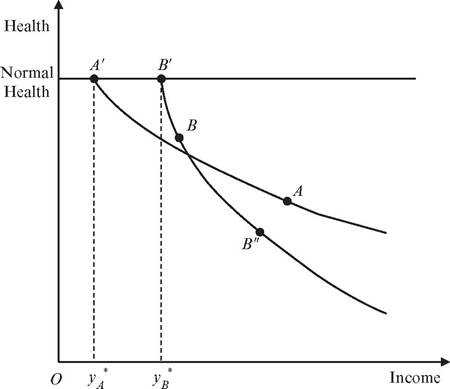

 denotes the willingness-to-pay of individual i for a move from xi to e. It is clearly conditional on the level of the actual income level yi and the level of other life dimensions contained in xi. Because this willingness-to-pay can be large, it is obvious from expression (4) that the ranking of individuals on the basis of equivalent incomes can be very different from the ranking on the basis of their incomes. This is also illustrated in Figure 2.3, where Bob obtains a larger equivalent income than Ann, despite the fact that his income is smaller.
  In general, the problem is avoided if preferences
  is a representation of the preference ordering, observations on y* (or on WTPi) can be used to estimate the parameters of a utility function. Fleurbaey et al. (2013) have used this method to calculate equivalent incomes for income-health combinations with survey data collected in Marseilles.[71] The authors use the estimated parameters to derive a set of distributional weights that could be implemented in a cost-benefit analysis of medical interventions.
  The equivalent income can then be com
 If we adopt a log-linear approximation (which is the dominant model in the empirical happiness literature), this yields
 and the identification of the relative effects of xi and πi raise
  and a lower limit yi*inf for the equivalent income. One can then argue that individual i is better off than individual
 Arguably, this condition is a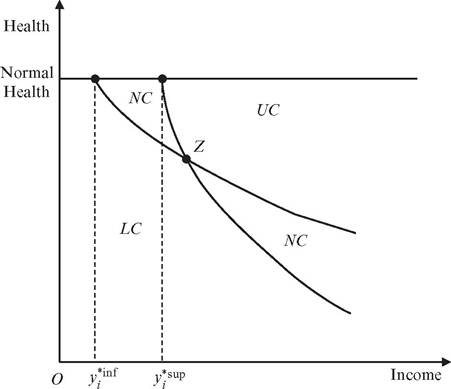
More on the topic In equality of what?:
- Praxis
- Ahmed Hilal, Mishra R.K.. Rethinking Muslim Personal Law: Issues, Debates and Reforms. Routledge India,2022. — 187 p., 2022