The Landscape of Contemporary Memory
Myroslav Shkandrij
In today’s Ukraine, monuments, sites of memorialization, and public spaces tell a story of competing symbols and contested history. Outside Kharkiv, visitors who enter the memorial garden to the Second World War (Figure 11.1) now approach a cross planted within what was until the Soviet Union’s fall a markedly secular shrine to the dead.
In many cities, the sculptures erected to Soviet leaders are now overshadowed or obscured by monuments commemorating the estimated 4 million who died in the Great Famine (Holodomor). The new monuments employ a religious symbolism or reference moments in Ukrainian—rather than Russian or Soviet—history. This evolution had already begun in the 1980s, when the commemorations of tragic events was increasingly infused with religious or popular rituals, which had displaced an enfeebled Soviet mythmaking.Bykivnia is an example of how commemorative practices are working to reassess the Soviet past. A quiet, sandy woodland outside Kyiv, it is the burial site for tens of thousands of Stalin’s victims. Most of the corpses have a bullet hole in the back of the skull. The site has become a place of pilgrimage for those wishing to honor the dead. Today, an official monument at the site’s entrance depicts a single figure standing in mourning, cap in hand, with the date 1937 marking the year of the greatest number of executions (Figure 11.2). An open rail carriage suggests how the dead were transported to similar burial sites in other places (Figure 11.3). Recently, the Polish and Ukrainian governments jointly erected a permanent memorial on the site. However, the monuments erected by officialdom are supplemented by hundreds of embroidered towels, which traditionally accompany important rituals and significant moments in the journey through life, including greetings, departures, weddings, and funerals.
These embroideries hang from trees, placed there by family members of the executed (Figure 11.4). Wreaths and crosses can also be found throughout the woods (Figure 11.5). Frequently, a photograph of a particular individual is attached, with the victim’s date of birth and presumed date of death. In this way, the forest has been transformed into an enormous cemetery. Official recognition and popular memory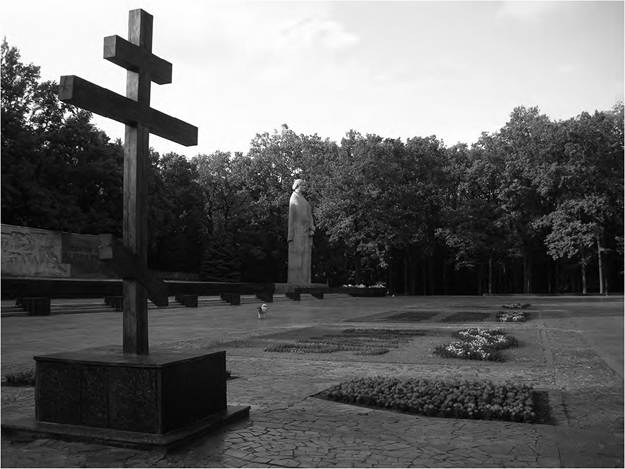
Figure 11.1 Commemorative Garden outside Kharkiv dedicated to the Second World War dead.
Source: Photo by Myroslav Shkandrij.
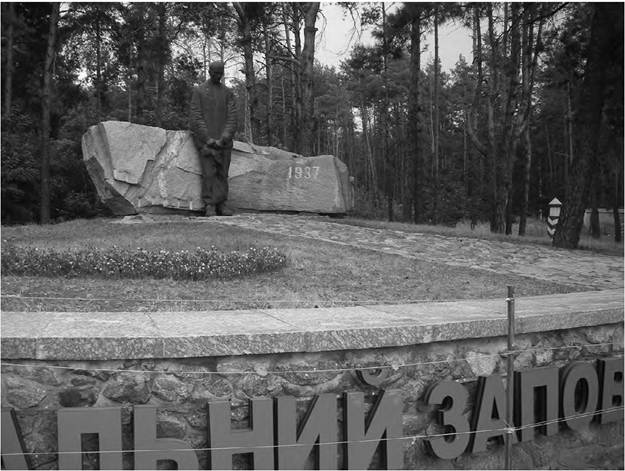
Figure 11.2 Entrance to Bykivnia. Source: Photo by Myroslav Shkandrij.
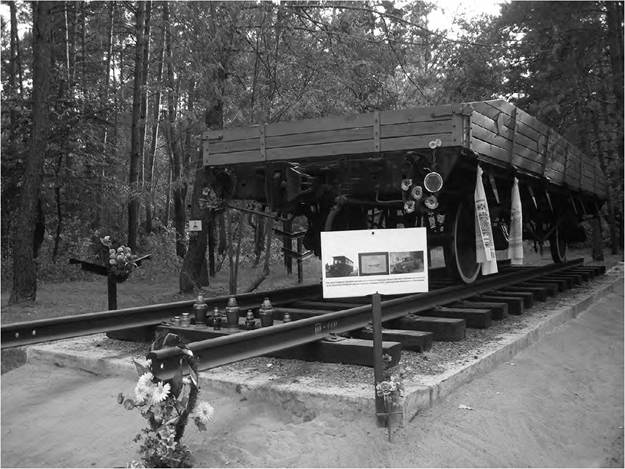
Figure 11.3 Rail carriage at the entrance to Bykivnia. Source: Photo by Myroslav Shkandrij.
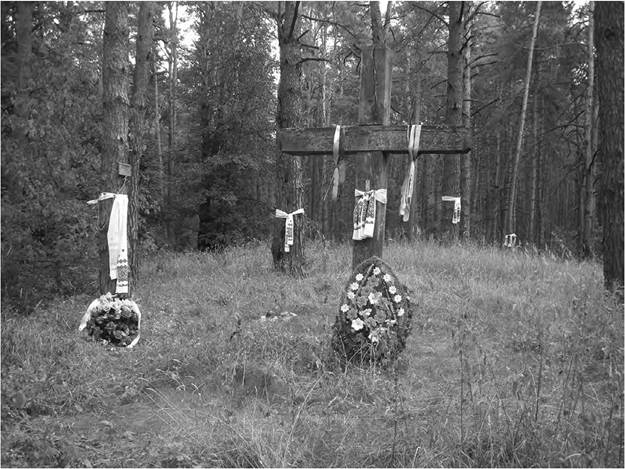
Figure 11.4 Personal shrines on the grounds of Bykivnia. Source: Photo by Myroslav Shkandrij.
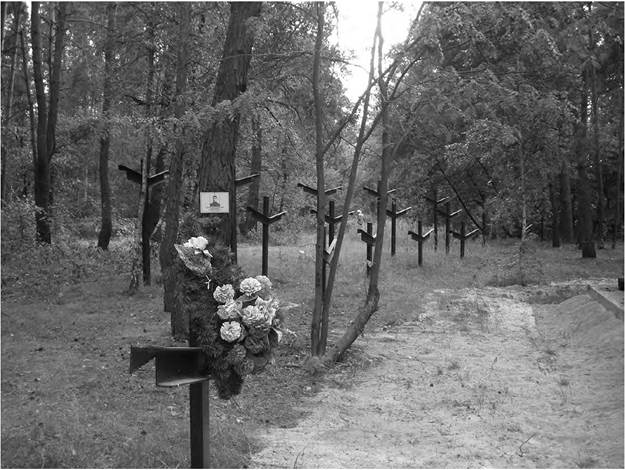
Figure 11.5 Monuments on the grounds of Bykivnia. Source: Photo by Myroslav Shkandrij.
have combined to reconstruct a shared past by developing a symbolic order, one represented by what Astrid Erll has called “the schemata which help us recall the past and encode new experience” (Erll 2010, 5).
An examination of the interplay in these sites between present and past reveals a more complicated story. It is less well-known, for example, that the Bykivnia site was also used to bury executed prisoners before and after the 1930s. In this respect, it represents various “layers” of historical violence that still await closer attention from archaeologists and researchers. Nonetheless, as a commemorative site, it has already absorbed more significance than was the original official intention as proclaimed by the site’s entrance.
Other memories have now been added to the tragedy of 1937. They include the killing of some 20,000 Polish officers in 1941 (collectively known as the Katyn massacre), and the execution in the 1920s of groups who opposed Soviet power. Some photographs on trees depict uniformed Soviet officials, who are recalled alongside nonSoviet and anti-Soviet victims. In this way, the site has come to represent the intersection of two concepts of cultural memory—the subjective and personal, which exists in people’s minds, and the institutional, which is displayed in public monuments and officially endorsed rituals (ibid.).These monuments and sites are visible expressions of a slowly transforming memory landscape. In post-independence Ukraine it is now
178 Myroslav Shkandrij possible, while mourning the dead and remembering the past, to describe tragic episodes that were expunged from official history during Soviet times. The most important omissions from the record included fighters for an independent Ukraine in 1917-21, creators of the Cultural Renaiss ance of the 1920s, victims of the Holodomor and Holocaust, and opponents of Soviet power during and after the Second World War.
Throughout Ukraine, various sites now allow the public to express solidarity with these different victims and in this way to expand the boundaries of collective memory. Since 2013, the memory landscape has also been changed by removing monuments glorifying the communist past. Many have disappeared, including over 1,200 statues of Lenin, which were torn down or removed after 2014 and have often been replaced by monuments to the victims of communism. Debates about what to do with other statues have continued to generate an interest in the historical record; namely, what a particular individual or group did or failed to do, and the appropriateness of maintaining a statue in a particular location. The memorialization of Jews who were victims of the Nazi extermination policy, or of Poles killed by Soviet authorities or Ukrainian nationalists, is gradually, though much more slowly, receiving recognition through a process that includes the rewriting of history, albeit in a highly selective fashion, to allow for the incorporation of divergent memories.
In this way, the narrative of national suffering has gradually become more layered and complex, and this has allowed questions to be raised concerning the manner in which Jewish, Polish, and other pasts should be recalled (Blacker 2014, 638, 649).In this process, some Soviet-era monuments have acquired new layers of meaning. For example, the 1927 sculpture constructed by Ivan Kavaleridze in Sviatohirsk (known as Bannovskoe until 1964, and then as Slavianohirsk until 2003) today finds itself on the boundary of the Donetsk, Luhansk, and Kharkiv oblasts. Originally described as a monument to the communist leader Artem and the working class, in 2007, it was characterized as symbolizing the “young industrial Donbas.” Because Sviatohirsk is on the Ukrainian side in the ongoing war, the sculpture is now viewed as representing national, rather than communist, endurance in the face of aggression. Situated not far from Kramatorsk, the center of the Ukrainian-governed Donetsk oblast, it is currently interpreted as representing the local Ukrainian worker (rather than communism, the Soviet working class, or the international proletariat). Kavaleridze’s work has always found itself in the cross-currents of incompatible narratives. It has been appropriated by both nationalists and communists, traditionalists and innovators. His sculptures and films were initially praised by the Soviet regime, then strongly criticized. A number were destroyed, only to be reproduced in recent years. For example, his statue of Princess Olga was erected in 1911 on St. Michael’s Square in Kyiv, destroyed in 1923, and then reconstructed in 1996. His model for Yaroslav the
Wise was created in the 1960s, but the statue was only erected posthumously, near Kyiv’s Golden Gates in 1997. The erection of his Hryhorii Skovoroda in the Podol district of Kyiv in 1977, a year before his death, was delayed for several years because Soviet authorities were dissatisfied with the portrayal. These works have now assumed iconic stature.
The rebranding of the artist’s legacy and rewriting of his biography illustrate the complicated process through which Ukraine’s cultural memory and new national identity is being constructed.1An unspoken contest between symbols frequently accompanies a statue’s removal. When the massive Lenin in Kharkiv’s main square was taken down (Figure 11.6), an image of Maria Oranta from the famous mosaic in Kyiv’s St. Sophia Cathedral was temporarily place in front of the protective scaffolding (Figure 11.7). One of Lenin’s boots, with Ukraine’s national flag planted in it, was all that remained of the statue. The foregrounding of Maria Oranta could be interpreted as her promotion as the site’s symbolic guardian, perhaps also as the protector of the country’s history, memory, and identity.
Similarly, after the Lenin statue outside the Basarabka Market on Kyiv’s Khreshchatyk Street was destroyed, the yellow-and-blue colors of the national flag appeared on the base, along with various inscriptions on the pedestal—graphic illustrations of a symbolic rebranding (Figure 11.8).
More recent political events have also received popular and symbolic commemoration. Shrines to activists and protestors killed during the Euromaidan and Revolution of 2014 were immediately erected on Independence Square (Figure 11.9). Some contained the helmets of construction workers and wooden shields that were used by many demonstrators in an attempt to protect themselves from the bullets that flew on 20 February 2014. Most of the 120 demonstrators who lost their lives that day were shot by armed police and special forces. A row of shrines to their memory immediately appeared on Kyiv’s former Instytutska Street, now renamed Heavenly Hundred Street in their honor (Figure 11.10). This street was the epicenter of the fighting and the place where many died. These spontaneously erected lieux de memoire were expressions of solidarity, ways of channeling emotions and motivating people to act in a continuing struggle.
They are important in making the values and feelings in society visible to itself and to others.Citizens appear to prefer a manner of commemoration that avoids patriotic inscriptions. The names of the dead are simply listed along the long wall. Often a photograph, the individual’s name, place and date of birth, and profession are attached. Each person receives equal space. The artifacts can be touched, in this way allowing the dead to be recalled. The focus is on mourning the loss of life.
The dramatic events of the Euromaidan were on display in the summer of 2015 on Kyiv’s Independence Square, where a photo exhibition provided eerie reminders of the drama that had been played out in the same
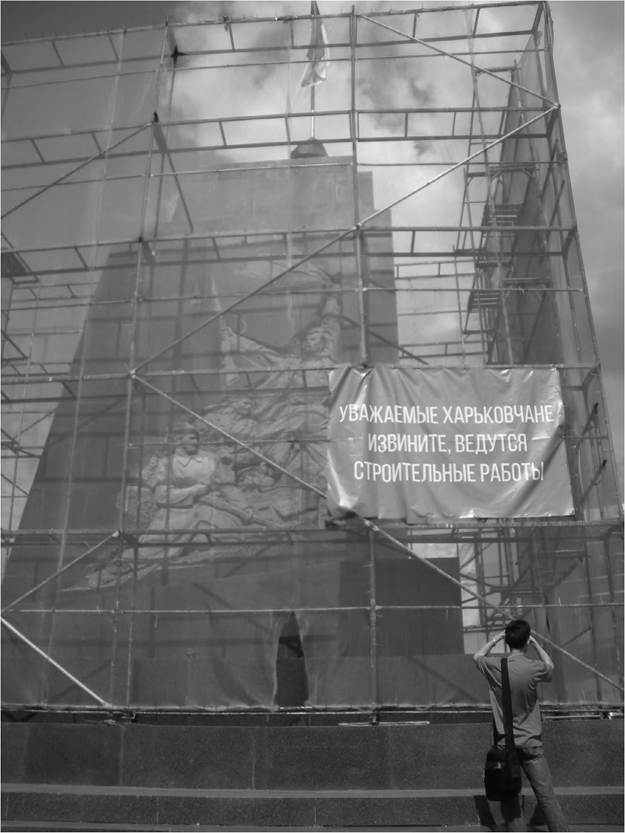
Figure 11.6 Remnant of Lenin’s statue on Kharkiv’s main square, 2015. Source: Photo by Myroslav Shkandrij.
space in the previous year (Figures 11.11-13). Similar calls to remember the victims and to invoke the “spirit of the Maidan” are now a part of cultural life. They are particularly prominent in commemorative art exhibitions and whenever activists raise civil rights issues.
Impromptu memorials to the revolutionary events could still in 2015 be found throughout the city. On the wall of the Academy of Sciences at
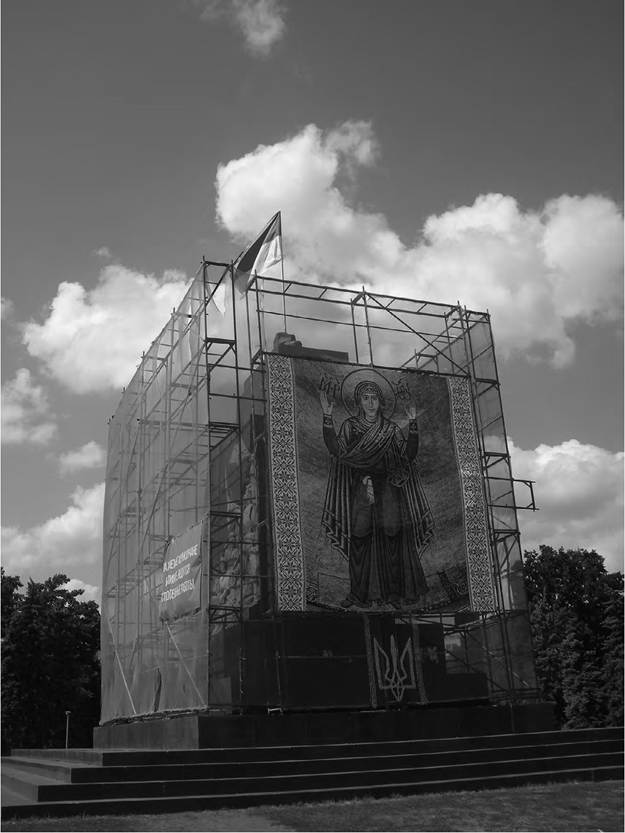
Figure 11.7 Image of Maria Oranta from the mosaic in Kyiv’s St. Sophia Cathedral as a temporary screen in front of the remains of Lenin’s statue in Kharkiv, 2015.
Source: Photo by Myroslav Shkandrij.
the foot of Hrushevskyi Street, on the spot where the protest march to parliament had been halted and a pitched battle had taken place, passersby could still view a painting that portrayed Shevchenko as a masked partisan (Figure 11.14). It carried the defiant inscription “Fire does not
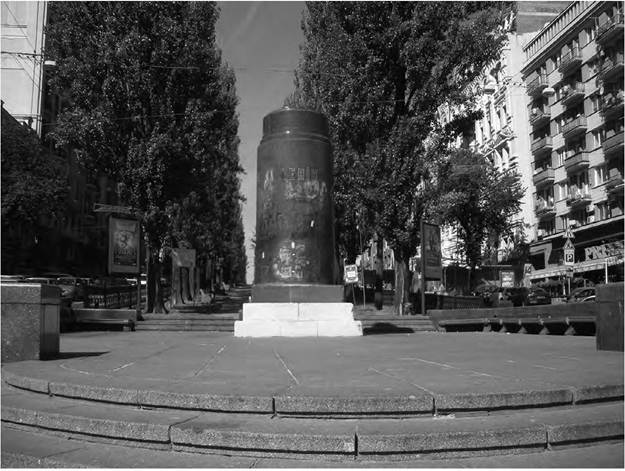
Figure 11.8 Pedestal shortly after removal of Lenin’s statue on Kyiv’s Basarabka Market, 2015.
Source: Photo by Myroslav Shkandrij.
burn iron” (meaning it only tempers it). This work, which has since been removed, is attributed to a street artist known as Sociopath and was part of a series called “Icons of the Revolution.”
Popular creativity has played a large role in recording and recalling these events of the recent past, and in shaping public opinion. On Independence Day, 24 August 2015, among the various tents and displays set up on Kharkiv’s main square, visitors could find an installation featuring a rocket with its nose buried in the cobblestones (Figure 11.15). The ironic inscription read “To the brotherly Ukrainian people with love. From the president and people of the RF [Russian Federation]. V. Putin.”
In the last two weeks of August 2015, the Ilovaisk tragedy was commemorated in a photo exhibition at the Taras Shevchenko Museum in Kyiv (Figure 11.16). The Donbas Battalion had suffered heavy losses in Ilovaisk during 17-29 August 2014. Over 360 people have been identified as casualties in the action, but the real figure may be considerably higher, since many people remain unaccounted for. The four photographers whose work was shown in the gallery recorded the events and themselves narrowly escaped with their lives. While the work of each differs in style, they all focus on life at the front; the images show a squad
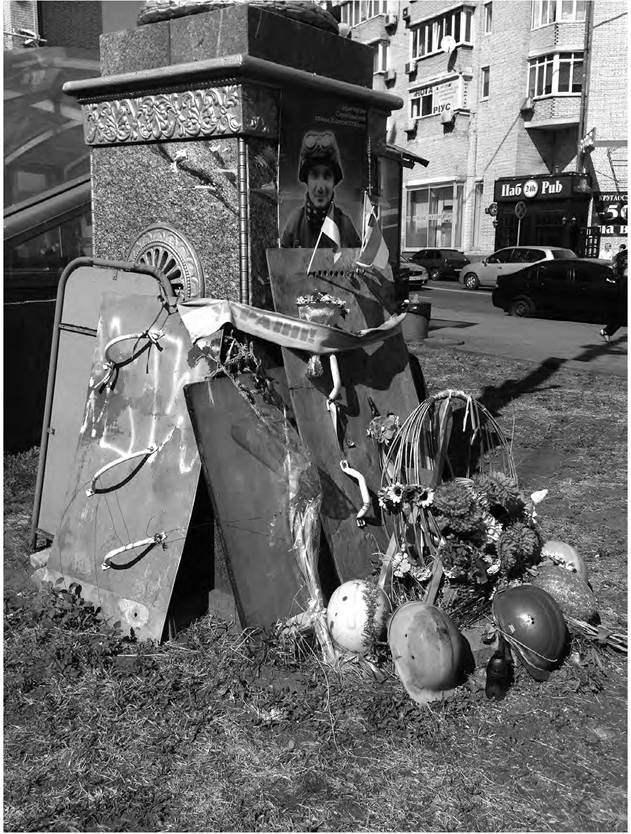
Figure 11.9 Shrine on Independence Square, 2015. Source: Photo by Myroslav Shkandrij.
blowing up booby-trapped houses, soldiers relaxing with a cat, catching some sleep in a trench, or waiting for action.
The exhibition was well advertised and attracted a number of army personnel on leave, as well as young people trying to understand the events in Ilovaisk. The cause of the tragedy—still a controversial topic—continues
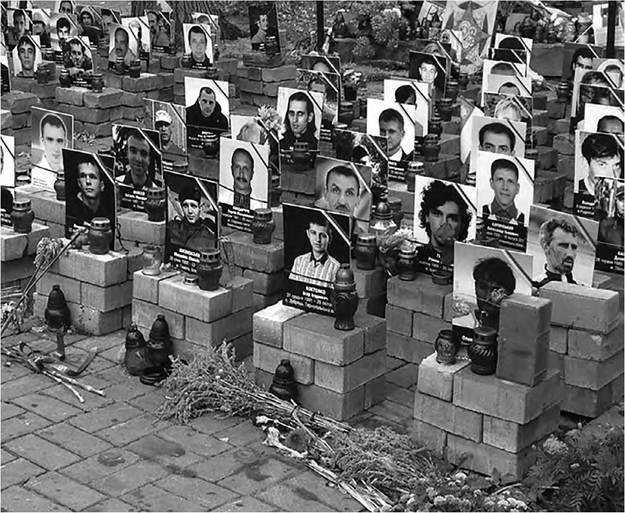
Figure 11.10 Shrines on Instytutska Street to victims shot by snipers, 2015. Source: Photo by Myroslav Shkandrij.
to be debated in the media. It is clear that Russian troops and heavy armament were rushed into action to stop the Ukrainian advance, which would at that point have retaken the territory. The Ukrainian forces were encircled and cut off from support. Reportedly, a retreat through a safe corridor was negotiated, but the Russian troops suddenly opened fire, killing many members of the Battalion in the crossfire. The tragedy occurred at a time when many patriotic citizens had volunteered to serve in the army, some of whom were untrained and inexperienced. Naturally, the Ilovaisk incident still resonates in public memory.
These various methods of remembering collective traumas and commemorating tragic loss today tell stories that incorporate a wide range of historical events, from the distant to the recent. They provide new, nonSoviet, and anti-Soviet interpretations of Ukraine’s identity and role in history. Their emphasis on violence cannot be missed, whether the reference is to Russian imperial rule, Lenin, Stalin, the Second World War, the Euromaidan, or the war in the Donbas. For many observers, these represent parts of the same story—the repeated traumas suffered by an oppressed nation. As Jeffrey Alexander has pointed out, invocations of
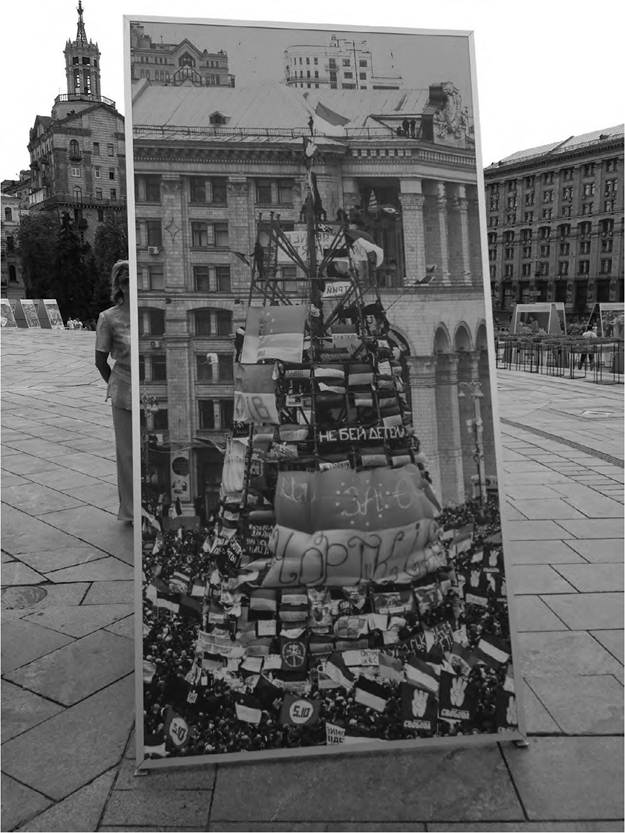
Figure 11.11 Photo exhibition on Independence Square, 2015. Source: Photo by Myroslav Shkandrij.
a tragic history often carry an accusatory message—that damage has been done to the collective identity—and they issue a call to symbolically recreate the events so that trauma can be effectively reconstructed and incorporated into a collective narrative (Alexander 2012, 2, 4). At the same time, the casual observer cannot miss the message of resistance:
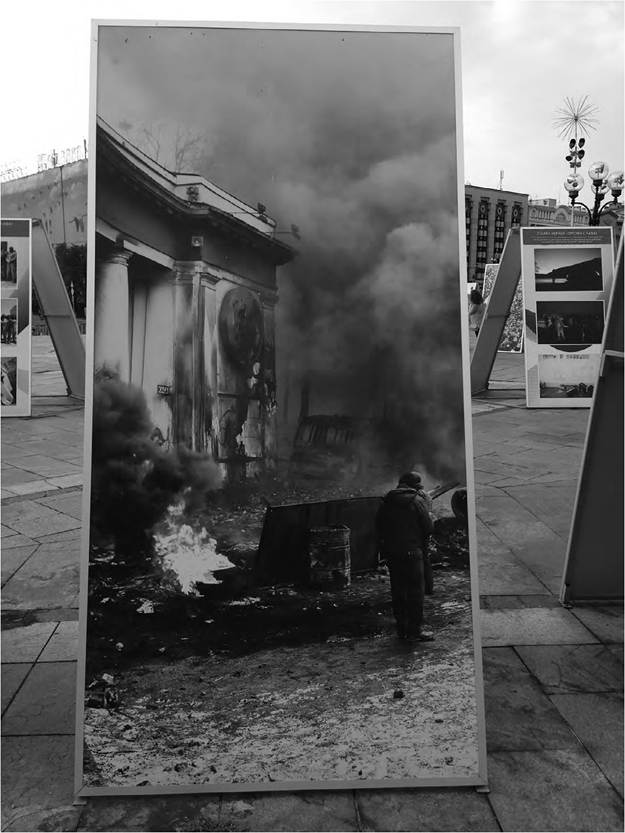
Figure 11.12 Photo exhibition on Independence Square, 2015. Source: Photo by Myroslav Shkandrij.
the need to be prepared for a military struggle, because otherwise any weakness will inevitably be exploited by an aggressive and treacherous neighbor. Many aspects of this lesson, as the essays in this volume indicate, have been learned by delving into past revolutions and struggles. Although this history has always been available to intellectuals and
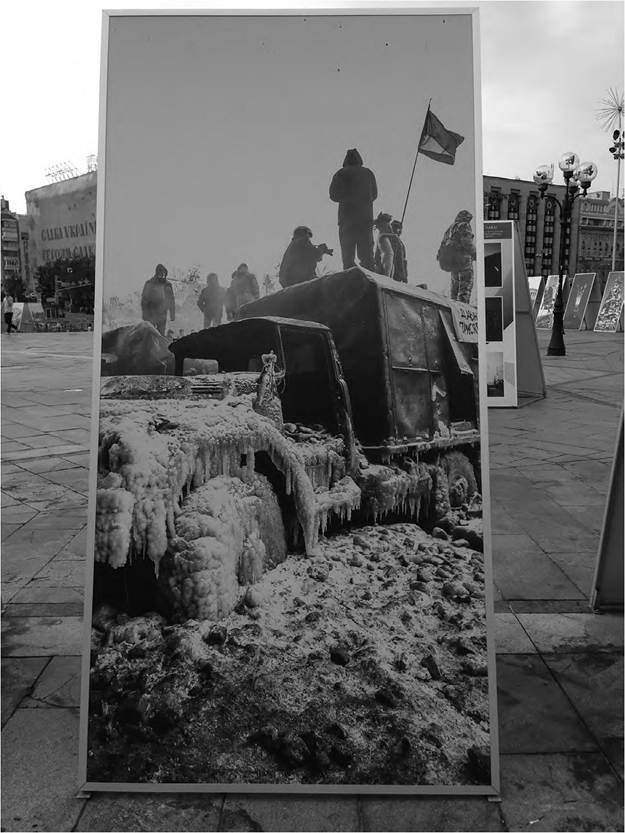
Figure 11.13 Photo exhibition on Independence Square, 2015. Source: Photo by Myroslav Shkandrij.
writers, it has now been much more widely assimilated by citizens and sometimes appears to play a dominant role in the popular imagination.
Much opprobrium among Western scholars has been directed at Volodymyr Viatrovych, who during his term as director of the Institute of National Memory has attempted to focus on Ukraine’s suffering during
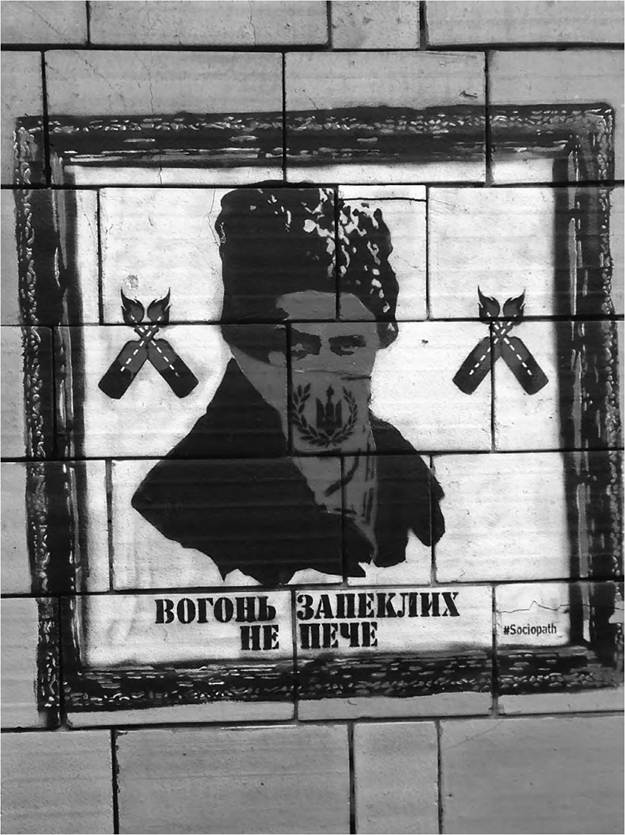
Figure 11.14 Wall painting of Shevchenko portrayed as a partisan, 2015. Source: Photo by Myroslav Shkandrij.
the Second World War, and especially on the history of the Ukrainian underground, in particular the OUN and UPA. He has tried to present these organizations in an unproblematic way by assimilating them into the long history of struggle for national liberation without providing a more searching investigation of the dark side of their history. However,
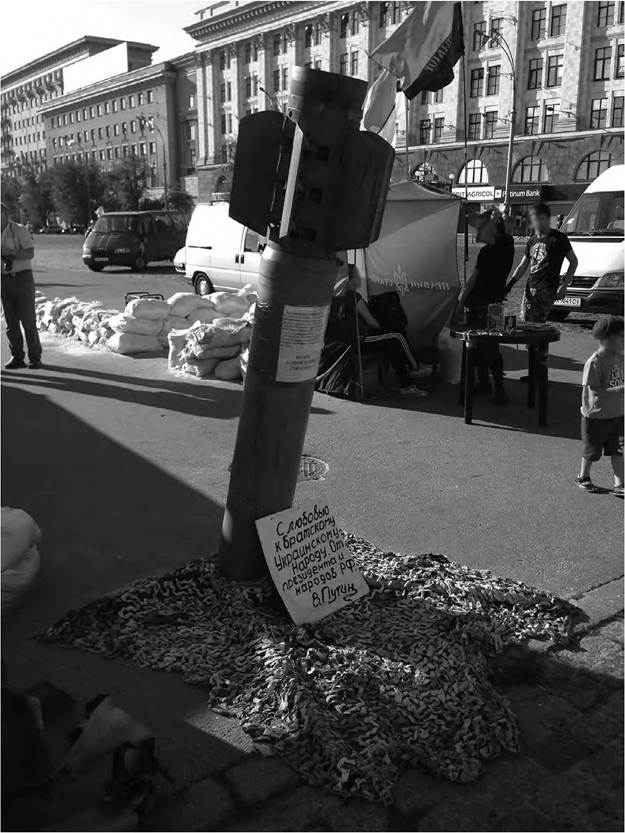
Figure 11.15 Installation in Kharkiv’s Main Square on Independence Day, 24 August 2015.
Source: Photo by Myroslav Shkandrij.
much less attention has been paid by scholars to the ways in which the general population has sought to appropriate this history and to include it in a wider narrative of anti-imperial resistance and grass-roots militancy. When in 2014 the Revolution of Dignity legitimized violence as a
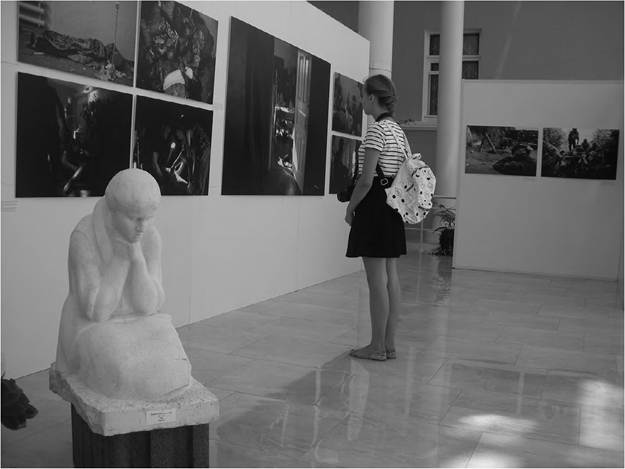
Figure 11.16 Photographic exhibition on the Ilovaisk tragedy, Kyiv’s Taras Shevchenko Museum, August 2015.
Source: Photo by Myroslav Shkandrij.
means of resistance, it encouraged a search for examples of militancy in the past—in Cossack history, Shevchenko’s life and works, the independence struggle of 1918-21, the OUN and UPA. The imagery produced during the Euromaidan and Revolution of 1914 bears witness to a desire to incorporate these strands of non-conformism and armed resistance into a general story of anti-imperial struggle over the centuries.
Poster art conveyed the message that the country refuses to be Moscow’s servant. One poster made the point by juxtaposing two famous nineteenth-century paintings by Ilia Repin—Zaporozhians Writing a Letter to the Sultan of Turkey, which displays a sense of freedom and nonconformity among Ukrainians, and Volga Boatmen, which shows a sense of bondage among Russians. Superimposed upon the poster were the words “Ukraine is not Russia.” A poster by Andriy Yermolenko imitated Eugene Delacroix’s “Liberty Leading the People” (1830), but changed the flag to that of the European Union and added a placard with the words “Ukraine Is Europe” (Figure 11.17).
These posters were produced following the attacks by special troops on the demonstrators in December 2013. At that point the festive, peaceful, tent-city period of the Euromaidan ended and the barricades were erected. It often goes unremarked that the message of militancy only emerged at
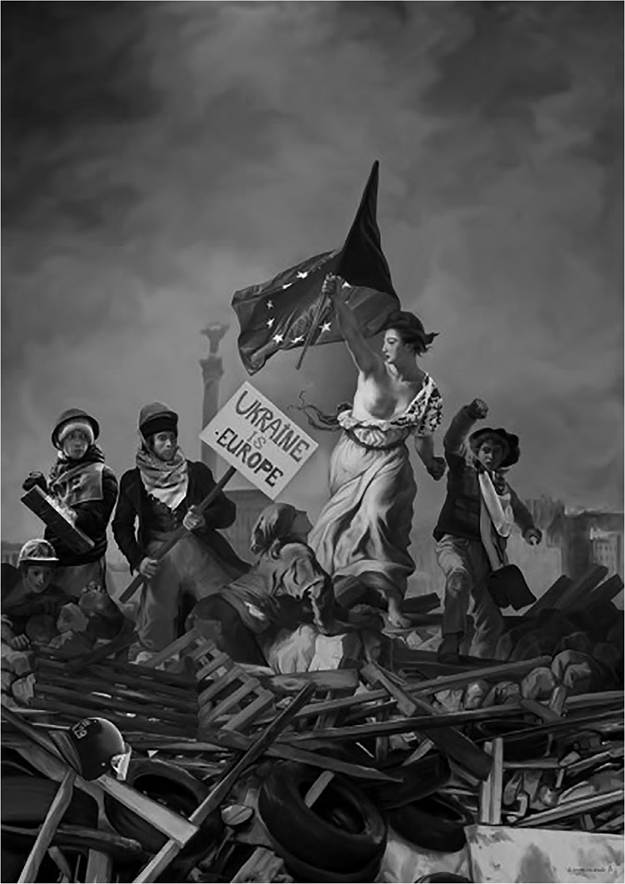
Figure 11.17 “Liberty” Euromaidan poster by Andriy Yermolenko.
Source: Andriy Yermolenko webpage, https://ermoha.livejournal.com/107958.html.
this time. This message employed imagery that included figures who at first sight appear incompatible: “Shevchenko Superman” (Figure 11.18), Makhno, “Mother Anarchy” (Figure 11.19), and Luke Skywalker, among many others. All these are featured in the works of Andriy Yermolenko
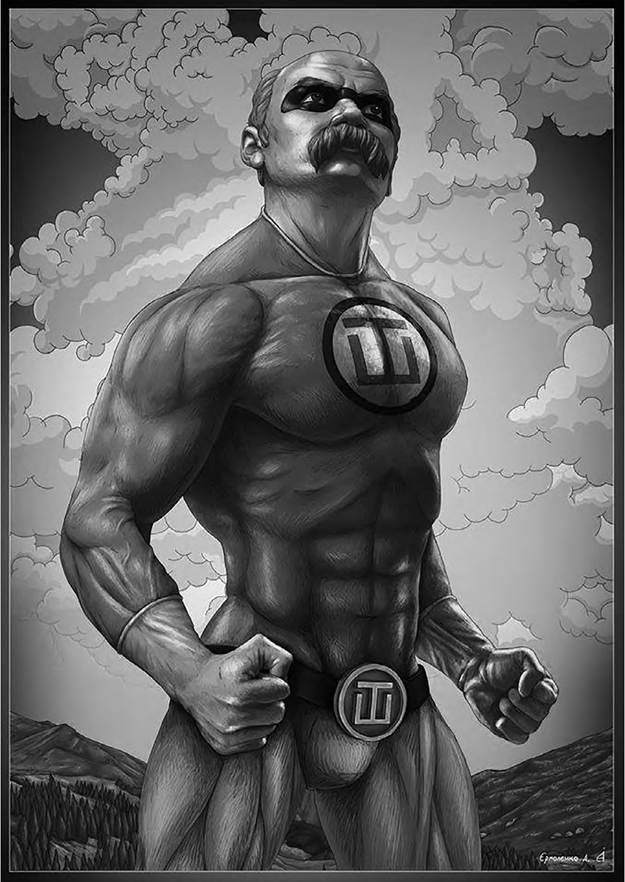
Figure 11.18 “Shevchenko Superman” by Andriy Yermolenko’s collective.
Source: Andriy Yermolenko webpage, www.facebook.com/AndriyYermolenkoArt/photos/a.20 8784179265772/1067294256748089/?type=3&theater
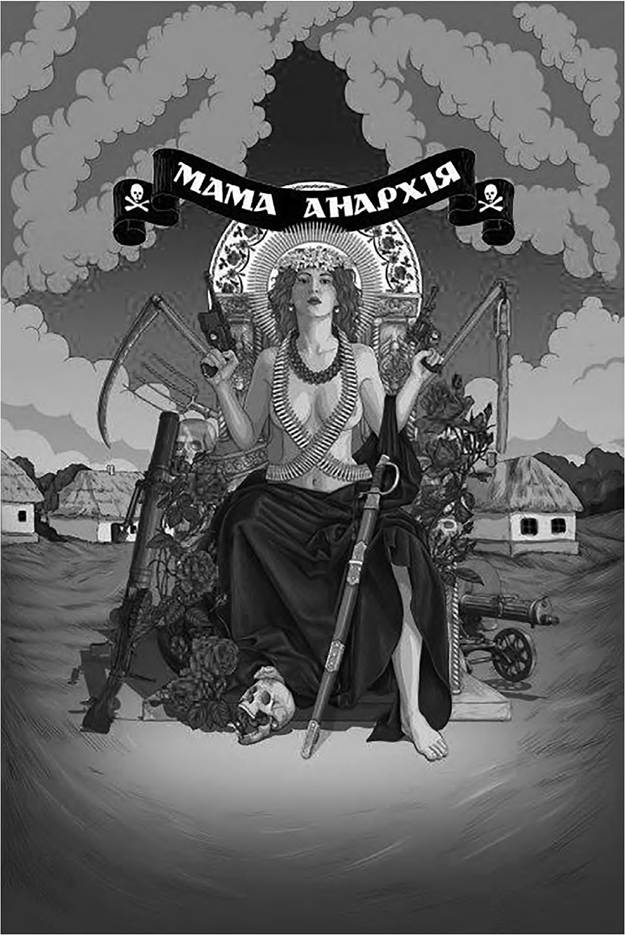
Figure 11.19 “Mother Anarchy” by Andriy Yermolenko’s collective.
Source: Andriy Yermolenko webpage, www.facebook.com/AndriyYermolenkoArt/photos/a.2 04017683075755/204018103075713/?type=3&theater
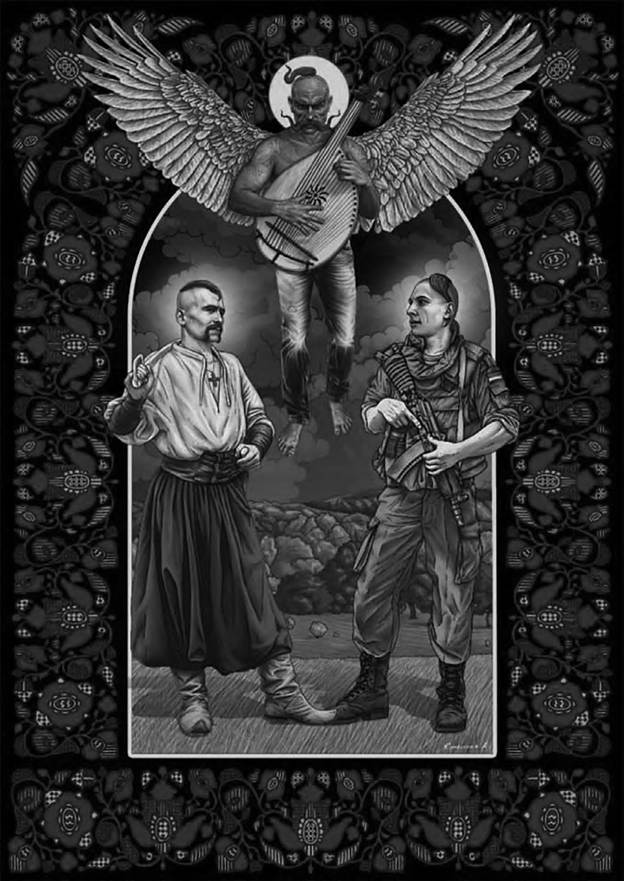
Figure 11.20 Image of Cossacks and Soldier by Andriy Yermolenko from the “Recalling the Maidan” series.
Source: Andriy Yermolenko webpage, www.facebook.com/AndriyYermolenkoArt/photos/a.6 00209313456588/600209326789920/?type=3&theater
The Landscape of Contemporary Memory 195 and his collective, which set up a tent on Independence Square during the Euromaidan to produce similar works.2
The posters generate a symbolic imagery that suggests the need for courage and justifies the use of force in any struggle against an evil empire. In one poster, a contemporary soldier is portrayed alongside a Cossack, who in Ukrainian history and folklore is considered the country’s defender, and sometimes is represented as a bard or minstrel who, like the Shevchenko’s kobzar, sings of the country’s glorious history and recalls its military exploits. The poses and framing suggest that the picture is meant to serve as an icon (Figure 11.20).
These works condense and mythologize history, incorporating contemporary events into a greater whole. The artist establishes continuity with previous struggles, supporting the idea that images and symbolic constructs of the past can become imprinted, almost in the manner of genetic information, on public sensibility.
The memory landscape of many contemporary Ukrainians now includes an awareness of the twentieth century’s four great moments of revolutionary struggle (the war of independence, the struggle against the imposition of Stalin’s regime in the 1920s and 1930s, the guerrilla fighting of the 1940s, and the Euromaidan). It also integrates an awareness of traumas suffered during the Great Famine and Second Word War. There is an understanding among scholars and the general public that these experiences have profoundly shaped contemporary Ukraine. Accordingly, they are depicted in history writing, art, and ritual practices. However, the scholarship and new archival findings have sometimes clashed with popular mythmaking. At the same time the “revolutionary” retrospective on the past century has unsettled attitudes that became entrenched in Soviet-era academic and popular publications. For these reasons today’s scholars face the need to engage with popular narratives, oral histories, and counter-narratives that have sprung up in the post-Soviet period. This concerns in particular disputed interpretations of violent episodes from the past, which in many cases still require scrupulous and extensive investigation.
Notes
1. For a discussion of Kavaleridze’s reception, see Shkandrij (2019, 135-148).
2. For examples of other artists who tried provide a record of the Euromaidan, see Nemtsova (2014), “Painting a Revolution” (2014), “Art and Maidan” (2014), and Moussienko (2014).
References
Alexander, Jeffrey C. 2012. Trauma: A Social Theory. Cambridge and Malden: Polity Press.
Blacker, Uilleam. 2014. “Urban Commemoration and Literature in Post-Soviet L’viv: A Comparative Analysis with the Polish Experience.” Nationalities Papers 42.4: 637-654.
Erll, Astrid. 2010. “Cultural Memory Studies: An Introduction.” In A Companion to Cultural Memory Studies, edited by Astrid Erll and Ansgar Nunning. Berlin and New York: De Gruyter.
Moussienko, Natalia. 2014. “The Art of Revolution: Creativity and Euromaidan.” The Wilson Quarterly 19 November.
Nemtsova, Anna. 2014. “Making Art out of Ukraine’s Bullets and Barricades.” Daily Beast, 31 March.
“Painting a Revolution at Kyiv’s Maidan.” 2014. DW. www.dw.com/en/painting- a-revolution-at-kyivs-maidan-∕a-17756988
Shkandrij, Myroslav. 2019. “Ivan Kavaleridze and the Struggle Over Avant-Garde Identity.” In his Contested Memory: Avant-Garde Art in Ukraine, 1910-1930, 135-148. Boston: Academic Studies Press.