Uterine manipulation
Uterine manipulation of any type during laparoscopic surgery allows improved visualization and access to pelvis structures and may change angulation induced by a fixed port placement through the anterior abdominal wall (23) (Figure 47.2).
Many uterine manipulators are described (24), however little is known about their efficacy (25). Clinical situations such as a pyometra, a small, stenosed or anatomical variant preventing cervical visualization, or suspected intrauterine pregnancy all preclude the use of a uterine manipulator (23). Complications such as uterine and bowel perforation associated with improper placement of a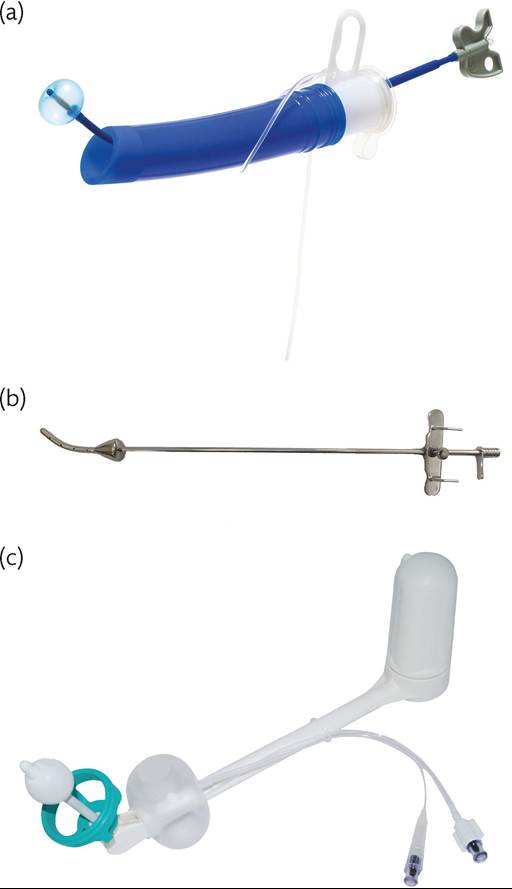
Figure 47.2 A variety of uterine manipulators: (a). ColpotomizOR Tube (b). Spackman cannula (c). ClearView Total.
uterine manipulator are described (26) and care should always be taken with placement. Women with known early endometrial cancer where a manipulator has been used have had no significant difference in lymph-vascular space invasion, positive peritoneal cytology, or tumour recurrence with up to 19 months follow-up period (27-29).
More medical literature on Medic.Studio
More on the topic Uterine manipulation:
-
Infectious diseases -
Internal diseases -
Obstetrics and Gynaecology -
Pediatrics -
Veterinary medicine -
-
Conflictology -
Ecology -
Economy -
Finance -
History -
Law -
Medicine -
Philosophy -
Religious studies -