CLASSIFICATION
CP has traditionally been classified by type of movement disorder and anatomic distribution.
Movement patterns include spastic, dyskinetic, hypotonic, ataxic, and mixed forms.
The most common movement pattern is spastic, with a minority of cases being primarily dyskinetic, ataxic or hypotonic (2). The distinction between spasticity and dystonia is not always clear. An interdisciplinary group developed a consensus statement on the definition of each term. Spasticity was defined as hypertonia in which one or both of the following signs are present: a) resistance to externally imposed movement increases with increasing speed of stretch and varies with the direction of joint movement, and/or b) resistance to externally imposed movement rising rapidly above a threshold speed or joint angle (30). Dystonia was defined as a movement disorder in which involuntary sustained or intermittent muscle contractions cause twisting and repetitive movements, abnormal postures, or both (Fig. 8.2) (30). Hypotonic and ataxic forms of CP are rare and, therefore, any child suspected of having either of these diagnoses should receive a thorough diagnostic evaluation for other neurologic conditions.The anatomic distribution of motor problems in CP is the primary means of classification. The three categories of hemiparesis, diparesis, and quadriparesis occur with fairly equal frequency (2,5). Hemiparetic CP affects only one side of the body and typically demonstrates greater impairments in the upper extremity (Fig. 8.3). Diparetic CP affects the lower extremities more than the upper extremities (Fig. 8.4). Spastic quadriparetic CP affects the entire body, including the axial as well as appendicular skeleton (Fig. 8.5).
An interest in classifying children with CP based on function in addition to the distribution of motor impairment resulted in the development of the Gross Motor Function Classification System (GMFCS).
The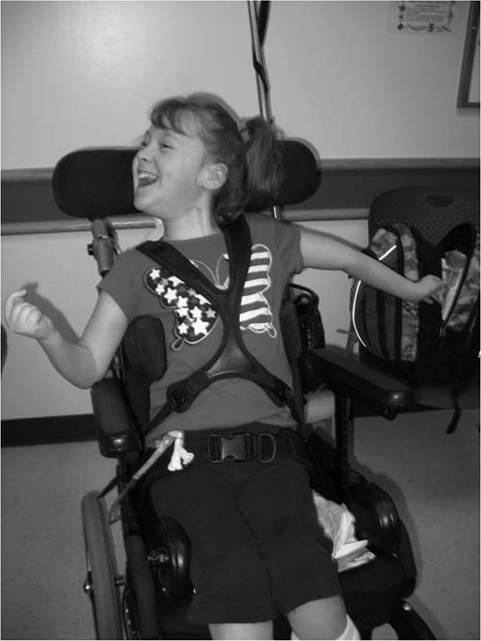
Figure 8.2 A child with dystonic cerebral palsy.
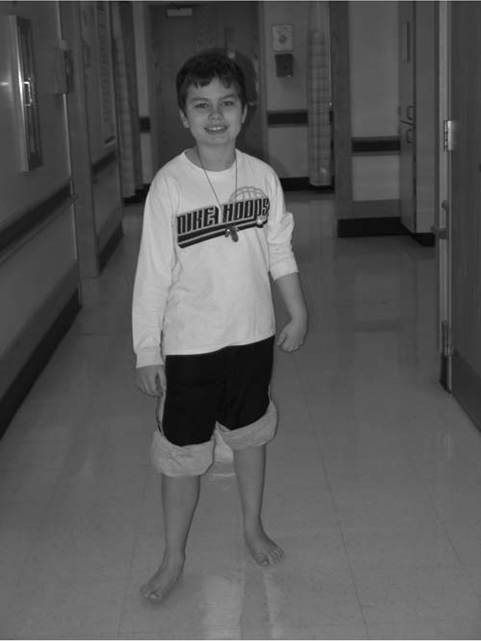
Figure 8.3 A child with hemiparetic cerebral palsy.
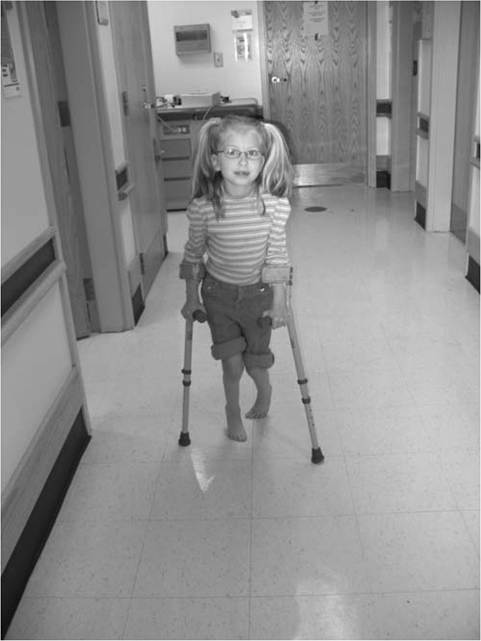
Figure 8.4 A child with diparetic cerebral palsy.
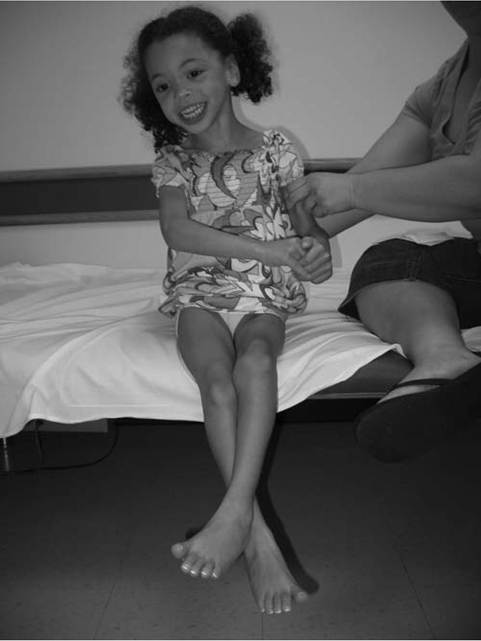
Figure 8.5 A child with quadriparetic cerebral palsy.
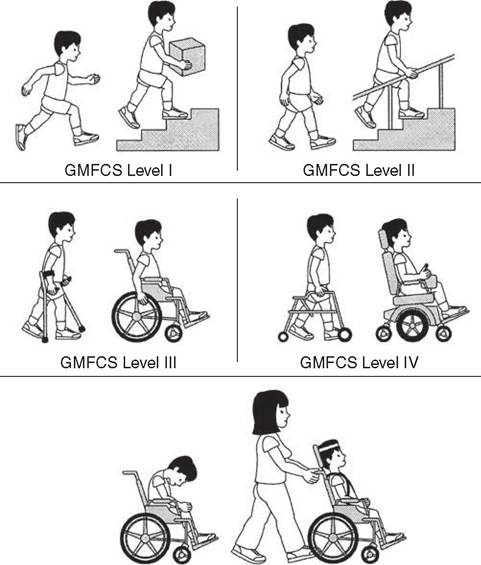
GMFCS stratifies children with CP into five groups based on gross motor skills (31) (Fig. 8.6). In this system, specific descriptions of mobility functions, based on age, allow each child with CP to be categorized. In gross motor function classification (GMFCS) I children walk indoors and outdoors and climb stairs without limitation. Children who are GMFCS II walk indoors and outdoors and climb stairs holding onto a railing but experience limitations walking on uneven surfaces and inclines. Children who are GMFCS III walk indoors or outdoors on a level surface with an assistive mobility device. Children may climb stairs with a railing or propel a manual wheelchair. Children who are GMFCS IV may walk short distances with a device, but rely more on wheeled mobility at home and in the community. Children at GMFCS V have no means of independent mobility. A related classification system for upper extremity function, the Manual Abilities Classification System, permits categorization by fine motor performance (32).
A more comprehensive rubric for the classification of CP has recently been proposed. Ideally, each individual with CP will be classified in four dimensions, including motor abnormalities, associated impairments, anatomical and radiological findings, and causation
GMFCS Level V
Figure 8.6 The Gross Motor Classitication System for children aged 6 to 12 years. (Reprinted with permission from: Graham HK. Classifying cerebral palsy. J Pediatric Orthop. 2005; 25:128.)
and timing of injury (1). Currently, quantitative tools to describe the clinical and radiographic features of cerebral palsy are being developed and refined, which will improve the robustness of CP classification.