CLINICAL PEARLS
■ Scoliosis associated with spina bifida can occur at any neurologic level, but is most common in the higher lesions. Thoracic and high lumbar levels almost always develop these spinal deformities.
■ Hip dislocations are most common in the L3 level based on muscle imbalances of hip flexion and adduction being present while the opposing muscles are weak or absent.
■ Foot deformity treatment is geared toward developing a plantar-grade foot and minimizing pressure areas.
Figure 9.10 shows scoliosis noted in a child with lumbar level meningomyelocele.
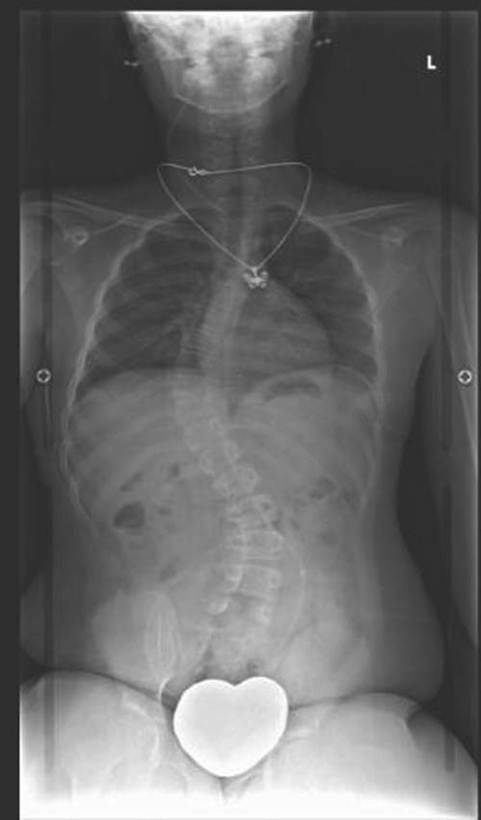
Figure 9.10 Scoliosis noted in child with lumbar-level meningomyelocele.
More medical literature on Medic.Studio
More on the topic CLINICAL PEARLS:
- CLINICAL SPECTRUM
- TECHNICAL FACTORS OF NEEDLE ELECTROMYOGRAPHY
- CLINICAL EVALUATION OF GIT DISEASE
- PEARLS AND PERILS
- Feet
- Focal Segmental Glomerulosclerosis
- DIAGNOSTIC TECHNIQUES
-
Infectious diseases -
Internal diseases -
Obstetrics and Gynaecology -
Pediatrics -
Veterinary medicine -
-
Conflictology -
Ecology -
Economy -
Finance -
History -
Law -
Medicine -
Philosophy -
Religious studies -