Hyperadrenocorticism: Cushing’s-Like Syndrome
Cushings-like syndrome is apparently common among aging pet Syrian hamsters, but the underlying cause has seldom been determined. In limited studies, it has been associated with pituitary chromophobe adenoma or adrenocortical adenocarcinoma.
Affected hamsters present with alopecia (Fig. 3.29) and cutaneous hyperpigmentation. Adrenal tumors are among the most common tumors of hamsters, and are likely to be the underlying cause of clinical hyperadrenocorticism.Pregnancy Toxemia: Eclampsia
Late-term pregnant hamsters have been reported to develop a syndrome with high mortality that is similar to eclampsia in women. Affected hamsters have disseminated intravascular coagulation in which there are fibrin thrombi in capillaries, particularly involving renal glomeruli. Severe cases may feature ischemic tubular degeneration and cortical necrosis.
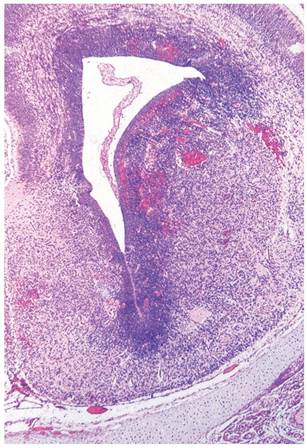
FIG. 3.28. Brain from a newborn Syrian hamster with hemorrhagic encephalopathy associated with vitamin E deficiency. There is acute extravasation of erythrocytes with disruption of the neuropil.
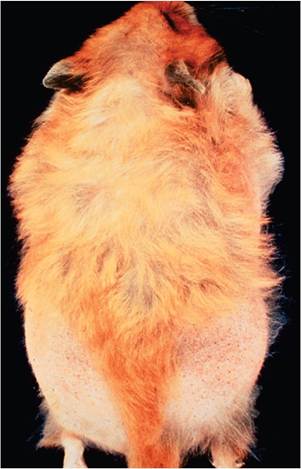
FIG. 3.29. Adult hamster with Cushing's disease. Note the obesity and bilateral alopecia in the lumbosacral region.