Lymphatic tissues
I hese include organs which contain lymphoid tissue and play an important part in the bof a thick layer of stratified Squamousepithelium which is heavily pigmented and well supplied with mucous and sweat glands - this is known as the rhinariuιn and it is penetrated by the Iwocurved nares I Fig.
S. I). The epidermis on a dog s nose has a unique patterning that is much Iikea human Tmgerprint*.The right and left nasal chambers are tilled with line scrolls of bone called turbinates or conchae (Fig. 8.2). The chambers and the turbinates are covered by a ciliated mucous epithelium, which is well supplied
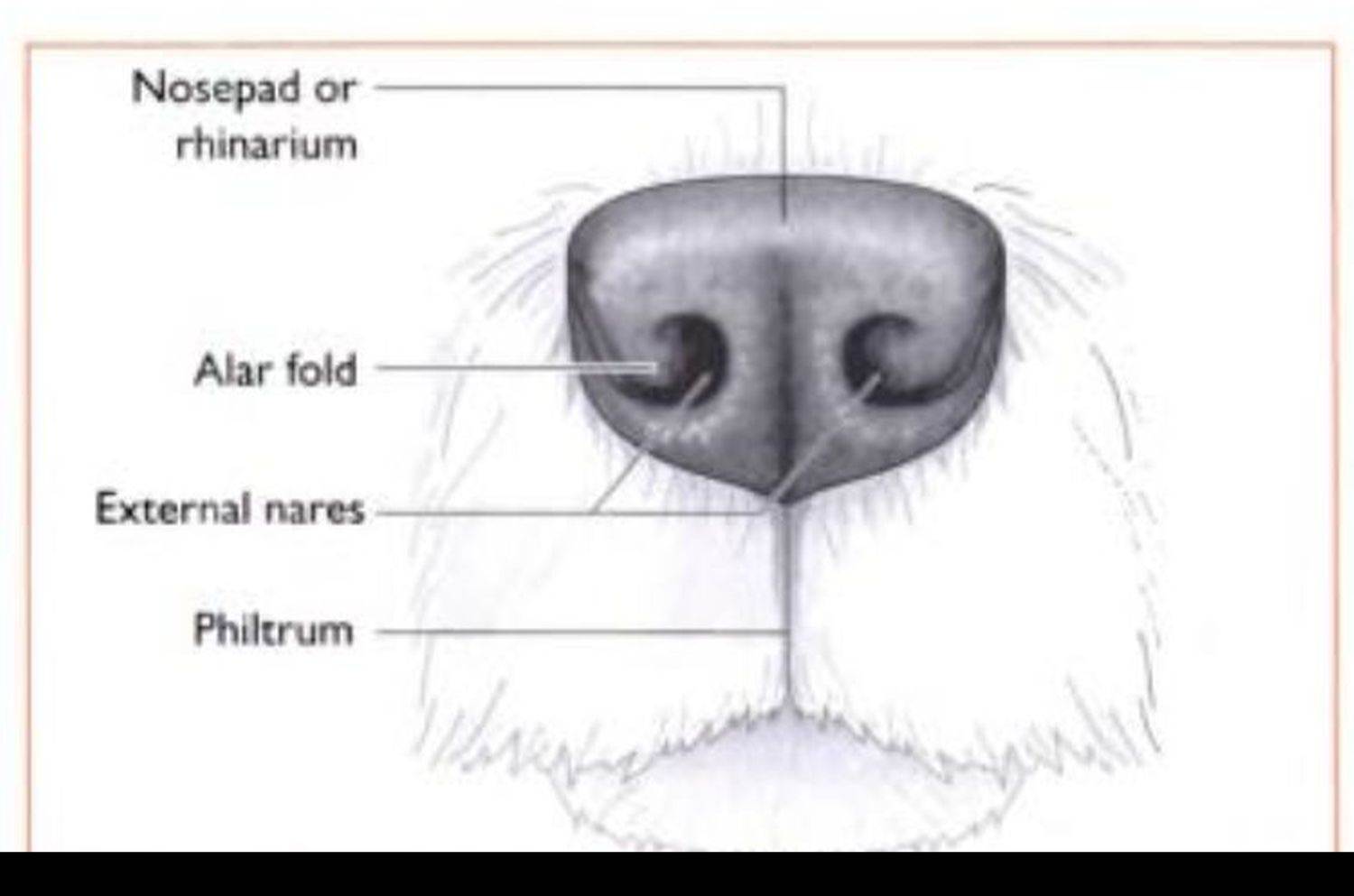
Fig 8.1 The dog’s nose a∩at∞∩the trachea and lung post∣ons.
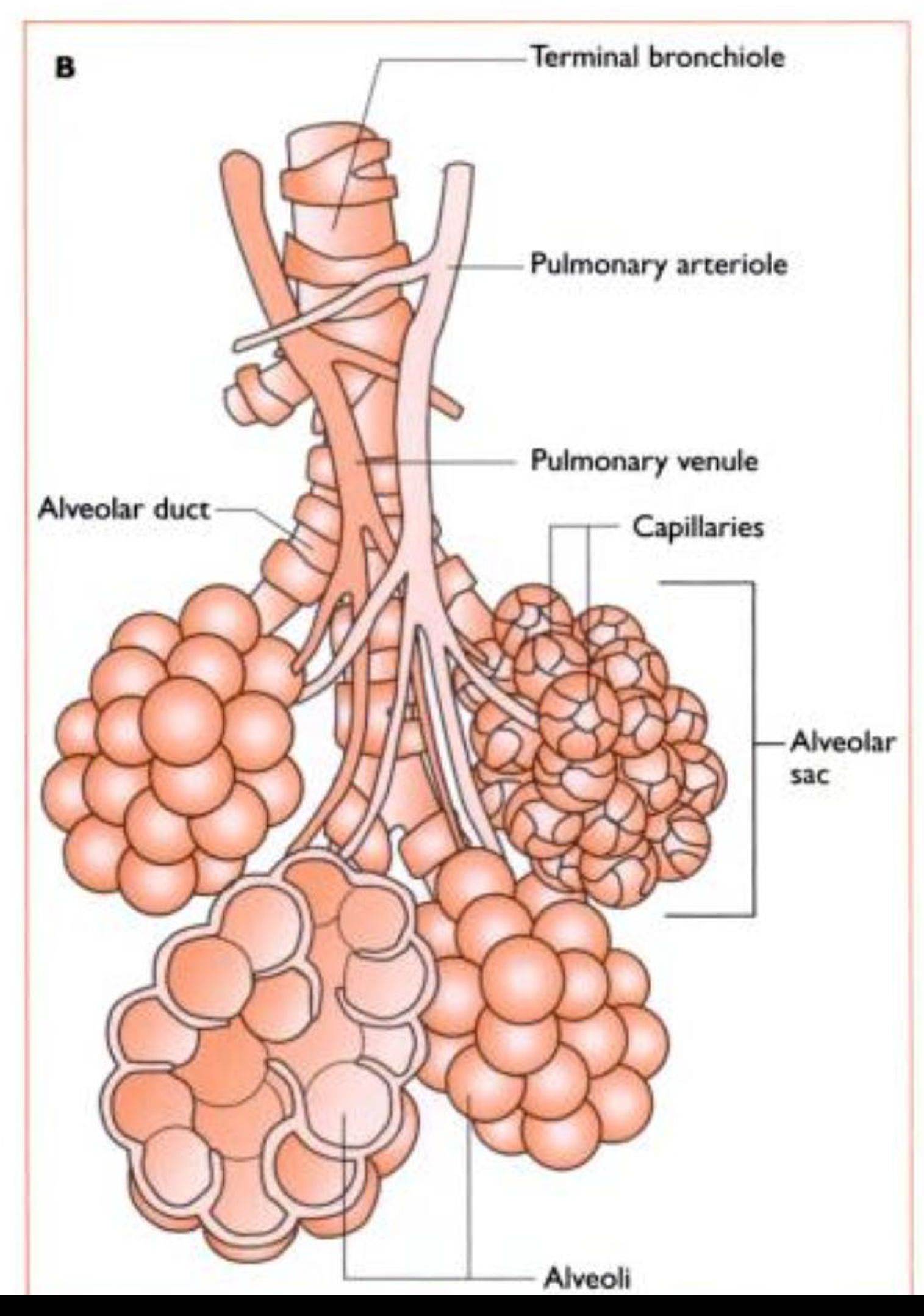
Fig. 8.5 B the terminal ar passages.
the blood, which is to be excreted in the expired air from the lungs (Fig. S.6). There are millions of alveoli in each lung, providing a large surface area for gaseous exchange.
The parts of the respiratory trad that arc not involved in gaseous exchange, i.e. all but the alveoli, arc referred to as the dead space. Thcir function is to conduct gases to and from the area of gaseous exchange.