There are two kidneys lying in the cranial abdominal cavity, one on each side of the midline ventral Io the lumbar hypaxial muscles (Fig. 10.1).
Each kidney is closely attached to the lumbar muscles by a covering of parietal peritoneum. There is no mesenteric attachment, as seen in other abdominal organs, and the kidney is described as being retroperitoneal.
The right kidney lies slightly cranial Io the Iefl because the Slomach has evolved to lie on the left side of the abdomen, pushing the left kidney out of position. Lying close Io the cranial pole of each kidney are the ovaries of the female and the adrenal glands (Fig. 10.2).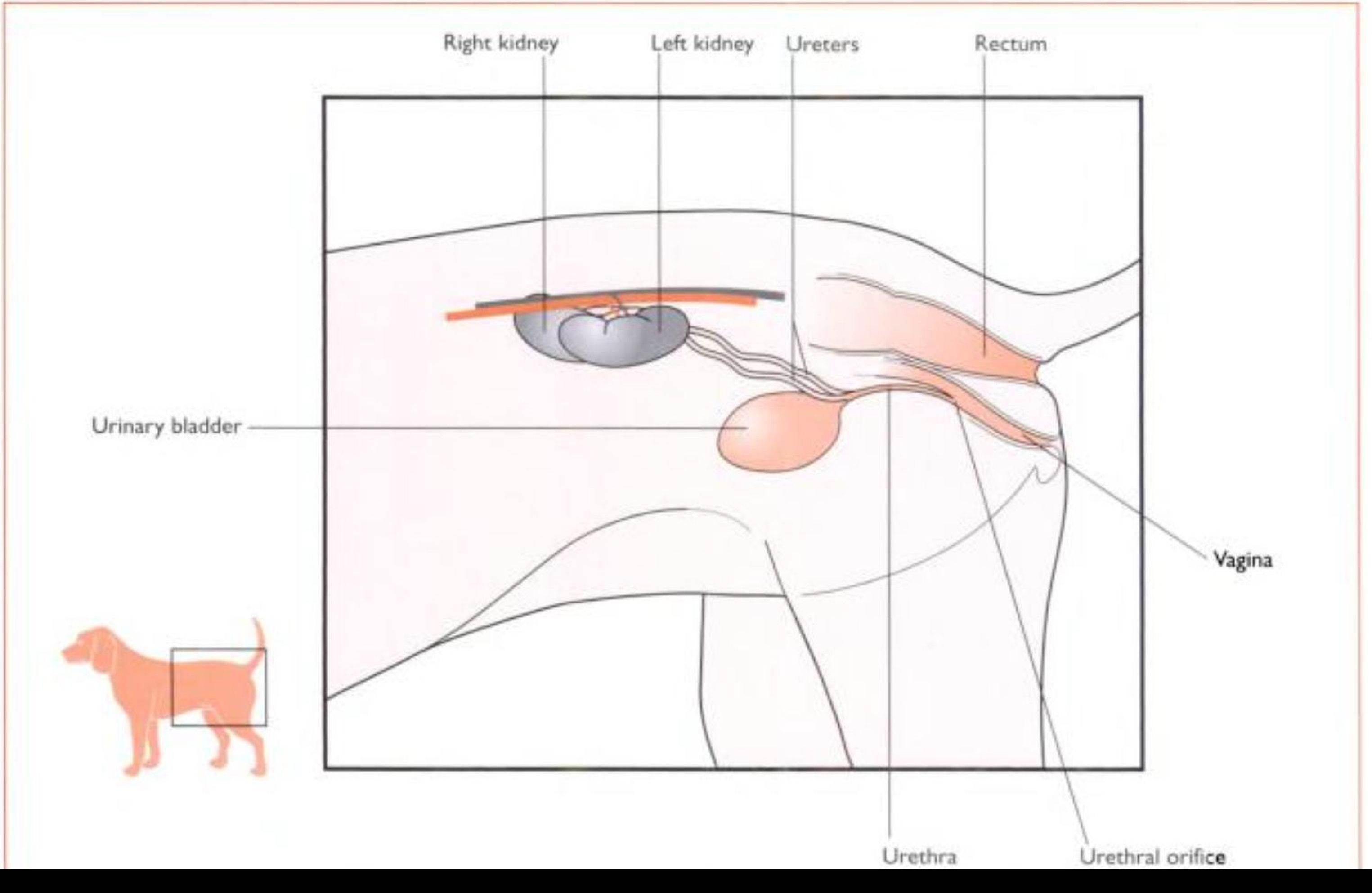
Fig. I O. I The position of the urinary system in the bitch
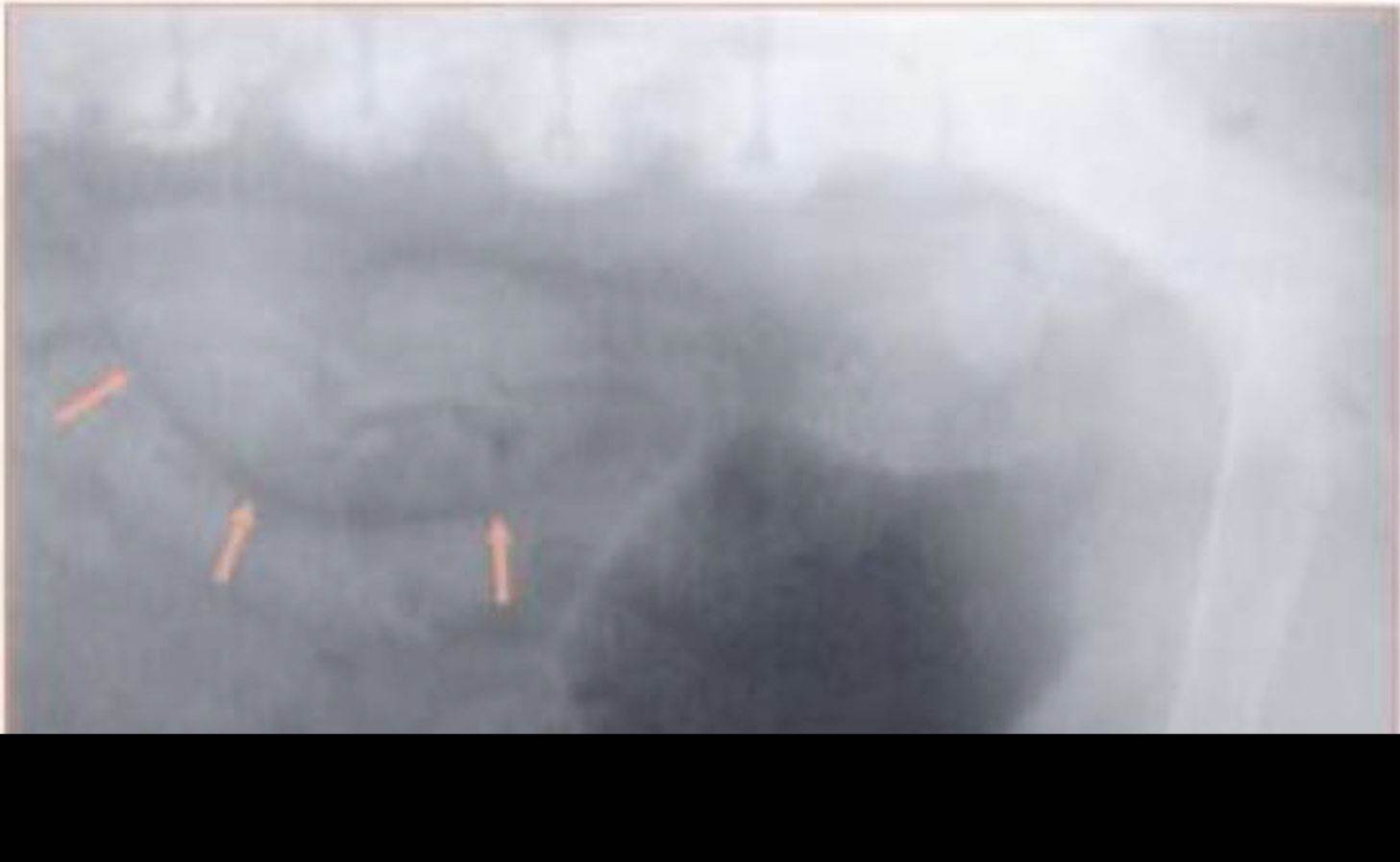
Fig. 10.3 Rddograph of the kidney area.The biadder has been inflated with ar for contrast and the kidney (arrows) can be seen to measure about 2.5 times the length of the lumbar vertebrae
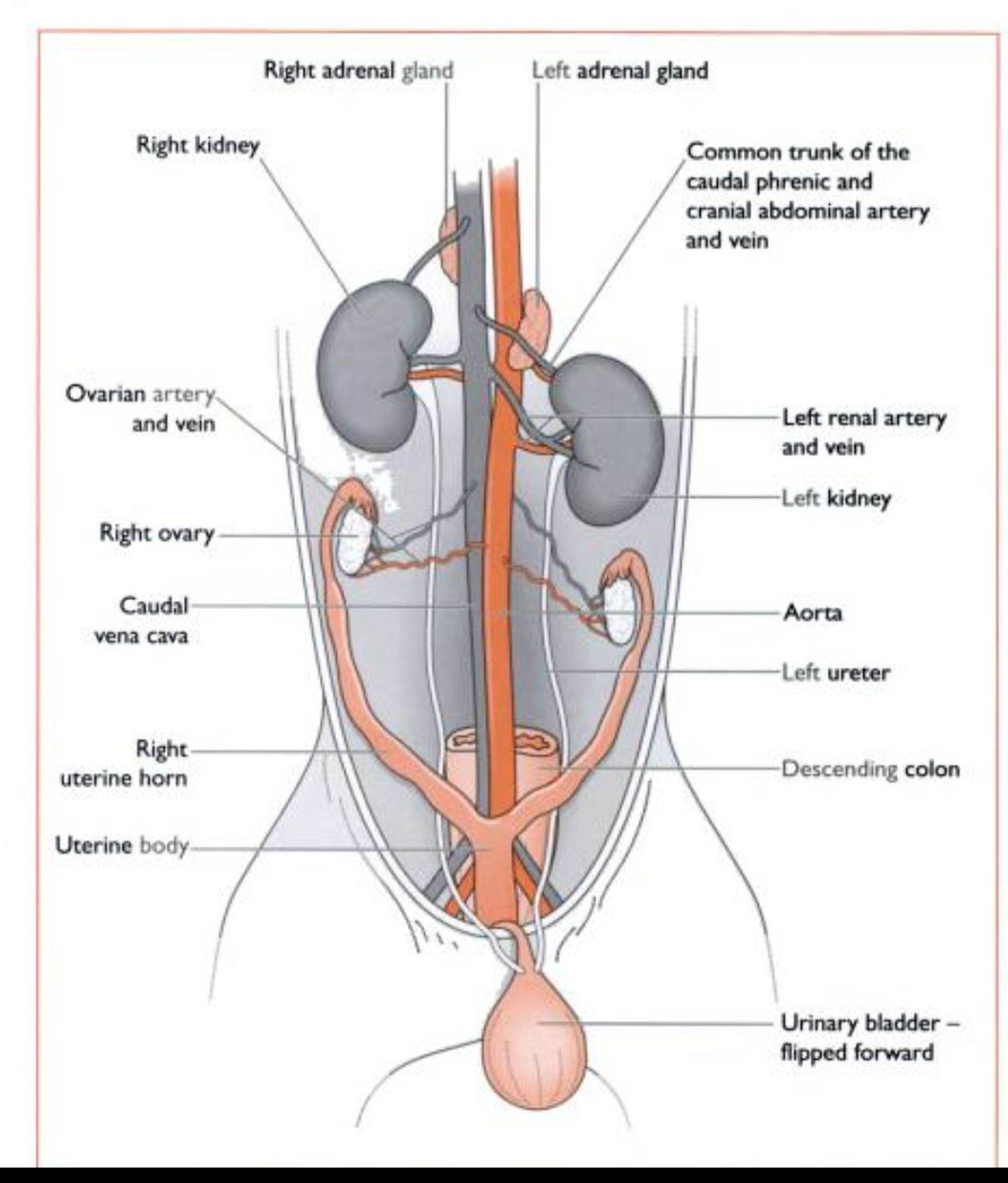
Fig. 10.2 Ventrodorsal view of the urog^nthe ⅛kx∏cru∣us c∙⅛psι√e
Blood enters the kidney and is carried to the capillaries forming the glomeruli.
Glomerulus
Blood pressure within each glomerulus is high because:
The blood has come straight from the renal artery and the dorsal aorta, both of which carry blood under high pressure
The smooth muscle in the walls of the arteriole leaving the glomerulus is able to constrict, under Ihecontrol of the hormone renin, and thus regulate the pressure of blood in the glomerulus.
High pressure in the glomerulus forces Iluid and small molecules out of the bloresult in a rise in plasma volume and an increase in arterial blood pressure. Dehydrated animals should be given Iluid parenterally (intravenously) or. in less severe cases, provided with access to drinking waler.
They will excrete reduced quantities of Cwuentraled urine.Raised blood pressure will result in the opposite effect, and the animal will produce /Hcrrtisrdquantities of more dilute urine.
Control of sodium levels
Sodium is taken into the body in the form of salt (NaCl) in food. Il is lost in sweat, faeces and urine. Sodium is found in the ionised form Na* in all lhe body fluid compartments and plays a fundamental part in determining arterial blood pressure. High Na* Ievelsin
Kidney disease can present in many forms and the symptoms are related to the fact that all kidney functions are affected and the homeostatic mechanisms cease to work. Chronic renal failure commonly occurs in older cats and dogs and occurs when the nephrons are gradually replaced by fibrous connective tissue as a normal ‘old age' change. Symptoms, many of which are related to rising levels of urea in the blood, develop when 75% of the nephrons have ceased to function.
Urolithiasis is the formation of mineral ‘stones’ known as uroliths or calculi in the bladder. These may cause a blockage in the urinary tract.The most common site for blockage in the cat is at the tip of the penis; the most common site in the male dog is as the urethra bends over the ischial arch and as it passes through the os penis. Blockage is rare in the female animal.
ItHhIucts of Iktoxllicalloii - hormones, certain drugs and poisons are inactivated within the liver and excreted bv the kidney.
* ∙