A Model of Strategic Conflict
First, the model describes how each event in the model points to different features of conflict that one wants to control (Canary & Lakey, 2013). These include episode control, personal control, attribution control, goal control, strategy control, and interaction
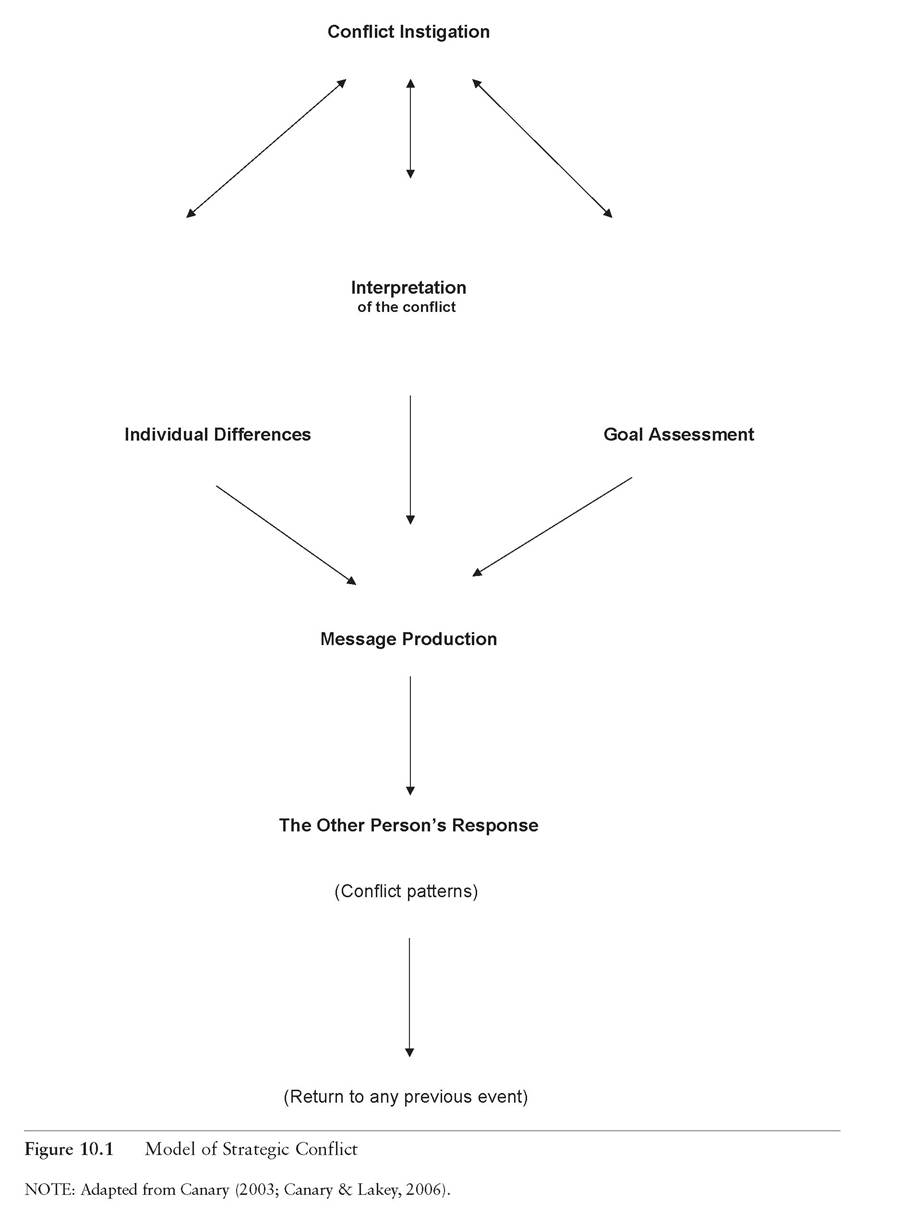
Table 10.1 Conflict Events and Related Strategic Objectives
| Conflict Event | Strategic Objective |
| Conflict instigation | Episode control of factors that start conflict |
| Individual differences | Personal control of individual differences |
| Interpretation of conflict | Attribution control of how to explain issues and behaviors |
| Assessment | Goal control of how to obtain and maintain desired goals |
| Message production | Strategy control over communication approaches |
| Patterns of communication | Interaction control within conflict episodes |
| Return to previous point(s) | Strategic objective is based on which event is revisited |
NOTE: Adapted from Canary and Lakey (in press).
control (terms suggested by Brant Burleson).
Each conflict event has its own strategic objective. The idea is that people try to take control of conflict events as they occur. Table 10.1 summarizes conflict events and their related strategic objectives.
More on the topic A Model of Strategic Conflict:
- Oetzel John, Ting-Toomey Stella. The SAGE Handbook of Conflict Communication: Integrating Theory, Research and Practice. SAGE Publications,2013. — 912 p., 2013
- Algert Nance, Rogers Kenita S.. Conflict Management and Dialogue in Higher Education. Information Age Publishing,2020. — 227 p., 2020
- Conclusion: Emerging Problems in Theory and Practice
- Fundamentalist Islam: Afghanistan and the Taliban
- THE THEORY AND PRACTICE OF EMPIRE-BUILDING
- FIVE COMPONENTS OF LEGAL COMPETENCIES
- A. Pre-Mandate Palestine
- 1. Antecedents to the League of Nations Mandate for Palestine: 1897-1922
- Violence in the Mesolithic
- UGANDA
-
Conflictology -
Ecology -
Economy -
Finance -
History -
Law -
Medicine -
Philosophy -
Religious studies -