About the Authors
William D. Bowman
University of Colorado
Sally D. Hacker
Oregon State University
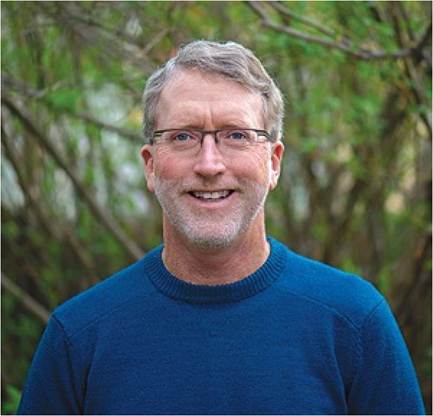
WILLIAM D.
BOWMAN is a Professor Emeritus at the University of Colorado at Boulder, affiliated with the Department of Ecology and Evolutionary Biology, Mountain Research Station, and the Institute of Arctic and Alpine Research. He earned his Ph.D. from Duke University. Dr. Bowman has taught courses in introductory ecology, plant ecology, plant-soil interactions, and ecosystems ecology, and for over three decades he directed undergraduate summer field courses and research programs. His research focuses on the intersections of physiological ecology, community dynamics, and ecosystem function, particularly in the context of environmental change.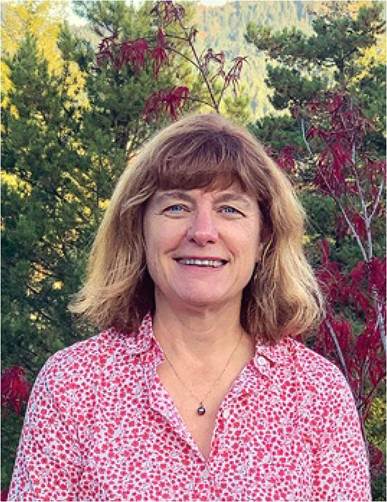
SALLY D. HACKER is a Professor at Oregon State University, Corvallis, where she has been a faculty member since 2004. She has taught courses in introductory ecology, community ecology, and marine biology. She is particularly interested in promoting active and experiential learning for students interested in ecology and field experiences. Dr. Hacker's research explores the structure, function, and services of natural and managed ecosystems under varying contexts of species interactions and global change. She has conducted research with plants and animals in rocky intertidal, estuarine, and coastal dune ecosystems. Her work has most recently focused on the protective role of coastal ecosystems in mitigating the vulnerability from climate change. In addition to the textbooks Ecology (OUP) and Life: The Science of Biology (Macmillan), she is an author or coauthor on numerous articles and book chapters exploring themes in community ecology and ecosystem functions and services.
More on the topic About the Authors:
- ABOUT THE AUTHORS
- About the Authors
- Authors
- About the Chapter Authors
- Contributing Authors
- 9. From Benedict to Gratian: the Code in medieval ecclesiastical authors
- Index of Modern Authors
- Syrian Authors from the Classical Period
- Together with language, religion is one of the most common criteria used by authors of classical antiquity for establishing ethnicity,
- Appendices compiled by J Paul Duff, Anna Meredith, Javier Millan and Marie-Pierre Ryser-Degiorgis with help from text authors.
- Early Christian authors from the richly expressive religious environment of northern Mesopotamia were comfortable appropriating images of the feminine spirit of God known from the Hebrew tradition and developing their own language and images for her.
- Norms constraining intended meanings as antidotes to the foregoing infelicities
- Appendix: Problematic features in the focal articles
- SOURCES OF EVIDENCE
- ‘Frenchify the table'
- Constituent elements and underpinnings
- OUTLOOK
- RELATED LITERATURE
- Dynamic interpretation of canonical legal rules