Ecosystem management sets sustainable goals, implements policies, monitors effectiveness, and adjusts as necessary
Ecosystem management is a process, one that may be implemented in different ways for different projects. Most ecosystem management projects begin with the gathering of scientific data to define the nature of the problems in the ecosystem.
That information is then used to set sustainable goals. To meet those goals, a set of actions is needed, many of which may require adapting new policies. Once a new policy is implemented, the ecosystem is monitored to gauge whether that action brings about the desired result. Adjustments to the policies are then made as needed. In this iterative process, known as adaptive management (FIGURE 24.21), management actions are seen as experiments, and future management decisions are determined by the outcome of present decisions.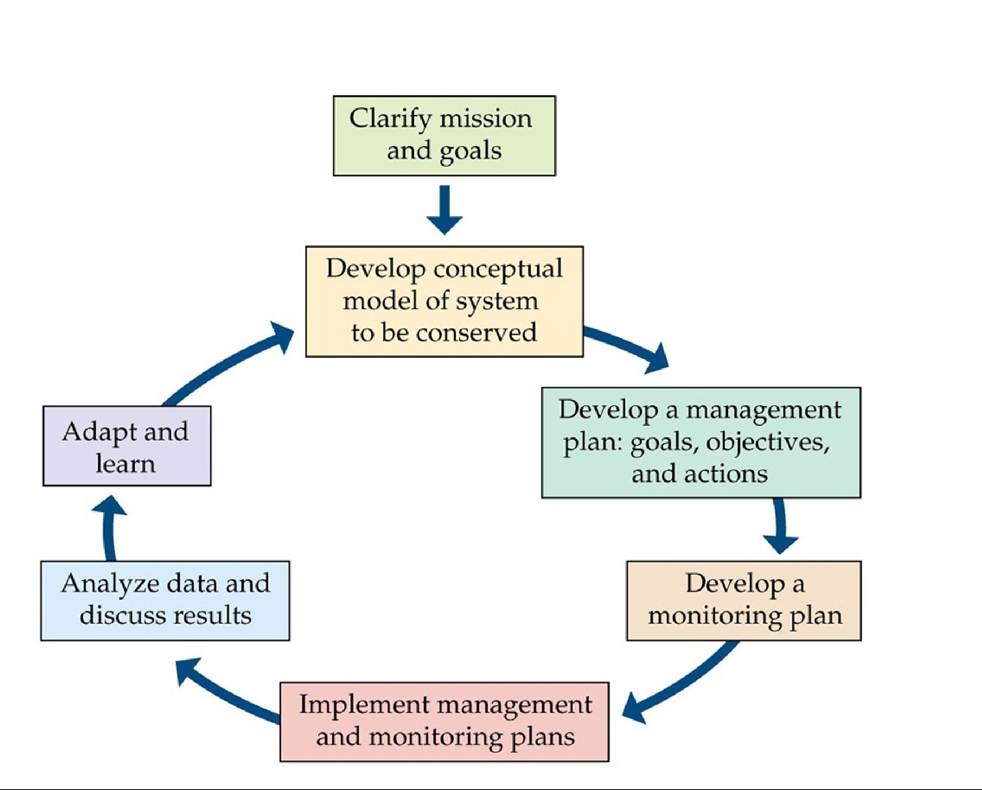
FIGURE 24.21 Adaptive Management Is a Vital Component of Ecosystem Management
Adaptive management is a systematic way of learning from past management actions and adjusting future decisions accordingly. (After R. Margoluis and N. Salafsky. 1998. MeasuresofSuccess: Designing, Managing, and Monitoring Conservation and Development Projects. Island Press: Washington, DC.) View larger image
Monitoring is a vital component of adaptive management. For example, Mark Boyce developed a model predicting elk and wolf population dynamics in Yellowstone National Park following the reintroduction of wolves described in this chapter's Case Study that could be used to inform management of elk hunting by humans. Boyce and his colleague Nathan Varley took an adaptive management approach by updating this model based on demographic data from the first 10 years of wolf presence. Both the original and updated models provided good estimates of elk and wolf populations, and indicated stabilizing density-dependent control of elk populations due to predation and regulated elk hunting (Varley and Boyce 2006). This approach will be important for determining acceptable hunting levels for elk and for future adjustments in response to changing circumstances.
Although it is extremely useful, ecosystem management has limitations and drawbacks. One drawback is that it may take a long time to reach a consensus— yet averting an environmental crisis may require that preventive actions be taken quickly. There is also potential for continued conflict generated by those who simply want to disrupt the process, even when extensive efforts at stakeholder involvement have been made. In some instances, the intentional and effective spread of false information, a struggle for power among different government agencies, the presence of corruption, or the unmet needs of the people in local communities can produce situations that may not lend themselves to participatory governance.
More on the topic Ecosystem management sets sustainable goals, implements policies, monitors effectiveness, and adjusts as necessary:
- Ecosystem management sets sustainable goals, implements policies, monitors effectiveness, and adjusts as necessary
- The concept of the ecosystem and biogeocoenosis