Nearshore zones reflect the influence of tides and substrate stability
Marine biological zones adjacent to the continents are influenced by local climate, by the rise and fall of ocean waters associated with tides, by wave action, and by the influx of fresh water and terrestrial sediments from rivers.
Tides are generated by the gravitational attraction between Earth and the moon and sun. Ocean water rises and falls in most nearshore zones twice daily. The magnitude of the tidal range varies greatly among different locations because it is related to shoreline morphology and ocean bottom structure. Tides produce unique transition zones between terrestrial and marine environments and influence salinity and nutrient availability in these nearshore habitats.Estuaries
The junction of a river with the ocean is called an estuary (FIGURE 3.17). Estuaries are characterized by variations in salinity associated with the flow of fresh river water into the ocean and the influx of salt water flowing inland from the ocean as tides rise. Rivers bring terrestrial sediments containing nutrients and organic matter to the ocean, and the interaction of tidal and river flows acts to trap these sediments in estuaries, enhancing their productivity. The varying salinity of estuaries is an important determinant of the organisms that occur there. Many commercially valuable fish species spend their juvenile stages in estuaries, away from fish predators that are not as tolerant of the changes in salinity. Other inhabitants of estuaries include shellfish (e.g., clams, oysters, crabs), marine worms, and seagrasses. Estuaries are increasingly threatened by water pollution carried by rivers. Nutrients from upstream agricultural sources can cause local dead zones (see Concept 25.3) and losses of biological diversity.
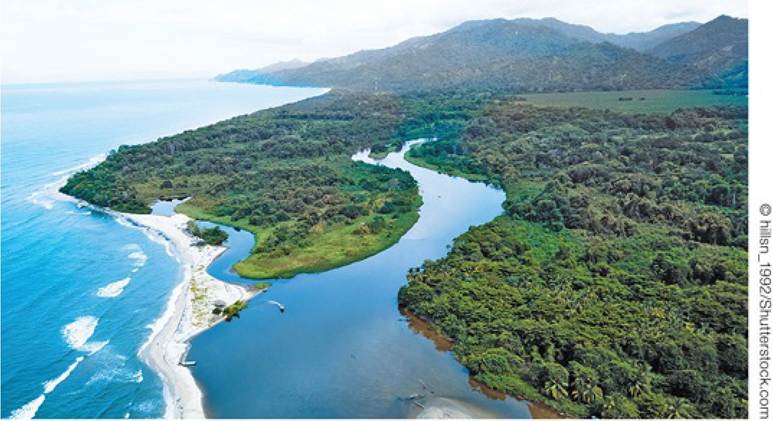
FIGURE 3.17 Estuaries Are Junctions between Rivers and Oceans Themixingoffresh and salt water gives estuaries a unique environment with varying salinity.
Rivers bring in energy and nutrients from terrestrial ecosystems. View larger imageSalt Marshes
Terrestrial sediments carried to shorelines by rivers form shallow marsh zones (FIGURE 3.18) that are dominated by vascular plants that rise out of the water, including grasses, rushes, and broad-leaved herbs. In these salt marshes, as in the estuaries that they often border, the input of nutrients from rivers enhances productivity. Periodic flooding of the marsh at high tide results in a gradient of salinity: the highest portions of the marsh can be the most saline because infrequent flooding and evaporation of water from the soil lead to a progressive buildup of salts. Salt marsh plants grow in distinct zones that reflect this salinity gradient, with the most salt-tolerant species in the highest portions of the marsh. Salt marshes provide food and protection from predators for a wide variety of animals, including fishes, crabs, birds, and mammals. Organic matter trapped in salt marsh sediments may serve as a nutrient and energy source for nearby marine ecosystems.
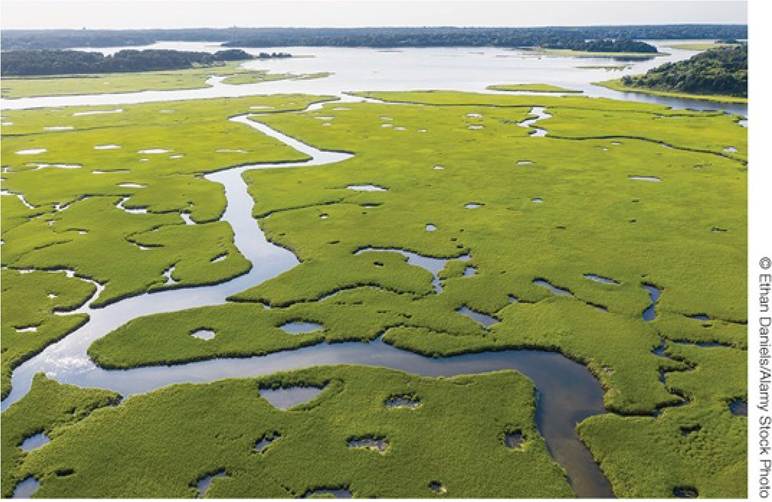
FIGURE 3.18 Salt Marshes Are Characterized by Salt-Tolerant Vascular Plants
Emergent vascular plants form salt marshes in shallow nearshore zones. View larger image
Mangrove Forests
Shallow coastal estuaries and nearby mudflats in tropical and subtropical regions are inhabited by salt-tolerant evergreen trees and shrubs (FIGURE 3.19). These woody plants are collectively referred to as mangroves, but “mangroves” include species from 16 different plant families, not a single taxonomic group. Mangrove roots trap mud and sediments carried by the water, which build up and modify the shoreline. Like salt marshes, mangrove forests provide nutrients to other marine ecosystems and habitat for numerous animals, both marine and terrestrial. Among the unique animals associated with mangroves are manatees, crab-eating monkeys, fishing cats, and monitor lizards.
Mangrove forests are threatened by human development of coastal areas—particularly the development of shrimp farms—as well as by water pollution, diversion of inland freshwater sources, and cutting of the forests for wood.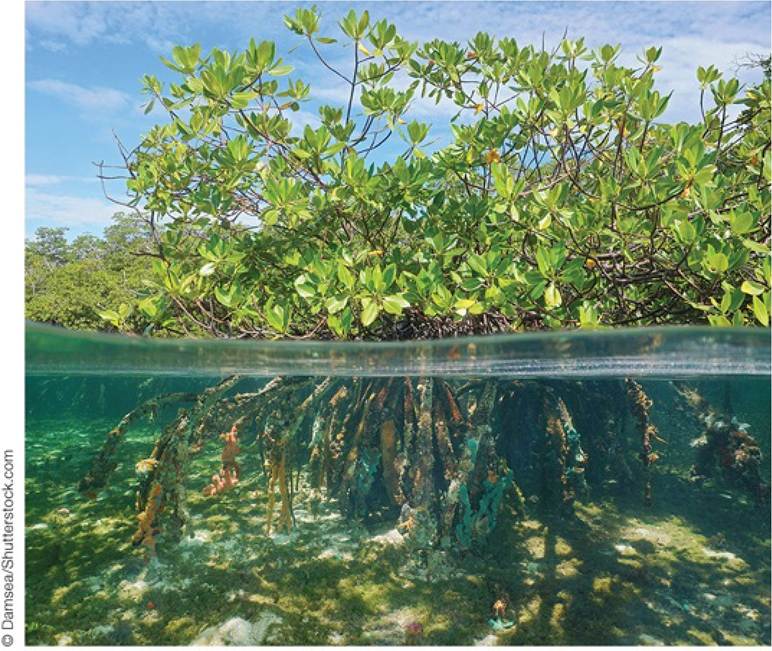
FIGURE 3.19 Salt-Tolerant Evergreen Trees and Shrubs Form Estuarine Mangrove
Forests The mangrove roots trap mud and sediments and provide habitat for other marine organisms. View larger image
Rocky Intertidal Zones
Rocky shorelines provide a stable substrate to which a diverse collection of algae and animals can anchor themselves to keep from being washed away by the pounding waves (FIGURE 3.20). The physical environment of the intertidal zone—the part of the shoreline affected by the rise and fall of the tides— alternates between marine and terrestrial. Between the high- and low-tide marks, a host of organisms are arranged in zones associated with their tolerance for temperature changes, salinity, desiccation (drying out), wave action, and interactions with other organisms. Sessile (attached) organisms such as
barnacles, mussels, and seaweeds must cope with these stresses in order to survive. Mobile organisms, such as sea stars and sea urchins, may move to tide pools in order to minimize exposure to these stresses.
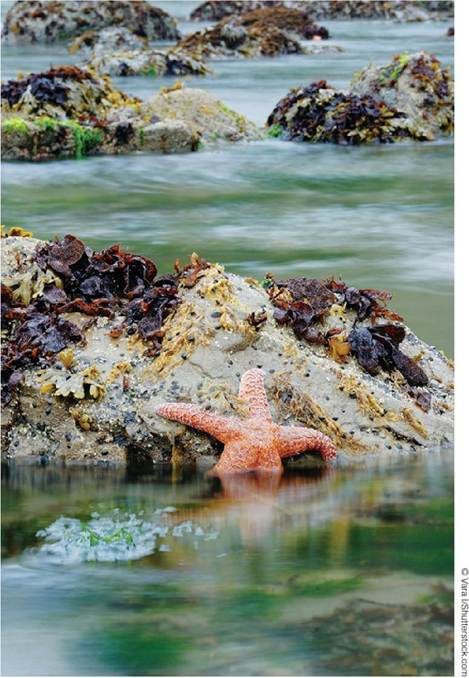
FIGURE 3.20 The Rocky Intertidal Zone: Stable Substrate, Changing Conditions Rocky shorelines provide a stable substrate to which organisms can anchor themselves, but those organisms must cope with the shift from terrestrial to marine conditions that occurs with each tide, as well as wave action. Sessile organisms must be resistant to temperature changes and desiccation. Mobile organisms often take refuge in tide pools to avoid exposure to the terrestrial environment. View larger image
Sandy Shores
Except for a few scurrying crabs and shorebirds and the occasional bit of seaweed washed ashore, sandy beaches appear devoid of life.
Unlike the rocky shore, the sandy substrate provides no stable anchoring surface, and the lack of attached seaweeds limits the supply of potential food for herbivorous animals. Tidal fluctuations and wave action further limit the potential for the development of biological communities. Beneath the sand, however, invertebrates such as clams, sea worms, and mole crabs find suitable habitat (FIGURE 3.21). Smaller organisms, such as polychaete worms, hydroids (small animals related to jellyfishes), and copepods (tiny crustaceans), live on or among the grains of sand. These organisms are protected from temperature changes and desiccation at low tide and from the turbulent water at high tide. When the sand is immersed in seawater, some of these organisms emerge to feed on detritus or other organisms, while others remain buried and filter detritus and plankton from the water.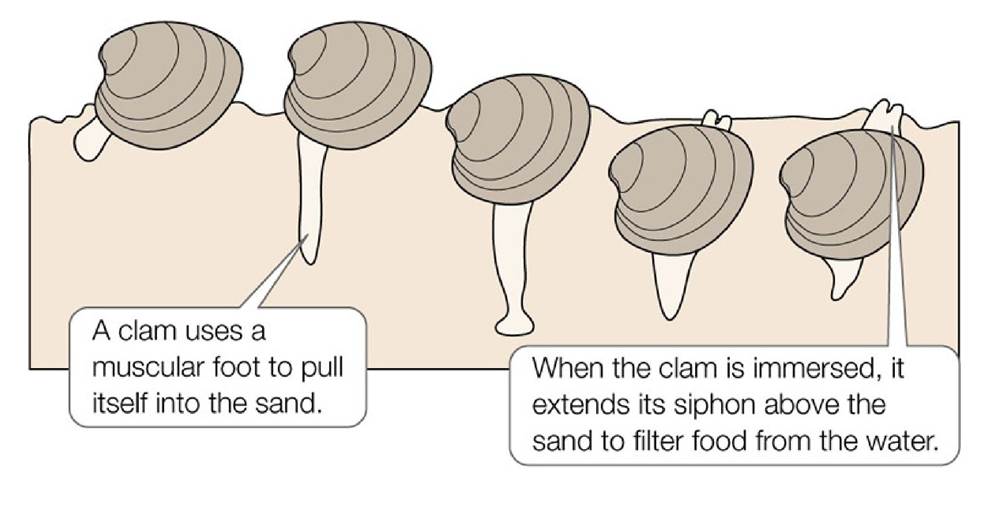
FIGURE 3.21 BurrowingClams Clams, like most animals of sandy shorelines, live in the sandy substrate. View larger image