Culture-Based Social Ecological Conflict Model: A New Model
The integration of the socioecological framework and the original CBSCM results in the revised model—the new CBSECM displayed in Figure 29.3 The model still depicts two parties (e.g., people) in conflict with one another and illustrates how the conflict process unfolds.
The model is meant to describe the process as continuous and flowing rather than starting at a particular point. It is possible to consider additional conflict parties or entities in the conflict process, yet we are constrained in drawing a model on a single page. The primary orientation factors now include multilevel factors at the macro-, exo-, meso-, and microlevels. The situational appraisals also include multilevel factors at each of these levels. The constructs of conflict processes and conflict outcomes are generally consistent with the original model. This section presents the updated conceptualization and research on each of the four components of the new CBSECM: (1) primary orientation factors, (2) situational appraisals, (3) conflict processes, and (4) conflict competence features and outcomes. As the model is a process,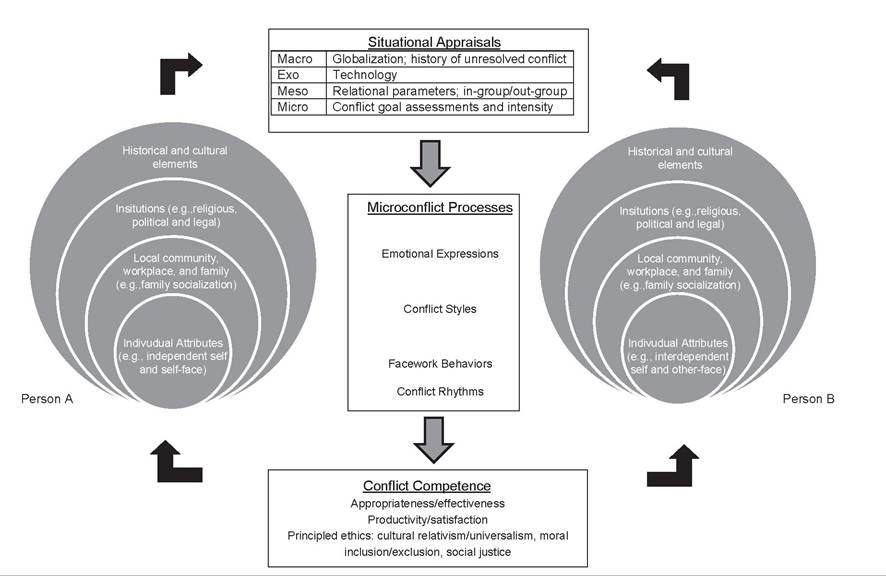
Figure 29.3 Updated Culture-Based Social Ecological Conflict Model
the choice to start with primary orientation factors is arbitrary. After discussing the four core components to the model, we introduce a case study to illustrate the application of the model.
More on the topic Culture-Based Social Ecological Conflict Model: A New Model:
- Oetzel John, Ting-Toomey Stella. The SAGE Handbook of Conflict Communication: Integrating Theory, Research and Practice. SAGE Publications,2013. — 912 p., 2013
- The Temporal Level
- References
- Explanatory Paradigms
- MWA-Based Dialogue (MWA-D: Social Creativity Strategy
- Globalization
- THE THEORY AND PRACTICE OF EMPIRE-BUILDING
- Background Context
- CONCLUSION
- Future Directions and Conclusions About CMS and Organizing
-
Conflictology -
Ecology -
Economy -
Finance -
History -
Law -
Medicine -
Philosophy -
Religious studies -