Epidemiologic Problem Oriented Approach (EPOA) Methodology
The generic approach to problem-solving in any discipline consists of two steps: firstly to identify and characterize the problem and then to design a strategy to manage it (Habtemariam 1989).
Problem identification and assessment of management options require a critical review of the biology, and preferably the epidemiology, of the disease in question. The EPOA methodology is based on epidemiological principles and comprises two interdependent components, the Problem Identifica- tion/Characterization triad and the Problem Management/Solution triad that are linked by the diagnostic procedure linkage (Fig. 7.1). The EPOA provides a scientific framework for systematic collection, organization, and analysis of epidemiological information, which is critical for developing a structured knowledge base of BTB and the difficulties surrounding its control. In this section, we deal with three component parts of the Problem Identification/Characterization triad, the Agent, Host, and Environmental pillars to develop a clearer understanding of the role of each component. The issues related to the diagnosis and control of BTB are dealt with in other chapters of this book (Chaps. 9 and 10).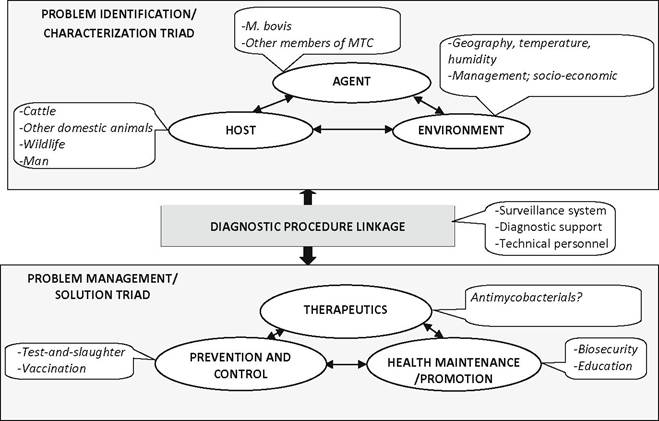
Fig. 7.1 The Epidemiologic Problem Oriented Approach (EPOA) for BTB
7.3
More medical literature on Medic.Studio
More on the topic Epidemiologic Problem Oriented Approach (EPOA) Methodology:
- Question-oriented education
- Molecular Typing for Epidemiologic Studies of Mycobacterium bovis
- Answer-oriented education2
- Answer-oriented education as a barrier to intellectual humility
- Responsibility for Ultimate Collective Actions in Goal-Oriented Collectives
- Methodology
- Methodology
- Methodology
- Weber’s Methodology: Understanding and Ideal Types
- RESEARCH METHODOLOGY
- HODDER’S METHODOLOGY
- Methodology
- Methodology
- Methodology
- METHODOLOGY
- Methodology
-
Infectious diseases -
Internal diseases -
Obstetrics and Gynaecology -
Pediatrics -
Veterinary medicine -
-
Conflictology -
Ecology -
Economy -
Finance -
History -
Law -
Medicine -
Philosophy -
Religious studies -