MINERALS AND TRACE ELEMENTS
Cattle require a dietary supply of at least 15 different minerals for proper growth and production. Some, such as calcium, phosphorus, magnesium, potassium and sodium, are needed in quite large amounts and these are known as the major minerals.
Others are required in only minute quantities, usually expressed as parts per million (ppm), and these are called the trace elements.Pasture levels and supplementation
Table 12.1 shows the average mineral content of samples of temporary leys analysed by ADAS laboratories over a three year period. This is compared to the requirements of an adult Friesian cow giving 20 litres per day.
It can be seen that an average pasture (first column in Table 12.1) contains insufficient phosphorus, zinc, copper and iodine to meet the needs of 20 litres production (expressed in the second column of Table 12.1). The average mineral content of pasture consists of the mean of a very wide range of individual values, however. Soil type and geographical location can have a marked effect. Very acid soils tend to reduce the availability and uptake of all minerals into plants. In addition, temporary leys tend to be lower in minerals than permanent pastures and this is especially so if they have been heavily fertilised and growth is lush - which is exactly the stage at which cows would be grazing without supplementary feeding. On the other hand, mixed swards, for example with clover or other legumes, generally have higher mineral contents.
All of these factors lead to an enormous variation in the mineral content of pastures and the third column in Table 12.1 shows the proportion of the pastures analysed which did not meet the cow’s requirements. Taking calcium as an example, the table shows that although the average calcium content of the leys was 0.63% and this would satisfy the cow’s requirements (0.52%), 33% of the individual samples contained less than 0.52% calcium and were therefore inadequate.
In the case of phosphorus, the average mineral content (0.37%) was less than the cow’s requirements (0.42%). This accounted for only 61% of the individual values, however; or put another way, 39% of pastures were adequate despite the fact that the average pasture level provided less than the requirements.Table 12.1. The adequacy of mineral content of grazing for dairy cattle. All figures are given on a dry matter basis.
| Element | Average values in temporary leys | Dietary requirements for a cow giving 20 l/day | % of samples which were below requirements |
| Calcium | 0.63% | 0.52% | 33% < 0.50% |
| Phosphorus | 0.37% | 0.42% | 61% < 0.40% |
| Magnesium | 0.16% | 0.15% | 40% < 0.15% |
| Potassium | 2.75% | 0.70% | 1% < 1.00% |
| Sodium | 0.21% | 0.14% | 48% < 0.10% |
| Manganese | 85 ppm | 80 ppm | 58% < 80 ppm |
| Zinc | 38 ppm | 50 ppm | 93% < 50 ppm |
| Copper | 8 ppm | 10 ppm | 81% < 10 ppm |
| Cobalt | 0.12 ppm | 0.1 ppm | 52% < 0.1 ppm |
| Iodine | 0.20 ppm | 0.8 ppm | 100% < 0.8 ppm |
| Selenium | 0.07 ppm | 0.1 ppm | — |
Source: Mr G.
Alderman, ADAS.The table shows that there is a real need for mineral supplementation when the cows are grazing - and yet this is often not provided. Another survey looked at conserved forages in a similar manner. It was found that all the samples of hay analysed contained sufficient calcium for maintenance, but some 20% were deficient in magnesium and over 90% of hays and silage were deficient in phosphorus. The latter was especially common if the forage was very mature. Cereal-based rations, on the other hand, contain quite high levels of natural phosphorus and low levels of calcium and this helps to counteract the imbalance in the maintenance ration.
Of course, Table 12.1 can only give approximate values for the calcium requirements of a cow. Requirements will vary depending on the level of yield, total dry matter intake, levels of other minerals in the diet (especially sodium and magnesium) and stage of pregnancy. Therefore this table should only be used as an example of the complexity of mineral supplementation. For precise figures the reader would be advised to refer to detailed tests on nutrition such as Chamberlain and Wilkinson (1996) and ARC (1980). Full details are given in the Further Reading section.
Mineral and trace element supplements are of course added to proprietary ‘cow cake’ to try to ensure dietary adequacy over a wide range of basic rations. The manufacturers will be assuming that you are feeding concentrate for almost all production, however, and if the overall diet contains malt residue, brewers’ grains, sugarbeet pulp or some other by-product, then additional minerals may be necessary. Although it can be a costly exercise to have each component of the ration checked for its mineral and trace element content every year, this would be the ideal situation and I would certainly recommend that at least the forage is analysed every few years. You will then build up a picture of the mineral status of your own farm and supplementation can be provided much more precisely.
The money wasted from the haphazard and over-use of mineral supplements could well be equal to the loss of productivity due to inadequate supplementation! Avoiding excessive supplementation and providing each mineral at the correct level are almost as important as counteracting deficiencies.I do not believe the theory that, when faced with a multiple choice, cows will only eat those minerals which they need. If this were the case, hypomagnesaemia would never occur. On a free access, free choice system, some cows will eat far more than their requirements of a mineral, simply because they enjoy its taste, while others will not bother to take any.
So far only deficiency has been mentioned. The classic signs and symptoms of deficiency may be fairly specific, and there is a tendency for farmers to think that if they cannot see any of these changes, then minerals are not a problem. This is a fallacy however, because mineral imbalance can also occur, when an excess of one element interferes with the action of another. Typical examples would be high levels of molybdenum, sulphur or iron interfering with copper metabolism, and the importance of the calcium : phosphorus ratio in the diet. The symptoms of such imbalances can be very vague, for example lack of thrift, depressed production or poor fertility, and the cause can be very difficult to diagnose. There could still be a significant economic effect however.
Because any one mineral may be involved in a variety of metabolic processes, deficiency signs can vary considerably from one animal to another and it is often difficult to recognise a deficiency on clinical grounds alone. Blood, liver or even bone samples will probably be needed for laboratory testing. In addition, many deficiencies render the animal more susceptible to disease, for example to ringworm or calf pneumonia, and there is always a danger that the secondary disease is treated but the primary mineral deficiency is overlooked.
Some of the more important mineral deficiencies have been covered already, for example magnesium in Chapter 6 and vitamin E/selenium in Chapter 3.
This chapter discusses the animal’s requirements and some of the deficiency symptoms which may be seen. The information is summarised in tabular form in Table 12.2.Calcium
Calcium accounts for one-third of the constituents of teeth and bones and in fact 99% of all the calcium in the body is found in the animal’s skeleton. Calcium also has important metabolic functions in the soft tissues. For example, it is involved in blood-clotting mechanisms and in the transmission of nerve and
Table 12.2. Asummary of the daily mineral, trace element and vitamin requirements of cattle, including the more important deficiency signs.
Holstein/Friesian eating 19 kg DM
| Element | Maintenance | Pregnancy (20 wks) | Milk/per litre | Deficiency signs | Comments |
| Calcium1 | 24.3 g | 1.1 g | 1.8 g | Milk fever = short-term imbalance. Rickets | Short-term deficiencies occur in high-yielding cows at peak, but may cause no problems. |
| Phosphorus1+7 | 28 g | 0.7 g | 1.4 g | When severe, licking bones & soil. Ca:P imbalance may impair fertility | Low levels in some pastures, and in maize silage. Supplementation required. |
| Magnesium1 | 11.1 g | 0.4 g | 0.8 g | Grass staggers | Continual daily intake required. Falls in spring and autumn, and with high K fertilisers. |
| Sodium1+2 | 4.2 g | 3.6 g | 0.6 g | Licking, drinking urine, then poor growth and production | Lush grazing and maize silage are deficient. Ample salt in minerals and concentrates. |
| Potassium | 3.g/kg DM | Never seen | All plants contain very high levels. | ||
| Copper | 10 mg/kg3’4 15 mg/kg DM for preg. and growth | Changes in coat colour, anaemia, poor growth, lameness in calves | May be primary soil deficiency or induced by excess Mo, S, or Fe. | ||
| Cobalt | 0.1 mg/kg DM | Anaemia and weight loss | Needed to form vitamin B12. Some soils deficient. | ||
| Iodine | 0.2 mg/kg DM 0.8 mg/kg DM for preg. and lact. | Reduced milk production; stillborn calves; increased retained placenta | May be primary soil deficiency or induced by goitrogens, e.g. kale | ||
| Manganese | 80 mg/kg DM5 | May lead to impaired fertility | Some pastures are low. | ||
| Zinc | 50 mg/kg DM | Dry scaly skin. Possibly | Some pastures are low. | ||
poor hoof strength and lameness
| Iron | 35 mg/kg DM | Anaemia in milk-fed calves. Never seen in grazing animals | All plants contain very high levels. |
| Selenium | 0.1 mg/kg DM | Muscular dystrophy in calves, retained placenta. Reduced disease resistance | Many soils are deficient. |
| Vitamin E | Depends on Se intake | As for selenium | High intakes will partly compensate for selenium deficiency. |
| Vitamin A | 85 i.u./kg b.wt. | Night blindness, poor appetite, fainting, bone defects in calves | Seen with poor-quality feeds in winter. |
| Vitamin D | 10 i.u./kg b.wt. | Bone irregularities and other signs of rickets in growing calves | Problems in housed cattle only. Vitamin D is synthesised in the skin by sunlight. |
| B vitamins | Nil in healthy animal | See cobalt (B12) and CCN6 (thiamine) | All B vitamins are synthesised in the rumen. Deficiency can be induced. |
| Vitamin C | Nil | Not seen | Produced in the animal's tissues. |
1. Figures taken from Chamberlain and Wilkinson (1996), ARC (1980) and MAFF publication LGR21.
2. This is the sodium requirement. For salt, multiply by 2.5.
3. All levels are expressed as the amount required in the dry matter of the final ration. Units are mg/kg = ppm = g/ton.
4. If induced deficiencies are present (e.g. high Mo, S or Fe), minimum dietary requirements may be very much higher.
5. Some sources quote much lower requirements than this.
6. A full description of CCN is given in Chapter 3.
7. Requirements vary with forage quality.
muscle impulses. Blood levels of calcium normally remain very stable and are maintained in this state by an interaction of vitamin D and parathyroid hormone.
The general term of homeostasis is given to the sequence of processes which maintain the various body systems in equilibrium. Milk fever is due to a breakdown of homeostasis. The cow is not suffering from an overall deficiency in calcium, she simply cannot mobilise her reserves sufficiently rapidly to cope with the sudden increase in short-term demand. Older cows have fewer vitamin D3 receptor sites in their bones and intestines and so they are even less able to cope with the sudden change in calcium requirements. Under the influence of D3 and parathyroid hormone, a cow immediately after calving is usually able to increase the efficiency of absorption of calcium from the intestine quite rapidly, from approximately 35% to over 55%, and this then compensates for much of the increased demand. This concept is explained in more detail in Chapter 6. Blood calcium levels show very little variation with dietary intake and are therefore a poor indicator for the metabolic profile test (see Chapter 6).
Forages contain ample calcium for maintenance but as milk production has a very high requirement (1.8 g calcium per litre - Table 12.2), high-yielding cows on grazing alone may fall into ‘negative calcium balance’ (Table 12.1) and have to withdraw calcium from the reserves in their skeleton. Provided that this can be restored during later lactation and in the dry period, it is probably of limited importance and does not seem to harm the cow. Cereal grains are rich in phosphorus but low in calcium and if high-yielding cows are fed a diet based on maize silage, straw and grain, additional calcium supplementation will definitely be needed.
If young growing cattle are affected by a combined calcium and vitamin D deficiency, then symptoms of poor growth, lameness, stiffness, bone fractures and other signs of rickets will be seen. This can occur in the winter in calves which are on diets of very poor hay and unmineralised barley, and especially if they are housed in dimly lit buildings, because light is needed to produce vitamin D in their skin.
In dairy cows excess calcium may also present a problem. This can occur with over-enthusiastic mineral supplementation, or on diets involving large amounts of kale, sugarbeet, or delactosed whey, all of which are very high in calcium. Calcium interferes with the uptake of manganese, zinc and phosphorus from the intestine and if these elements were originally present in the diet at only marginal levels, increasing the calcium intake could produce a deficiency.
Phosphorus
Phosphorus is the other major component of bones and the combined calcium (36%) and phosphorus (17%) contents account for over half (53%) of the total bone ash. Phosphorus is also an extremely important element in the soft tissues. It is involved in the structure of membranes, in the formation of a suitable framework for nuclear division and other cell functions, and in the all-important transfer of chemical energy for metabolic reactions.
Phosphorus deficiency occurs in many parts of the world and in the British Isles additional supplementation is usually provided at grazing. Milking cows on grazing alone could be deficient even if they were only producing 10-15 litres a day (see Tables 12.1 and 12.2) and blood phosphorus levels may fall because homeostatic mechanisms are less precise than for calcium. However, as with calcium, there are considerable reserves available in the skeleton and there is some doubt regarding the importance of a temporary shortfall of intake over requirements. Maize silage is very low in phosphorus (1.8 g/kg DM) and additional supplementation may be required. Other feeds, for example kale and lucerne silage, are very high in calcium (12.5 and 17.5 g/kg respectively) and although their phosphorus levels are not particularly low (4.0 and 3.0 g/kg respectively) their calcium:phosphorus ratios are quite wide (3:1 and 5.8:1).
The calcium and phosphorus requirements of the cow are roughly similar for maintenance (1:1) although calcium absorption is slightly more efficient if the ratio is 1:2. During lactation the requirement for calcium is higher than for phosphorus. Most diets contain calcium and phosphorus at 2:1 and few problems will be experienced with absorption until the ratio goes beyond 2.5:1. Most grass silages have a calcium : phosphorus ratio of 2:1. This can be balanced by feeding cereals and by-products such as brewers’ grains which have higher levels of phosphorus than of calcium. Maize gluten feed is another good example, with 10.0 g/kg phosphorus and only 2.7 g/kg calcium. Clearly a carefully balanced ration, with adequate and balanced supplies of both calcium and phosphorus, is the best option. Alternatively you could feed a ‘reverse ratio’ mineral, that is one which contains a higher content of phosphorus than calcium to balance any excess calcium.
Symptoms of severe deficiency are similar to those of calcium rickets, although weight loss and lethargy are likely to be much more pronounced, and affected animals develop a craving (pica) for chewing bones and other phosphorus-rich materials. The temporary phosphorus deficit incurred by grazing or silage-fed cows may result in impaired fertility. Some experiments have suggested that phosphorus intakes below 18 g/day may reduce conception rates, and below 10 g/day fertility may be significantly impaired. However, other trials comparing, for example, 3.5 g phosphorus/kg Dm (low) with 4.4 g/kg DM (high) over a three year period showed no effect on fertility. Opinions tend to be divided on this subject, and my own approach would be to say that when a herd fertility problem exists it is very difficult to be sure which factor or combination of factors is involved and it is therefore most logical to correct all dietary abnormalities when trying to improve the situation. This concept is discussed in greater detail in the section on nutrition and fertility in Chapter 8.
If possible, ask about the source of the phosphorus supplements being used. Certain types of rock phosphorus once contained high levels of fluorine, an element which can be toxic to cattle, leading to teeth and bone deformities. Sources are now carefully monitored, however, and it is unlikely that such products will find their way onto the market.
Magnesium
Magnesium is the third of the major elements and, like calcium and phosphorus, it is important in the structure of the skeleton as well as having many metabolic functions. Magnesium deficiency and hypomagnesaemia are described in detail in Chapter 6.
Sodium
Sodium is of major importance in maintaining the fluid balance of the body. This was referred to in Chapter 2. A scouring animal looses both fluid and sodium in the faeces, and oral electrolyte solutions which contain sodium are given for treatment, as these positively promote the uptake of water. Sodium is also involved in the absorption of other nutrients (for example, magnesium) from the gut and in the function of the nervous system. As discussed in Chapter 7, mastitic milk has high sodium levels (explaining its bitter taste) and cows with a persistent mastic discharge (as in a non-responsive case of E. coli) and chronic scour will often develop a craving for salt.
Table 12.1 shows that almost half of the spring leys analysed had inadequate sodium for cows producing 20 litres, and heavily fertilised leys can be particularly low because potassium blocks the uptake of sodium.
As most cows enjoy the taste of salt, it is commonly added to free access minerals to encourage increased intakes. A severe deficiency of sodium, leading to depressed growth, is unlikely in the UK, although periods of temporary deficiency may occur in grazing cows, especially towards the end of a dry summer. It is then that cravings for drinking urine and eating salt may develop. Trials in Wales have suggested that the addition of sodium to fertiliser improved pastures and increased both milk yield and milk quality. Maize silage is low in sodium and it is important that herds receiving significant intakes are given additional supplementation. In one herd fed on 100% maize silage the cows had become so seriously depleted that they started licking the sodium hypochlorite teat dip from their teats immediately after milking! Sodium may be involved with magnesium absorption, and there is some evidence that provision of salt licks in the spring and autumn helps to reduce the incidence of hypomagnesaemia.
Excess sodium intakes, most commonly seen when borehole water is used, can also be a problem. If salt levels are too high, water intakes are depressed and this has an effect on milk production. Borehole water may have to be desalinated prior to use. Total mineral levels above 1.0% will depress water intakes and cattle will always select ‘soft’ water if it is available.
Potassium
Potassium is such an abundant element in plant material that deficiency will never occur. In fact the urine of cattle contains very high levels of excess potassium which is being excreted from the body. The main importance of potassium is that it interferes with magnesium uptake by plants. As there are high levels in slurry, cows should not be allowed to graze slurry-fertilised pastures in the spring because of the increased risk of hypomagnesaemia.
Cereal grains such as barley have a much lower potassium content than forages, and in the malting and brewing processes most of this potassium is leached out. Brewers’ grains therefore have very low levels of potassium (for example 0.1% in DM compared to 2.5% in fresh and conserved forages), and potassium deficiency could occur in cattle on very high grain intakes.
Copper
Copper deficiency is seen in many parts of the United Kingdom and is a widespread problem in the rest of the world. Table 12.1 shows that over three-quarters of leys contain insufficient copper for milk production. Copper deficiency may be either primary, that is the pasture simply does not contain sufficient copper, or secondary, that is some other element is interfering with copper uptake.
The best example of secondary copper deficiency is found in the teart pastures of Somerset, where high levels of molybdenum and/or sulphur interfere with copper absorption. Pasture levels of 2.0 mg/kg molybdenum can produce a deficiency, even though copper levels appear adequate, and sometimes levels up to 100 mg/kg molybdenum are found. A copper : molybdenum ratio of less than 3:1 is undesirable, and even at this ratio very high sulphur intakes (e.g. 3-5 g/kg DM) may still cause deficiency. Molybdenum and sulphur react with copper in the gut to form thiomolybdates which cannot be absorbed. The use of sulphuric acid as a silage additive significantly increases sulphur intakes. For example, 4 litres/ton of 50% sulphuric acid provides 70 g sulphur per tonne of silage and may be enough to induce copper deficiency. Sulphur forms an important linkage bond in the construction of protein molecules, and this is why protein feeds contain quite high levels of it. A more mature pasture with a lower protein content will therefore have a lower sulphur level, and this makes its copper more easily absorbed. On the other hand, lush spring leys not only have a lower initial copper level, but their high protein content gives them increased sulphur, and this interferes with their already marginal status. Other factors such as excess zinc, iron and lead and excessively low or high soil pH may also have a detrimental effect on copper absorption. Minerals very high in iron can be particularly counterproductive.
Recent experiments have shown that animals with a primary copper deficiency do not show any clinical signs. If a trace of molybdenum is added to their ration, however, deficiency signs (coat colour changes, loss of wool crimp in sheep etc.) appear very rapidly. This has led to the proposition that the function of copper is to prevent molybdenum poisoning. Elements such as sulphur and iron interfere with this action of copper, and hence if they are present in the ration in significant quantities, signs of molybdenum poisoning may be seen.
Copper is needed in the body for the formation of haemoglobin, in the processes of energy transfer, for hair and wool production and in the shaping of bones during growth. Deficiency signs are associated with these processes and are therefore very varied. They include:
• stunted growth, anaemia and general unthriftiness
• lameness in calves due to bone deformities, which are seen particularly as swellings around the fetlock
• changes in coat colour, leading to a ‘rusty’ rather than black coat, and classically a ‘spectacled’ appearance due to the loss of pigment around the eyes. But note that loss of coat colour is a difficult clinical sign to interpret, because it can be due to a number of other conditions, for example poor growth due to inadequate nutrition, some previous illness from which the animal is still recovering, or simply bleaching of the normal winter coat which is being shed in the spring (Plate 12.1). In my experience, copper deficiency is not the most common cause of lack of coat colour and rustiness.
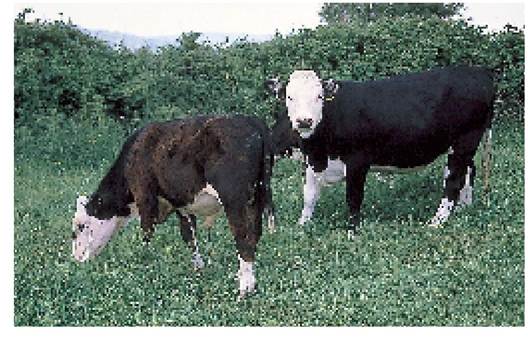
Plate 12.1. Arusty coat, as in this calf, is not always caused by a copper deficiency.
• scouring and weight loss in adult animals having a molybdenum
and/or sulphur induced copper deficiency. Sometimes simply bringing the animals indoors helps to control this
• possible reduction in milk production
• reduced conception rates and suppressed oestrous behaviour, particularly if the copper deficiency has been induced by excess molybdenum. There is some dispute over the importance of copper deficiency in relation to fertility under UK conditions, but if there is any doubt it seems sensible to ensure that copper status is adequate, thus ruling out copper deficiency as a potential cause.
Diagnosis of copper deficiency
Analysis of the ration for copper, molybdenum and sulphur levels will indicate if deficiency is a possibility and why it is occurring, but the best method is to take samples from the animal. Blood is most commonly used, although in the early stages of copper deficiency, blood levels remain high at the expense of liver stores and it is not until deficiency is quite well advanced and liver stores have been exhausted that blood copper values fall. The most reliable method of diagnosis is therefore to take liver samples from cull cows, animals being sold for slaughter, or even get your vet to take a biopsy, that is a small piece of liver from a live animal. Blood is best taken from late pregnant heifers which have not been receiving supplementary feeding, because the copper requirements for growth and pregnancy are higher than for maintenance and milk production (see Table 12.2). Another approach is to give additional copper and monitor the response. While this may be safe for adults, the increasing number of cases of copper poisoning indicates it is a potentially hazardous approach for younger cattle.
Methods of supplementation
Dairy cakes generally provide sufficient copper for milking cows, although circumstances exist when it is necessary to have a special ‘high-copper’ mix. You may need a veterinary prescription for this. Copper is stored in the liver, and this, plus the introduction of several slow release preparations, means that copper injections can be used. This is a very simple and positive way of ensuring that every animal gets its correct dose and there is no risk that molybdenum or other elements can interfere with copper absorption. Ideally give one injection three to four weeks before calving, so that calves are born stronger with better copper reserves. Copper deficient calves are more susceptible to scours and to infections generally, and hence adequate supplementation in late pregnant cows is very important. Although colostrum has a high copper content, levels rapidly fall and milk soon becomes insufficient to meet the needs of the growing calf, even though the young animal has an increased efficiency of absorption. This
is why primary copper deficiency is more common in suckled calves than in calves fed milk substitute.
The frequency of copper injections and the amount given will obviously depend on the severity of the deficiency. Copper injections tend to release a large quantity initially and a reduced amount towards the end of their period of cover. There is therefore a risk of toxicity if too much is given in one dose. However, the absorption of oral copper is partly governed by requirements and although not so easy to administer as an injection, fragments of copper wire (known as ‘needles’) which are given orally in a gelatine capsule (Plate 12.2) are becoming popular. The capsule dissolves in the stomach,
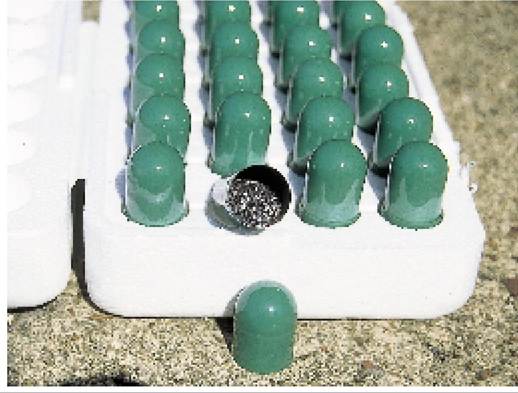
Plate 12.2. Copper ‘needles' in a gelatine capsule.
liberating the copper needles. These then burrow into the wall of the abomasum where they slowly dissolve to provide a source of copper for up to 12 months. Ideally cows should be dosed between drying off and four weeks prior to calving. Not only does this then provide adequate copper for the calf, but it also covers the cow during the period of conception.
Copper absorption is influenced by:
• molybdenum
• sulphur (and hence dietary protein)
• iron, zinc and calcium
• sward composition and stage of maturity
• soil pH
• age of animal
• high concentrate diets
Other methods of supplementation include application of copper salts to pasture, the use of slow-dissolving pellets suspended in a container in the drinking water (Aquatrace, see Chapter 4), a glass bolus containing copper, cobalt and selenium and a variety of other trace element boluses. A potential problem with multi-component boluses is that they are unlikely to contain the trace elements in the ratio needed by the cows in your herd and if, for example, enough is given to control the copper deficiency, excess selenium may also be supplied.
Copper toxicity
Copper is a cumulative poison. Excess intakes are stored in the liver, which eventually reaches the stage where no more can be accumulated and the liver literally ‘bursts’. This leads to a severe haemolytic anaemia, blood in the urine, jaundice, abdominal pain and often sudden death. At post-mortem the liver is enlarged and golden yellow in colour, with jaundice throughout the carcase. Liver failure and death often occur following some form of stress, for example handling, transport or a sudden dietary change, especially if it results in acidosis. If one animal is affected by copper poisoning, it means that the others are at great risk and must be handled very gently.
Put the rest of the group on a copper deficient diet (for example using a low copper sheep ration) and hope that the copper will be withdrawn from the liver stores over a period of time. The procedure can be speeded up by adding 1.0 g sodium thiosulphate and 100-400 g (depending on bodyweight) of ammonium molybdate to the ration: this complexes with the copper in the gut to form thiomolybdate, which then increases the rate of faecal excretion of copper. Also ensure there is a high intake of vitamin E: this stabilises cell membranes and reduces the chances of liver cell rupture.
Copper poisoning usually occurs following a prolonged period of high intake, for example cattle grazing in an orchard where the trees have been sprayed with copper salts, or following over-enthusiastic supplementation of the ration with copper. In some cases the acute toxic episode may not occur until after the animals have been removed from the copper source, but are then stressed in some way.
Over the past few years there have been a few incidences of copper poisoning in animals which have been on diets not considered to be grossly excessive. This seems to be due to the combination of an increase in the amount of copper absorbed, plus some factor destabilising membranes and possibly a high copper status of the basic diet. Examples include:
• increased efficiency of copper absorption from the intestine
- in young animals (50% absorption in a milk fed calf vs. 5-10% in an adult) and
- in animals on high concentrate diets
• diets low in vitamin E and/or selenium
• diets high in polyunsaturated fatty acids (PUFAs), which have a dual effect. Firstly, they increase the animal’s vitamin E requirement and secondly, if the diet is also high in calcium, calcium-PUFA ‘soaps’ are formed, which complex with and increase the absorption of copper. Spring grazing and brewers’ grains are both very high in PUFAs (which also explains why both can also lead to low butterfat in milk)
• diets unusually high in copper, for example brewers’ grains (which can be high in copper), when used as a replacement for forage
• diets low in molybdenum, sulphur, iron, cadmium and zinc, because all of these trace elements would normally interfere with copper absorption. It also means that copper toxicity is more likely to be seen in housed cattle, because these are the animals which will be on high concentrate diets and because they will not be eating the amount of iron-rich soil ingested by grazing cattle (see page 382)
Recent UK food safety legislation has made the copper poisoning syndrome even more relevant, because animals with very high liver copper levels are put under restriction and may not be sold for human consumption. One word of warning: a high liver copper level at post-mortem does not necessarily indicate that copper poisoning was the cause of death. It may simply be a coincidental finding.
Cobalt
Cobalt deficiency occurs in small but well-defined areas of the United Kingdom, particularly those associated with the old red sandstone and granite soils of Devon, Cornwall and Derbyshire. Deficiency is widespread in North and South America and Australia. Cobalt is a vital component of vitamin B12, which is synthesised by the bacteria in the rumen and which is needed by the micro-organisms to digest cellulose. The excess vitamin is then absorbed by the cow and it plays an essential role in her energy metabolism. The changes in cobalt deficiency are an inability of the animal to utilise the energy in its diet, a syndrome sometimes referred to as ‘pine’.
Sheep seem to be more susceptible than cattle. In both species the symptoms are poor growth, anaemia and increased susceptibility to infection. There is some evidence that dairy cows suffer reduced milk yields and infertility. Clinical signs such as these can occur from a wide variety of causes however, including inadequate nutrition and parasitism, and cobalt deficiency should never be diagnosed on the basis of clinical signs alone. Occasionally vitamin B12 deficiency arises from chronic digestive upsets, leading to depressed ruminal synthesis.
Diagnosis of cobalt deficiency is usually made by blood sampling or simply monitoring the response to supplementation with oral cobalt or by injection of vitamin B12 (injection of cobalt itself is not effective). Because of the differences in ‘active’ and ‘complexed’ forms of vitamin B12, blood values are difficult to interpret. Hence the trial supplementation route is often used. Supplements are very similar to those given for copper, i.e. cobalt sulphate onto the soil or added to the drinking water, specially designed pellets for the drinking water and cobalt ‘bullets’ and glass boluses.
The amount needed each day (see Tables 12.1 and 12.2) is extremely small - only 2 mg for an adult cow - and provided that cobalt minerals are available, deficiency is unlikely. Cobalt is an expensive element however, and may not be present in some of the cheaper products. The analysis of a mineral should always be checked before purchase. Improving marginal hill pasture by the application of lime tends to reduce the availability of cobalt to the plants and can worsen a deficiency.
Iodine
Iodine is required by the cow to produce the thyroid hormone, thyroxine T4, which acts as a general metabolic stimulator for all body processes. Iodine deficiency thus leads to a lack of thyroxine, and normal body functions simply proceed more slowly. For example:
• Milk production and growth rates may be retarded.
• Reproductive activity is suppressed, leading to failure to show oestrus and poor conception rates.
• Prolonged or ‘lazy’ calvings may lead to an increase in stillborn calves, retained placenta and endometritis.
• Calves born may be more susceptible to scour, pneumonia and other infections.
As with many other trace element deficiencies, some herds seem to exist with a low iodine status and to have few health problems, while others respond dramatically to supplementation. Probably the best-known sign of iodine deficiency is the ‘stillbirth and perinatal weak calf’ syndrome, which in some herds can produce up to a 30% stillbirth rate. The thyroid gland, situated around the trachea adjacent to the larynx (Plate 12.3), works hard to compensate for iodine deficiency, and this often leads to an increase in the size of the gland, a condition known as goitre. The diagnosis of iodine deficiency is confirmed by blood sampling the adults and dissecting out and weighing the thyroid gland from stillborn calves.
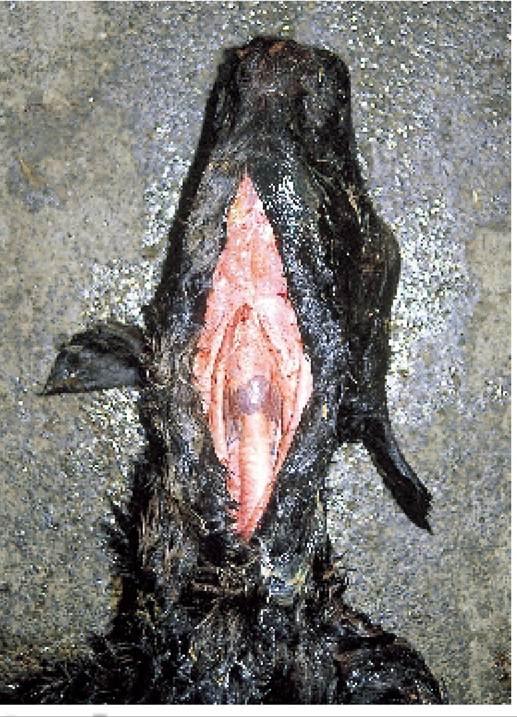
Whole blood iodine is the best indicator of iodine status, but the test is expensive and so sensitive that you have to stop iodine teat disinfection for at least four days before sampling. However, measurements of thyroxine T4 can give misleading results, because factors other than iodine status can alter blood levels. For example, thyroxine levels are low in late pregnant and immediately post-partum cows, high in concentrate fed animals and they fall with increasing environmental temperatures. The normal thyroid weight (the combined weight of both thyroids) for a calf is 15 g, sometimes expressed as 0.0375% of bodyweight. If the thyroid of a stillborn calf weighs over 25 g, deficiency should be strongly suspected. Milk iodine is another excellent indicator of iodine status.
Plate 12.3. The thyroid gland, seen as the darker tissue surrounding the larynx in the neck, is much heavier in iodine deficient calves.
Iodine deficiency may be primary, when soil or plants are deficient in the element, or it may be secondary, as a consequence of feeding a goitrogenous diet. Examples of the latter include kale, turnips and white clover containing thioglycosides and thiocyanates which inhibit the uptake of iodine by the thyroid, and rapeseed meal and raw soya bean which contain thiourea and thiouracil, both of which are competitive inhibitors of thyroxine synthesis. All of these foods prevent thyroxine production and should only be fed in moderate amounts. For example kale intakes of greater than 20 kg/day fed for long periods have been shown to affect fertility. Some varieties of rape are now being grown which have a much lower gossypol content and hence a reduced goitrogenic effect and a less bitter taste.
Almost all pastures contain inadequate iodine for pregnant and lactating cows (see Tables 12.1 and 12.2) and therefore if they are on grazing or forage alone, additional supplementation will be required. Clovers may contain even less iodine, some being as low as 0.05 mg/kg DM, compared with the animal’s maintenance requirement of 0.2 mg/kg DM. Iodine deficiency is particularly common in Ireland, where grazing constitutes a large part of the diet and where many herds are supplemented with 60 mg iodine per cow per day. Compound dairy concentrates should always contain ample iodine, and in many cases this may eliminate the need for additional supplementation.
Iodine is not stored very well in the body and so a regular daily intake is required: if the supplement is removed from a deficient herd, blood iodine levels may start to fall in as little as seven to ten days. Supplementation is often added to the drinking water or it may be sprayed onto other feeds (for example, use 40 g of potassium iodide in 1 litre of water and give 2.0 ml per cow/day, i.e. 60 mg iodine cow/day). For dry cows some people recommend that approximately 10 ml of iodine solution is painted in a 15 cm long strip over the flanks every one or two weeks. The cow licks this off during her natural grooming processes.
Do not supplement to excess as this could lead to excessive levels in milk, with human health implications. Milk is a major source of iodine for man. As the daily human requirement is around 50-150 micrograms/day and this is contained in only 300 ml of average milk (containing 350 micro- grams/litre), care should be taken not to over-supplement.
Manganese
Manganese is an element which is often discussed in relation to reproductive problems in dairy herds, especially where poor conception rates and failure to show heat are involved. There is certainly a wide variation in the manganese contents of pasture in the UK and some people have produced results showing an improvement in fertility following manganese supplementation. Others would dispute this. Dairy concentrates normally contain sufficient additional manganese to make up any deficit, but in the spring and early summer, when no concentrates are being fed, over half of the diets are likely to be deficient (Table 12.1). Deficiency can also arise in the winter if the ration consists of a high proportion of by-products such as sugarbeet pulp or malt residue. It has been suggested that an overall content of 80 ppm manganese in the dry matter (see Table 12.2) is sufficient to avoid fertility problems, and as the mineral is very cheap it would be unwise not to provide this.
Zinc
Zinc is similar to manganese in that many pastures do not contain sufficient to meet the requirements of lactating cows (Table 12.1). Deficiency in pigs causes skin problems, and a similar parakeratosis which responds to zinc treatment has been reported in calves. Affected animals have a dry, crusty, scaly skin, especially over the head and shoulders, but sometimes the whole body is affected. This should not be confused with ringworm or lice, where the scaling effect is much less. Zinc deficient parakeratosis is an inherited defect of Friesian calves, leading to poor intestinal zinc absorption, but is only likely to be seen in an individual animal. Dosing with 15 g zinc oxide once a week will help recovery.
It has been suggested that dietary zinc, and especially a zinc methionine complex, will reduce lameness in dairy cattle, and in some countries zinc injections are available. However, the evidence for its benefit is not conclusive. Hard horn has certainly been shown to have a higher zinc content than soft horn. For many years zinc ointment has been used to promote healing, and in human medicine low levels of zinc are added to intravenous infusions to promote the healing of skin ulcers. Zinc may not necessarily reduce the incidence of lameness, but it can perhaps increase the speed of recovery. Doses of 4.0 g zinc oxide per cow per day have been suggested. Do not over-supplement, as excessive zinc can induce a copper deficiency. With a large number of galvanised metal water troughs on farms, it seems unlikely that zinc deficiency will be a major problem in the UK.
Iron
Iron, like potassium, is unlikely ever to be deficient in cattle diets. There are high levels in most plants, and as animals normally consume significant quantities of soil when grazing, overall intakes are boosted even further because soil is very rich in iron. For example, grazing cattle probably eat around 100 g soil each day, but this can increase ten-fold to 1 kg or more daily if grazing is very sparse, has been recently flooded, is dirty or has been trampled during wet weather. Dietary requirements for iron are around 35 mg/kg DM, and deficiency (which is sometimes seen in milk-fed calves) can result in anaemia and retarded growth. However, toxicity (depressed growth) can occur at intakes above 500 mg/kg DM (i.e. above 7.5 g/day for an animal consuming 15 kg of dry matter). It is not difficult to exceed these intakes.
For example,
• 10 kg DM pasture at 260 mg/kg iron contributes 0.26 g iron.
• 100 g soil at 50,000 mg/kg contributes 5 g iron.
• Free access minerals and compound rations supply further iron.
Iron is important in that if in excess, it reduces the availability of copper. This is an interesting point. At one time it was almost traditional that minerals should be either red or green and these colours were achieved by the addition of high levels of iron salts. Minerals with iron levels greater than 1000 ppm should be avoided. Heavy soil contamination of silage will lead to high iron, lead and zinc levels and may therefore induce copper deficiency. This can occur when silage is made over very rough ground, on inadequately rolled swards, during wet weather, or from pasture which has been recently flooded or trampled.
Selenium
Selenium functions in association with vitamin E. Deficiency in the United Kingdom is quite common. The average value in pastures is insufficient for lactating cattle (Table 12.1), and high fat concentrates increase the overall requirements of the animal because vitamin E is involved in the metabolism of fat. Many of the clinical signs attributed to selenium deficiency have been described elsewhere in this book. They include:
• white muscle disease in calves (Chapter 3)
• increased incidence of retained placenta (Chapter 5)
• slow or ‘lazy’ calvings
• reduced fertility
• increased susceptibility to infection
• longer term effects such as retarded growth and anaemia
Selenium status is normally assessed by measuring blood levels of glutathione peroxidase, which is a selenium dependent enzyme. However, as is so often the case with trace element deficiencies, herds may be found with low glutathione peroxidase levels, yet show no clinical signs whatsoever.
Ways of Improving Trace Element Status
Several different methods of supplementation have been described with the individual trace elements. The purpose of this section is to take an overall look at the advantages and disadvantages of the various supplementation systems. These can be divided into three categories, namely:
• altering the trace element content of the soil and herbage
• oral supplementation
• supplementation by parenteral methods, that is, by injection
Soil and herbage
The type of soil in a particular area affects not only its trace element content but also the type of plant which grows there and the rate of uptake of minerals and trace elements by those plants. It is for precisely these reasons that there is a wide geographical variation in the deficiency areas. Various treatments can affect the uptake of mineral by the plants. The influence of soil pH on mineral and trace element uptake by the plant is demonstrated in Figure 12.1. The uptake of all elements, apart from iron, is decreased in very acid soils and hence liming will invariably have a beneficial effect. Conversely, if the soil becomes too alkaline, uptakes of manganese, boron, copper and zinc are depressed.
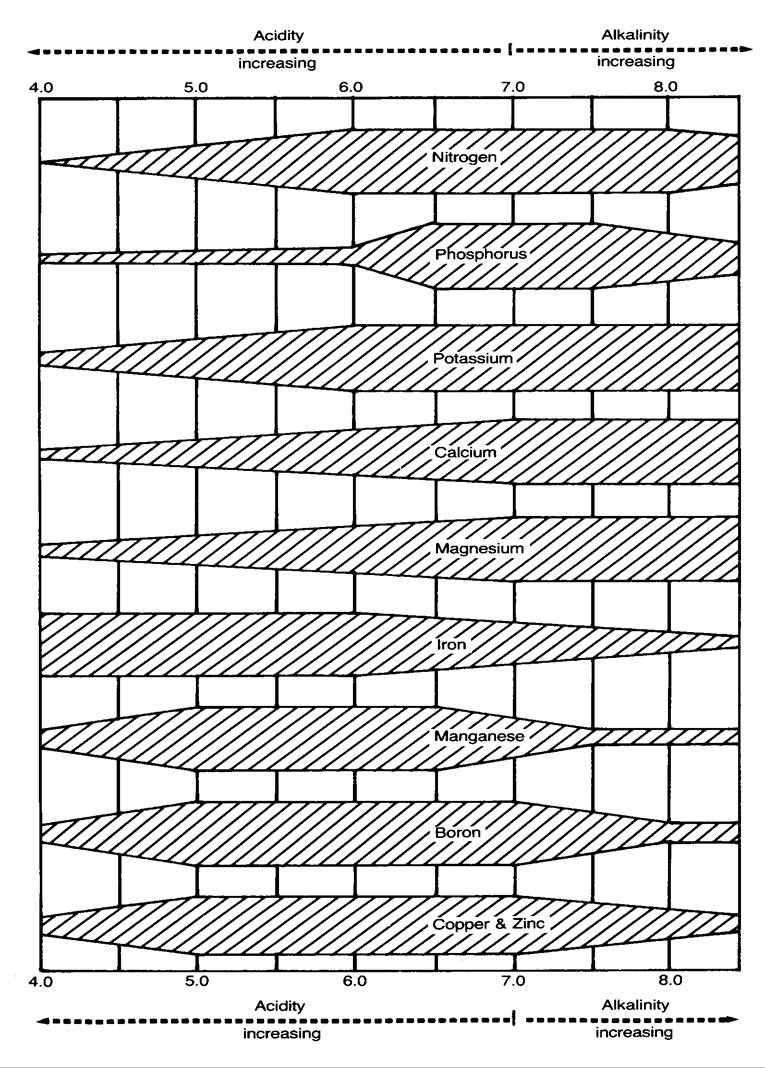
Figure 12.1. Effect of soil pH on plant nutrient availability.
Artificial fertilisers have three actions on this soil/plant relationship. First, some fertilisers, for example ammonium sulphate, will acidify the soil, and this leads to a reduced mineral uptake by the plants. Second, fertilisers produce faster plant growth, often with a higher protein level, and this tends to decrease its mineral and trace element contents. Third, the elements contained in the fertiliser either intentionally (for example, potassium or phosphate) or as contaminants (for example fluorine) may react with natural minerals and trace elements and reduce their uptake. Heavy use of artificial fertilisers therefore generally decreases the mineral and trace element levels of plants.
Trace elements can be applied directly to the soil in an attempt to boost levels in plants. This works well with cobalt, but for copper such large applications are needed that it is not economic. Manganese has been applied to soil and pasture and while it may boost herbage growth in deficient plants, it has little effect on the overall manganese content of the pasture and is therefore of no value for animal supplementation.
Oral supplementation
Giving trace elements by mouth is probably the cheapest and most efficient way of counteracting deficiency, especially if it is a primary rather than an induced deficiency, and this must be the method of choice if cereals or concentrates are being fed. Animals must either be given a regular daily supply, for example in the food or in drinking water, or a method of providing a single large dose in a slow release form must be found. Examples of the latter include ‘bullets’ for cobalt, selenium and magnesium supplementation, a glass bolus containing a mixture of copper, cobalt and selenium, and copper wire (see Plate 12.2) which lodges in the abomasum and is then slowly dissolved over the following six to twelve months. Magnesium can be dusted onto pasture to give a regular daily supply and although this works well, it entails a fairly high labour input.
Minerals can also be offered on a free access basis, and while this is a simple system, individual animal intakes can be very variable. For example, one trial showed that cow consumption ranged from 0 to 500 g/day of one particular mineral, with less than half the cows taking in sufficient to meet their requirements. Free access is therefore not a reliable method of supplementation.
Parenteral supplementation
The word ‘parenteral’ means that the trace element is injected or implanted directly into the animal’s body (‘parenteral’ is also applied to drug administration). This is undoubtedly the preferred route for the treatment of animals clinically ill from deficiency, since it can produce an immediate improvement in trace element status. It also has the advantage that there are no interactions to consider which might compete with plant uptake or intestinal absorption and that a precise and controlled dose can be given to each animal. Unfortunately it is difficult to produce preparations which can give a single large dose, capable of slow release over a period of time. Injectable products for copper and selenium supplementation are now available and certainly for copper they provide a reasonably cheap and efficient preventive method. One disadvantage of parenteral administration is the risk of toxicity from overdose, since the animal cannot regulate its intake and absorption.
More on the topic MINERALS AND TRACE ELEMENTS:
- MINERALS AND TRACE ELEMENTS
- MINERAL DISORDERS AND TRACE ELEMENTS
- CONSIDERING MARKET ELEMENTS IN P2P FINANCE
- The key elements of banking
- This chapter will describe the elements that banks need to considerin mapping and analyzing financial contracts.
- CONTRACT ELEMENTS
- Constituent elements and underpinnings
- Chapter 14 ROUTINE TASKS AND DEALING WITH POISONS
- Minerals and atmospheric gases are the ultimate sources of nutrients
- Elements for an alternative perspective