Cheyletiella parasitovorax Infestation
Cheyletiellid fur mites, in the authors' experience, are relatively common in laboratory rabbits. They may be present without producing obvious detectable disease. The relatively large and motile mites can be seen with the naked eye, resulting in the term “walking dandruff” for this infestation.
When lesions are present, they are usually located on the dorsal trunk, scapular areas, and occasionally the ventral abdomen. They consist of areas of scaliness and hyperemia, with crusting and variable degrees of hair loss (Figs. 6.72 and 6.73). Pruritus is not intense, but careful observation reveals that rabbits are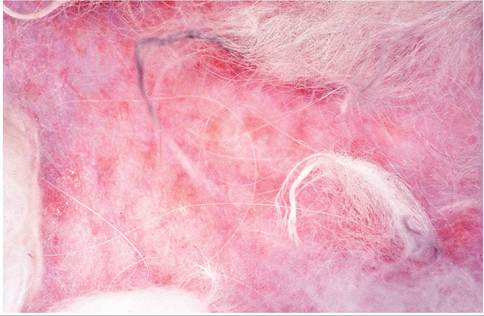
FIG. 6.73. Inguinal region of the rabbit represented in the previous
figure, depicting alopecia and cutaneous erythema.
pruritic and agitated. There may be a relatively high prevalence of these mites in some commercial rabbitries. Rabbits are susceptible to several species of Cheyletiella mites, but C. parasitovorax is the most common in North America. These mites can be acquired from and transmitted to other species of animals, and are readily transmissible to humans, where they induce pruritic dermatitis.
More on the topic Cheyletiella parasitovorax Infestation:
- Cheyletiella parasitovorax Infestation
- Trombiculid Mite Infestation: Chiggers
- Louse Infestation: Pediculosis
- THE MITES AND TICKS