TOXIC CAUSES
Photosensitisation
This is a condition seen in grazing animals, and it is equally as common in adult cows as in young stock. It is caused by an accumulation of light-reactive pigment in the skin.
When the skin is exposed to sunlight, the pigment absorbs radiant energy and this triggers off a chemical reaction which eventually leads to the release of histamine and causes extensive skin damage. Photosensitisation can be either primary or secondary:• Primary This is caused by the animal actually eating the photosensitising compound. Examples include the chemicals contained in such plants as St John’s wort and buckweed and also lantana, which is common in southern Africa.
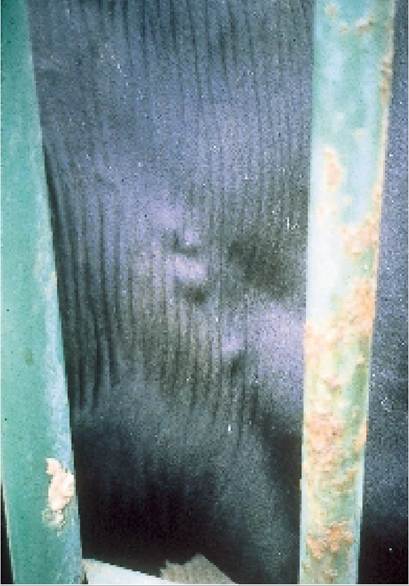
Plate 10.18. Skin tuberculosis (skin TB) is typically seen as a row of nodules under the skin of the
• Secondary In this instance there is a neck. dysfunction in the liver and chemicals which
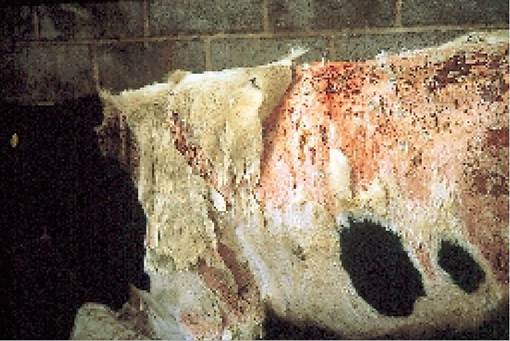
Plate 10.19. Photosensitisation. The initial insult probably occurred 3-4 weeks previously and by this stage the damaged skin is virtually painless and flaking off, with new (pink) skin forming underneath.
are normally detoxified in the liver accumulate in the body. The best example of this is facial eczema, which is caused by ingestion of toxins produced by Pithomyces, a fungus which grows on ryegrass in New Zealand.
An obstructed bile duct can also lead to the accumulation of toxic products. The most common of these is phyllo- erythrin, a breakdown product of chlorophyll, the green pigment found in plants.
Clinical signs
In the very early stages of the acute disease the animal may simply be showing signs of liver failure, e.g. depression, off food and incoordination.
Skin lesions are first detected as a thickening of the white skin and, if you run your hand from black to white pigmented areas, the distinction can be easily felt. The skin over the back and sides is the worst affected, these being the areas most directly exposed to sunlight, although sometimes in severe cases the teats are so badly inflamed that the cow is impossible to milk for a few days. The thickened skin is very painful to touch during the first few days but later it forms a dry, leathery crust. This eventually drops off, leaving red, raw tissue exposed underneath. The animal shown in Plate 10.19 had reached this healing phase before she was noticed and this was probably one to two weeks or more after the initial histamine release and skin damage. In time new skin forms, but this may take several months. If the liver was badly damaged in the initial stages, poor growth and severe coriosis/laminitis may develop as secondary features.Treatment
In the early stages the aim is to minimise the effects of the photoreactive chemical. If you suspect the condition, take the animal away from direct sunlight as soon as possible and shut it in a loose-box. Your vet will probably prescribe antihistamines and/or anti-inflammatory drugs to counteract the effects of the histamine and reduce any further skin damage. Antibiotic cover may be given to prevent skin infection and vitamins (especially A and D) to promote healing. While the skin is very raw, that is immediately after the initial ‘peeling’, fly repellents are useful to reduce irritation and to prevent fly strike and subsequent maggot infestation. Keeping the skin supple with a bland emollient cream also helps healing.
It can easily take a whole summer for the skin to completely heal and during this time the animal should be allowed out to graze at night only. There is no reason why photosensitisation should recur the following year, although the skin may be permanently damaged, similar to the scarring left after severe burns.
Urticaria (Blaine)
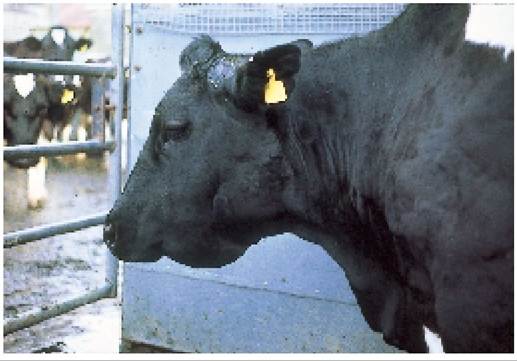
This is an allergic or hypersensitivity condition with a sudden onset. The chemical which causes the allergy is often not identified. Animals of all ages can be affected, but most cases are seen in cows and heifers over 12 months old. The face, eyelids, lips and sometimes the vulva become swollen, with oedema or dropsy fluid accumulating under the skin. A good test for this is to squeeze the tissue gently between your forefinger and thumb. You can make quite a significant depression and when you remove your hand the finger marks remain. Sometimes the allergy is so severe that the whole head and neck are affected and this may interfere with breathing. In addition to swollen eyes and face, the cow in Plate 10.20 also had raised lumps on her skin. She recovered rapidly with treatment.
Mild cases disperse without treatment, but if severe, antihistamines and anti-inflammatories can be used to alleviate the symptoms, and diuretics, drugs which remove fluid from the body, may help to decrease the swelling. The syndrome is also known colloquially as ting.
Septicaemia
Calves which have been severely ill due to septicaemia may lose their hair, especially around the head and face.
Plate 10.20. Blaine. Note the swollen eyes and face and the lumps on the skin over her shoulder.
Scouring
Calves which scour badly often lose the hair over their hind legs, as seen in Plate 2.22. This is thought to be due to undigested fat and other substances in the diarrhoeic faeces reacting with the skin. Multivitamins may assist recovery, but most calves eventually recover naturally.
Poorly Mixed Milk Substitute
Poorly mixed milk substitute, in which the fat rises to the top of the milk, can produce hair loss around the muzzle. A typical example is shown in Plate 2.18. Details of milk substitute problems are given in Chapter 2.
Alopecia
Alopecia simply means hair loss, and a few calves seem to lose their hair for no obvious reason. They have neither scoured nor been ill and yet they may suffer from total hair loss over the whole body. Apart from giving an injection of vitamins A, D and E to improve skin condition, there is little that can be done for treatment. All the cases I have seen have recovered, although it may take two to three months.
More on the topic TOXIC CAUSES:
- Acid precipitation causes nutrient imbalances and aluminum toxicity
- CHAPTER 41 HARMFUL ALGAL BLOOMS INCLUDING Cyanobacterial toxicosis
- Fusariotoxicosis
- Hazardous Waste
- Designing a Green Synthesis
- Chapter 14 ROUTINE TASKS AND DEALING WITH POISONS
- Community and Family Conflict
- Background and Context
- Is Chemical Research Ethically Neutral?
- Trombiculiasis