Strategies for people with HIV infection
Until recently targeting prevention interventions to HIV positive individuals has been largely neglected. Affected communities have been understandably concerned about stigmatisation and discrimination, while those responsible for prevention have felt poorly equipped to tackle many of the key issues.
As stigma and exceptionalism associated with HIV diminishes, opportunities emerge to build HIV prevention strategies where people living with HIV are partners in development and delivery of the interventions. The advent of highly active antiretroviral therapy (HAART) has led to improved survival and thus to an increasing number of people living with HIV in the population. This brings with it particular public health challenges for individuals and society. Clinicians and policy makers need to be aware that with widespread use of HAART comes responsibility for ensuring that the risk of transmission, and particularly the transmission of resistant or virulent strains, is minimised and that public health is protected. For those living with HIV, HAART may lead to improved quality of life and sexual relationships and increased longevity, but also raises the challenge of maintaining life-long safer sexBox 16.4 Guidance for enhancing sexual health promotion and HIV prevention in minority ethnic communities
• Facilitating access to appropriate confidential adolescent and adult sexual health and HIV prevention services, including specialist services outside routine clinical settings inline with the expressed needs of the community
• Developing materials using appropriate language and images including materials appropriate for non-native English- speakers
• Early and continued sex education in schools to supplement and support provision in the home
• Assisting parents from cultures where sex in general is rarely discussed to discuss sex education
• Providing focused interventions for young boys in either school or community settings
• Prohibitive messages may be supported by some particularly older generations
• Exploiting and explaining the wider benefits of safer sex in relation to contraception and avoidance of other infections may increase the overall acceptability of messages with all audiences
• Focused work exploring assumptions made about “safe” partners and concurrent relationships in cultures where they are common
• Use of appropriate and community-specific delivery points, for example, settings appropriate to the specific culture
• Awareness of different migration, refugee and acculturation experiences between communities and between generations
• Promoting HIV testing within high-risk ethnic communities is likely to be extremely sensitive and should be treated with careful consideration and caution based on a clear understanding of the individual and community issues
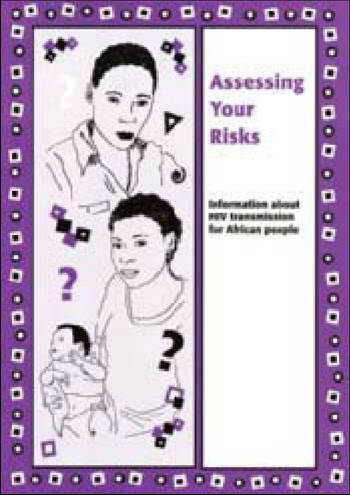
Figure 16.6 Key materials should be available using appropriate language and images for minority groups and for non-native English speakers
practices to avoid infecting others. Collectively, increased survival leads to a larger pool of infected people in the community who may pass on infection and there is already evidence that new HIV infections may once again be increasing in parts of the USA.
While there are theoretical reasons to believe that HAART may decrease infectivity by decreasing viral load, at the population level, such gains may be counterbalanced by increased unsafe sexual behaviour, increased incidence of STIs, and the emergence of drugresistant strains amongst those failing therapy, which in turn may lead to new infections resistant to currently available therapies.Prevention trials specifically with those living with HIV are scarce. However, recent research and community consultation has provided indications of acceptable primary prevention approaches. Acceptable primary prevention strategies with HIV positive people include providing counselling and support in both one-to-one and small group contexts, providing specialist sexual health and STI screening services for HIV positive people, and offering social, emotional and sexual counselling support within HIV outpatient treatment services. As with other groups, interventions are more likely to achieve success if they occur in genuinely productive partnerships with leadership from the affected communities to overcome wider social prejudice and stigmatisation.
More on the topic Strategies for people with HIV infection:
- Physicians
- General management of HIV-infected people
- Twenty years after the first antibody test for the human immunodeficiency virus (HIV), highly active antiretroviral therapy (HAART) became available in Western countries.
- Management
- Comparing traditional aid policies and the ART Initiative
- I HUMAN RESOURCES ^10 ^32 ^s2 ^117
- I SEXUALLY TRANSMITTED INFECTIONS ^xv ^229 ^348 ^386
- References
- 24 HIV in Pregnancy
- NOTES