DEALING WITH POISONS
I find dealing with poisons a particularly frustrating area of veterinary medicine as there seem to be so many unknowns. For example:
• Many poisons give the same vague clinical symptoms of dullness, abdominal pain and nervous signs, so that you cannot diagnose on clinical grounds alone.
• Even if you suspect a poison, for example, from a history of possible access, it may be difficult and/or expensive to obtain confirmatory laboratory tests.
• If a laboratory test is available, the results are unlikely to be ready for several days and treatment usually has to be instigated immediately.
• Finally, even if you are convinced you know which poison is involved, there may be no specific antidote, and treatment is aimed at suppressing or alleviating the symptoms in the hope that the animal will recover on its own!
There are a few exceptions to this of course and lead poisoning is a good example. But even with lead the clinical signs can be variable, ranging from lethargy, dullness and blindness, to extreme excitement, racing around the pen, bellowing and trying to climb the walls. So, often, suspicions of poisoning must rest with a history of possible access to a known toxic substance, and this is why I have only listed some of the more common poisons in this chapter.
I have already said that clinical signs and treatment can be very variable and for this reason I have given very few details. If you suspect poisoning I would strongly recommend that you contact your vet for advice. Remember that for many poisons, small quantities are relatively harmless - they may even be beneficial. It is only when they are taken in excessive amounts - for example plants which are eaten because there is no other grazing available - that poisoning occurs.
Acorns and oak leaves
Green acorns are particularly toxic if eaten in large quantities.
The poison is called tannic acid, a chemical which was once used to preserve and harden hides in leather making. Initially cattle show dullness, abdominal pain and loss of appetite, but later there may be severe diarrhoea, the dung being black with blood, due to inflammation of the gut. Some cases are fatal. Drenching with chlorodyne (60 g) and linseed oil or liquid paraffin (500 ml) may help, and drugs can be given by injection to alleviate the intestinal spasm and pain.Antibiotics
Sometimes concentrates fed to cattle are contaminated with residues of antibiotics or other drugs which were perhaps being used as growth-promoters or medicants in pig or poultry rations. Although following the BSE crisis there is now a much stricter control at the feed mills when cleaning out between different mixes, mistakes can still occur. Most of the drugs involved destroy the normal rumen microflora. This makes the rumen go sour and the animal goes off its food.
Quite large quantities of some drugs, for example the tetracyclines and sulphonamides, can be eaten without any adverse effects, and both have been mentioned as a potential treatment earlier in this book. Oral penicillin is used for treatment of acidosis, when it is desirable to achieve a reduction in the activity of rumen bacteria, especially lactobacilli.
The antibiotic lincomycin, used in digital dermatitis footbaths, is potentially much more serious, probably because it destroys both bacteria and protozoa in the rumen. Even low levels of lincomycin in cattle food have caused quite severe reductions in yield and even death in dairy cattle. It is interesting to note that lin- comycin can be given to cattle quite safely by injection, however: in fact it is a good treatment for joint ill.
Arsenic
This was once a common constituent of sheep dips and potato sprays. It is now rarely used, but cattle may gain access to old cans and some seem to even like its taste! Arsenic causes severe inflammation of the gut, leading to abdominal pain, colic and scouring.
Badly affected animals become recumbent and die. Treatment is similar to that for acorn poisoning.Bracken
Bracken poisoning occurs particularly in late summer when grazing is sparse, although clinical signs may not be seen until three weeks or more after the animals have been removed from the pasture. Although the green plant (Plate 14.30) is bitter, dried bracken may be readily eaten with hay, so bracken poisoning can occur indoors in winter. There are two types of clinical signs. The first is associated with gut inflammation caused by eating the fresh plant, and this leads to scouring with blood in the dung. The other syndrome is one of severe anaemia. Bracken affects the formation of certain cells, the thrombocytes (sometimes known as the blood platelets) in the bone marrow, and this produces a thrombocytopenia (a deficiency of thrombocytes) which interferes with blood clotting. You may see large red haemorrhagic areas in the mouth or vulva, the membranes of which will be very pale due to anaemia. Blood may accumulate in the eye to cause hyphaemia (Plate 4.23) and blood may also be passed in the urine, turning it red. This is sometimes called enzootic haematuria. Prolonged exposure to bracken can lead to polyps and tumours in the bladder, pharynx and oesophagus, and low grade bloat and vomiting may result.
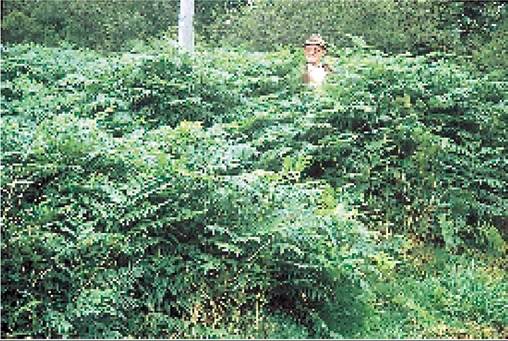
Plate 14.30. Bracken: some plants can grow to chest height.
Caustic wheat
Feeding caustic wheat which has been poorly mixed may lead to individual animals ingesting lumps of pure caustic soda (NaOH). This can produce severe mouth ulcers which have to be differentiated from foot-and-mouth disease (see Chapter 11.). The rumen also becomes very alkaline, shock develops and some animals die. Symptomatic treatment includes oral vinegar, to neutralise the rumen, fluid therapy and other measures to counteract shock, and B vitamins to compensate for lack of rumen function.
Copper
Copper toxicity is described in detail in Chapter 12.
Creosote
It is surprising what cattle will drink, and cases of creosote, diesel, paraffin and petrol poisoning are by no means uncommon. The early signs of poisoning are dullness, loss of appetite and abdominal pain, and these become more intense, leading to nervous signs and convulsions as the effects of severe liver damage become apparent. Often diagnosis is helped by the smell of creosote or diesel in the dung or even in the milk. At lower levels diesel may simply affect growth rate and hair formation.
Fluorine
Fluorine was once emitted from a large number of industrial processes and unless precautions are taken it can contaminate the surrounding grassland. It may also be present in certain types of rock phosphate. Most of the fluorine eaten is deposited in the animal’s bones and teeth, and symptoms are unlikely to be seen until there has been a continuous exposure for several months. One of its main effects is lameness, which can be due to either a fracture of the bone in the hoof (see also Chapter 9) or to exostoses, which are small sharp lumps projecting from the surface of the bone as seen in Plate 9.55. If exostoses occur on the joints, lameness is particularly severe. Teeth abnormalities may also occur, especially in younger animals, with cracks in and pitting of the enamel. Many of the symptoms of fluorosis are similar to those of rickets. Very small doses of fluorine are beneficial to the bones and teeth, as we all know from dentistry advertisements. The only treatment for poisoning is to remove the cattle from the contaminated pasture, give vitamins A and D and wait for the fluorine to be slowly excreted.
Insecticides
There are three main groups of insecticides, the organochlorines (or chlorinated hydrocarbons), organophosphorus compounds and the pythrethroids which are not toxic.
Organochlorines The organochlorines include DDT (dichlorodiphenyltrichloroethane), BHC (benzene hexachloride, a common constituent of louse powder) and dieldrin, once used in sheep dips, but now banned from the EU and many other parts of the world because of its strong cumulative effects, particularly in wildlife.
Poisoning results from a gradual build-up of the organochlorines in the animal’s tissues, especially in the fat, although the onset of the clinical signs of excitability and muscle spasms can be quite sudden. Treatment is symptomatic only and consists of giving sedatives and muscle relaxants to control the convulsions.
Organo-phosphates Poisoning with organo-phosphorus compounds is far more common. This is because they are more widely used, because they can be absorbed through the skin and because they are inherently more toxic. Cattle may be exposed to sprays drifting from an adjacent field and I have seen several cases of poisoning when animals were allowed to graze orchards immediately after spraying. Although the spray may remain on the outside of the foliage for only a few days, it can take several weeks for the organo-phosphorus compounds absorbed by the plants to lose their toxicity. The main clinical signs of poisoning are salivation, colic, diarrhoea, difficulty in breathing and apparent blindness. Badly affected animals develop convulsions and die. Your vet will probably use atropine for treatment. This is a drug derived from deadly nightshade, which is in itself a poisonous plant. Atropine only counteracts some of the clinical signs however and recovery will be very slow.
Organo-phosphorus compounds include pour-on warble dressings, fly repellants and some anthelmintics, as well as insecticides and sheep dips. Thirsty cattle should not be allowed access to sheep dips or water from run-off areas.
Kale
Overeating kale has been mentioned elsewhere in the book. There are three possible toxic syndromes. First, large intakes of kale over a short period may lead to a breakdown of the red blood cells. This is caused by a chemical in the kale called S-methyl cysteine sulphoxide, and it is seen clinically as blood in the urine and anaemia. Frosted kale is considered to be especially dangerous. Secondly, lower intakes of kale for prolonged periods may cause problems of depressed blood formation and anaemia.
Thirdly, kale interferes with thyroid function, leading to goitre. Intakes above 20 kg per day for long periods should be avoided. Cabbage, rape and other members of the brassica family can cause similar problems if fed in excess. If in doubt, ensure ample supplementation with iodine, as discussed in Chapter 12.Laburnum
Laburnum is one of the most dangerous trees grown in Britain, and you would be well advised to make sure that you can recognise it (Plate 14.31). All parts are poisonous, but the pods and seeds are especially toxic and produce nervous signs of excitement, incoordination, convulsions and death. There is no specific antidote, although your vet could give sedatives such as barbiturates to help control the nervous signs until the animal overcomes and excretes the toxin itself.
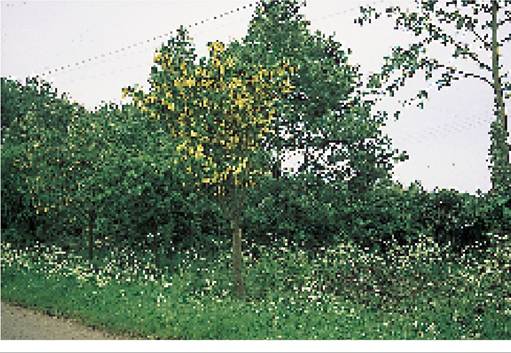
Plate 14.31. Laburnum: the pods and dry leaves are the most dangerous part of the plant.
Lead
This was discussed in detail in
Chapter 3.
Mycotoxins
When feedingstuffs are stored under unsatisfactory conditions, especially high humidity and warmth, moulds (a type of fungus) may grow. The majority of moulds are quite harmless and although they may reduce nutritional content and palatability, the affected food can still be fed to cattle. However, some moulds produce toxic byproducts, known as mycotoxins, and if eaten by cattle they can produce poisoning. The clinical signs seen depend on the type of mycotoxin present and this in turn depends on the species of mould which was originally growing on the food.
Examples of mycotoxins include sterigmatocystin, ochratoxin A (causes kidney damage), citronin (causing PPH, Chapter 13), trichothecene (a gut irritant) and tremorgens (pasture moulds e.g. ryegrass staggers, Chapter 4). The most common however is called aflatoxin, which is a contaminant of imported groundnut and cottonseed cakes. In 1980, over 20% of the imports tested were found to contain aflatoxin, although many were below the level likely to cause symptoms. Some feedingstuff manufacturers have now stopped using groundnut and cottonseed, and legislation exists to prohibit the incorporation of materials containing more than 50 parts per billion of aflatoxin. Feed which is improperly stored, for example in an outside food bunker, or in a bin which leaks, may also grow moulds which produce aflo- toxin. Levels greater than 100 ppb are said to be dangerous, causing liver damage, reduced yields and depressed growth, or in more severe cases sudden death due to haemorrhages into the abomasum and intestines. There is some concern that a breakdown product of aflatoxin which appears in the milk may cause liver tumours in man. Such tumours are very rare, however, and aflatoxin is not the only cause.
Nitrates
In the rumen, nitrates are converted into nitrites. These are absorbed into the blood where they combine with haemoglobin to produce methaemoglobin, which is incapable of carrying oxygen. Clinical signs of poisoning therefore include a marked blue discolouration (cyanosis) of the membranes of the eyes, mouth and vagina, followed by panting, gasping, trembling and eventual collapse. Death may occur in as little as half an hour from the clinical signs first being seen, and the blood of affected animals is very dark. In cows which recover, abortions and stillbirths may occur. It is not an easy condition to diagnose in the live animal, although the treatment, which consists of giving a 5% solution of methylene blue intravenously, is quite successful.
Many plants can accumulate dangerous levels of nitrates, and grazing itself may become toxic if there have been very heavy applications of slurry and artificial fertiliser. This is especially so during periods of drought when there has been no rain to wash nitrates from the soil, or during warm, overcast weather, when nitrates accumulate in the plant but there is insufficient sunlight to complete their conversion to protein. Other sources of nitrate include effluent from silage clamps or bags of compound fertiliser which cattle sometimes tear open and eat. There is some evidence that conserved forage is more dangerous than fresh grazing and deaths have been reported within one or two hours after giving cattle a particular bale of hay. Some weed sprays lead to increased levels of plant nitrate, so always read the manufacturer’s instructions before reintroducing cattle to the grazing.
Ragwort
Ragwort (Plate 14.32) can cause permanent and irreversible changes in the liver and although clinical signs often appear quite suddenly, it is likely that the plant has been eaten in small amounts over several months. It is particularly dangerous in hay and silage, because then its bitter taste is not so obvious to the cattle. The onset of clinical signs may be triggered by some form of stress. For example, suckler cows have been reported to die at calving and/or peak lactation, even though the ragwort was ingested several months previously. Clinical signs include diarrhoea, jaundice, photosensitisation (Chapter 10) and nervous signs. The abdomen may become enlarged and swollen with excess fluid and the animal blindly wanders around appearing very dull and often bumping into things. There is no treatment and cases should be slaughtered before they lose excessive weight. Ragwort grows on marginal pastures and so cultivation and application of nitrogen are the best methods of controlling the plant. Sprays are also available.
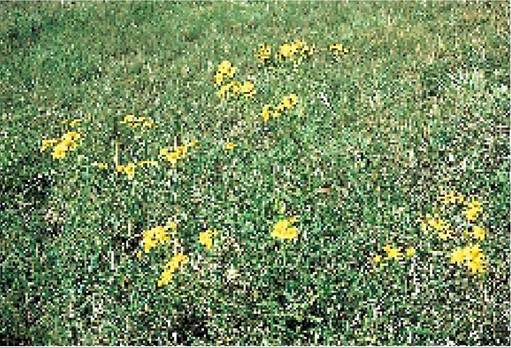
Plate 14.32. Ragwort is a cumulative poison causing liver damage.
Rhododendron
This is an interesting poison because it is one of the few occasions when you may see cattle vomiting. Other clinical signs include colic, drooling, nervous signs and difficulty with breathing. Stimulants such as ephedrine are said to be useful for treatment, and purgatives help to remove any rhododendron remaining in the gut, though the animal may still remain ill for several days during which warmth and nursing are vital.
Slug bait
I suspect that this is one of the more common poisons affecting both dogs and farm livestock, and I have had to treat several cases. The active chemical is metaldehyde and it is made attractive to slugs (and cattle!) by incorporating it into a cereal base. It is extensively used in crop husbandry. Metaldehyde causes dullness, depression, incoordination, staggering, shivering and colic. Eventually the animal becomes recumbent and death occurs from respiratory failure. There is also liver damage. Treatment is largely symptomatic, using respiratory and liver stimulants, with saline or calcium borogluconate intravenously. Barbiturates help to control convulsions.
St John S wort
The toxic chemical in this plant is called hypericin. It persists even when the plant has been dried and so remains poisonous in hay. The clinical signs are those of photosensitisation, and this was described in Chapter 10.
Strychnine
Strychnine is still used on farms for the control of moles. Poisoning leads to severe muscle spasms, with the whole animal going rigid and in this respect it resembles the final stages of tetanus. Muscle relaxants are used in treatment. Fortunately cattle are relatively resistant and in fact strychnine is used in low doses, in the form of nux vomica, as an appetite stimulant.
Urea
Urea-based feedingstuffs were once very common and they are still used in fattening and rearing rations. Although cattle can tolerate quite high levels of urea, they must be slowly introduced and they must continue to receive a constant intake. Even a gap of a few days can be dangerous. Ammonium sulphate fertilisers cause a similar poisoning syndrome, since most of the urea is converted into ammonia in the rumen. The clinical signs are dullness and rapid breathing in early or mild cases, although nervous signs and staggering can develop and death may be accompanied by violent struggling and bellowing. Increasing the acidity of the rumen reduces the conversion of urea to free ammonia, and also decreases the rate of absorption of ammonia from the rumen, so drenching a cow with 2-3 litres of vinegar will undoubtedly help. Moderate urea intakes have been associated with depressed fertility and embryo death.
Warfarin
This is a dicoumarol derivative and it is a commonly used rat poison. It prevents the action of vitamin K in the animal and thus interferes with blood clotting mechanisms. This was described in Chapter 12. Poisoning in cattle is not common, although calves sometimes gain access to large quantities of rat bait. The clinical signs are colic, dullness and sometimes stiffness due to bleeding into the joints. There may be bleeding from the nose or blood in the dung. Vitamin K and iron are used for treatment.
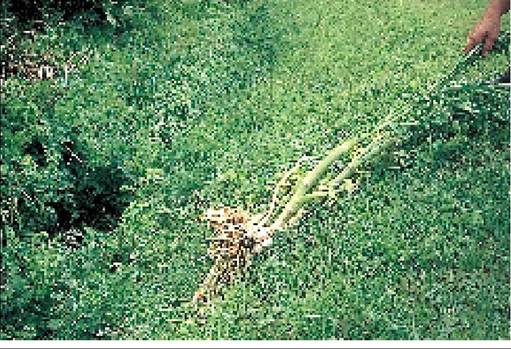
Plate 14.33. Water dropwort: the sweet-tasting roots, often called dead man's fingers, are sometimes left within easy reach of cattle after a ditch has been cleaned out.
Water dropwort (hemlock, dead man S fingers)
Hemlock has been a well-known human poison for thousands of years. The species which causes most problems in cattle is water dropwort, which grows in wetland areas. Cattle gain access to its sweet-tasting root (known as dead man’s fingers, Plate 14.33) when ditches have been cleaned out and the spoil is left on the bank within easy reach of the animals. These roots may also come to the surface and cause poisoning when cattle scramble down into ditches in dry summers in search of food or water.
The roots have a higher concentration of toxin than the rest of the plant, particularly in the winter and early spring. Most animals are simply found dead. Clinical signs, when seen, are non-specific and may include diarrhoea, trembling and convulsions. Treatment is symptomatic only.
Yew
The yew is the most poisonous British tree known to cattle, and I suggest you carefully study Plate 14.34 so that you can recognise the characteristic leaves and red berries. Branches from this tree led to the death of beef cattle that broke into a field and ate some yew not totally burnt in a bonfire.
All parts of the tree, the leaves and the berries, are toxic, except for the red flesh of the berries. Yew is therefore not toxic to birds as they are only able to digest the flesh of the berries and the seeds are passed out untouched. The active chemicals are taxine, a substance which stops the heart, plus cyanogenetic glycosides, which ferment in the rumen to produce hydrocyanic acid (i.e. cyanide). It could be either the slow release of taxine from the seeds of the fruit or the production of cyanide which accounts for some animals dying as late as one or two days after ingestion. By the time you realise that the cattle have eaten yew, those which are going to be affected have often already died. However, there are reports of clinically affected cattle surviving after being treated with hydroxycobalamin (5000 μg of vitamin B12 intravenously and 2500 μg intramuscularly) and sugar (1 kg orally).
The logic of the treatment is that the cyanide released from the yew is as toxic as the taxine if not more so. Sugar reduces the rate of release of cyanide in the rumen and vitamin B12 combines with the cyanide already produced to form cyanocobalamin, which is non-toxic. This may not be a well-recognised treatment, but it is cheap and certainly worth trying.
A rumenotony, to open the rumen and remove the yew, is an expensive procedure, difficult to carry out on a large number of animals and in any case many of them may not have eaten any yew. Unless the rumen is totally emptied, it is almost impossible to remove all fragments of yew from it.
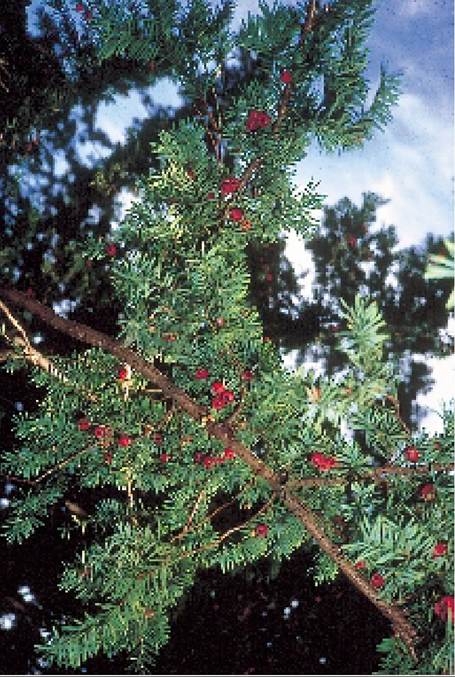
Plate 14.34. Yew is the most poisonous plant to affect cattle.
Fallopian tube
uterus
bladder
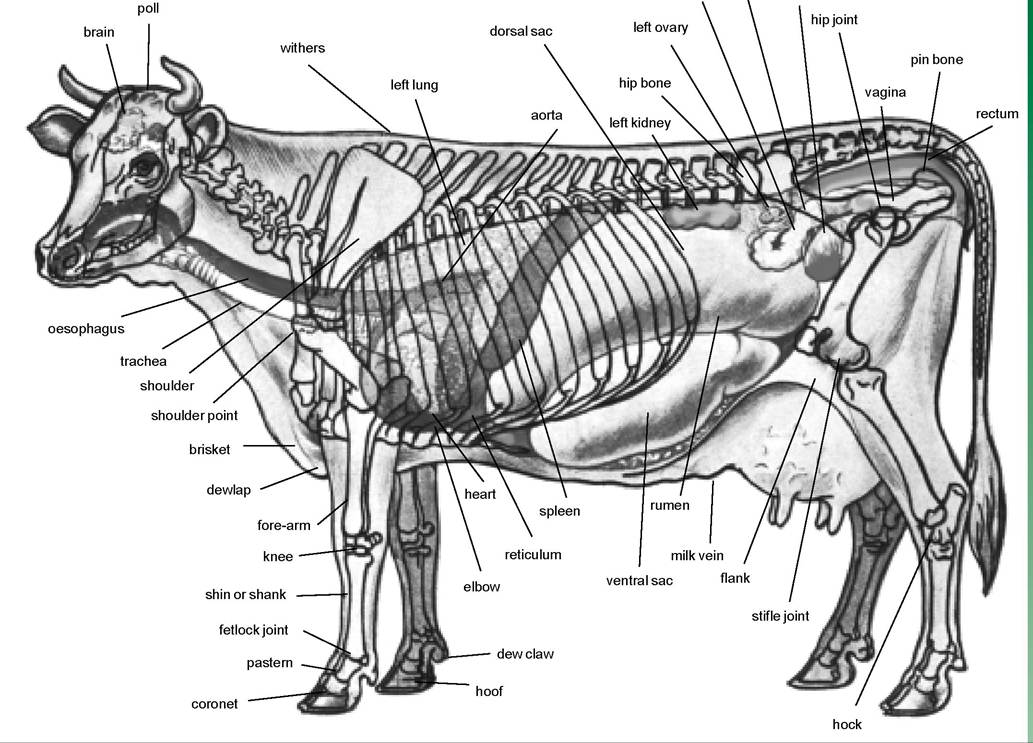
The skeleton and internal organs of the cow as seen from the left side
More on the topic DEALING WITH POISONS:
- Chapter 14 ROUTINE TASKS AND DEALING WITH POISONS
- Dealing with relativism
- Dealing with Secular Stagnation
- Many people find dealing with the practical aspects of having HIV infection almost as troublesome as the infection itself.
- The ‘Good News’: New Monetary Policies and Macro-Prudential Instruments for Dealing with Crises
- The assessment of actions performed by a person without witnesses was a topic repeatedly addressed by Greek philosophers when dealing with justice and laws.
- 14.54A There is now a substantial body of legislation dealing with potential damage to the aerial environment resulting from many common forms of agricultural activity.
- In dealing with archaeological materials, some fundamental differences distinguish the study of religion from other archaeological sub-disciplines, such as subsistence, trade or social structures.
- Contents
- This chapter will first discuss historical journals and reference works that deal in whole or in part with Galician-Ukrainian topics.
- Concept of trauma
- The vast majority of historical literature discussed in the preceding chapters has dealt with the Ukrainian and to a lesser degree the Polish population of Galicia.
- The Sui Iuris Child
- So far we have been theorizing in a fairly abstract and informal way about the distinction between vague and precise propositions.
- CHAPTER XV. OLVlA.