Intestinal Obstruction and Rupture
Cecal impaction with abnormally firm masses of cecal content is a common cause of lower intestinal obstruction in rabbits. These masses often lodge at the fusus coli of the caudal end of the sacculated colon.
Affected rabbits often have a chronic history of intestinal disorders with large, malformed feces. Diets with fine-particle indigestible fiber or diets with small fiber length predispose to this syndrome. Dry cecal content often occurs in association with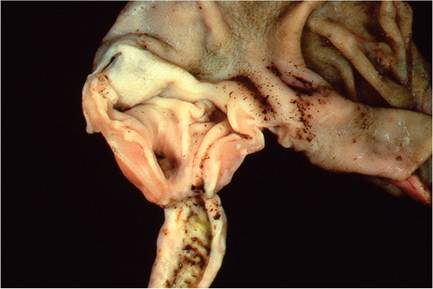
FIG. 6.81. Muscular hypertrophy of the gastric pyloric sphincter of a New Zealand White rabbit, which can result in interference with gastric emptying and subsequent weight loss.
mucoid enteropathy, dysautonomia, and other enteric diseases. Rabbits have also been found to develop obstruction of the jejunum or ileum with bezoars consisting of hair and fiber. Varying stages of obstruction with peritonitis and rupture were present. Affected rabbits tended to be overweight and an association with handling was noted. The problem was ameliorated by wrapping rabbits in towels as a restraint method.
More on the topic Intestinal Obstruction and Rupture:
- Intestinal Pseudo-Obstruction (Ileus)
- ACUTE INTESTINAL OBSTRUCTION
- Causes of Rupture
- 15 Healing of the Rupture Eardru
- Intestinal Plasmacytosis
- The Great Rupture and its Consequences: Rival Authorities and Fragile Institutions, c. 1810 to c. 1870
- 24 Small intestinal diarrhoea
- Eimeria spp. Infection: Intestinal Coccidiosis
- STOMACH AND INTESTINAL WORMS
- INTESTINAL MALFORMATIONS
- 23 Intestinal disorders
- Ischemic Intestinal Injury
- INTESTINAL PROTOZOAL INFECTIONS
- 33 Intestinal leiomyoma in a dog
- Secret Operations: Intestinal Epithelial Cells, Macrophages and MAP
- Intestinal Trematodes Sphaeridiotrema globulus AND S. PSEUDOGLOBULUS
- Two most common intestinal protozoal infections in children include Amebiasis and Giardiasis, discussed here.
- SMALL BOWEL MALFORMATIONS
- OBSTRUCTIVE UROPATHY
- Aortic Stenosis